Teriyaki Chicken Thigh Rice Bowls: 5 Cozy Savory Plates

Posted on

Uncategorized

Difficulty

Prep time

Cooking time

Total time

Servings

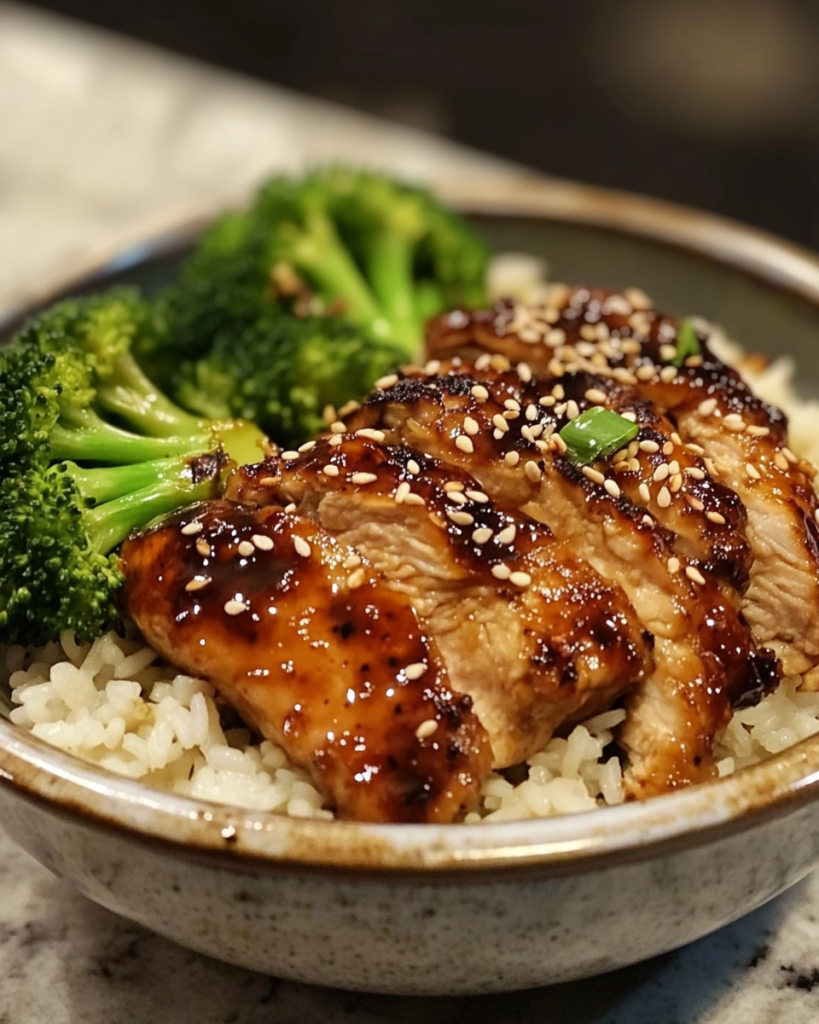
Teriyaki Chicken Thigh Rice Bowls bring tender chicken, glossy sauce, fluffy rice, and crisp vegetables into a comforting dinner suited for busy evenings or relaxed family suppers. Boneless chicken thighs stay juicy during skillet cooking, while soy sauce, ginger, garlic, and brown sugar form a rich glaze with balanced salty-sweet character.

Warm rice absorbs every drop from the sauce, creating hearty flavor throughout each serving. Crisp cucumber, steamed broccoli, shredded carrot, or sliced scallion bring contrast beside the savory chicken. This dish suits meal prep, casual lunches, weekday dinners, or shared table gatherings.

Ingredients Overview
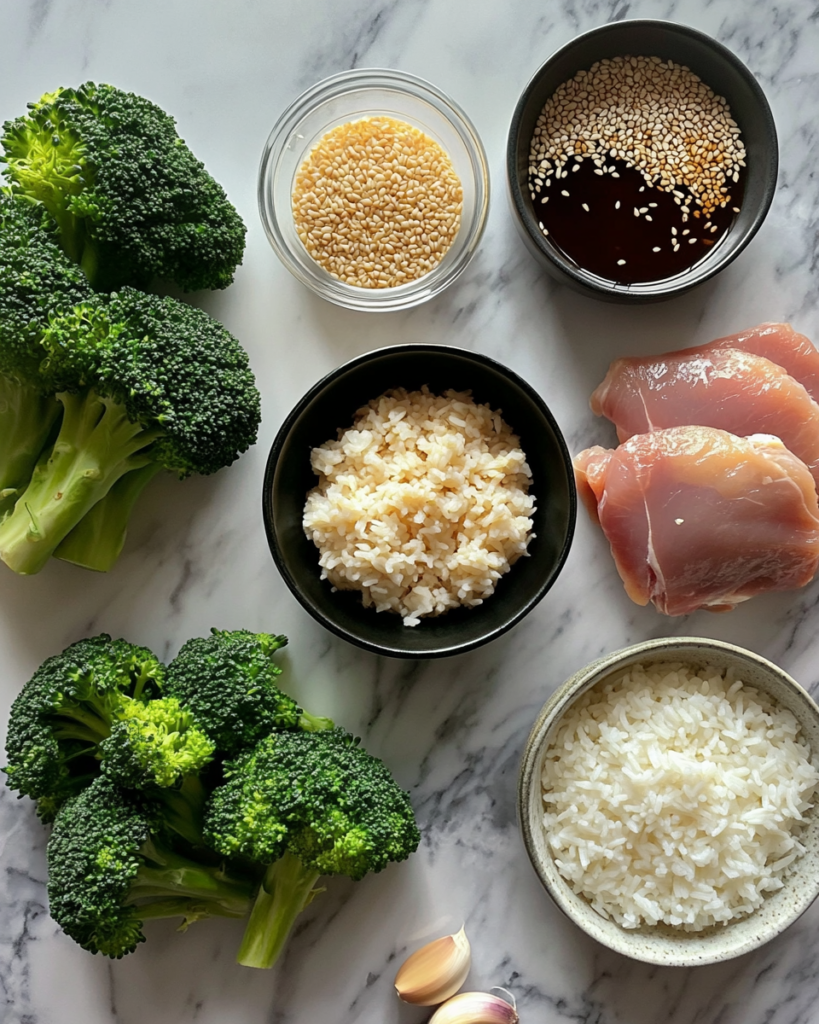
Chicken thighs carry rich flavor due to slightly higher fat content compared with chicken breast. During skillet cooking, thighs stay tender even after simmering inside teriyaki sauce. Boneless skinless thighs work particularly well because they cook evenly and absorb sauce deeply.

Soy sauce forms the savory foundation. Low-sodium soy sauce helps balance salt levels while still delivering classic teriyaki character. Brown sugar adds gentle caramel notes alongside light sweetness. Honey also suits this recipe, though brown sugar creates thicker glaze texture during simmering.

Fresh garlic and ginger provide aromatic depth. Grated ginger adds warmth without overpowering the sauce. Garlic contributes mellow savoriness after brief cooking inside sesame oil.

Cornstarch thickens the sauce into glossy coating consistency. Without cornstarch, sauce remains thin and watery across rice. Rice vinegar balances sweetness through slight tanginess.

Short-grain white rice suits these bowls due to soft texture and subtle stickiness. Jasmine rice also pairs nicely with teriyaki chicken. Brown rice delivers nuttier flavor alongside additional fiber.

Vegetables bring freshness and color. Steamed broccoli, shredded carrot, sliced cucumber, edamame, or cabbage all pair nicely beside rich chicken. Sesame seeds and scallions finish each bowl through mild crunch and brightness.

Ingredients

1 1/2 pounds boneless skinless chicken thighs
2 cups cooked white rice
1 tablespoon sesame oil
3 cloves garlic, minced
1 tablespoon grated fresh ginger
1/3 cup low-sodium soy sauce
3 tablespoons brown sugar
1 tablespoon honey
1 tablespoon rice vinegar
1 tablespoon cornstarch
2 tablespoons water
1 cup broccoli florets
1/2 cup shredded carrot
1 small cucumber, sliced
2 scallions, sliced
1 teaspoon sesame seeds
1 tablespoon neutral cooking oil

Step-by-Step Instructions
Pat chicken thighs dry using paper towels before cooking. Removing surface moisture helps browning during skillet searing. Slice thighs into bite-sized portions for even cooking across every piece.

Whisk soy sauce, brown sugar, honey, rice vinegar, garlic, and ginger inside a bowl until sugar dissolves. Stir cornstarch with water separately until smooth, then set aside for later use.

Heat neutral oil alongside sesame oil inside a large skillet across medium-high heat. Arrange chicken pieces across the pan without overcrowding. Crowding traps steam and prevents caramelized edges. Cook chicken for roughly four minutes per side until lightly browned.

Transfer heat toward medium. Pour prepared sauce into the skillet. Stir gently while sauce bubbles around the chicken. Allow simmering for several minutes so garlic and ginger soften fully.

Add cornstarch slurry while stirring steadily. Sauce gradually thickens into glossy coating consistency after roughly two minutes. Continue cooking until chicken reaches fully cooked texture with clear juices and deep brown glaze. Internal temperature should reach 165 degrees Fahrenheit.

During final simmering, steam broccoli until fork-tender yet still slightly crisp. Overcooked broccoli turns dull and soft, reducing texture contrast inside each bowl.

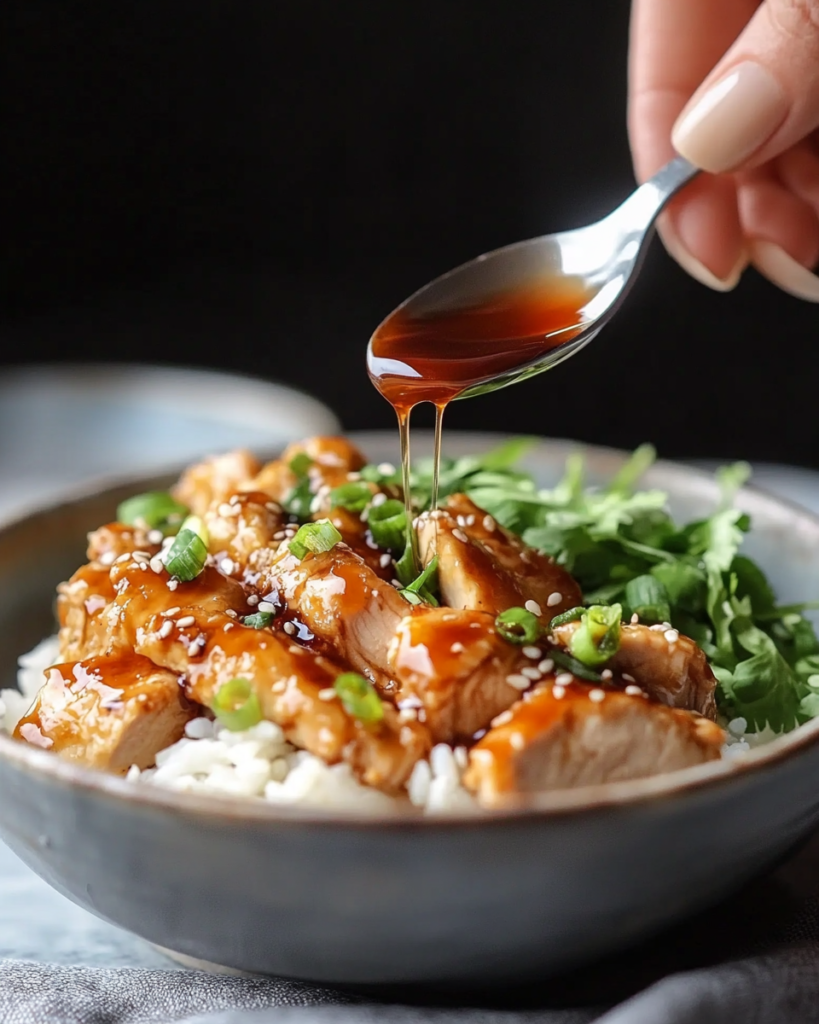
Spoon warm rice into serving bowls. Arrange glazed chicken beside broccoli, carrot, and cucumber slices. Drizzle remaining teriyaki sauce across rice for extra flavor.

Scatter scallions and sesame seeds across each serving before presenting. Fresh scallions brighten the rich glaze through mild onion flavor, while sesame seeds add delicate crunch.

Avoid overheating the sauce after thickening because prolonged simmering causes sticky texture. If sauce thickens excessively, stir in a tablespoon of water until silky consistency returns.

Rest chicken briefly before serving so glaze settles around every piece. This brief resting period helps sauce cling neatly instead of sliding beneath the rice.

Tips, Variations & Substitutions

Boneless chicken breast may replace thighs, though slightly shorter cooking duration helps prevent dryness. Turkey strips also suit this preparation when sliced thinly.

For deeper savory character, stir a teaspoon of toasted sesame oil into the sauce shortly before serving. Pineapple chunks bring subtle fruity contrast beside salty teriyaki glaze. Snow peas or sautéed mushrooms also pair nicely inside these bowls.

Brown rice adds hearty texture and extra fiber. Cauliflower rice works for lighter servings with lower carbohydrate levels. Quinoa creates slightly nuttier flavor while still absorbing sauce well.

Fresh ginger provides brighter flavor compared with dried ginger powder. Still, ground ginger suits pantry-friendly preparation during busy evenings. Fresh garlic similarly delivers fuller aroma compared with jarred garlic paste.

Meal prep works nicely with this recipe. Store cooked rice, vegetables, and chicken separately inside refrigerated containers. Reheat chicken gently inside a skillet with splash of water so glaze stays silky instead of sticky.

For slightly smoky flavor, grill chicken thighs prior toward sauce simmering. Charred edges pair beautifully beside sweet-savory teriyaki glaze.

Serving Ideas & Occasions

Teriyaki Chicken Thigh Rice Bowls suit casual family suppers, packed weekday lunches, or relaxed weekend dinners. Their balanced combination of protein, rice, and vegetables creates satisfying plates suited for varied schedules.

Serve alongside chilled cucumber salad, miso soup, or lightly dressed cabbage slaw. Pickled vegetables pair nicely beside rich teriyaki glaze through bright acidity. Sparkling water with citrus slices complements the savory-sweet flavors pleasantly.

During gatherings, arrange toppings buffet-style so guests build personalized bowls. Extra scallions, sesame seeds, sliced avocado, shredded cabbage, or steamed edamame all pair beautifully beside glazed chicken.

These bowls also travel well for packed lunches because the sauce keeps chicken moist after reheating. Warm rice absorbs savory glaze beautifully during storage, creating flavorful leftovers across following days.

Nutritional & Health Notes

Chicken thighs provide protein, iron, zinc, and several B vitamins. Though slightly richer compared with chicken breast, moderate portions fit comfortably within balanced meals paired alongside vegetables and rice.

Broccoli and carrots contribute fiber, vitamin C, and plant nutrients. Cucumber adds freshness and hydration with very light calorie contribution. Brown rice raises fiber content further while supporting longer-lasting fullness.

Using low-sodium soy sauce helps moderate salt levels without sacrificing savory flavor. Smaller brown sugar amounts still create classic teriyaki glaze while limiting excessive sweetness.

Cooking through skillet searing followed by simmering requires minimal added oil. Balanced portions featuring vegetables beside rice and chicken create satisfying meals with varied textures and nutrients.

FAQs

Can chicken thighs stay tender after reheating?

Chicken thighs usually retain tenderness very well after refrigeration and reheating due to slightly higher fat content. During reheating, place chicken inside skillet across medium-low heat with small splash of water. Gentle heat helps preserve juicy texture while loosening thickened teriyaki glaze.

Microwave reheating also works, though covering the dish lightly helps trap moisture. Avoid prolonged reheating because excessive heat gradually tightens meat fibers and thickens the sauce excessively. Storing sauce separately from rice also helps maintain pleasant texture throughout leftovers.

Which rice suits these bowls most nicely?

Short-grain white rice pairs beautifully due to soft texture and slight stickiness. Jasmine rice contributes fragrant aroma and lighter grains, while brown rice delivers nuttier flavor with additional fiber.

Proper rice preparation matters greatly. Rinsing rice before cooking removes excess starch and creates fluffier texture. Allowing cooked rice brief resting duration after steaming also improves consistency. Warm rice absorbs teriyaki glaze beautifully, helping savory flavor spread evenly throughout every bite.

Can frozen vegetables work within this recipe?

Frozen broccoli, shelled edamame, or stir-fry vegetable blends all suit these bowls nicely. Frozen vegetables save preparation duration while still delivering color and texture. Steam or sauté them briefly until heated through yet still slightly crisp.

Avoid overcooking frozen vegetables because prolonged heating causes soft texture and excess moisture. Draining thoroughly before adding them beside rice helps prevent watery bowls. Fresh vegetables still provide slightly firmer texture, though frozen options remain highly practical for busy evenings.

How thick should teriyaki sauce become?

Proper teriyaki sauce should coat the back of a spoon lightly without turning sticky like syrup. Cornstarch slurry thickens the sauce rapidly during simmering, so stirring steadily helps maintain smooth consistency.

If sauce appears too thin, simmer briefly longer while stirring gently. If sauce thickens excessively, stir in small spoonfuls of water until silky texture returns. Sauce gradually thickens slightly further during cooling, so removing the skillet from heat promptly helps maintain balanced consistency.

Can these bowls suit meal preparation?

These rice bowls suit meal preparation extremely well because every component stores comfortably within refrigeration for several days. Keep rice, vegetables, and chicken inside separate containers whenever possible for freshest texture during reheating.

Cooling ingredients fully before refrigeration helps preserve texture and food quality. During reheating, warm chicken gently with small splash of water so sauce stays glossy. Fresh cucumber and scallions taste brightest when added shortly before serving instead of during storage.

Which vegetables pair nicely beside teriyaki chicken?

Broccoli, shredded carrot, cucumber, cabbage, snap peas, and edamame all pair beautifully beside teriyaki chicken. Their fresh textures contrast pleasantly with rich glossy glaze.

Steamed vegetables provide softer texture, while raw vegetables bring crispness and cooling balance. Avocado slices also complement savory teriyaki flavor through creamy richness. Combining varied colors across each bowl creates attractive presentation alongside balanced flavor and texture throughout every serving.

Can homemade teriyaki sauce replace bottled sauce?

Homemade teriyaki sauce often delivers fresher flavor because garlic, ginger, soy sauce, and sugar levels remain fully adjustable. Preparing sauce from pantry staples also helps balance sweetness and salt according toward personal preference.

Bottled sauce still works during busy evenings, though several varieties contain heavier sweetness or thicker texture. When using bottled sauce, taste before adding extra sugar or soy sauce. Gentle simmering with fresh garlic and ginger can brighten bottled sauce flavor considerably.

………………..

[rank_math_breadcrumb]

Teriyaki Chicken Thigh Rice Bowls: 5 Cozy Savory Plates

Photo of author
Author: Ava
Published:

Teriyaki Chicken Thigh Rice Bowls bring tender chicken, glossy sauce, fluffy rice, and crisp vegetables into a comforting dinner suited for busy evenings or relaxed family suppers. Boneless chicken thighs stay juicy during skillet cooking, while soy sauce, ginger, garlic, and brown sugar form a rich glaze with balanced salty-sweet character.

Warm rice absorbs every drop from the sauce, creating hearty flavor throughout each serving. Crisp cucumber, steamed broccoli, shredded carrot, or sliced scallion bring contrast beside the savory chicken. This dish suits meal prep, casual lunches, weekday dinners, or shared table gatherings.

Ingredients Overview

Chicken thighs carry rich flavor due to slightly higher fat content compared with chicken breast. During skillet cooking, thighs stay tender even after simmering inside teriyaki sauce. Boneless skinless thighs work particularly well because they cook evenly and absorb sauce deeply.

Soy sauce forms the savory foundation. Low-sodium soy sauce helps balance salt levels while still delivering classic teriyaki character. Brown sugar adds gentle caramel notes alongside light sweetness. Honey also suits this recipe, though brown sugar creates thicker glaze texture during simmering.

Fresh garlic and ginger provide aromatic depth. Grated ginger adds warmth without overpowering the sauce. Garlic contributes mellow savoriness after brief cooking inside sesame oil.

Cornstarch thickens the sauce into glossy coating consistency. Without cornstarch, sauce remains thin and watery across rice. Rice vinegar balances sweetness through slight tanginess.

Short-grain white rice suits these bowls due to soft texture and subtle stickiness. Jasmine rice also pairs nicely with teriyaki chicken. Brown rice delivers nuttier flavor alongside additional fiber.

Vegetables bring freshness and color. Steamed broccoli, shredded carrot, sliced cucumber, edamame, or cabbage all pair nicely beside rich chicken. Sesame seeds and scallions finish each bowl through mild crunch and brightness.

Ingredients

1 1/2 pounds boneless skinless chicken thighs
2 cups cooked white rice
1 tablespoon sesame oil
3 cloves garlic, minced
1 tablespoon grated fresh ginger
1/3 cup low-sodium soy sauce
3 tablespoons brown sugar
1 tablespoon honey
1 tablespoon rice vinegar
1 tablespoon cornstarch
2 tablespoons water
1 cup broccoli florets
1/2 cup shredded carrot
1 small cucumber, sliced
2 scallions, sliced
1 teaspoon sesame seeds
1 tablespoon neutral cooking oil

Step-by-Step Instructions

Pat chicken thighs dry using paper towels before cooking. Removing surface moisture helps browning during skillet searing. Slice thighs into bite-sized portions for even cooking across every piece.

Whisk soy sauce, brown sugar, honey, rice vinegar, garlic, and ginger inside a bowl until sugar dissolves. Stir cornstarch with water separately until smooth, then set aside for later use.

Heat neutral oil alongside sesame oil inside a large skillet across medium-high heat. Arrange chicken pieces across the pan without overcrowding. Crowding traps steam and prevents caramelized edges. Cook chicken for roughly four minutes per side until lightly browned.

Transfer heat toward medium. Pour prepared sauce into the skillet. Stir gently while sauce bubbles around the chicken. Allow simmering for several minutes so garlic and ginger soften fully.

Add cornstarch slurry while stirring steadily. Sauce gradually thickens into glossy coating consistency after roughly two minutes. Continue cooking until chicken reaches fully cooked texture with clear juices and deep brown glaze. Internal temperature should reach 165 degrees Fahrenheit.

During final simmering, steam broccoli until fork-tender yet still slightly crisp. Overcooked broccoli turns dull and soft, reducing texture contrast inside each bowl.

Spoon warm rice into serving bowls. Arrange glazed chicken beside broccoli, carrot, and cucumber slices. Drizzle remaining teriyaki sauce across rice for extra flavor.

Scatter scallions and sesame seeds across each serving before presenting. Fresh scallions brighten the rich glaze through mild onion flavor, while sesame seeds add delicate crunch.

Avoid overheating the sauce after thickening because prolonged simmering causes sticky texture. If sauce thickens excessively, stir in a tablespoon of water until silky consistency returns.

Rest chicken briefly before serving so glaze settles around every piece. This brief resting period helps sauce cling neatly instead of sliding beneath the rice.

Tips, Variations & Substitutions

Boneless chicken breast may replace thighs, though slightly shorter cooking duration helps prevent dryness. Turkey strips also suit this preparation when sliced thinly.

For deeper savory character, stir a teaspoon of toasted sesame oil into the sauce shortly before serving. Pineapple chunks bring subtle fruity contrast beside salty teriyaki glaze. Snow peas or sautéed mushrooms also pair nicely inside these bowls.

Brown rice adds hearty texture and extra fiber. Cauliflower rice works for lighter servings with lower carbohydrate levels. Quinoa creates slightly nuttier flavor while still absorbing sauce well.

Fresh ginger provides brighter flavor compared with dried ginger powder. Still, ground ginger suits pantry-friendly preparation during busy evenings. Fresh garlic similarly delivers fuller aroma compared with jarred garlic paste.

Meal prep works nicely with this recipe. Store cooked rice, vegetables, and chicken separately inside refrigerated containers. Reheat chicken gently inside a skillet with splash of water so glaze stays silky instead of sticky.

For slightly smoky flavor, grill chicken thighs prior toward sauce simmering. Charred edges pair beautifully beside sweet-savory teriyaki glaze.

Serving Ideas & Occasions

Teriyaki Chicken Thigh Rice Bowls suit casual family suppers, packed weekday lunches, or relaxed weekend dinners. Their balanced combination of protein, rice, and vegetables creates satisfying plates suited for varied schedules.

Serve alongside chilled cucumber salad, miso soup, or lightly dressed cabbage slaw. Pickled vegetables pair nicely beside rich teriyaki glaze through bright acidity. Sparkling water with citrus slices complements the savory-sweet flavors pleasantly.

During gatherings, arrange toppings buffet-style so guests build personalized bowls. Extra scallions, sesame seeds, sliced avocado, shredded cabbage, or steamed edamame all pair beautifully beside glazed chicken.

These bowls also travel well for packed lunches because the sauce keeps chicken moist after reheating. Warm rice absorbs savory glaze beautifully during storage, creating flavorful leftovers across following days.

Nutritional & Health Notes

Chicken thighs provide protein, iron, zinc, and several B vitamins. Though slightly richer compared with chicken breast, moderate portions fit comfortably within balanced meals paired alongside vegetables and rice.

Broccoli and carrots contribute fiber, vitamin C, and plant nutrients. Cucumber adds freshness and hydration with very light calorie contribution. Brown rice raises fiber content further while supporting longer-lasting fullness.

Using low-sodium soy sauce helps moderate salt levels without sacrificing savory flavor. Smaller brown sugar amounts still create classic teriyaki glaze while limiting excessive sweetness.

Cooking through skillet searing followed by simmering requires minimal added oil. Balanced portions featuring vegetables beside rice and chicken create satisfying meals with varied textures and nutrients.

FAQs

Can chicken thighs stay tender after reheating?

Chicken thighs usually retain tenderness very well after refrigeration and reheating due to slightly higher fat content. During reheating, place chicken inside skillet across medium-low heat with small splash of water. Gentle heat helps preserve juicy texture while loosening thickened teriyaki glaze.

Microwave reheating also works, though covering the dish lightly helps trap moisture. Avoid prolonged reheating because excessive heat gradually tightens meat fibers and thickens the sauce excessively. Storing sauce separately from rice also helps maintain pleasant texture throughout leftovers.

Which rice suits these bowls most nicely?

Short-grain white rice pairs beautifully due to soft texture and slight stickiness. Jasmine rice contributes fragrant aroma and lighter grains, while brown rice delivers nuttier flavor with additional fiber.

Proper rice preparation matters greatly. Rinsing rice before cooking removes excess starch and creates fluffier texture. Allowing cooked rice brief resting duration after steaming also improves consistency. Warm rice absorbs teriyaki glaze beautifully, helping savory flavor spread evenly throughout every bite.

Can frozen vegetables work within this recipe?

Frozen broccoli, shelled edamame, or stir-fry vegetable blends all suit these bowls nicely. Frozen vegetables save preparation duration while still delivering color and texture. Steam or sauté them briefly until heated through yet still slightly crisp.

Avoid overcooking frozen vegetables because prolonged heating causes soft texture and excess moisture. Draining thoroughly before adding them beside rice helps prevent watery bowls. Fresh vegetables still provide slightly firmer texture, though frozen options remain highly practical for busy evenings.

How thick should teriyaki sauce become?

Proper teriyaki sauce should coat the back of a spoon lightly without turning sticky like syrup. Cornstarch slurry thickens the sauce rapidly during simmering, so stirring steadily helps maintain smooth consistency.

If sauce appears too thin, simmer briefly longer while stirring gently. If sauce thickens excessively, stir in small spoonfuls of water until silky texture returns. Sauce gradually thickens slightly further during cooling, so removing the skillet from heat promptly helps maintain balanced consistency.

Can these bowls suit meal preparation?

These rice bowls suit meal preparation extremely well because every component stores comfortably within refrigeration for several days. Keep rice, vegetables, and chicken inside separate containers whenever possible for freshest texture during reheating.

Cooling ingredients fully before refrigeration helps preserve texture and food quality. During reheating, warm chicken gently with small splash of water so sauce stays glossy. Fresh cucumber and scallions taste brightest when added shortly before serving instead of during storage.

Which vegetables pair nicely beside teriyaki chicken?

Broccoli, shredded carrot, cucumber, cabbage, snap peas, and edamame all pair beautifully beside teriyaki chicken. Their fresh textures contrast pleasantly with rich glossy glaze.

Steamed vegetables provide softer texture, while raw vegetables bring crispness and cooling balance. Avocado slices also complement savory teriyaki flavor through creamy richness. Combining varied colors across each bowl creates attractive presentation alongside balanced flavor and texture throughout every serving.

Can homemade teriyaki sauce replace bottled sauce?

Homemade teriyaki sauce often delivers fresher flavor because garlic, ginger, soy sauce, and sugar levels remain fully adjustable. Preparing sauce from pantry staples also helps balance sweetness and salt according toward personal preference.

Bottled sauce still works during busy evenings, though several varieties contain heavier sweetness or thicker texture. When using bottled sauce, taste before adding extra sugar or soy sauce. Gentle simmering with fresh garlic and ginger can brighten bottled sauce flavor considerably.

………………..

Name

Lorem ipsum dolor sit amet, consectetur adipiscing elit. Suspendisse varius enim in eros elementum tristique. Duis cursus, mi quis viverra ornare, eros dolor interdum nulla, ut commodo diam libero vitae erat.

You Might Also Like...

Spicy Chipotle Chicken Burrito Bowls: 5 Authentic Hope

Spicy Chipotle Chicken Burrito Bowls: 5 Authentic Hope

Creamy Chicken Tortellini Soup: 7 Amazing Cozy Bowls

Creamy Chicken Tortellini Soup: 7 Amazing Cozy Bowls

Chicken Parmesan Grilled Cheese: 5 Authentic Comforting Bites

Chicken Parmesan Grilled Cheese: 5 Authentic Comforting Bites

BBQ Chicken Flatbread Pizza: 7 Amazing Comforting Bites

BBQ Chicken Flatbread Pizza: 7 Amazing Comforting Bites

Tags:

You might also like these recipes

Leave a Comment