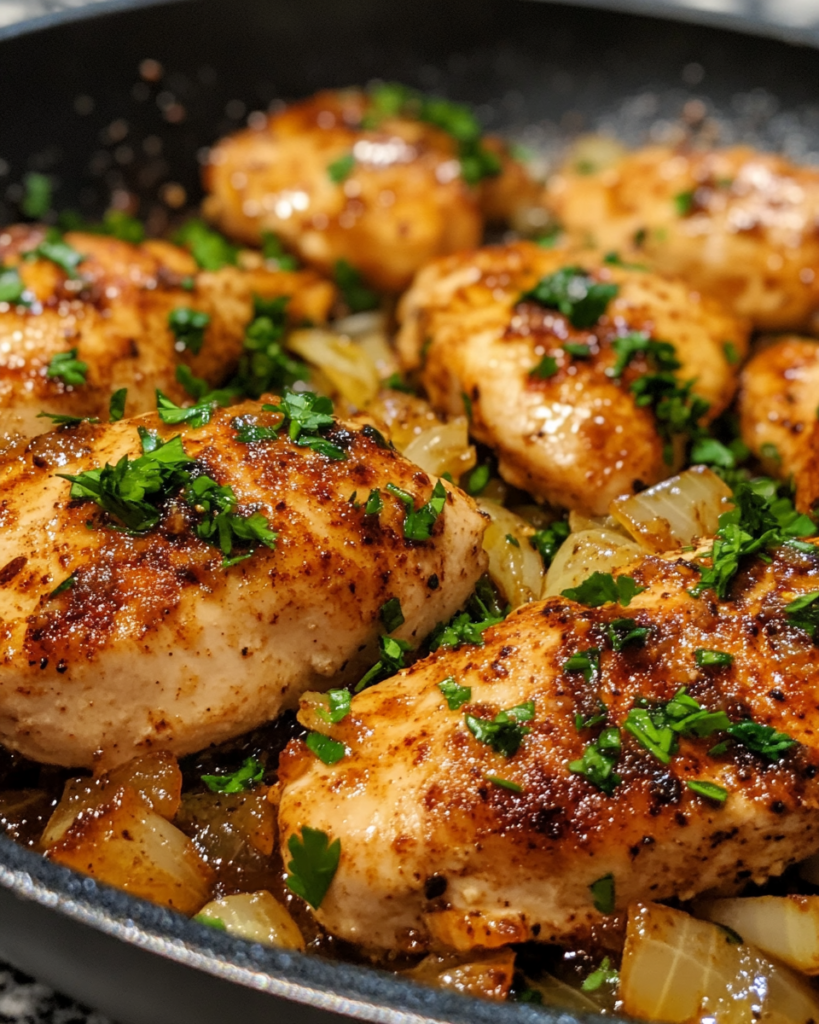
Smoky Paprika Chicken Skillet combines tender seared chicken, caramelized onions, garlic, and rich smoky spices inside one hearty pan. The deep flavor from smoked paprika blends beautifully with juicy chicken and savory pan sauce, creating comforting dinner suitable for busy evenings or relaxed family meals.
This skillet recipe stays simple while still delivering rich homestyle flavor. Since everything cooks inside one pan, cleanup remains manageable without sacrificing texture or flavor. Served alongside potatoes, rice, or warm bread, Smoky Paprika Chicken Skillet brings satisfying warmth to the table with minimal effort.
Ingredients Overview
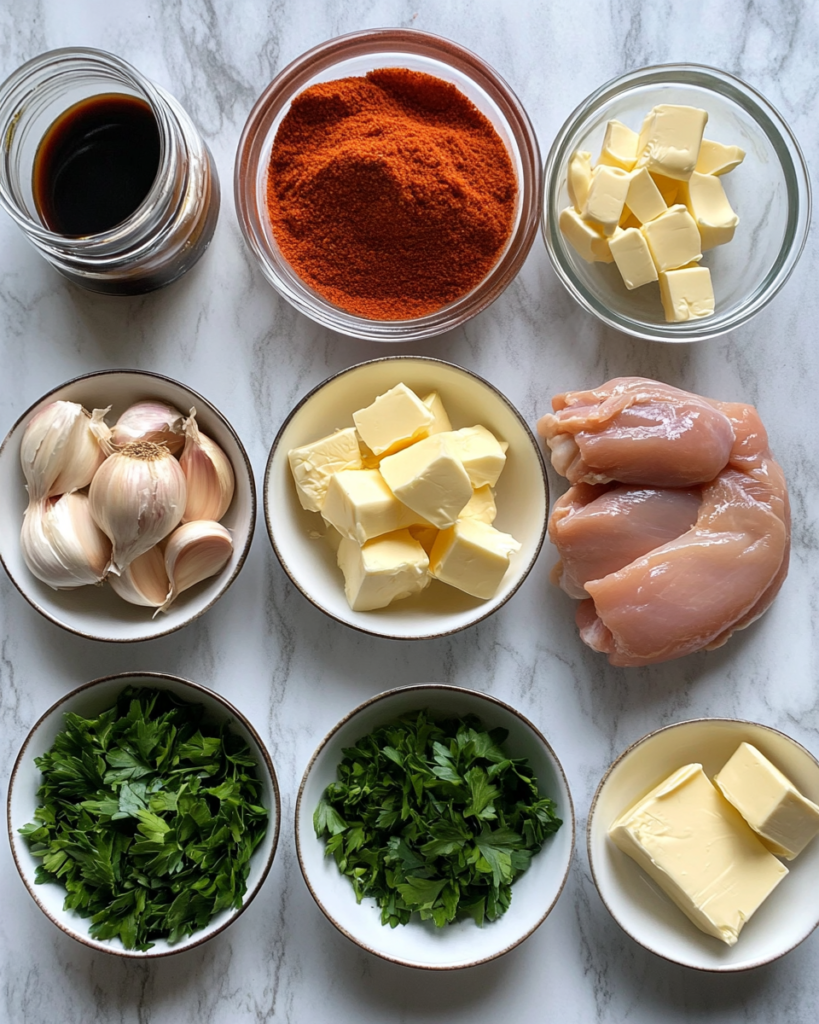
Chicken thighs provide juicy texture and hearty flavor throughout this skillet recipe. Boneless skinless thighs cook quickly while staying tender after simmering. Chicken breast may also work, though careful cooking helps avoid dryness.
Smoked paprika forms the signature flavor within the dish. Unlike regular paprika, smoked paprika contributes earthy depth and subtle wood-fired character that pairs naturally with chicken. Sweet smoked paprika creates balanced flavor, while hot smoked paprika adds gentle heat.
Onions and garlic create aromatic foundation beneath the smoky seasoning. Yellow onions soften and caramelize slightly during cooking, contributing subtle sweetness that balances the savory spices. Fresh garlic deepens the overall flavor and blends smoothly into the sauce.
Chicken broth loosens the pan sauce while lifting browned bits from the skillet. Those browned bits carry concentrated flavor from the seared chicken and spices. Tomato paste adds slight richness and body without overpowering the smoky seasoning.
Olive oil and butter help create golden seared chicken while contributing richness to the skillet. Fresh parsley brightens the finished dish with color and freshness. Potatoes, rice, noodles, or crusty bread pair especially nicely beside the flavorful sauce.
Ingredients
2 pounds boneless skinless chicken thighs
2 tablespoons smoked paprika
1 teaspoon garlic powder
1 teaspoon onion powder
1 teaspoon salt
1/2 teaspoon black pepper
2 tablespoons olive oil
2 tablespoons butter
1 large yellow onion, sliced
4 cloves garlic, minced
2 tablespoons tomato paste
1 1/2 cups chicken broth
1 tablespoon Worcestershire sauce
1 tablespoon chopped fresh parsley
Step-by-Step Instructions
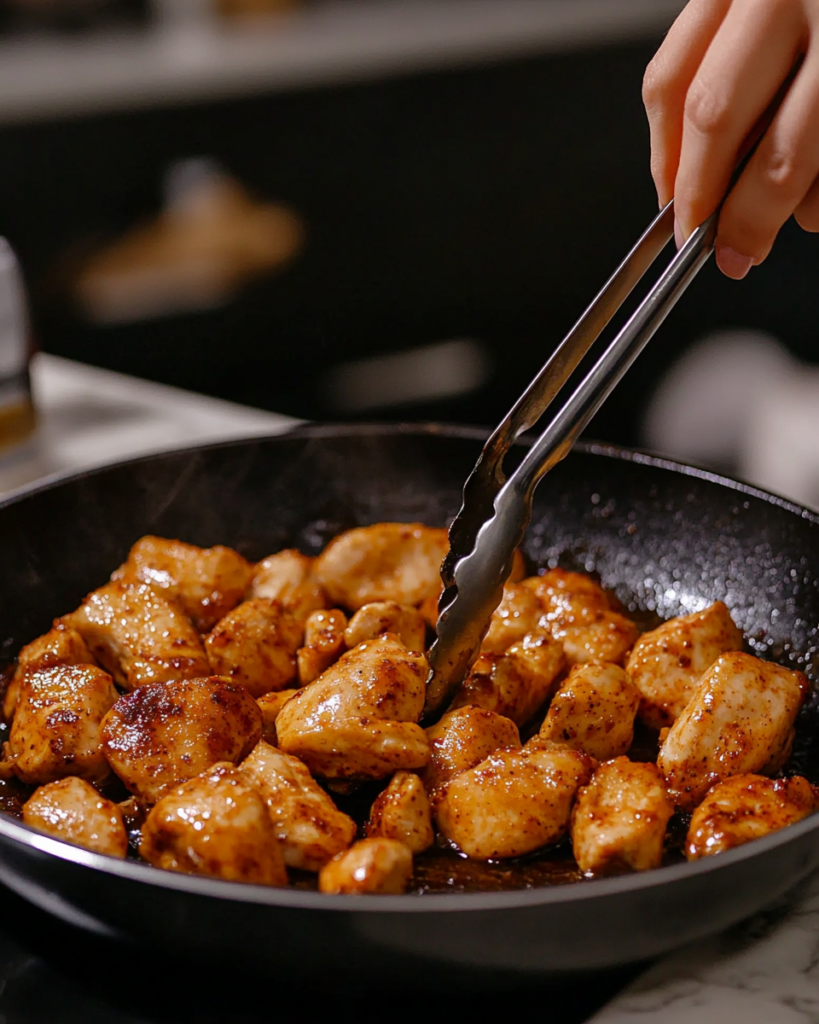
Pat the chicken thighs dry using paper towels. Dry chicken develops deeper golden color during searing. Season both sides with smoked paprika, garlic powder, onion powder, salt, and black pepper. Coat evenly so every bite carries balanced smoky flavor.
Warm a large heavy skillet across medium-high heat. Add olive oil and allow it to heat fully before adding the chicken. Place the chicken thighs into the skillet without overcrowding. Crowded chicken releases moisture too quickly and prevents proper browning.
Cook the chicken for roughly 5 to 6 minutes per side until rich golden crust develops. The smoked paprika darkens slightly during cooking, creating beautiful color and deeper flavor. Transfer the browned chicken onto a plate once both sides finish searing. The chicken will complete cooking later inside the sauce.
Reduce the heat slightly before adding butter and sliced onions into the skillet. Stir frequently for about 5 minutes until the onions soften and begin turning golden around the edges. Add minced garlic and cook briefly until fragrant, roughly 30 seconds.
Stir tomato paste into the onions and garlic. Cooking the tomato paste for about 1 minute helps deepen the flavor while removing raw sharpness. Pour chicken broth into the skillet while scraping the bottom using wooden spoon. The broth lifts flavorful browned bits from the pan and creates savory base for the sauce.
Add Worcestershire sauce and stir gently. Allow the sauce to simmer for several minutes until slightly reduced. The liquid should appear lightly thickened but still loose enough for spooning across the chicken.
Return the chicken thighs plus collected juices back into the skillet. Spoon sauce over the chicken and simmer uncovered for 8 to 10 minutes until the chicken reaches safe internal temperature and absorbs the smoky flavors from the sauce.
Sprinkle fresh parsley across the skillet immediately before serving. Rest the chicken for several minutes before plating so the juices settle within the meat.
Avoid cooking garlic over high heat because it burns quickly and develops bitter flavor. Another common mistake involves adding broth too early before the onions soften fully. Properly softened onions create smoother richer sauce texture.
Tips, Variations & Substitutions
Chicken breast works as substitute for thighs whenever leaner texture feels preferable. Bone-in thighs also perform beautifully, though cooking time increases slightly during simmering.
For stronger smoky flavor, add extra smoked paprika or pinch of chipotle powder. Mild heat lovers may stir crushed red pepper flakes into the sauce. Diced roasted peppers or mushrooms pair naturally beside the smoky seasoning profile.
Baby potatoes may cook directly inside the skillet if partially boiled beforehand. Spinach stirred into the sauce near the end adds color and freshness without requiring additional pans.
Butter creates richer flavor, although additional olive oil works nicely whenever dairy-free preparation feels preferable. Low-sodium broth helps balance overall seasoning levels depending upon the paprika blend used.
Leftovers store nicely inside airtight containers for several days. Reheat gently across low heat with splash of broth stirred into the skillet to loosen the sauce.
Serving Ideas & Occasions
Smoky Paprika Chicken Skillet suits cozy family dinners, meal-prep lunches, and casual gatherings thanks to its hearty flavor and one-pan convenience. Since the sauce remains rich yet uncomplicated, the dish fits both weeknight suppers and relaxed weekend meals.
Creamy mashed potatoes absorb the smoky sauce beautifully. Buttered noodles, rice, roasted potatoes, or crusty bread also pair nicely beside the juicy chicken. Roasted vegetables such as carrots, green beans, or asparagus balance the savory richness comfortably.
Sparkling water with citrus, iced tea, or light red wine complement the smoky paprika flavors pleasantly. Warm dinner rolls or skillet cornbread create especially comforting meal combinations during colder months.
Since the skillet reheats successfully, leftovers work wonderfully for packed lunches or quick next-day dinners.
Nutritional & Health Notes
Chicken thighs provide substantial protein while staying naturally juicy during skillet cooking. Dark meat contains slightly higher fat content than chicken breast, helping the chicken remain tender even after simmering.
Smoked paprika contributes bold flavor without requiring heavy sauces or excessive ingredients. Garlic and onions also contribute savory depth while adding variety to the nutritional profile.
Using lower-sodium broth and moderate butter portions helps balance overall sodium and fat levels. Pairing the skillet beside vegetables or lighter side dishes creates satisfying balanced meals.
Since the recipe cooks inside one skillet with simple ingredients, portion control stays straightforward while still delivering hearty comforting flavor.
Can I use regular paprika instead of smoked paprika?
Regular paprika may replace smoked paprika, though the finished dish loses some of its signature smoky depth. Smoked paprika contributes wood-fired flavor that blends beautifully beside chicken and caramelized onions. Sweet paprika creates milder flavor profile while hot paprika introduces additional heat. Combining regular paprika with small pinch of cumin or chipotle powder may help mimic some smokiness if smoked paprika is unavailable. Since paprika forms the main flavor foundation within this recipe, choosing fresh high-quality spice creates stronger overall flavor. Older paprika often tastes dull and less aromatic after cooking.
Which chicken cuts work best for this skillet?
Boneless skinless chicken thighs remain especially suitable because they stay juicy and flavorful throughout skillet cooking. Chicken breast also works nicely, though careful cooking helps prevent dryness since breast meat cooks faster than thighs. Bone-in thighs create even richer flavor and remain very tender after simmering inside the sauce. Drumsticks may also perform well with slightly longer cooking time. Regardless of the cut used, searing the chicken properly before simmering creates deeper flavor throughout the skillet sauce. Allowing the chicken to rest briefly before serving also helps maintain moisture inside the meat.
How spicy is Smoky Paprika Chicken Skillet?
This recipe carries rich smoky flavor rather than strong heat. Smoked paprika contributes warmth and depth more than intense spice. Mild smoked paprika creates balanced savory flavor suitable for many diners. Hot smoked paprika or chipotle powder may increase the heat level whenever stronger spice feels preferable. Crushed red pepper flakes also blend naturally into the sauce without overwhelming the smoky seasoning. Since onions and broth mellow the paprika during simmering, the final dish tastes hearty and comforting rather than sharply spicy. Taste-testing the paprika beforehand helps control the overall flavor intensity.
Can vegetables cook directly inside the skillet?
Several vegetables cook beautifully alongside the chicken and sauce. Mushrooms, spinach, zucchini, peas, and roasted bell peppers all blend naturally into the smoky flavor profile. Potatoes may also cook inside the skillet if partially boiled beforehand since raw potatoes require longer cooking time than the chicken. Spinach works especially well because it wilts quickly during the final minutes of simmering. Vegetables should avoid overcrowding the skillet because excess moisture may weaken the sauce consistency. Adding vegetables transforms the dish into heartier complete meal without requiring additional side dishes.
Why did my chicken turn dry?
Dry chicken usually results from overcooking or excessively high heat during simmering. Boneless chicken breast cooks faster than thighs and may dry out more easily if left inside the skillet too long. Chicken thighs remain naturally juicier because of their slightly higher fat content. Searing the chicken over medium-high heat builds flavor, though simmering afterward should stay gentle rather than boiling aggressively. Using meat thermometer helps prevent overcooking by confirming proper internal temperature without guessing. Resting the chicken for several minutes before serving also allows juices to settle throughout the meat rather than escaping immediately when sliced.
Can this recipe be prepared ahead of time?
Smoky Paprika Chicken Skillet reheats beautifully, making it excellent prepare-ahead dinner option. Store cooled leftovers inside airtight containers within the refrigerator for roughly three days. Reheat gently inside skillet across low heat with splash of broth stirred into the sauce if needed. The smoky paprika flavor often deepens slightly overnight as the spices continue blending together. Fresh parsley added immediately before serving brightens reheated portions nicely. Since the dish uses sturdy ingredients and rich sauce, texture generally remains enjoyable after reheating without becoming watery or bland.
What side dishes pair best beside this skillet?
Creamy mashed potatoes remain one of the most popular pairings because they absorb the smoky pan sauce beautifully. Buttered noodles, rice, roasted baby potatoes, or crusty bread also complement the savory chicken nicely. Roasted vegetables such as carrots, asparagus, or Brussels sprouts provide balanced contrast beside the rich sauce. Crisp salad with vinaigrette adds refreshing texture and brightness to the meal. Warm cornbread creates especially comforting combination during colder weather. Since the skillet already carries deep smoky flavor, side dishes usually stay fairly simple while still creating satisfying complete dinner spr