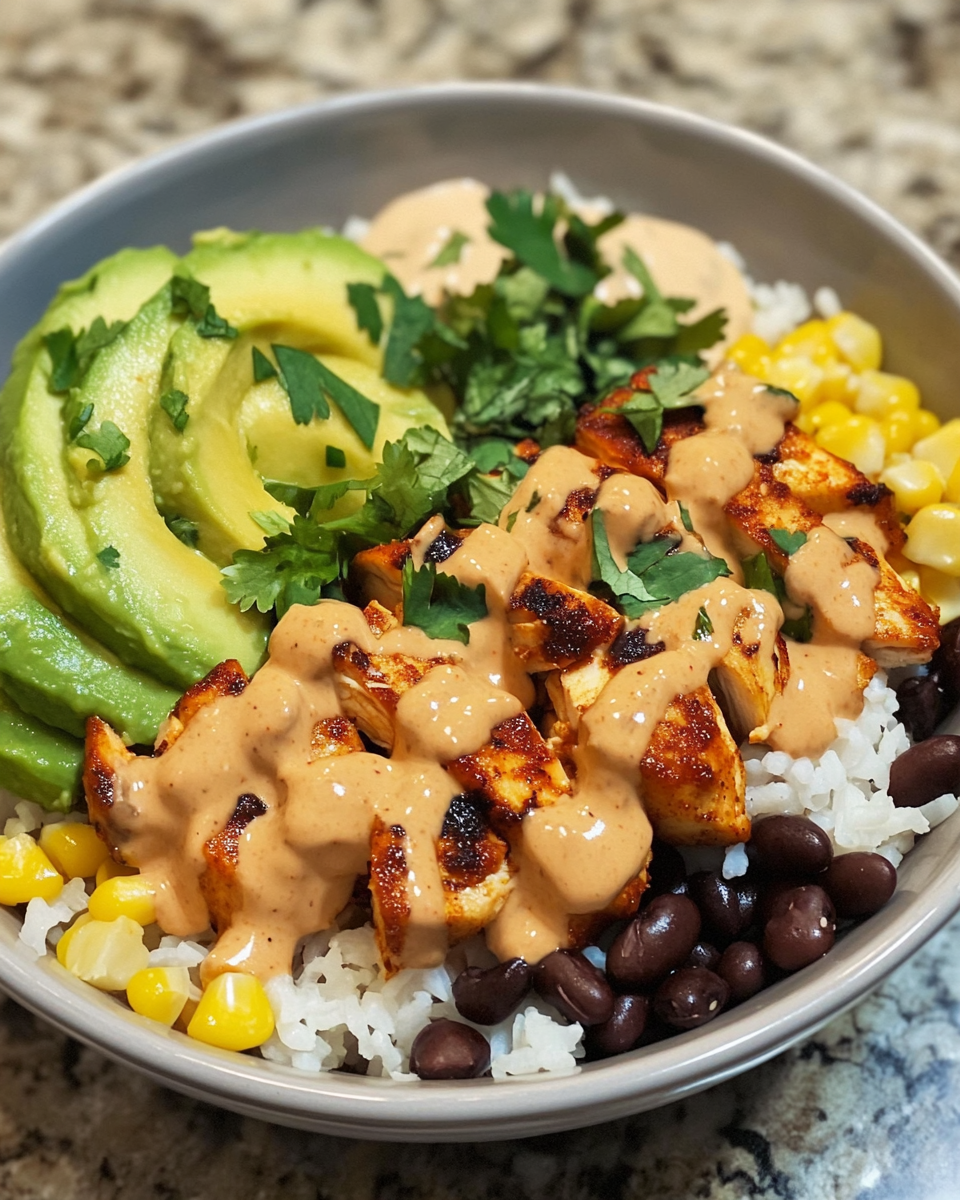
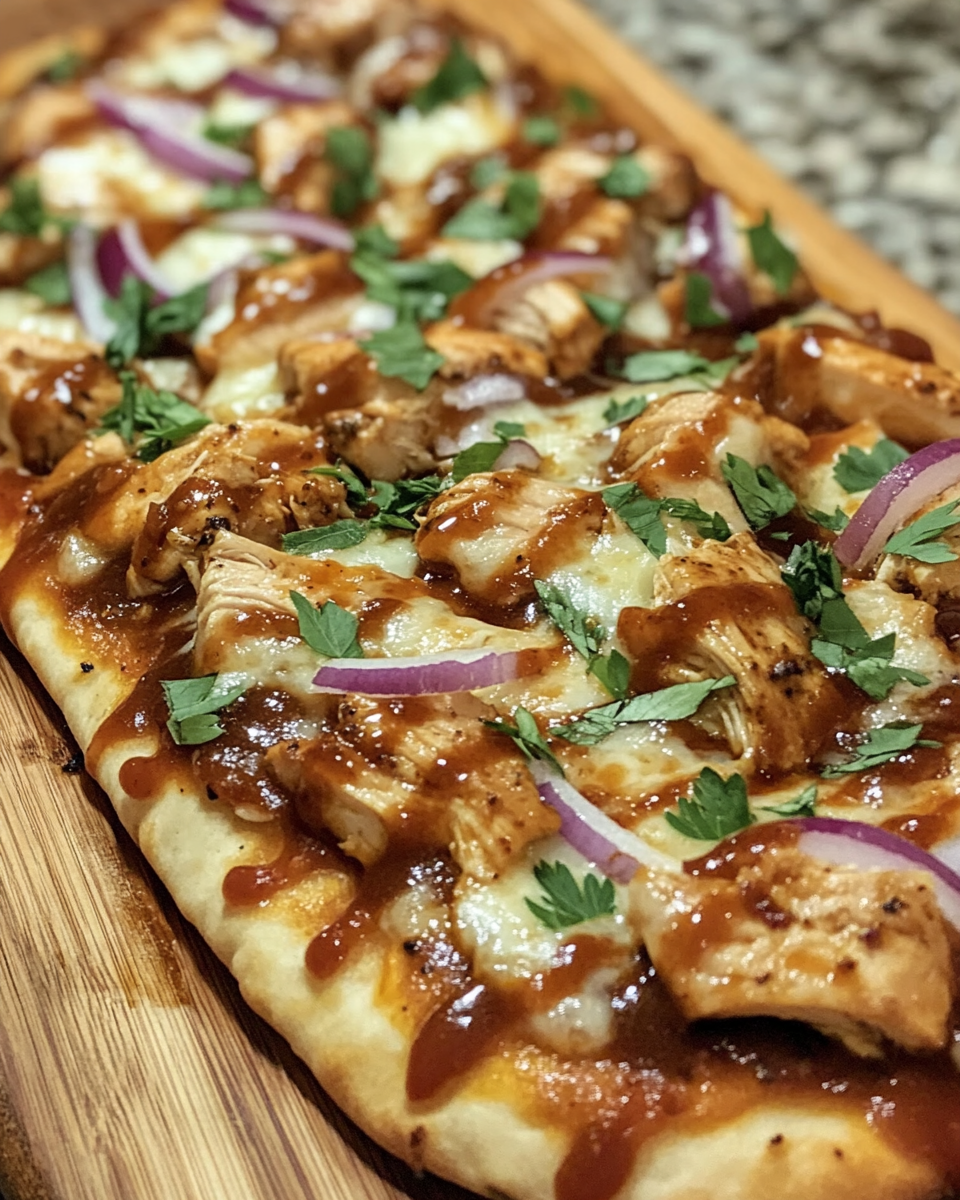
A slow cooker Greek chicken dish brings together tender chicken, citrus brightness, and herb-rich seasoning in a long, gentle cooking process. The result is a warm Mediterranean-style meal that fits easily into weeknight cooking or relaxed weekend meals.
This version uses a slow cooker to blend garlic, lemon, oregano, and olive oil into a fragrant sauce that soaks into every bite of chicken. As it cooks, the kitchen fills with a savory aroma that signals a hearty meal taking shape.
The finished dish pairs well with rice, potatoes, flatbread, or crisp vegetables. Each serving carries a balance of tangy citrus notes, herbal depth, and soft, juicy chicken texture.
Ingredients Overview

This recipe relies on classic Greek-inspired pantry items that work together to build layered flavor without complicated steps. Chicken thighs or breasts form the base, absorbing seasoning while remaining tender after long cooking.
Lemon juice and lemon zest bring brightness and a gentle acidity that balances the richness of olive oil. Garlic adds depth, while dried oregano provides the signature Mediterranean herb profile. Olive oil helps distribute flavor and keeps the chicken moist during slow cooking.
Chicken broth adds moisture and forms a light sauce at the bottom of the slow cooker. Red onion softens as it cooks, adding a subtle sweetness that complements the citrus. A small amount of honey rounds out sharp edges from lemon and garlic without making the dish sweet.
Optional additions like kalamata olives or sliced bell peppers can add texture and extra savory notes. Feta cheese, added at serving, gives a creamy, salty finish that contrasts with the warm chicken.
If chicken thighs are unavailable, chicken breasts can be used, though thighs generally remain juicier after extended cooking. Fresh oregano can replace dried oregano if available, but dried provides more concentrated flavor during slow cooking.
Ingredients
2 pounds boneless, skinless chicken thighs
1 red onion, sliced
4 cloves garlic, minced
1/3 cup olive oil
1/3 cup fresh lemon juice
1 tablespoon lemon zest
1 teaspoon dried oregano
1 teaspoon dried thyme
1/2 teaspoon paprika
1/2 teaspoon salt
1/4 teaspoon black pepper
1/2 cup chicken broth
1 tablespoon honey
1/2 cup sliced kalamata olives (optional)
1/2 cup crumbled feta cheese (for serving)
2 tablespoons chopped fresh parsley (for serving)
Step-by-Step Instructions

Start by preparing the slow cooker base. Place sliced red onion evenly across the bottom. This layer prevents chicken from sticking and allows onion flavor to rise gently through the dish.
Pat chicken thighs dry with a paper towel. This step helps seasoning stick more evenly and supports better texture after cooking. Arrange chicken over the onion layer in a single even layer.
In a separate bowl, combine olive oil, lemon juice, lemon zest, minced garlic, oregano, thyme, paprika, salt, black pepper, chicken broth, and honey. Whisk until the mixture looks well blended. The mixture should appear slightly emulsified from the olive oil and citrus juice.
Pour the mixture over the chicken, making sure each piece is coated. Lift pieces slightly so liquid spreads underneath. If using olives, scatter them across the top at this stage.
Cover the slow cooker with its lid. Cook on low heat for about 6 to 7 hours or on high heat for about 3 to 4 hours. Cooking duration may vary slightly depending on appliance strength and chicken thickness.
As cooking progresses, the chicken will become tender and begin to separate easily with a fork. The liquid will reduce slightly and form a light, flavorful sauce. Avoid lifting the lid frequently, as heat loss can extend cooking duration.
Once chicken reaches a tender texture and internal temperature is fully cooked, turn off heat. Let it rest inside the slow cooker for about 10 minutes. This short resting period allows juices to settle back into the meat.
Use tongs to transfer chicken to a serving dish. Spoon onion, olives, and sauce over the top. Sprinkle crumbled feta and chopped parsley before serving.
A common mistake is overcooking on high heat for too long, which may dry out chicken breast cuts. Using thighs reduces this risk. Another issue is under-seasoning the liquid mixture; tasting and adjusting seasoning before cooking helps avoid bland results.
Tips, Variations & Substitutions
Chicken thighs remain the most forgiving option for slow cooking due to their higher fat content. Chicken breasts can be used, but reducing cooking duration helps maintain tenderness.
For a stronger citrus profile, additional lemon zest can be added just before serving. This gives a bright aroma without increasing acidity during cooking.
Vegetable additions such as zucchini, cherry tomatoes, or bell peppers can be added during the final two hours of cooking. This keeps them from becoming overly soft.
For a richer sauce, a small spoon of Greek yogurt can be stirred into the sauce after cooking. This creates a creamier texture without overpowering the herb and lemon base.
If olives are not preferred, capers can provide a similar briny contrast. Fresh dill can also replace parsley for a slightly different herbal note.
Leftover chicken can be shredded and used in wraps, salads, or grain bowls. The sauce works well as a drizzle over roasted vegetables or rice.
Serving Ideas & Occasions
Slow cooker Greek chicken works well for family meals, meal prep portions, or relaxed gatherings. It pairs naturally with rice pilaf, roasted potatoes, couscous, or warm pita bread.
A simple side salad with cucumber, tomato, and olive oil dressing complements the warm chicken flavors. Steamed green beans or roasted carrots also pair well with the citrus-herb profile.
For a more filling plate, serve the chicken over orzo or quinoa to absorb the sauce. The combination creates a balanced meal with protein, grains, and vegetables.
This dish fits well for casual dinners, weekend meal prep sessions, or shared meals where serving from a single pot is convenient. The slow cooker keeps the dish warm for extended serving periods.
Nutritional & Health Notes
This dish provides a balance of lean protein, healthy fats, and moderate carbohydrates depending on serving choices. Chicken offers a strong protein base, supporting muscle maintenance and satiety.
Olive oil contributes monounsaturated fats, which are commonly included in Mediterranean-style eating patterns. Lemon juice adds flavor without significant calories, while garlic and herbs provide aromatic compounds.
Sodium levels may vary depending on broth and added salt, so adjusting seasoning allows control over salt intake. Adding vegetables increases fiber content and overall nutritional variety.
Feta cheese adds calcium and protein but also increases sodium and fat content, so portioning can be adjusted based on dietary preferences.
Overall, this meal fits into a balanced eating pattern when paired with vegetables and whole grains.
FAQs
Can chicken breasts be used instead of thighs?
Chicken breasts can be used in place of thighs. Since breasts contain less fat, they may become dry if cooked for extended periods. Reducing cooking duration slightly helps maintain tenderness. Checking internal temperature toward the end of cooking is important to avoid overcooking. Thighs remain more forgiving for slow cooking, but both options work in this recipe.
Can this dish be prepared ahead of cooking?
Ingredients can be prepared in advance by slicing onion, mixing the sauce, and storing everything separately in the refrigerator. Chicken should be added to the slow cooker just before starting the cooking process. Pre-mixing flavors ahead of time can deepen taste slightly, but avoid combining raw chicken with marinade for extended periods before cooking for safety reasons.
What sides pair well with this chicken?
Rice, roasted potatoes, couscous, or warm flatbread all pair well with this dish. Vegetables such as green beans, zucchini, or carrots also complement the lemon and herb profile. A simple salad with cucumber and tomato adds freshness to the plate and balances the warm cooked elements.
Can this recipe be frozen?
Cooked chicken can be frozen after cooling completely. Store in airtight containers with some sauce to maintain moisture. When reheating, thaw in the refrigerator and warm gently on the stove or microwave. Texture remains fairly stable, especially when stored with sauce.
Can additional vegetables be added during cooking?
Yes, vegetables such as bell peppers, zucchini, or cherry tomatoes can be added. It is recommended to add them during the second half of cooking so they maintain structure. Root vegetables require longer cooking and can be added earlier if desired.
Is fresh oregano suitable for this recipe?
Fresh oregano can be used in place of dried oregano. Since fresh herbs are milder, a slightly larger quantity is often used. Adding a portion near the end of cooking can also help retain herbal brightness.
What can be done with leftovers?
Leftovers can be shredded and used in wraps, sandwiches, or salads. The chicken also works well mixed into grain bowls with rice or quinoa. Remaining sauce can be spooned over vegetables or reused as a flavor base for other meals.
………………..
Description: