Roasted Vegetable Quinoa Bowl: 7 Ultimate Comforting Meals

Posted on

Recent Posts, Veggies

Difficulty

Prep time

Cooking time

Total time

Servings

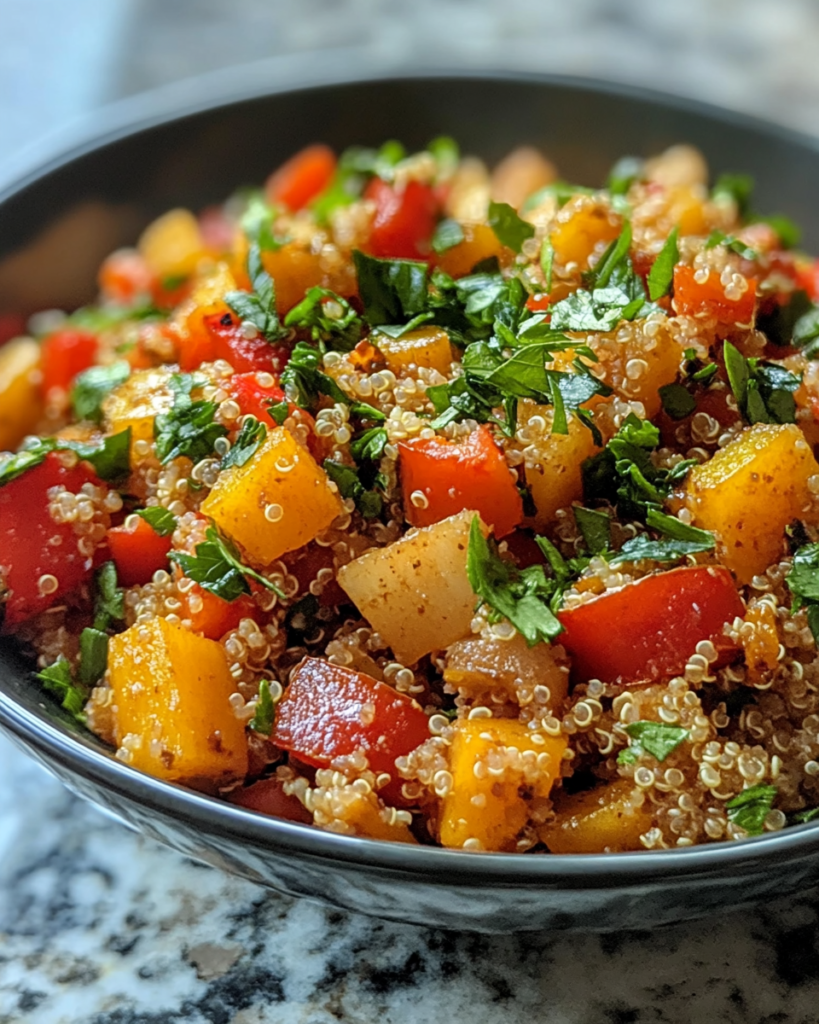
A roasted vegetable quinoa bowl is a nourishing, colorful dish that brings together wholesome grains and caramelized vegetables in one satisfying meal. The combination of fluffy quinoa and oven-roasted produce creates a balance of texture and flavor that feels hearty without being heavy.

This roasted vegetable quinoa bowl works beautifully for both busy weeknights and relaxed weekend cooking. The vegetables develop a deep, slightly sweet flavor in the oven, while quinoa provides a soft, nutty base that ties everything together.

With simple ingredients and flexible options, this dish easily adapts to different tastes and dietary needs. It’s a dependable choice for meal prep, family dinners, or a vibrant lunch that holds up well throughout the day.

Ingredients Overview
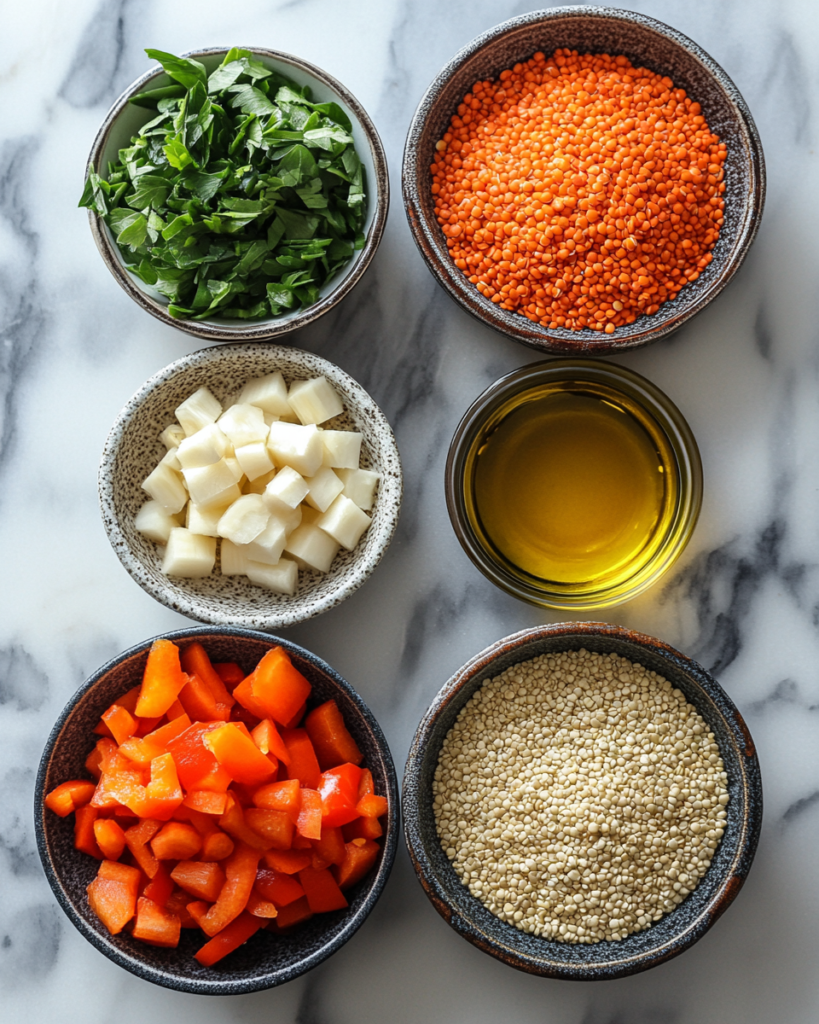
The foundation of a roasted vegetable quinoa bowl starts with quinoa, a protein-rich grain known for its light texture and mild, nutty flavor. When cooked properly, quinoa becomes fluffy and slightly chewy, making it an ideal base for roasted vegetables. Rinsing it before cooking removes any bitterness and improves the overall taste.

Vegetables are the highlight of this dish. Common choices include bell peppers, zucchini, carrots, red onions, and broccoli. These vegetables roast well because they hold their structure while developing caramelized edges. The roasting process draws out natural sweetness and adds depth, which pairs perfectly with the neutral flavor of quinoa.

Olive oil plays a key role in roasting, helping vegetables brown evenly while adding richness. A simple blend of salt, black pepper, and garlic powder enhances the natural flavors without overpowering them. Herbs such as thyme or oregano add a subtle aromatic touch.

For added texture and richness, ingredients like chickpeas, feta cheese, or avocado can be included. Chickpeas bring extra protein and a slightly crisp bite when roasted, while feta adds a creamy, tangy contrast. Avocado introduces a smooth element that balances the roasted components.

If needed, quinoa can be replaced with brown rice or couscous, though cooking times and textures will vary. Similarly, seasonal vegetables can be swapped in based on availability, making this dish versatile throughout the year.

Ingredients

1 cup quinoa, rinsed
2 cups water or vegetable broth
1 red bell pepper, chopped
1 yellow bell pepper, chopped
1 zucchini, sliced
1 cup broccoli florets
1 large carrot, peeled and sliced
1 small red onion, cut into wedges
1 cup canned chickpeas, drained and rinsed
3 tablespoons olive oil
1 teaspoon garlic powder
1/2 teaspoon dried oregano
1/2 teaspoon salt
1/4 teaspoon black pepper
1/4 teaspoon paprika
1/4 cup crumbled feta cheese (optional)
1 avocado, sliced (optional)
2 tablespoons fresh parsley, chopped
Juice of 1 lemon

Step-by-Step Instructions
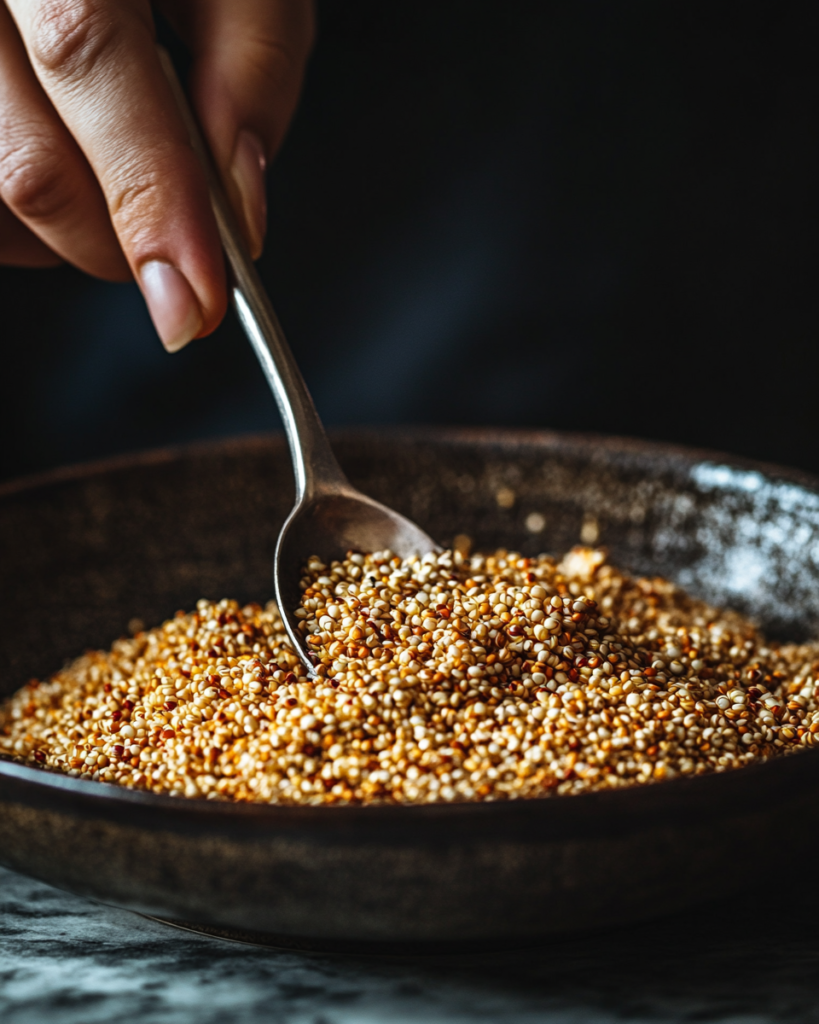
Begin by preheating the oven to 400°F (200°C). Line a large baking sheet with parchment paper to prevent sticking and allow for easy cleanup.

In a large bowl, combine the chopped bell peppers, zucchini, broccoli, carrot, red onion, and chickpeas. Drizzle with olive oil, then sprinkle in garlic powder, oregano, salt, black pepper, and paprika. Toss everything together until the vegetables are evenly coated.

Spread the vegetables in a single layer on the prepared baking sheet. Avoid overcrowding, as this can cause steaming instead of roasting. If needed, use two baking sheets.

Place the vegetables in the oven and roast for 25 to 30 minutes. Halfway through cooking, stir them gently to promote even browning. The vegetables are ready when they are tender and have slightly crisp, golden edges.

While the vegetables roast, cook the quinoa. In a medium saucepan, combine the rinsed quinoa and water or vegetable broth. Bring to a boil over medium-high heat, then reduce to low, cover, and simmer for about 15 minutes. Once the liquid is absorbed, remove from heat and let it sit covered for 5 minutes. Fluff with a fork.

Once both components are ready, assemble the bowls. Divide the quinoa into serving bowls and top with the roasted vegetables. Add crumbled feta cheese and sliced avocado if using.

Finish with a squeeze of fresh lemon juice and a sprinkle of chopped parsley. Serve immediately while warm.

A common mistake is under-seasoning the vegetables before roasting. Make sure they are well-coated with oil and spices. Another issue is overcooking quinoa, which can make it mushy. Keep an eye on the timing and fluff it gently to maintain texture.

Tips, Variations & Substitutions

This roasted vegetable quinoa bowl can be adjusted in many ways depending on preference. For a deeper flavor, add a pinch of cumin or smoked paprika to the vegetables before roasting. A drizzle of tahini or a simple yogurt sauce can add a creamy element.

If you prefer a plant-based version, skip the feta cheese or replace it with a dairy-free alternative. Roasted tofu or tempeh can also be added for extra protein and texture.

Seasonal swaps work well in this recipe. In cooler months, try sweet potatoes, Brussels sprouts, or butternut squash. During warmer seasons, asparagus or cherry tomatoes can bring a lighter feel.

For a grain variation, substitute quinoa with farro, brown rice, or even cauliflower rice for a lower-carb option. Cooking times and liquid ratios will differ, so adjust accordingly.

To add crunch, sprinkle toasted nuts or seeds such as almonds, sunflower seeds, or pumpkin seeds over the finished bowl. These small additions can create a more layered eating experience.

Serving Ideas & Occasions

A roasted vegetable quinoa bowl fits naturally into both casual and planned meals. It works well as a standalone lunch or dinner, offering a balanced mix of grains, vegetables, and optional protein.

Serve it alongside a simple green salad or a light soup for a more complete spread. Warm pita bread or crusty whole-grain bread can also complement the dish nicely.

For gatherings, these bowls can be set up as a build-your-own station, allowing guests to choose their preferred toppings. This makes it especially useful for accommodating different dietary preferences.

It’s also a practical choice for meal prep. The components can be stored separately and combined when ready to eat, maintaining freshness throughout the week.

Pair with refreshing drinks such as iced herbal tea, sparkling water with lemon, or a light white wine for a relaxed meal setting.

Nutritional & Health Notes

This roasted vegetable quinoa bowl provides a balanced combination of carbohydrates, plant-based protein, and healthy fats. Quinoa is a complete protein, meaning it contains all essential amino acids, making it especially valuable in vegetarian meals.

The variety of vegetables contributes fiber, vitamins, and minerals, supporting overall dietary balance. Roasting preserves much of their nutritional value while enhancing flavor.

Olive oil adds healthy fats that help with nutrient absorption, particularly for fat-soluble vitamins found in vegetables. Adding avocado or nuts can further increase beneficial fats.

Portion control plays a role in maintaining balance. While the ingredients are wholesome, keeping an eye on added fats and toppings can help tailor the dish to individual needs.

This meal is naturally gluten-free and can be adjusted to suit dairy-free or vegan preferences with simple swaps.

FAQs

Can I make roasted vegetable quinoa bowl ahead of time?

Yes, this dish is well-suited for advance preparation. You can cook the quinoa and roast the vegetables up to three days in advance. Store them in separate airtight containers in the refrigerator to maintain texture and flavor. When ready to eat, reheat the vegetables in the oven or microwave and combine with the quinoa. Adding fresh toppings like avocado or herbs just before serving helps keep the dish vibrant. Keeping components separate also prevents the quinoa from becoming soggy.

How do I keep quinoa from becoming mushy?

The key is using the correct ratio of liquid to quinoa and avoiding overcooking. Typically, one cup of quinoa to two cups of liquid works well. Once the liquid is absorbed, remove it from heat and let it sit covered for a few minutes. Fluff gently with a fork instead of stirring aggressively. Rinsing quinoa before cooking also helps remove excess starch, which can contribute to a sticky texture.

Can I freeze roasted vegetable quinoa bowl?

You can freeze the quinoa and roasted vegetables, but some texture changes may occur. Quinoa freezes well and reheats without much loss of quality. Vegetables may soften slightly after thawing. For best results, freeze them in separate containers and reheat in the oven to restore some crispness. Avoid freezing fresh toppings like avocado or cheese, as they do not hold up well in freezing conditions.

What vegetables work best for roasting?

Vegetables that hold their structure and caramelize well are ideal. Options include carrots, broccoli, cauliflower, bell peppers, zucchini, and onions. Root vegetables like sweet potatoes and parsnips also work nicely. Try to cut them into similar sizes to promote even cooking. Softer vegetables should be added later or cut larger to prevent overcooking.

Is this recipe suitable for a vegan diet?

Yes, it can easily be made vegan by omitting the feta cheese or replacing it with a plant-based alternative. The base of quinoa and roasted vegetables is already vegan-friendly. Adding chickpeas or tofu boosts protein while keeping the dish fully plant-based. Dressings like tahini or lemon vinaigrette also pair well without introducing animal products.

How can I add more protein to this dish?

There are several ways to increase protein content. Adding roasted chickpeas, grilled tofu, or tempeh are popular options. You can also include cooked lentils or a sprinkle of seeds like hemp or pumpkin seeds. If not following a plant-based diet, grilled chicken or a soft-boiled egg can complement the bowl without overpowering its flavors.

What dressing goes well with roasted vegetable quinoa bowl?

A simple dressing can tie all the components together. Lemon juice with olive oil and a pinch of salt is a classic choice. Tahini-based sauces add a creamy texture, while a light vinaigrette with mustard and honey can bring a gentle tang. The goal is to complement the roasted vegetables without masking their flavor, so keep the dressing balanced and not overly heavy.v

[rank_math_breadcrumb]

Roasted Vegetable Quinoa Bowl: 7 Ultimate Comforting Meals

Photo of author
Author: Ava
Published:

A roasted vegetable quinoa bowl is a nourishing, colorful dish that brings together wholesome grains and caramelized vegetables in one satisfying meal. The combination of fluffy quinoa and oven-roasted produce creates a balance of texture and flavor that feels hearty without being heavy.

This roasted vegetable quinoa bowl works beautifully for both busy weeknights and relaxed weekend cooking. The vegetables develop a deep, slightly sweet flavor in the oven, while quinoa provides a soft, nutty base that ties everything together.

With simple ingredients and flexible options, this dish easily adapts to different tastes and dietary needs. It’s a dependable choice for meal prep, family dinners, or a vibrant lunch that holds up well throughout the day.

Ingredients Overview

The foundation of a roasted vegetable quinoa bowl starts with quinoa, a protein-rich grain known for its light texture and mild, nutty flavor. When cooked properly, quinoa becomes fluffy and slightly chewy, making it an ideal base for roasted vegetables. Rinsing it before cooking removes any bitterness and improves the overall taste.

Vegetables are the highlight of this dish. Common choices include bell peppers, zucchini, carrots, red onions, and broccoli. These vegetables roast well because they hold their structure while developing caramelized edges. The roasting process draws out natural sweetness and adds depth, which pairs perfectly with the neutral flavor of quinoa.

Olive oil plays a key role in roasting, helping vegetables brown evenly while adding richness. A simple blend of salt, black pepper, and garlic powder enhances the natural flavors without overpowering them. Herbs such as thyme or oregano add a subtle aromatic touch.

For added texture and richness, ingredients like chickpeas, feta cheese, or avocado can be included. Chickpeas bring extra protein and a slightly crisp bite when roasted, while feta adds a creamy, tangy contrast. Avocado introduces a smooth element that balances the roasted components.

If needed, quinoa can be replaced with brown rice or couscous, though cooking times and textures will vary. Similarly, seasonal vegetables can be swapped in based on availability, making this dish versatile throughout the year.

Ingredients

1 cup quinoa, rinsed
2 cups water or vegetable broth
1 red bell pepper, chopped
1 yellow bell pepper, chopped
1 zucchini, sliced
1 cup broccoli florets
1 large carrot, peeled and sliced
1 small red onion, cut into wedges
1 cup canned chickpeas, drained and rinsed
3 tablespoons olive oil
1 teaspoon garlic powder
1/2 teaspoon dried oregano
1/2 teaspoon salt
1/4 teaspoon black pepper
1/4 teaspoon paprika
1/4 cup crumbled feta cheese (optional)
1 avocado, sliced (optional)
2 tablespoons fresh parsley, chopped
Juice of 1 lemon

Step-by-Step Instructions

Begin by preheating the oven to 400°F (200°C). Line a large baking sheet with parchment paper to prevent sticking and allow for easy cleanup.

In a large bowl, combine the chopped bell peppers, zucchini, broccoli, carrot, red onion, and chickpeas. Drizzle with olive oil, then sprinkle in garlic powder, oregano, salt, black pepper, and paprika. Toss everything together until the vegetables are evenly coated.

Spread the vegetables in a single layer on the prepared baking sheet. Avoid overcrowding, as this can cause steaming instead of roasting. If needed, use two baking sheets.

Place the vegetables in the oven and roast for 25 to 30 minutes. Halfway through cooking, stir them gently to promote even browning. The vegetables are ready when they are tender and have slightly crisp, golden edges.

While the vegetables roast, cook the quinoa. In a medium saucepan, combine the rinsed quinoa and water or vegetable broth. Bring to a boil over medium-high heat, then reduce to low, cover, and simmer for about 15 minutes. Once the liquid is absorbed, remove from heat and let it sit covered for 5 minutes. Fluff with a fork.

Once both components are ready, assemble the bowls. Divide the quinoa into serving bowls and top with the roasted vegetables. Add crumbled feta cheese and sliced avocado if using.

Finish with a squeeze of fresh lemon juice and a sprinkle of chopped parsley. Serve immediately while warm.

A common mistake is under-seasoning the vegetables before roasting. Make sure they are well-coated with oil and spices. Another issue is overcooking quinoa, which can make it mushy. Keep an eye on the timing and fluff it gently to maintain texture.

Tips, Variations & Substitutions

This roasted vegetable quinoa bowl can be adjusted in many ways depending on preference. For a deeper flavor, add a pinch of cumin or smoked paprika to the vegetables before roasting. A drizzle of tahini or a simple yogurt sauce can add a creamy element.

If you prefer a plant-based version, skip the feta cheese or replace it with a dairy-free alternative. Roasted tofu or tempeh can also be added for extra protein and texture.

Seasonal swaps work well in this recipe. In cooler months, try sweet potatoes, Brussels sprouts, or butternut squash. During warmer seasons, asparagus or cherry tomatoes can bring a lighter feel.

For a grain variation, substitute quinoa with farro, brown rice, or even cauliflower rice for a lower-carb option. Cooking times and liquid ratios will differ, so adjust accordingly.

To add crunch, sprinkle toasted nuts or seeds such as almonds, sunflower seeds, or pumpkin seeds over the finished bowl. These small additions can create a more layered eating experience.

Serving Ideas & Occasions

A roasted vegetable quinoa bowl fits naturally into both casual and planned meals. It works well as a standalone lunch or dinner, offering a balanced mix of grains, vegetables, and optional protein.

Serve it alongside a simple green salad or a light soup for a more complete spread. Warm pita bread or crusty whole-grain bread can also complement the dish nicely.

For gatherings, these bowls can be set up as a build-your-own station, allowing guests to choose their preferred toppings. This makes it especially useful for accommodating different dietary preferences.

It’s also a practical choice for meal prep. The components can be stored separately and combined when ready to eat, maintaining freshness throughout the week.

Pair with refreshing drinks such as iced herbal tea, sparkling water with lemon, or a light white wine for a relaxed meal setting.

Nutritional & Health Notes

This roasted vegetable quinoa bowl provides a balanced combination of carbohydrates, plant-based protein, and healthy fats. Quinoa is a complete protein, meaning it contains all essential amino acids, making it especially valuable in vegetarian meals.

The variety of vegetables contributes fiber, vitamins, and minerals, supporting overall dietary balance. Roasting preserves much of their nutritional value while enhancing flavor.

Olive oil adds healthy fats that help with nutrient absorption, particularly for fat-soluble vitamins found in vegetables. Adding avocado or nuts can further increase beneficial fats.

Portion control plays a role in maintaining balance. While the ingredients are wholesome, keeping an eye on added fats and toppings can help tailor the dish to individual needs.

This meal is naturally gluten-free and can be adjusted to suit dairy-free or vegan preferences with simple swaps.

FAQs

Can I make roasted vegetable quinoa bowl ahead of time?

Yes, this dish is well-suited for advance preparation. You can cook the quinoa and roast the vegetables up to three days in advance. Store them in separate airtight containers in the refrigerator to maintain texture and flavor. When ready to eat, reheat the vegetables in the oven or microwave and combine with the quinoa. Adding fresh toppings like avocado or herbs just before serving helps keep the dish vibrant. Keeping components separate also prevents the quinoa from becoming soggy.

How do I keep quinoa from becoming mushy?

The key is using the correct ratio of liquid to quinoa and avoiding overcooking. Typically, one cup of quinoa to two cups of liquid works well. Once the liquid is absorbed, remove it from heat and let it sit covered for a few minutes. Fluff gently with a fork instead of stirring aggressively. Rinsing quinoa before cooking also helps remove excess starch, which can contribute to a sticky texture.

Can I freeze roasted vegetable quinoa bowl?

You can freeze the quinoa and roasted vegetables, but some texture changes may occur. Quinoa freezes well and reheats without much loss of quality. Vegetables may soften slightly after thawing. For best results, freeze them in separate containers and reheat in the oven to restore some crispness. Avoid freezing fresh toppings like avocado or cheese, as they do not hold up well in freezing conditions.

What vegetables work best for roasting?

Vegetables that hold their structure and caramelize well are ideal. Options include carrots, broccoli, cauliflower, bell peppers, zucchini, and onions. Root vegetables like sweet potatoes and parsnips also work nicely. Try to cut them into similar sizes to promote even cooking. Softer vegetables should be added later or cut larger to prevent overcooking.

Is this recipe suitable for a vegan diet?

Yes, it can easily be made vegan by omitting the feta cheese or replacing it with a plant-based alternative. The base of quinoa and roasted vegetables is already vegan-friendly. Adding chickpeas or tofu boosts protein while keeping the dish fully plant-based. Dressings like tahini or lemon vinaigrette also pair well without introducing animal products.

How can I add more protein to this dish?

There are several ways to increase protein content. Adding roasted chickpeas, grilled tofu, or tempeh are popular options. You can also include cooked lentils or a sprinkle of seeds like hemp or pumpkin seeds. If not following a plant-based diet, grilled chicken or a soft-boiled egg can complement the bowl without overpowering its flavors.

What dressing goes well with roasted vegetable quinoa bowl?

A simple dressing can tie all the components together. Lemon juice with olive oil and a pinch of salt is a classic choice. Tahini-based sauces add a creamy texture, while a light vinaigrette with mustard and honey can bring a gentle tang. The goal is to complement the roasted vegetables without masking their flavor, so keep the dressing balanced and not overly heavy.v
Name

Lorem ipsum dolor sit amet, consectetur adipiscing elit. Suspendisse varius enim in eros elementum tristique. Duis cursus, mi quis viverra ornare, eros dolor interdum nulla, ut commodo diam libero vitae erat.

You Might Also Like...

Buffalo Ranch Chicken Thighs: 5 Quick Cozy Bakes

Buffalo Ranch Chicken Thighs: 5 Quick Cozy Bakes

Crispy Air Fryer Chicken Thighs: 5 Amazing Cozy Meals

Crispy Air Fryer Chicken Thighs: 5 Amazing Cozy Meals

Lemon Herb Oven Chicken Thighs: 5 Remarkable Cozy Plates

Lemon Herb Oven Chicken Thighs: 5 Remarkable Cozy Plates

Creamy Garlic Parmesan Chicken: 5 Amazing Happy Plates

Creamy Garlic Parmesan Chicken: 5 Amazing Happy Plates

Tags:

You might also like these recipes

Leave a Comment