Roasted Red Pepper Chicken Skillet: 7 Wonderful Cozy Meals

Posted on

Uncategorized

Difficulty

Prep time

Cooking time

Total time

Servings

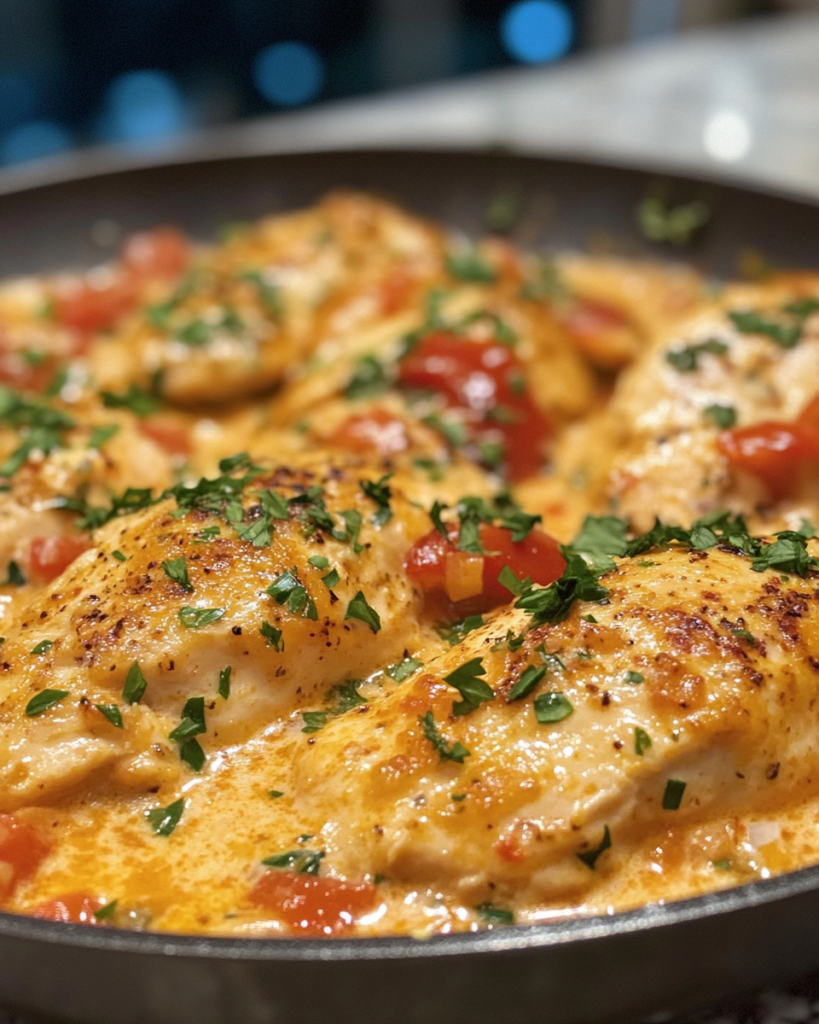
Roasted Red Pepper Chicken Skillet is a rich and comforting dinner packed with tender chicken, smoky roasted peppers, garlic, and a creamy savory sauce. Everything cooks together in one pan, making this recipe practical for busy evenings while still tasting like a carefully prepared homemade meal.

The roasted red peppers bring gentle sweetness and deep flavor that pairs beautifully with juicy chicken thighs or breasts. Garlic, onion, herbs, and Parmesan cheese help create a silky skillet sauce that coats every bite. This recipe feels hearty without becoming too heavy, making it suitable for family dinners throughout the year.

Another reason many home cooks enjoy Roasted Red Pepper Chicken Skillet is its flexibility. It pairs well with pasta, rice, mashed cauliflower, roasted vegetables, or crusty bread. The creamy sauce also reheats nicely, making leftovers perfect for lunch or meal prep.

The aroma of garlic and roasted peppers filling the kitchen during cooking makes this dish especially inviting. The sauce develops rich flavor as it simmers gently around the chicken, while fresh herbs brighten the final dish before serving.

Ingredients Overview
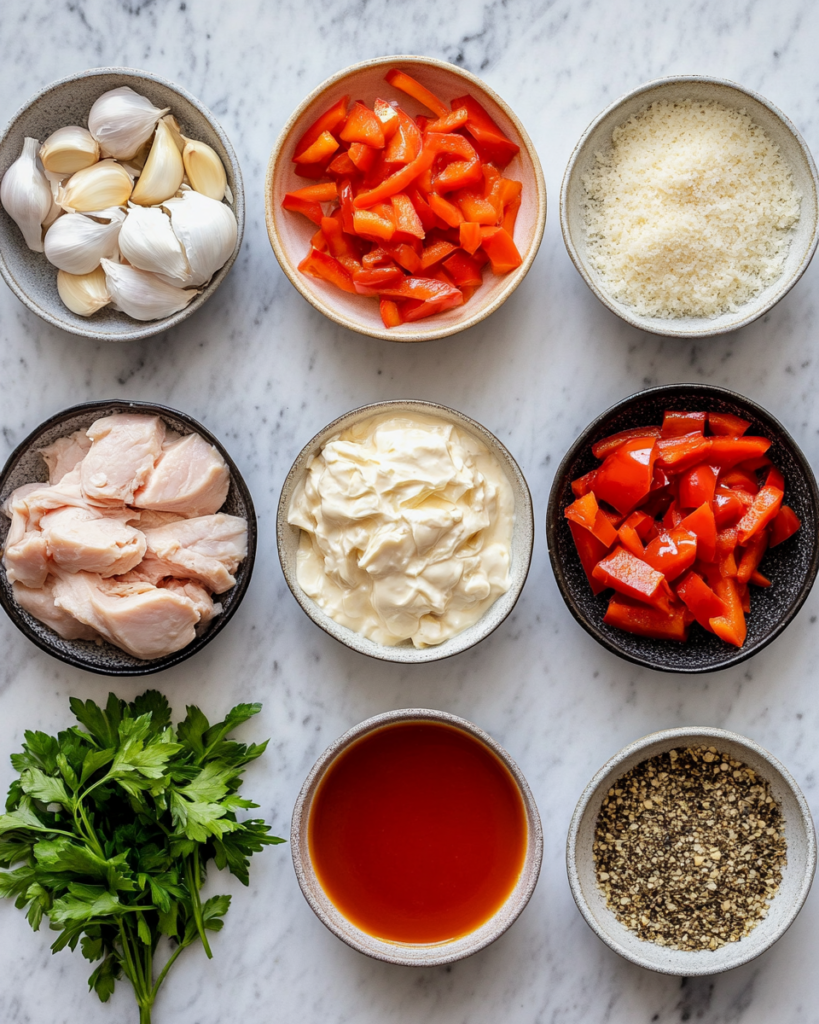
Chicken is the main protein in this skillet recipe. Boneless skinless chicken thighs remain especially tender and flavorful during cooking, though chicken breasts also work well for a leaner option. Thighs usually stay juicier because of their higher fat content.

Roasted red peppers give the dish its signature flavor. Jarred roasted peppers are convenient and dependable, though homemade roasted peppers may also be used. Their smoky sweetness balances the creamy sauce and savory chicken.

Garlic and onion form the aromatic base of the skillet. Fresh garlic creates deep flavor while onion softens into the sauce and adds subtle sweetness. Yellow onion works especially well because it cooks down smoothly.

Heavy cream creates the silky texture of the sauce. Half-and-half may be substituted for a lighter consistency, though the sauce will not become quite as rich. Parmesan cheese thickens the sauce slightly while adding savory depth.

Chicken broth helps loosen the sauce and keeps the skillet from becoming too thick. Italian seasoning blends the herbs together and pairs naturally with roasted peppers and garlic.

Olive oil helps brown the chicken properly before the sauce ingredients are added. Fresh parsley brightens the finished skillet and adds color just before serving.

Spinach may also be stirred into the sauce during the final minutes for extra texture and color. Some cooks add mushrooms or sun-dried tomatoes for additional savory flavor.

Ingredients

2 pounds boneless skinless chicken thighs
2 tablespoons olive oil
1 teaspoon salt
1/2 teaspoon black pepper
1 teaspoon paprika
1 small yellow onion, diced
4 cloves garlic, minced
1 1/2 cups roasted red peppers, sliced
1 teaspoon Italian seasoning
1/2 teaspoon crushed red pepper flakes
1 cup chicken broth
3/4 cup heavy cream
1/2 cup grated Parmesan cheese
2 cups fresh spinach
2 tablespoons chopped fresh parsley

Step-by-Step Instructions
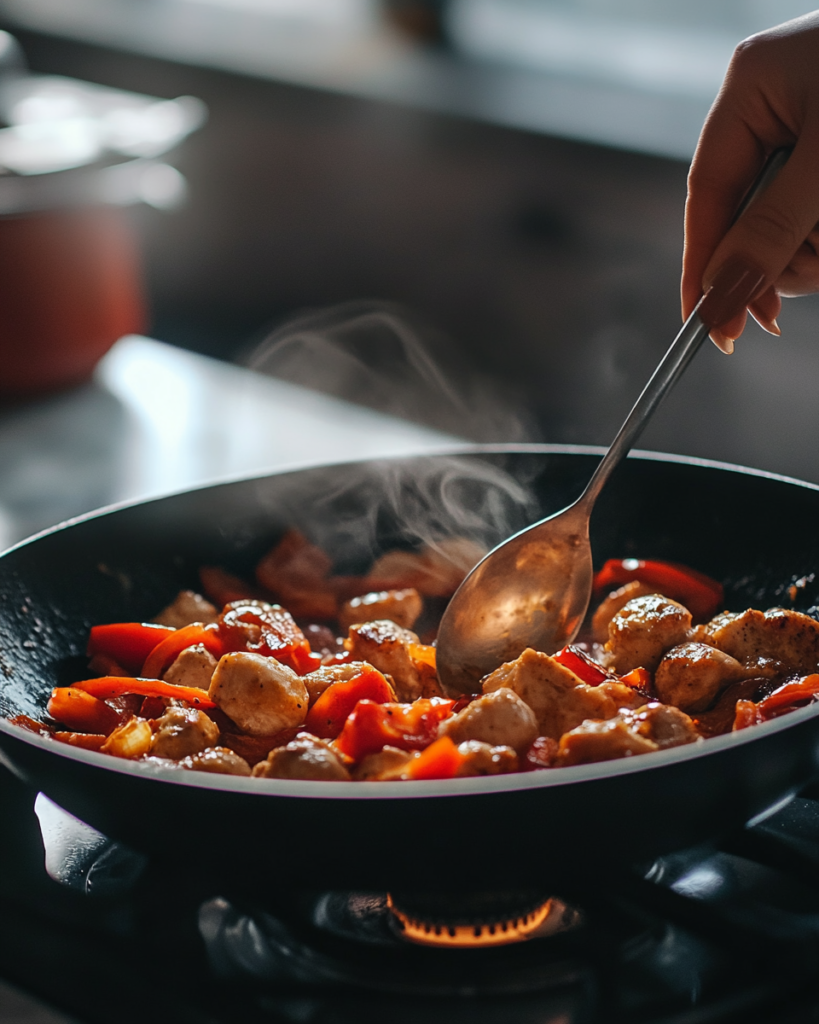
Begin by patting the chicken dry with paper towels. Dry chicken browns more evenly and develops better flavor in the skillet. Season both sides with salt, black pepper, and paprika.

Heat olive oil in a large skillet over medium-high heat. Once the oil is hot, place the chicken into the skillet in a single layer. Cook for about 5 to 6 minutes on each side until golden brown. The chicken does not need to be fully cooked yet because it will finish simmering in the sauce later.

Transfer the browned chicken to a plate and lower the heat slightly. Add the diced onion to the same skillet. Cook for about 4 minutes until softened and lightly golden. Stir occasionally to prevent sticking.

Add the minced garlic and cook for about 30 seconds until fragrant. Stir constantly because garlic may burn quickly if left untouched over high heat.

Mix in the roasted red peppers, Italian seasoning, and crushed red pepper flakes. Cook for another 2 minutes so the flavors blend together.

Pour the chicken broth into the skillet and scrape the bottom gently with a wooden spoon. This step lifts flavorful browned bits from the pan into the sauce.

Reduce the heat to medium-low and stir in the heavy cream. Allow the sauce to simmer gently for about 3 minutes. Avoid boiling the cream heavily because high heat may cause separation.

Add the Parmesan cheese gradually while stirring. The cheese melts into the sauce and slightly thickens the mixture.

Return the chicken and any collected juices to the skillet. Spoon some sauce over the chicken pieces. Cover loosely and simmer for 10 to 15 minutes until the chicken reaches an internal temperature of 165 degrees Fahrenheit.

Stir in the spinach during the final 2 minutes of cooking. The leaves wilt quickly into the warm sauce without overcooking.

Taste the sauce and adjust seasoning if needed. Scatter fresh parsley over the skillet before serving.

One common mistake is overcrowding the skillet while browning the chicken. Crowded chicken releases moisture instead of forming a golden crust. Another issue comes from overheating the cream sauce. Gentle simmering keeps the sauce smooth and rich.

If the sauce becomes too thick, stir in a splash of additional chicken broth. If it feels too thin, simmer uncovered for a few more minutes.

Tips, Variations & Substitutions

Chicken breasts may replace thighs for a leaner version of the dish. Slice large chicken breasts into thinner cutlets so they cook evenly and remain tender.

For extra smoky flavor, add a small spoonful of smoked paprika. This works especially well with the roasted peppers and creamy sauce.

Mushrooms make a tasty addition to the skillet. Sauté them after cooking the onions so they release moisture and develop rich flavor before the sauce ingredients are added.

Those avoiding dairy may replace heavy cream with unsweetened coconut cream. Dairy-free Parmesan substitutes may also work, though the flavor changes slightly.

Pasta lovers often serve this skillet over penne or fettuccine. Low-carb eaters may pair it with cauliflower rice or roasted zucchini instead.

Fresh basil can replace parsley for a sweeter herb finish. Some cooks also stir in a little cream cheese for an even thicker sauce.

Leftovers store well in airtight containers for up to four days in the refrigerator. Reheat gently over low heat to keep the sauce smooth.

Serving Ideas & Occasions

Roasted Red Pepper Chicken Skillet pairs beautifully with many side dishes. Garlic mashed potatoes, buttered noodles, rice, roasted broccoli, or crusty bread all work nicely with the creamy sauce.

For lighter meals, serve the chicken beside a crisp green salad with lemon vinaigrette. The bright salad balances the richness of the creamy skillet sauce.

Sparkling water with lemon, unsweetened iced tea, or dry white wine pair nicely with the roasted pepper flavor. The creamy garlic sauce also complements simple vegetable sides such as asparagus or green beans.

This recipe fits busy weeknight dinners because it cooks in one skillet with simple cleanup. It also works well for casual gatherings since the colorful sauce and herbs create an inviting presentation at the table.

The rich sauce makes the dish comforting during cooler months, though the roasted peppers and herbs keep it suitable for spring and summer dinners too.

Nutritional & Health Notes

Chicken provides protein that helps make this meal filling and satisfying. Chicken thighs contain slightly more fat than chicken breast, though they also stay tender during skillet cooking.

Roasted red peppers contain vitamin C and natural sweetness without requiring sugary sauces. Spinach adds color, fiber, and additional nutrients to the dish.

Heavy cream and Parmesan cheese create richness and creamy texture. Using smaller portions alongside vegetables or salad may help balance the meal.

Olive oil contributes healthy fats while helping the chicken brown evenly in the skillet. Garlic and herbs build flavor naturally without depending heavily on excess salt.

This recipe may fit lower-carb meal plans when served with vegetables instead of pasta or bread. Adjusting side dishes allows flexibility depending on dietary goals and preferences.

Cooking the chicken fully to 165 degrees Fahrenheit supports proper food safety while still keeping the meat tender and juicy.

FAQs

Can I use chicken breasts instead of thighs?

Yes, chicken breasts work well in this skillet recipe. Thinly sliced breasts or cutlets cook more evenly and stay tender more easily than very thick pieces. Since chicken breasts contain less fat than thighs, avoid overcooking them because they may dry out faster. Brown the chicken until lightly golden, then finish cooking gently in the sauce. The creamy roasted red pepper mixture helps keep the chicken moist while adding plenty of flavor. Many cooks prefer thighs for richer texture, though breasts create a lighter version of the dish.

Can I make this recipe ahead of time?

This dish works very well for meal prep and reheating. Prepare the full skillet, allow it to cool slightly, and store it in airtight containers in the refrigerator for up to four days. Reheat gently on the stovetop over low heat or in the microwave using short intervals. If the sauce thickens too much after refrigeration, add a splash of chicken broth or cream while reheating. The roasted pepper flavor often becomes even richer after resting overnight, making leftovers especially flavorful the next day.

Are jarred roasted red peppers okay to use?

Jarred roasted red peppers are excellent for this recipe and save preparation time. Drain them well before slicing so excess liquid does not thin the sauce too much. Many cooks prefer jarred peppers because they provide dependable smoky flavor year-round. Homemade roasted peppers also work nicely if you have fresh peppers available. Roast them until the skins darken, then peel and slice them before adding to the skillet. Both methods create rich flavor that blends beautifully with garlic and cream.

How do I keep the cream sauce from separating?

Gentle heat is very important when cooking cream sauces. After adding heavy cream, lower the heat to medium-low and allow the sauce to simmer softly rather than boil heavily. Stirring occasionally also helps maintain a smooth texture. Parmesan cheese should be added gradually while stirring so it melts evenly into the sauce. If the skillet becomes too hot, the dairy may separate or look grainy. Using full-fat cream instead of lower-fat milk products also helps the sauce remain stable during cooking.

What vegetables pair well with this skillet?

Many vegetables work nicely beside Roasted Red Pepper Chicken Skillet. Roasted broccoli, asparagus, green beans, zucchini, or Brussels sprouts all pair well with the creamy sauce. Spinach already blends directly into the skillet, though mushrooms or kale may also be added. For lower-carb meals, cauliflower rice or mashed cauliflower complement the sauce especially well. The savory roasted pepper flavor also matches simple salads with light vinaigrettes. Choosing mild vegetable sides helps the creamy garlic sauce remain the main flavor focus.

Can I freeze this recipe?

Yes, though cream sauces sometimes change texture slightly after freezing. Allow the skillet to cool completely before transferring to freezer-safe containers. Freeze for up to three months. Thaw overnight in the refrigerator before reheating gently over low heat. Stirring while reheating helps bring the sauce back together smoothly. If needed, add a small splash of cream or broth to loosen the sauce. Chicken thighs usually freeze especially well because their higher fat content helps keep the meat tender after reheating.

What pasta works best with this sauce?

Short pasta such as penne, rigatoni, or rotini works very nicely because the creamy roasted pepper sauce coats the shapes well. Fettuccine and linguine also pair nicely for a richer dinner presentation. Cook pasta until just al dente so it maintains texture after mixing with the sauce. Reserve a little pasta water before draining because it may help loosen the sauce if needed. For lower-carb meals, zucchini noodles or hearts of palm pasta provide lighter alternatives that still pair beautifully with the creamy chicken skillet.

………………..

[rank_math_breadcrumb]

Roasted Red Pepper Chicken Skillet: 7 Wonderful Cozy Meals

Photo of author
Author: Ava
Published:

Roasted Red Pepper Chicken Skillet is a rich and comforting dinner packed with tender chicken, smoky roasted peppers, garlic, and a creamy savory sauce. Everything cooks together in one pan, making this recipe practical for busy evenings while still tasting like a carefully prepared homemade meal.

The roasted red peppers bring gentle sweetness and deep flavor that pairs beautifully with juicy chicken thighs or breasts. Garlic, onion, herbs, and Parmesan cheese help create a silky skillet sauce that coats every bite. This recipe feels hearty without becoming too heavy, making it suitable for family dinners throughout the year.

Another reason many home cooks enjoy Roasted Red Pepper Chicken Skillet is its flexibility. It pairs well with pasta, rice, mashed cauliflower, roasted vegetables, or crusty bread. The creamy sauce also reheats nicely, making leftovers perfect for lunch or meal prep.

The aroma of garlic and roasted peppers filling the kitchen during cooking makes this dish especially inviting. The sauce develops rich flavor as it simmers gently around the chicken, while fresh herbs brighten the final dish before serving.

Ingredients Overview

Chicken is the main protein in this skillet recipe. Boneless skinless chicken thighs remain especially tender and flavorful during cooking, though chicken breasts also work well for a leaner option. Thighs usually stay juicier because of their higher fat content.

Roasted red peppers give the dish its signature flavor. Jarred roasted peppers are convenient and dependable, though homemade roasted peppers may also be used. Their smoky sweetness balances the creamy sauce and savory chicken.

Garlic and onion form the aromatic base of the skillet. Fresh garlic creates deep flavor while onion softens into the sauce and adds subtle sweetness. Yellow onion works especially well because it cooks down smoothly.

Heavy cream creates the silky texture of the sauce. Half-and-half may be substituted for a lighter consistency, though the sauce will not become quite as rich. Parmesan cheese thickens the sauce slightly while adding savory depth.

Chicken broth helps loosen the sauce and keeps the skillet from becoming too thick. Italian seasoning blends the herbs together and pairs naturally with roasted peppers and garlic.

Olive oil helps brown the chicken properly before the sauce ingredients are added. Fresh parsley brightens the finished skillet and adds color just before serving.

Spinach may also be stirred into the sauce during the final minutes for extra texture and color. Some cooks add mushrooms or sun-dried tomatoes for additional savory flavor.

Ingredients

2 pounds boneless skinless chicken thighs
2 tablespoons olive oil
1 teaspoon salt
1/2 teaspoon black pepper
1 teaspoon paprika
1 small yellow onion, diced
4 cloves garlic, minced
1 1/2 cups roasted red peppers, sliced
1 teaspoon Italian seasoning
1/2 teaspoon crushed red pepper flakes
1 cup chicken broth
3/4 cup heavy cream
1/2 cup grated Parmesan cheese
2 cups fresh spinach
2 tablespoons chopped fresh parsley

Step-by-Step Instructions

Begin by patting the chicken dry with paper towels. Dry chicken browns more evenly and develops better flavor in the skillet. Season both sides with salt, black pepper, and paprika.

Heat olive oil in a large skillet over medium-high heat. Once the oil is hot, place the chicken into the skillet in a single layer. Cook for about 5 to 6 minutes on each side until golden brown. The chicken does not need to be fully cooked yet because it will finish simmering in the sauce later.

Transfer the browned chicken to a plate and lower the heat slightly. Add the diced onion to the same skillet. Cook for about 4 minutes until softened and lightly golden. Stir occasionally to prevent sticking.

Add the minced garlic and cook for about 30 seconds until fragrant. Stir constantly because garlic may burn quickly if left untouched over high heat.

Mix in the roasted red peppers, Italian seasoning, and crushed red pepper flakes. Cook for another 2 minutes so the flavors blend together.

Pour the chicken broth into the skillet and scrape the bottom gently with a wooden spoon. This step lifts flavorful browned bits from the pan into the sauce.

Reduce the heat to medium-low and stir in the heavy cream. Allow the sauce to simmer gently for about 3 minutes. Avoid boiling the cream heavily because high heat may cause separation.

Add the Parmesan cheese gradually while stirring. The cheese melts into the sauce and slightly thickens the mixture.

Return the chicken and any collected juices to the skillet. Spoon some sauce over the chicken pieces. Cover loosely and simmer for 10 to 15 minutes until the chicken reaches an internal temperature of 165 degrees Fahrenheit.

Stir in the spinach during the final 2 minutes of cooking. The leaves wilt quickly into the warm sauce without overcooking.

Taste the sauce and adjust seasoning if needed. Scatter fresh parsley over the skillet before serving.

One common mistake is overcrowding the skillet while browning the chicken. Crowded chicken releases moisture instead of forming a golden crust. Another issue comes from overheating the cream sauce. Gentle simmering keeps the sauce smooth and rich.

If the sauce becomes too thick, stir in a splash of additional chicken broth. If it feels too thin, simmer uncovered for a few more minutes.

Tips, Variations & Substitutions

Chicken breasts may replace thighs for a leaner version of the dish. Slice large chicken breasts into thinner cutlets so they cook evenly and remain tender.

For extra smoky flavor, add a small spoonful of smoked paprika. This works especially well with the roasted peppers and creamy sauce.

Mushrooms make a tasty addition to the skillet. Sauté them after cooking the onions so they release moisture and develop rich flavor before the sauce ingredients are added.

Those avoiding dairy may replace heavy cream with unsweetened coconut cream. Dairy-free Parmesan substitutes may also work, though the flavor changes slightly.

Pasta lovers often serve this skillet over penne or fettuccine. Low-carb eaters may pair it with cauliflower rice or roasted zucchini instead.

Fresh basil can replace parsley for a sweeter herb finish. Some cooks also stir in a little cream cheese for an even thicker sauce.

Leftovers store well in airtight containers for up to four days in the refrigerator. Reheat gently over low heat to keep the sauce smooth.

Serving Ideas & Occasions

Roasted Red Pepper Chicken Skillet pairs beautifully with many side dishes. Garlic mashed potatoes, buttered noodles, rice, roasted broccoli, or crusty bread all work nicely with the creamy sauce.

For lighter meals, serve the chicken beside a crisp green salad with lemon vinaigrette. The bright salad balances the richness of the creamy skillet sauce.

Sparkling water with lemon, unsweetened iced tea, or dry white wine pair nicely with the roasted pepper flavor. The creamy garlic sauce also complements simple vegetable sides such as asparagus or green beans.

This recipe fits busy weeknight dinners because it cooks in one skillet with simple cleanup. It also works well for casual gatherings since the colorful sauce and herbs create an inviting presentation at the table.

The rich sauce makes the dish comforting during cooler months, though the roasted peppers and herbs keep it suitable for spring and summer dinners too.

Nutritional & Health Notes

Chicken provides protein that helps make this meal filling and satisfying. Chicken thighs contain slightly more fat than chicken breast, though they also stay tender during skillet cooking.

Roasted red peppers contain vitamin C and natural sweetness without requiring sugary sauces. Spinach adds color, fiber, and additional nutrients to the dish.

Heavy cream and Parmesan cheese create richness and creamy texture. Using smaller portions alongside vegetables or salad may help balance the meal.

Olive oil contributes healthy fats while helping the chicken brown evenly in the skillet. Garlic and herbs build flavor naturally without depending heavily on excess salt.

This recipe may fit lower-carb meal plans when served with vegetables instead of pasta or bread. Adjusting side dishes allows flexibility depending on dietary goals and preferences.

Cooking the chicken fully to 165 degrees Fahrenheit supports proper food safety while still keeping the meat tender and juicy.

FAQs

Can I use chicken breasts instead of thighs?

Yes, chicken breasts work well in this skillet recipe. Thinly sliced breasts or cutlets cook more evenly and stay tender more easily than very thick pieces. Since chicken breasts contain less fat than thighs, avoid overcooking them because they may dry out faster. Brown the chicken until lightly golden, then finish cooking gently in the sauce. The creamy roasted red pepper mixture helps keep the chicken moist while adding plenty of flavor. Many cooks prefer thighs for richer texture, though breasts create a lighter version of the dish.

Can I make this recipe ahead of time?

This dish works very well for meal prep and reheating. Prepare the full skillet, allow it to cool slightly, and store it in airtight containers in the refrigerator for up to four days. Reheat gently on the stovetop over low heat or in the microwave using short intervals. If the sauce thickens too much after refrigeration, add a splash of chicken broth or cream while reheating. The roasted pepper flavor often becomes even richer after resting overnight, making leftovers especially flavorful the next day.

Are jarred roasted red peppers okay to use?

Jarred roasted red peppers are excellent for this recipe and save preparation time. Drain them well before slicing so excess liquid does not thin the sauce too much. Many cooks prefer jarred peppers because they provide dependable smoky flavor year-round. Homemade roasted peppers also work nicely if you have fresh peppers available. Roast them until the skins darken, then peel and slice them before adding to the skillet. Both methods create rich flavor that blends beautifully with garlic and cream.

How do I keep the cream sauce from separating?

Gentle heat is very important when cooking cream sauces. After adding heavy cream, lower the heat to medium-low and allow the sauce to simmer softly rather than boil heavily. Stirring occasionally also helps maintain a smooth texture. Parmesan cheese should be added gradually while stirring so it melts evenly into the sauce. If the skillet becomes too hot, the dairy may separate or look grainy. Using full-fat cream instead of lower-fat milk products also helps the sauce remain stable during cooking.

What vegetables pair well with this skillet?

Many vegetables work nicely beside Roasted Red Pepper Chicken Skillet. Roasted broccoli, asparagus, green beans, zucchini, or Brussels sprouts all pair well with the creamy sauce. Spinach already blends directly into the skillet, though mushrooms or kale may also be added. For lower-carb meals, cauliflower rice or mashed cauliflower complement the sauce especially well. The savory roasted pepper flavor also matches simple salads with light vinaigrettes. Choosing mild vegetable sides helps the creamy garlic sauce remain the main flavor focus.

Can I freeze this recipe?

Yes, though cream sauces sometimes change texture slightly after freezing. Allow the skillet to cool completely before transferring to freezer-safe containers. Freeze for up to three months. Thaw overnight in the refrigerator before reheating gently over low heat. Stirring while reheating helps bring the sauce back together smoothly. If needed, add a small splash of cream or broth to loosen the sauce. Chicken thighs usually freeze especially well because their higher fat content helps keep the meat tender after reheating.

What pasta works best with this sauce?

Short pasta such as penne, rigatoni, or rotini works very nicely because the creamy roasted pepper sauce coats the shapes well. Fettuccine and linguine also pair nicely for a richer dinner presentation. Cook pasta until just al dente so it maintains texture after mixing with the sauce. Reserve a little pasta water before draining because it may help loosen the sauce if needed. For lower-carb meals, zucchini noodles or hearts of palm pasta provide lighter alternatives that still pair beautifully with the creamy chicken skillet.

………………..

Name

Lorem ipsum dolor sit amet, consectetur adipiscing elit. Suspendisse varius enim in eros elementum tristique. Duis cursus, mi quis viverra ornare, eros dolor interdum nulla, ut commodo diam libero vitae erat.

You Might Also Like...

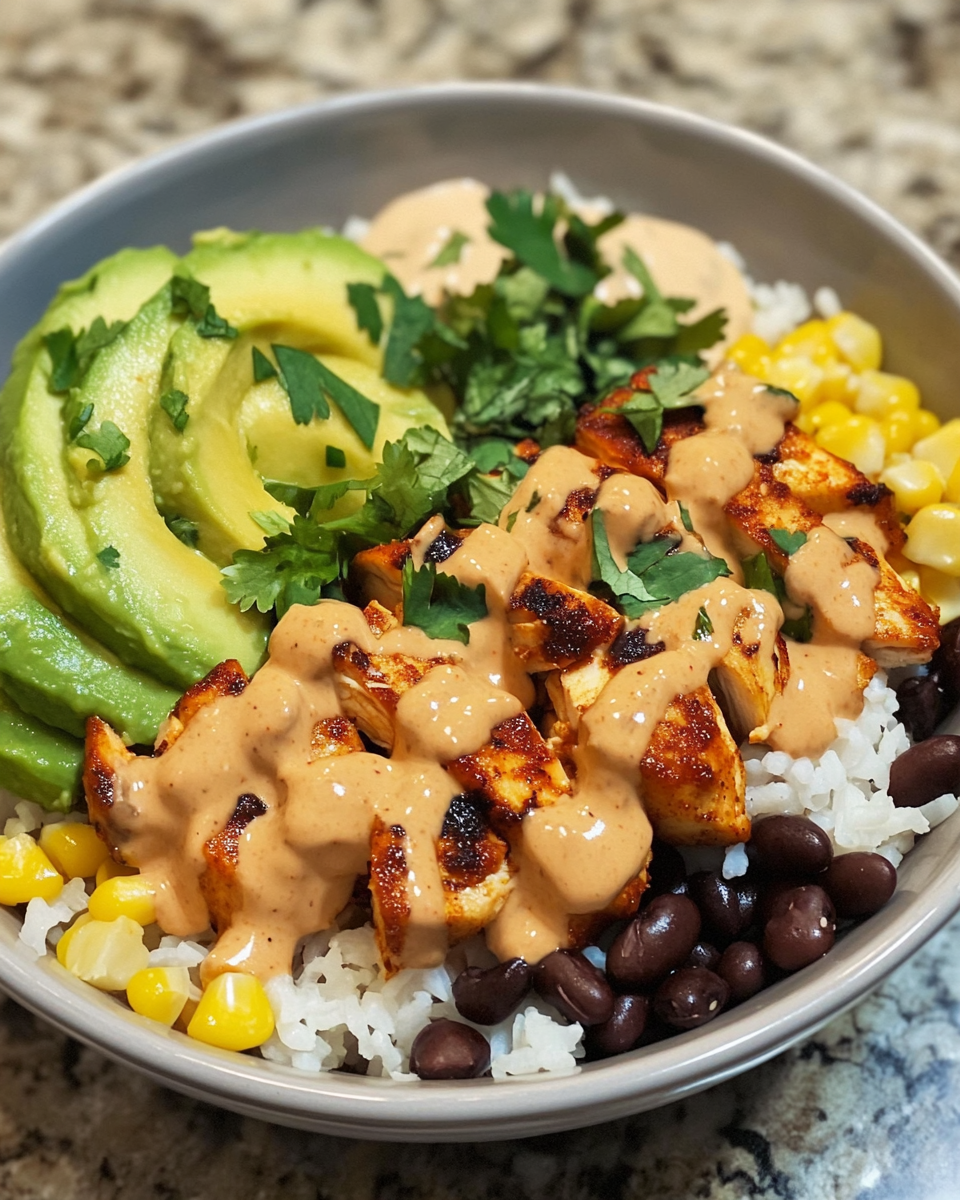
Spicy Chipotle Chicken Burrito Bowls: 5 Authentic Hope

Spicy Chipotle Chicken Burrito Bowls: 5 Authentic Hope

Creamy Chicken Tortellini Soup: 7 Amazing Cozy Bowls

Creamy Chicken Tortellini Soup: 7 Amazing Cozy Bowls

Chicken Parmesan Grilled Cheese: 5 Authentic Comforting Bites

Chicken Parmesan Grilled Cheese: 5 Authentic Comforting Bites

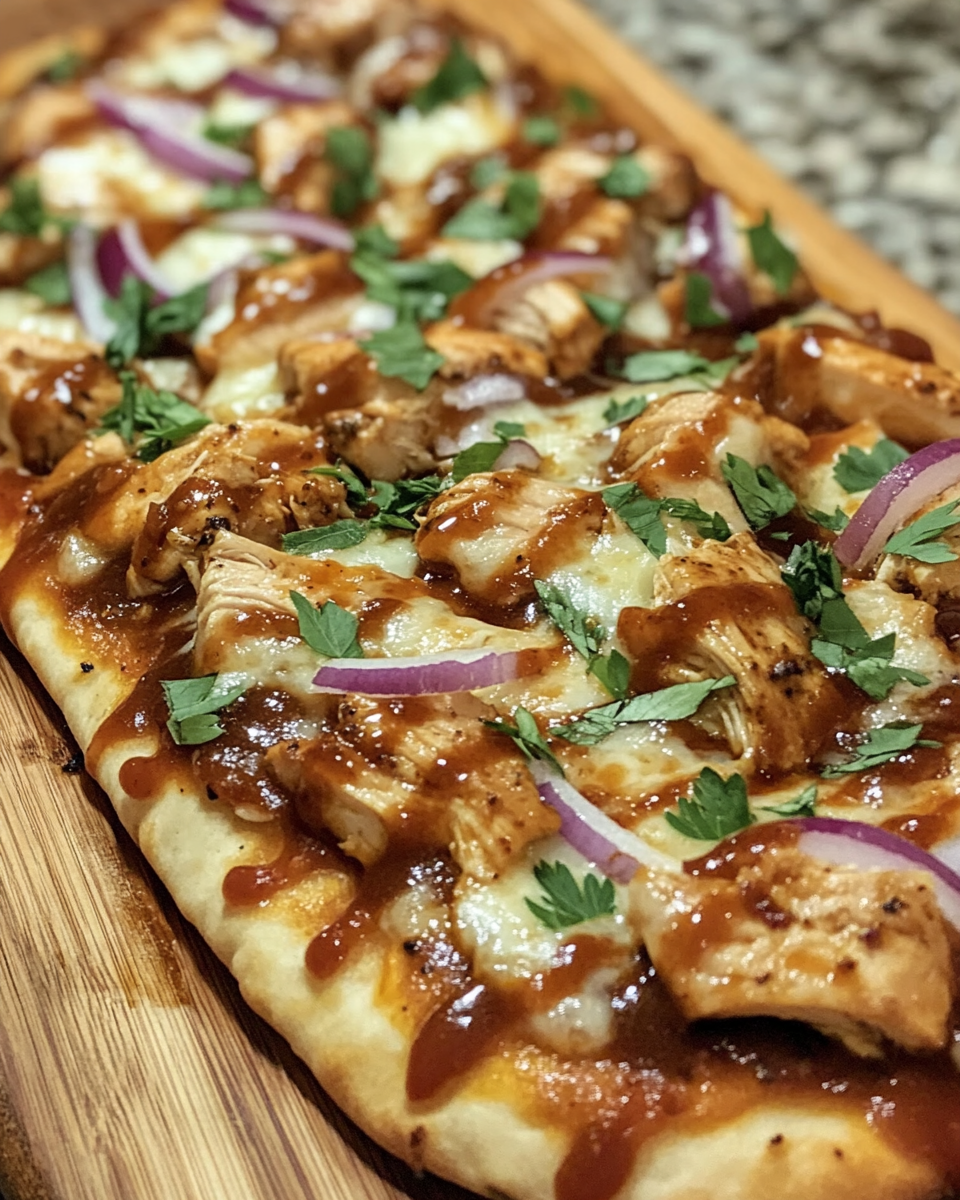
BBQ Chicken Flatbread Pizza: 7 Amazing Comforting Bites

BBQ Chicken Flatbread Pizza: 7 Amazing Comforting Bites

Tags:

You might also like these recipes

Leave a Comment