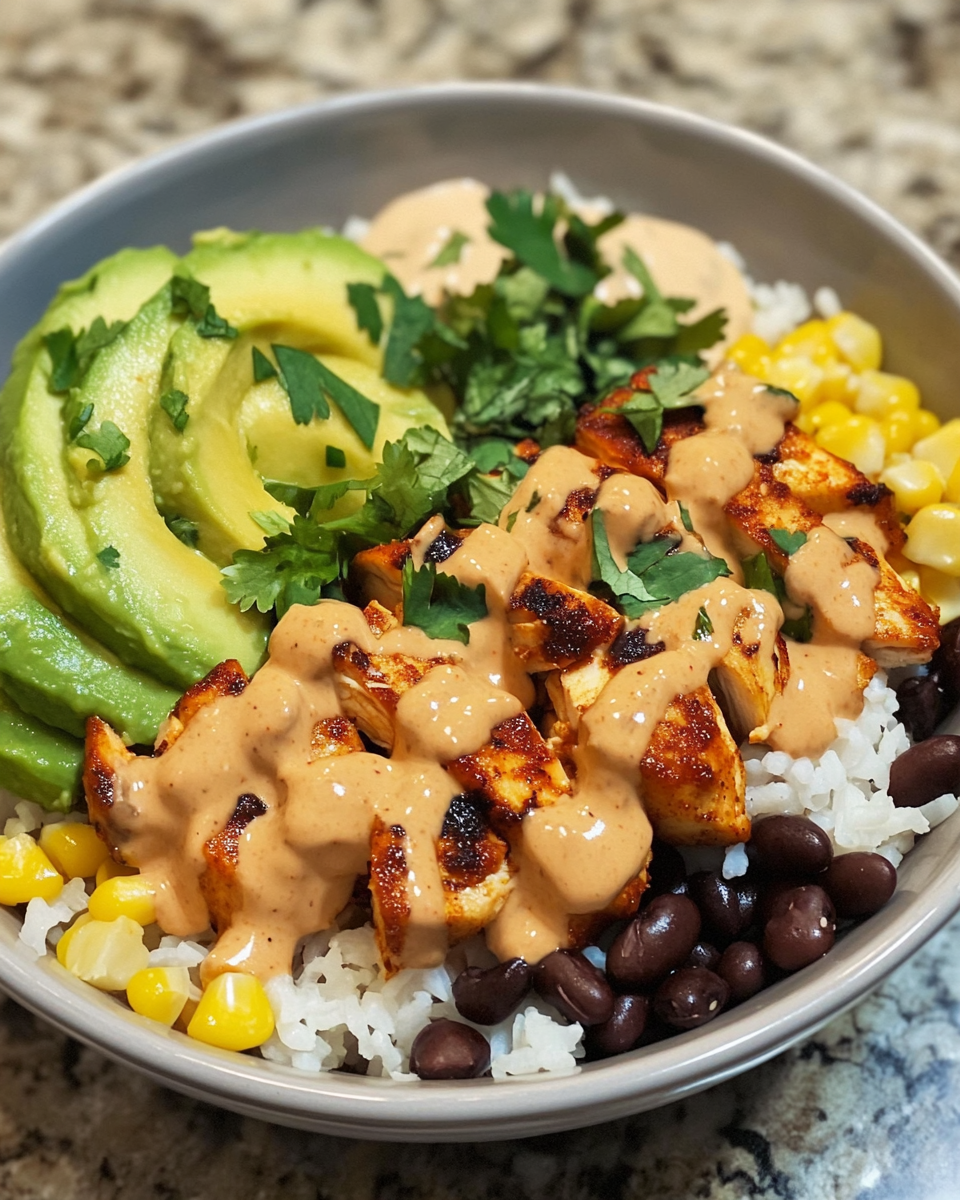
A simple, filling meal prep option like Meal Prep High Protein Ground Beef Bowls brings together hearty flavors, balanced nutrition, and practical storage for busy days. This dish centers on seasoned ground beef paired with rice and vegetables, creating a dependable base that holds up well in the fridge for several days. It’s designed for anyone looking to prepare lunches or dinners ahead of time without sacrificing taste or texture.
The combination of protein-rich beef, fiber-packed vegetables, and a satisfying starch makes these bowls a steady go-to for weekly planning. Each component is cooked separately or in stages, then assembled into containers for quick reheating. The seasoning profile can lean savory, slightly smoky, or mildly spicy depending on preference, making it adaptable to different tastes.
Meal prep bowls like these also work well for portion control and consistency. Instead of assembling meals daily, everything is ready to grab and heat, which helps simplify busy routines while still keeping meals grounded in real, wholesome ingredients.
Ingredients Overview

Ground beef forms the core of this recipe, offering rich flavor and a strong protein base. Choosing lean ground beef helps reduce excess grease while still maintaining tenderness and depth. When cooked properly, it absorbs seasoning well and becomes the savory anchor of the bowl.
Rice acts as the main carbohydrate, providing structure and balance. White rice gives a soft, neutral base, while brown rice adds a slightly nutty taste and more fiber. Both options work well depending on dietary preference and texture goals.
Vegetables such as bell peppers, onions, and broccoli bring color, crunch, and freshness. They also help balance the richness of the beef. These vegetables can be swapped with zucchini, carrots, or green beans depending on what is available.
Seasonings play an important role in shaping the overall flavor. A mix of garlic, onion powder, paprika, salt, and pepper creates a savory foundation. Soy sauce or a light tomato-based sauce can be added for moisture and depth.
Olive oil or another cooking oil helps with sautéing and prevents sticking while building flavor during the cooking process. Optional toppings like shredded cheese, avocado, or a light yogurt-based sauce can add creaminess when serving.
Ingredients
1 1/2 pounds lean ground beef
2 cups cooked white rice or brown rice
1 tablespoon olive oil
1 small onion, diced
3 cloves garlic, minced
1 red bell pepper, chopped
1 cup broccoli florets
1 teaspoon paprika
1 teaspoon onion powder
1 teaspoon garlic powder
1/2 teaspoon black pepper
1 teaspoon salt
2 tablespoons soy sauce
1 tablespoon tomato paste
1/2 cup shredded cheese (optional)
1 avocado, sliced (optional)
Step-by-Step Instructions

Start by preparing all ingredients before cooking. Chop vegetables, measure seasonings, and cook rice according to package directions. Having everything ready makes the process smoother and helps maintain consistent cooking times.
Heat olive oil in a large skillet over medium heat. Add diced onion and cook until softened, usually around 3–4 minutes. Stir in minced garlic and cook briefly until fragrant, being careful not to burn it.
Add ground beef to the skillet, breaking it apart with a spatula. Cook until fully browned, making sure no pink remains. This usually takes about 7–10 minutes. If excess fat collects in the pan, carefully drain it to keep the mixture balanced.
Sprinkle in paprika, onion powder, garlic powder, salt, and black pepper. Stir well so the beef is evenly coated in seasoning. This step helps build a strong savory base throughout the dish.
Add chopped bell pepper and broccoli to the skillet. Cook for another 5–7 minutes until the vegetables are tender but still slightly crisp. This keeps texture in the final bowl.
Stir in soy sauce and tomato paste, mixing until everything is well combined. The mixture should look slightly glossy and evenly coated. Let it simmer for 2–3 minutes so flavors blend together.
To assemble, divide cooked rice into meal prep containers. Spoon the beef and vegetable mixture evenly over the rice. If using cheese, sprinkle it on top while the mixture is still warm so it melts slightly.
Allow the bowls to cool before sealing containers for storage. This helps prevent condensation and keeps the texture of the ingredients intact during refrigeration.
Tips, Variations & Substitutions
Lean ground turkey or chicken can replace ground beef for a lighter variation while still keeping strong protein content. The seasoning mix remains effective with either option.
For extra spice, add chili flakes or a dash of hot sauce during cooking. This gives the bowls a deeper heat without changing the structure of the recipe.
Vegetables can be adjusted based on preference or season. Mushrooms, spinach, or snap peas all work well and blend easily with the beef mixture.
Rice can be swapped with quinoa or cauliflower rice for a lower-carb version. Each alternative changes texture slightly but still supports the main flavor profile.
Batch cooking is helpful for this recipe since the ingredients store well for up to four days in the refrigerator. Reheat gently in a microwave or skillet with a small splash of water to restore moisture.
Serving Ideas & Occasions
These bowls work well for weekday lunches, quick dinners, or post-workout meals due to their balance of protein and carbohydrates. They are easy to portion into individual containers, making them practical for structured meal planning.
Pairing options include simple sides like fresh fruit, a light salad, or roasted vegetables. A drizzle of yogurt-based sauce or a mild garlic sauce can add creaminess without overwhelming the dish.
For beverages, water, iced tea, or lightly flavored sparkling water complement the savory flavors of the beef and vegetables. The bowls are also convenient for on-the-go eating, requiring only reheating before serving.
Nutritional & Health Notes
These bowls provide a balanced combination of protein, carbohydrates, and fats. Ground beef contributes essential protein and iron, supporting energy and muscle maintenance. Rice supplies carbohydrates that help fuel daily activity.
Vegetables add fiber, vitamins, and minerals, supporting overall nutritional balance. Using lean beef helps keep saturated fat levels moderate while still maintaining flavor.
Portion control is naturally supported through meal prep containers, making it easier to manage intake across the week. Adjusting rice or vegetable ratios can shift the nutritional balance based on personal goals.
FAQs
Can I use frozen vegetables instead of fresh ones?
Frozen vegetables work well in this recipe and can save preparation time. They should be added directly to the skillet without thawing, though they may release extra moisture during cooking. Allowing a few additional minutes of cooking helps evaporate excess liquid. The texture may be slightly softer compared to fresh vegetables, but the overall flavor remains consistent. This makes frozen vegetables a practical option for quick meal prep without losing nutritional value or balance in the bowl.
How long do these meal prep bowls last in the fridge?
These bowls typically last up to four days when stored in airtight containers in the refrigerator. It is important to allow the food to cool before sealing to prevent moisture buildup. Proper storage helps maintain texture and flavor. When reheating, warming in short intervals with a small splash of water can help restore moisture in the rice and beef mixture. Beyond four days, quality may begin to decline, especially in texture and freshness of vegetables.
Can I make this recipe dairy-free?
Yes, this recipe can easily be made dairy-free by simply omitting the optional cheese topping. The base ingredients do not require dairy, so the flavor remains strong without it. If additional creaminess is desired, alternatives such as avocado or dairy-free yogurt-based sauces can be used. These substitutions maintain a smooth texture while keeping the meal aligned with dietary preferences. The core components of beef, rice, and vegetables remain unchanged and fully balanced.
What type of rice works best for this recipe?
Both white rice and brown rice work well in these bowls. White rice offers a softer texture and neutral taste that blends easily with the seasoned beef. Brown rice provides a slightly firmer bite and additional fiber, making it a more filling option. The choice depends on personal preference and dietary goals. Jasmine or basmati rice can also be used for added aroma. Each type holds up well during storage and reheating.
Can I freeze these meal prep bowls?
Yes, these bowls freeze well when properly stored in freezer-safe containers. It is best to let them cool completely before freezing to maintain texture. They can be kept frozen for up to two months. When ready to eat, thaw in the refrigerator overnight and reheat thoroughly. Vegetables may soften slightly after freezing, but the overall flavor remains consistent. This makes freezing a convenient option for longer-term meal planning.
How can I keep the beef from drying out?
To keep the beef moist, avoid overcooking during the browning stage. Adding a small amount of sauce, such as soy sauce or tomato paste, helps maintain moisture. Stirring in a bit of broth or water during reheating can also restore juiciness. Proper storage in airtight containers prevents excessive drying in the refrigerator. Keeping the balance between lean beef and moisture-rich ingredients like vegetables also helps maintain a tender texture.
Can I double this recipe for a larger batch?
Yes, this recipe scales well for larger meal prep batches. Doubling the ingredients requires a larger skillet or cooking in batches to ensure even browning of the beef. Seasoning amounts should also be increased proportionally to maintain flavor balance. Preparing extra rice and vegetables ahead of time makes assembly faster. Large batches can be stored in multiple containers, making it easy to portion meals for several days without repeating the cooking process.
………………..