Maple Garlic Chicken Thighs: 5 Amazing Cozy Plates

Posted on

Uncategorized

Difficulty

Prep time

Cooking time

Total time

Servings

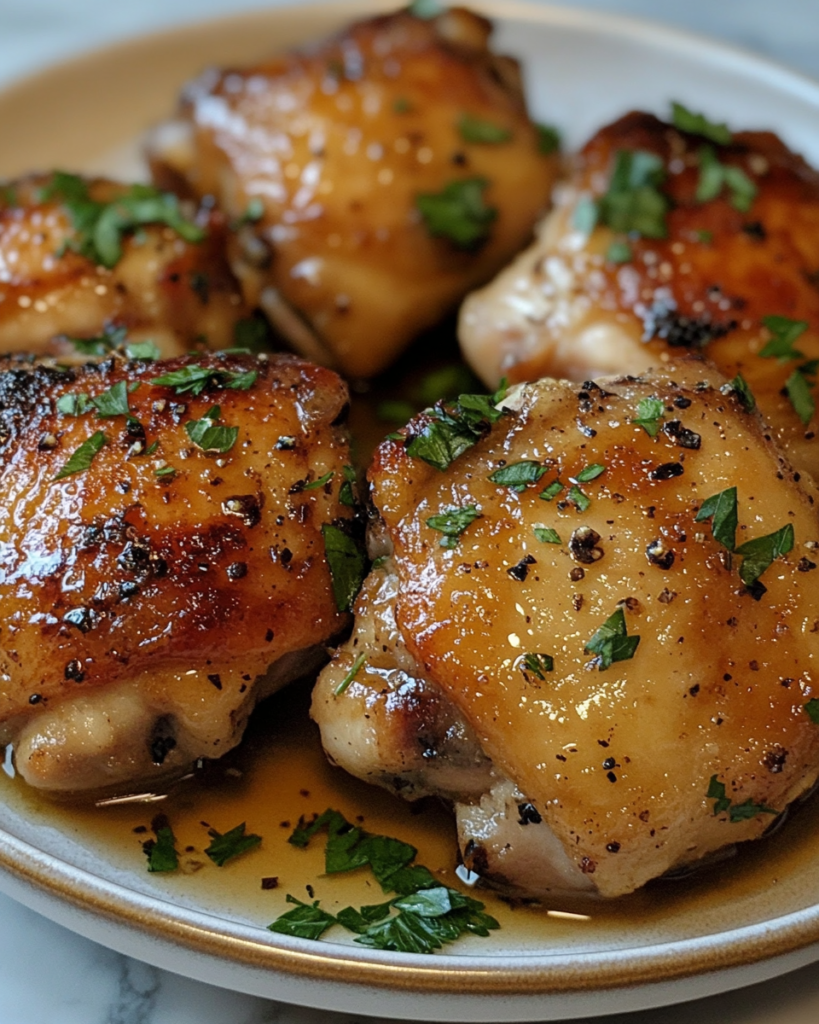
Maple Garlic Chicken Thighs bring together rich maple syrup, savory garlic, and tender chicken in a skillet dinner that feels comforting and deeply satisfying. The sauce turns glossy as it cooks, coating every piece with sweet and savory flavor while the chicken stays juicy inside with crisp golden edges.

This recipe works well for weeknight dinners, family gatherings, or relaxed weekend meals. Chicken thighs stay moist during cooking, which gives the dish a hearty texture that pairs beautifully with rice, roasted vegetables, mashed potatoes, or fresh salad greens.

The balance of maple syrup and garlic creates a sauce that tastes layered without requiring complicated steps. A touch of soy sauce and Dijon mustard rounds out the flavor while fresh herbs brighten the finished dish. The result is a pan of chicken that smells warm and inviting from the moment it starts cooking.

Ingredients Overview
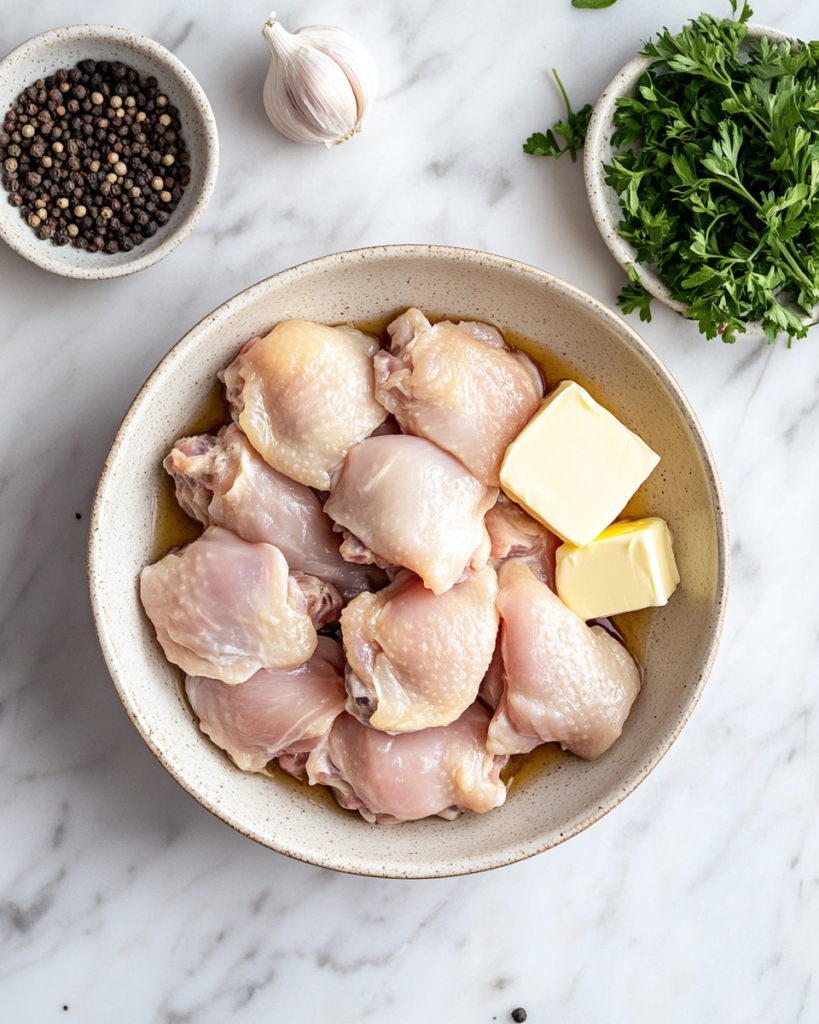
Chicken thighs are the center of this dish because they stay tender and flavorful even after simmering in sauce. Boneless skinless thighs cook quickly and absorb the maple garlic glaze beautifully, though bone-in thighs also work if slightly more cooking time is added. Their natural richness balances the sweetness of the maple syrup.

Pure maple syrup gives the sauce its signature flavor. It brings mild caramel notes that pair naturally with roasted chicken and garlic. Pancake syrup is not ideal here because it lacks the same depth and can taste overly sugary. Dark maple syrup creates a stronger flavor, while amber syrup keeps the sauce lighter and smoother.

Fresh garlic is essential for the savory base of the dish. As it cooks, the sharpness softens and blends into the sauce. Minced garlic distributes evenly, giving every bite a mellow garlic flavor without overpowering the maple.

Soy sauce adds saltiness and depth. Low-sodium soy sauce works especially well because the sauce reduces during cooking. Dijon mustard adds slight tanginess that balances the sweetness. Olive oil helps brown the chicken while butter added near the end gives the sauce a silky finish.

Fresh thyme or parsley brings brightness to the final dish. If fresh herbs are unavailable, dried thyme can be added during cooking instead. For extra warmth, a pinch of smoked paprika or black pepper fits nicely into the sauce without overpowering the maple flavor.

Ingredients

2 pounds boneless skinless chicken thighs
1 teaspoon salt
1/2 teaspoon black pepper
1 tablespoon olive oil
4 cloves garlic, minced
1/2 cup pure maple syrup
3 tablespoons low-sodium soy sauce
1 tablespoon Dijon mustard
1 tablespoon apple cider vinegar
2 tablespoons butter
1 teaspoon fresh thyme leaves
1 tablespoon chopped parsley

Step-by-Step Instructions
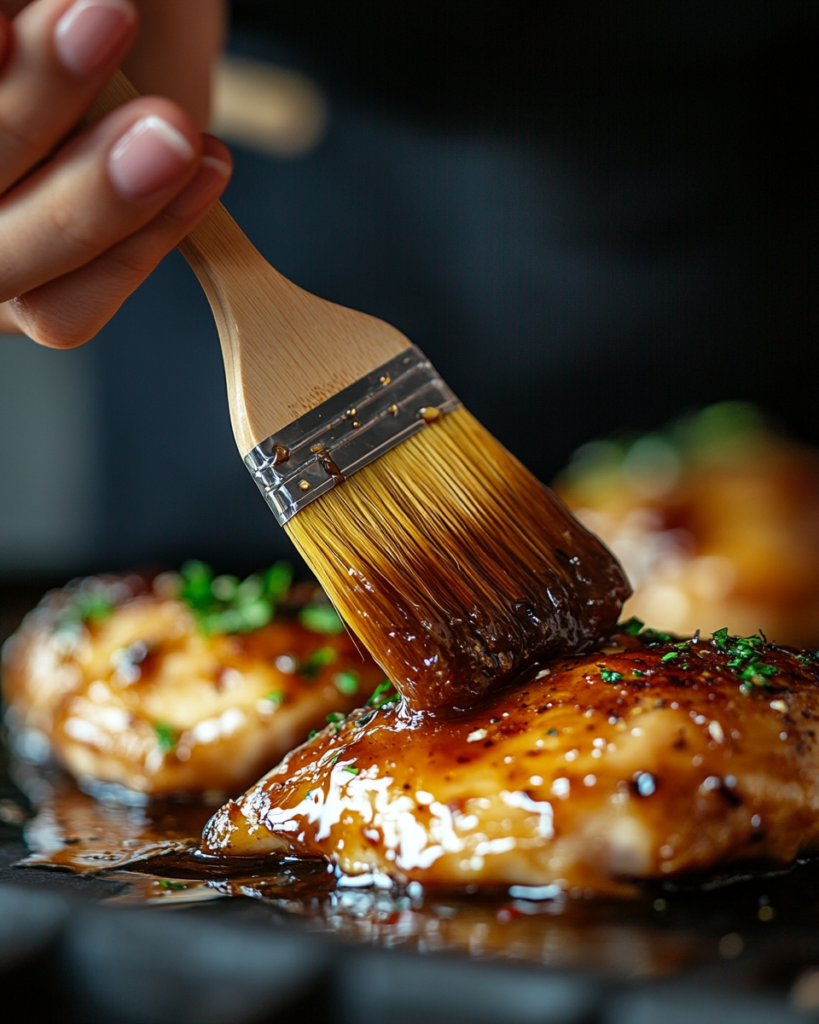
Pat the chicken thighs dry with paper towels before seasoning them with salt and black pepper. Dry chicken browns more evenly and helps create a golden crust during cooking. If the chicken is damp, it may steam rather than brown.

Warm a large skillet over medium-high heat and add the olive oil. Once the oil begins to shimmer, place the chicken thighs into the pan in a single layer. Avoid overcrowding because packed chicken releases moisture and prevents browning. Cook the thighs for about 5 to 6 minutes on the first side without moving them too often.

Flip the chicken once the underside turns deep golden brown. Cook the second side for another 5 minutes. The chicken does not need to be fully cooked yet because it will finish simmering in the sauce later.

Lower the heat slightly and add the minced garlic to the skillet. Stir gently for about 30 seconds until fragrant. Garlic cooks quickly, so keep it moving to prevent bitterness from burning.

In a small bowl, whisk together the maple syrup, soy sauce, Dijon mustard, and apple cider vinegar. Pour the mixture into the skillet around the chicken. As the sauce heats, it will begin bubbling around the edges.

Reduce the heat to medium-low and simmer for 6 to 8 minutes. Turn the chicken occasionally so the glaze coats every piece evenly. The sauce gradually thickens into a glossy texture. If it reduces too quickly, add a splash of water or chicken broth.

Check the internal temperature of the chicken with a meat thermometer. The thickest part should reach 165 degrees Fahrenheit. Proper temperature keeps the chicken juicy while fully cooked.

Stir the butter into the skillet during the final minute of cooking. The butter softens the sharp edges of the sauce and creates a smooth finish. Sprinkle the thyme and parsley over the top before serving.

Allow the chicken to rest for several minutes before plating. This brief resting period helps the juices settle inside the meat instead of spilling onto the plate. Spoon extra maple garlic sauce over the chicken just before serving.

One common mistake is cooking the sauce over very high heat after adding the maple syrup. Maple syrup can burn quickly, creating bitterness. Gentle simmering creates the richest flavor and best texture. Another issue comes from flipping the chicken too early. Leaving it untouched during the first few minutes helps form the golden crust that adds texture and flavor.

Tips, Variations & Substitutions

Bone-in chicken thighs can replace boneless thighs for even deeper flavor. Increase the simmering time by several minutes and verify the internal temperature reaches 165 degrees Fahrenheit before serving.

Chicken breasts may also be used, though they cook faster and can dry out more easily. Thicker breasts should be sliced horizontally for even cooking. Pork chops also pair nicely with the maple garlic sauce.

For extra texture, sliced onions or mushrooms can cook alongside the chicken. They absorb the sauce beautifully and create a fuller skillet dinner. A pinch of crushed red pepper flakes adds gentle heat without overwhelming the sweetness.

Gluten-free tamari works well instead of soy sauce. Honey may replace maple syrup in a pinch, though the flavor becomes slightly floral rather than woodsy and caramel-like.

If the sauce becomes thicker than desired, a splash of broth loosens it easily. For a richer finish, stir in a small spoonful of cream during the last minute of cooking.

Fresh rosemary gives the dish a deeper herb flavor, while parsley keeps the overall taste lighter. Roasted sweet potatoes, steamed rice, or buttered noodles pair especially well with the sauce because they absorb every drop.

Serving Ideas & Occasions

Maple Garlic Chicken Thighs fit beautifully into cozy family dinners, holiday gatherings, or casual Sunday suppers. The rich glaze feels comforting during cooler months, though the bright garlic and herbs also suit spring and summer meals.

Serve the chicken over fluffy white rice, creamy mashed potatoes, or warm buttered noodles. Roasted carrots, green beans, Brussels sprouts, or asparagus balance the sweetness of the sauce with earthy flavor and texture.

For lighter meals, slice the chicken over mixed greens with toasted pecans and crisp apples. The maple garlic glaze works almost like a warm salad dressing.

Sparkling water with lemon, chilled iced tea, or crisp apple cider pair nicely with the sweet and savory flavors. Warm dinner rolls on the side help soak up extra sauce from the skillet.

Nutritional & Health Notes

Chicken thighs provide protein, iron, zinc, and several B vitamins that support balanced meals. While thighs contain slightly more fat than chicken breast, they also stay tender during cooking and often require less added oil or heavy sauce.

Pure maple syrup adds sweetness with a richer flavor than refined sugar, allowing a smaller amount to create depth in the sauce. Garlic contributes strong savory flavor without relying heavily on excess salt.

Pairing the chicken with vegetables and whole grains creates a balanced plate with protein, fiber, and satisfying texture. Using low-sodium soy sauce helps control overall salt levels while still giving the dish savory richness.

Because the sauce contains natural sugars from maple syrup, moderate portions keep the meal balanced. The dish works well as part of a varied dinner rotation alongside salads, roasted vegetables, and lighter side dishes.

FAQs

Can I prepare Maple Garlic Chicken Thighs ahead of time?

Yes. The chicken can be seasoned and refrigerated several hours before cooking. The sauce ingredients may also be mixed in advance and stored in a sealed container. When ready to cook, simply brown the chicken and pour in the prepared sauce. Fully cooked leftovers reheat very well because chicken thighs stay moist even after refrigeration. Warm the chicken gently in a skillet over low heat with a splash of broth or water to keep the glaze smooth and glossy.

Can I bake the chicken instead of cooking it on the stove?

Yes. Brown the chicken briefly in an oven-safe skillet first for stronger flavor and color. After adding the sauce, transfer the skillet to a 400-degree Fahrenheit oven and bake for about 15 to 20 minutes, depending on thickness. The sauce thickens as the chicken cooks. Stir once during baking so the glaze coats evenly. Bone-in thighs may need additional time. A thermometer remains the most reliable way to check doneness.

What type of maple syrup works best?

Pure maple syrup gives the richest flavor and best texture for the sauce. Amber or dark maple syrup both work nicely. Dark syrup creates deeper caramel flavor while amber syrup stays lighter and more delicate. Pancake syrup is not recommended because it often contains corn syrup and artificial flavoring, which can create an overly sweet sauce without the same balanced maple taste. Refrigerated maple syrup stays fresh longer after opening.

How should leftovers be stored?

Store leftover chicken in an airtight container in the refrigerator for up to four days. Keep extra sauce with the chicken so the meat stays moist during reheating. Warm leftovers slowly in a skillet or microwave until heated through. Freezing is also possible for up to three months. Thaw overnight in the refrigerator before reheating. The sauce may separate slightly after freezing, though stirring while warming usually restores the texture.

Can I add vegetables directly into the skillet?

Yes. Vegetables cook beautifully alongside the chicken and absorb the maple garlic sauce well. Mushrooms, onions, carrots, broccoli, or Brussels sprouts are especially good choices. Firmer vegetables should begin cooking before the sauce is added so they soften properly. Softer vegetables like spinach can be stirred in near the end. Adding vegetables turns the recipe into a complete one-pan dinner with very little extra effort.

Why are chicken thighs preferred for this recipe?

Chicken thighs contain slightly more fat than chicken breast, which helps them stay juicy during simmering. The maple glaze thickens around the chicken without drying the meat. Thighs also develop rich golden edges during browning, creating extra flavor in the skillet. Their hearty texture balances the sweet and savory sauce beautifully. While breasts can still work, thighs provide a more tender and forgiving result for this style of cooking.

What sides pair best with Maple Garlic Chicken Thighs?

Rice, mashed potatoes, roasted sweet potatoes, and buttered noodles all pair beautifully with the sauce because they absorb the glaze well. Green vegetables such as asparagus, broccoli, or green beans balance the richness of the chicken. Crisp salads with apples or nuts also work nicely because they add freshness and crunch. Warm bread or dinner rolls are another comforting choice for soaking up extra sauce from the skillet.

[rank_math_breadcrumb]

Maple Garlic Chicken Thighs: 5 Amazing Cozy Plates

Photo of author
Author: Ava
Published:

Maple Garlic Chicken Thighs bring together rich maple syrup, savory garlic, and tender chicken in a skillet dinner that feels comforting and deeply satisfying. The sauce turns glossy as it cooks, coating every piece with sweet and savory flavor while the chicken stays juicy inside with crisp golden edges.

This recipe works well for weeknight dinners, family gatherings, or relaxed weekend meals. Chicken thighs stay moist during cooking, which gives the dish a hearty texture that pairs beautifully with rice, roasted vegetables, mashed potatoes, or fresh salad greens.

The balance of maple syrup and garlic creates a sauce that tastes layered without requiring complicated steps. A touch of soy sauce and Dijon mustard rounds out the flavor while fresh herbs brighten the finished dish. The result is a pan of chicken that smells warm and inviting from the moment it starts cooking.

Ingredients Overview

Chicken thighs are the center of this dish because they stay tender and flavorful even after simmering in sauce. Boneless skinless thighs cook quickly and absorb the maple garlic glaze beautifully, though bone-in thighs also work if slightly more cooking time is added. Their natural richness balances the sweetness of the maple syrup.

Pure maple syrup gives the sauce its signature flavor. It brings mild caramel notes that pair naturally with roasted chicken and garlic. Pancake syrup is not ideal here because it lacks the same depth and can taste overly sugary. Dark maple syrup creates a stronger flavor, while amber syrup keeps the sauce lighter and smoother.

Fresh garlic is essential for the savory base of the dish. As it cooks, the sharpness softens and blends into the sauce. Minced garlic distributes evenly, giving every bite a mellow garlic flavor without overpowering the maple.

Soy sauce adds saltiness and depth. Low-sodium soy sauce works especially well because the sauce reduces during cooking. Dijon mustard adds slight tanginess that balances the sweetness. Olive oil helps brown the chicken while butter added near the end gives the sauce a silky finish.

Fresh thyme or parsley brings brightness to the final dish. If fresh herbs are unavailable, dried thyme can be added during cooking instead. For extra warmth, a pinch of smoked paprika or black pepper fits nicely into the sauce without overpowering the maple flavor.

Ingredients

2 pounds boneless skinless chicken thighs
1 teaspoon salt
1/2 teaspoon black pepper
1 tablespoon olive oil
4 cloves garlic, minced
1/2 cup pure maple syrup
3 tablespoons low-sodium soy sauce
1 tablespoon Dijon mustard
1 tablespoon apple cider vinegar
2 tablespoons butter
1 teaspoon fresh thyme leaves
1 tablespoon chopped parsley

Step-by-Step Instructions

Pat the chicken thighs dry with paper towels before seasoning them with salt and black pepper. Dry chicken browns more evenly and helps create a golden crust during cooking. If the chicken is damp, it may steam rather than brown.

Warm a large skillet over medium-high heat and add the olive oil. Once the oil begins to shimmer, place the chicken thighs into the pan in a single layer. Avoid overcrowding because packed chicken releases moisture and prevents browning. Cook the thighs for about 5 to 6 minutes on the first side without moving them too often.

Flip the chicken once the underside turns deep golden brown. Cook the second side for another 5 minutes. The chicken does not need to be fully cooked yet because it will finish simmering in the sauce later.

Lower the heat slightly and add the minced garlic to the skillet. Stir gently for about 30 seconds until fragrant. Garlic cooks quickly, so keep it moving to prevent bitterness from burning.

In a small bowl, whisk together the maple syrup, soy sauce, Dijon mustard, and apple cider vinegar. Pour the mixture into the skillet around the chicken. As the sauce heats, it will begin bubbling around the edges.

Reduce the heat to medium-low and simmer for 6 to 8 minutes. Turn the chicken occasionally so the glaze coats every piece evenly. The sauce gradually thickens into a glossy texture. If it reduces too quickly, add a splash of water or chicken broth.

Check the internal temperature of the chicken with a meat thermometer. The thickest part should reach 165 degrees Fahrenheit. Proper temperature keeps the chicken juicy while fully cooked.

Stir the butter into the skillet during the final minute of cooking. The butter softens the sharp edges of the sauce and creates a smooth finish. Sprinkle the thyme and parsley over the top before serving.

Allow the chicken to rest for several minutes before plating. This brief resting period helps the juices settle inside the meat instead of spilling onto the plate. Spoon extra maple garlic sauce over the chicken just before serving.

One common mistake is cooking the sauce over very high heat after adding the maple syrup. Maple syrup can burn quickly, creating bitterness. Gentle simmering creates the richest flavor and best texture. Another issue comes from flipping the chicken too early. Leaving it untouched during the first few minutes helps form the golden crust that adds texture and flavor.

Tips, Variations & Substitutions

Bone-in chicken thighs can replace boneless thighs for even deeper flavor. Increase the simmering time by several minutes and verify the internal temperature reaches 165 degrees Fahrenheit before serving.

Chicken breasts may also be used, though they cook faster and can dry out more easily. Thicker breasts should be sliced horizontally for even cooking. Pork chops also pair nicely with the maple garlic sauce.

For extra texture, sliced onions or mushrooms can cook alongside the chicken. They absorb the sauce beautifully and create a fuller skillet dinner. A pinch of crushed red pepper flakes adds gentle heat without overwhelming the sweetness.

Gluten-free tamari works well instead of soy sauce. Honey may replace maple syrup in a pinch, though the flavor becomes slightly floral rather than woodsy and caramel-like.

If the sauce becomes thicker than desired, a splash of broth loosens it easily. For a richer finish, stir in a small spoonful of cream during the last minute of cooking.

Fresh rosemary gives the dish a deeper herb flavor, while parsley keeps the overall taste lighter. Roasted sweet potatoes, steamed rice, or buttered noodles pair especially well with the sauce because they absorb every drop.

Serving Ideas & Occasions

Maple Garlic Chicken Thighs fit beautifully into cozy family dinners, holiday gatherings, or casual Sunday suppers. The rich glaze feels comforting during cooler months, though the bright garlic and herbs also suit spring and summer meals.

Serve the chicken over fluffy white rice, creamy mashed potatoes, or warm buttered noodles. Roasted carrots, green beans, Brussels sprouts, or asparagus balance the sweetness of the sauce with earthy flavor and texture.

For lighter meals, slice the chicken over mixed greens with toasted pecans and crisp apples. The maple garlic glaze works almost like a warm salad dressing.

Sparkling water with lemon, chilled iced tea, or crisp apple cider pair nicely with the sweet and savory flavors. Warm dinner rolls on the side help soak up extra sauce from the skillet.

Nutritional & Health Notes

Chicken thighs provide protein, iron, zinc, and several B vitamins that support balanced meals. While thighs contain slightly more fat than chicken breast, they also stay tender during cooking and often require less added oil or heavy sauce.

Pure maple syrup adds sweetness with a richer flavor than refined sugar, allowing a smaller amount to create depth in the sauce. Garlic contributes strong savory flavor without relying heavily on excess salt.

Pairing the chicken with vegetables and whole grains creates a balanced plate with protein, fiber, and satisfying texture. Using low-sodium soy sauce helps control overall salt levels while still giving the dish savory richness.

Because the sauce contains natural sugars from maple syrup, moderate portions keep the meal balanced. The dish works well as part of a varied dinner rotation alongside salads, roasted vegetables, and lighter side dishes.

FAQs

Can I prepare Maple Garlic Chicken Thighs ahead of time?

Yes. The chicken can be seasoned and refrigerated several hours before cooking. The sauce ingredients may also be mixed in advance and stored in a sealed container. When ready to cook, simply brown the chicken and pour in the prepared sauce. Fully cooked leftovers reheat very well because chicken thighs stay moist even after refrigeration. Warm the chicken gently in a skillet over low heat with a splash of broth or water to keep the glaze smooth and glossy.

Can I bake the chicken instead of cooking it on the stove?

Yes. Brown the chicken briefly in an oven-safe skillet first for stronger flavor and color. After adding the sauce, transfer the skillet to a 400-degree Fahrenheit oven and bake for about 15 to 20 minutes, depending on thickness. The sauce thickens as the chicken cooks. Stir once during baking so the glaze coats evenly. Bone-in thighs may need additional time. A thermometer remains the most reliable way to check doneness.

What type of maple syrup works best?

Pure maple syrup gives the richest flavor and best texture for the sauce. Amber or dark maple syrup both work nicely. Dark syrup creates deeper caramel flavor while amber syrup stays lighter and more delicate. Pancake syrup is not recommended because it often contains corn syrup and artificial flavoring, which can create an overly sweet sauce without the same balanced maple taste. Refrigerated maple syrup stays fresh longer after opening.

How should leftovers be stored?

Store leftover chicken in an airtight container in the refrigerator for up to four days. Keep extra sauce with the chicken so the meat stays moist during reheating. Warm leftovers slowly in a skillet or microwave until heated through. Freezing is also possible for up to three months. Thaw overnight in the refrigerator before reheating. The sauce may separate slightly after freezing, though stirring while warming usually restores the texture.

Can I add vegetables directly into the skillet?

Yes. Vegetables cook beautifully alongside the chicken and absorb the maple garlic sauce well. Mushrooms, onions, carrots, broccoli, or Brussels sprouts are especially good choices. Firmer vegetables should begin cooking before the sauce is added so they soften properly. Softer vegetables like spinach can be stirred in near the end. Adding vegetables turns the recipe into a complete one-pan dinner with very little extra effort.

Why are chicken thighs preferred for this recipe?

Chicken thighs contain slightly more fat than chicken breast, which helps them stay juicy during simmering. The maple glaze thickens around the chicken without drying the meat. Thighs also develop rich golden edges during browning, creating extra flavor in the skillet. Their hearty texture balances the sweet and savory sauce beautifully. While breasts can still work, thighs provide a more tender and forgiving result for this style of cooking.

What sides pair best with Maple Garlic Chicken Thighs?

Rice, mashed potatoes, roasted sweet potatoes, and buttered noodles all pair beautifully with the sauce because they absorb the glaze well. Green vegetables such as asparagus, broccoli, or green beans balance the richness of the chicken. Crisp salads with apples or nuts also work nicely because they add freshness and crunch. Warm bread or dinner rolls are another comforting choice for soaking up extra sauce from the skillet.
Name

Lorem ipsum dolor sit amet, consectetur adipiscing elit. Suspendisse varius enim in eros elementum tristique. Duis cursus, mi quis viverra ornare, eros dolor interdum nulla, ut commodo diam libero vitae erat.

You Might Also Like...

Spicy Chipotle Chicken Burrito Bowls: 5 Authentic Hope

Spicy Chipotle Chicken Burrito Bowls: 5 Authentic Hope

Creamy Chicken Tortellini Soup: 7 Amazing Cozy Bowls

Creamy Chicken Tortellini Soup: 7 Amazing Cozy Bowls

Chicken Parmesan Grilled Cheese: 5 Authentic Comforting Bites

Chicken Parmesan Grilled Cheese: 5 Authentic Comforting Bites

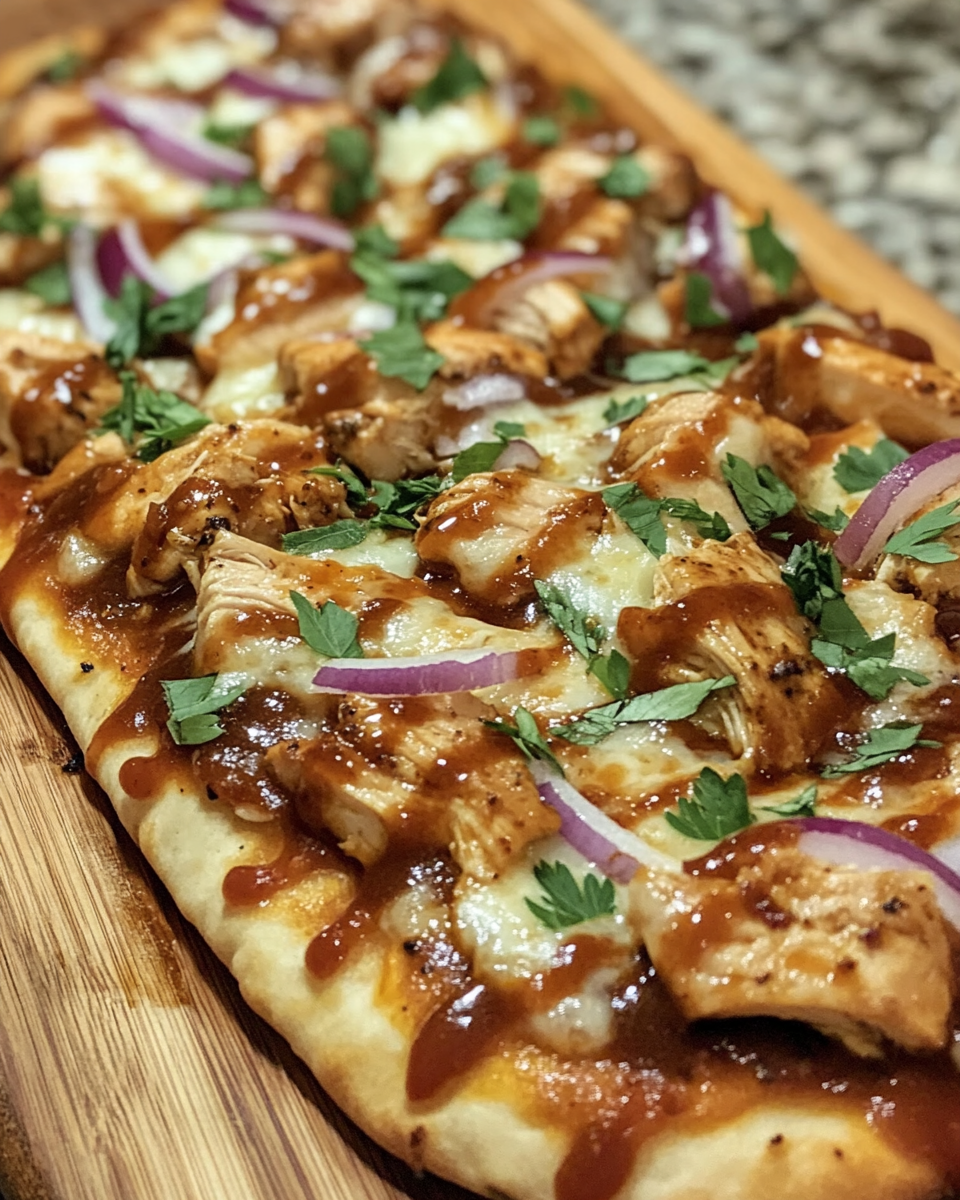
BBQ Chicken Flatbread Pizza: 7 Amazing Comforting Bites

BBQ Chicken Flatbread Pizza: 7 Amazing Comforting Bites

Tags:

You might also like these recipes

Leave a Comment