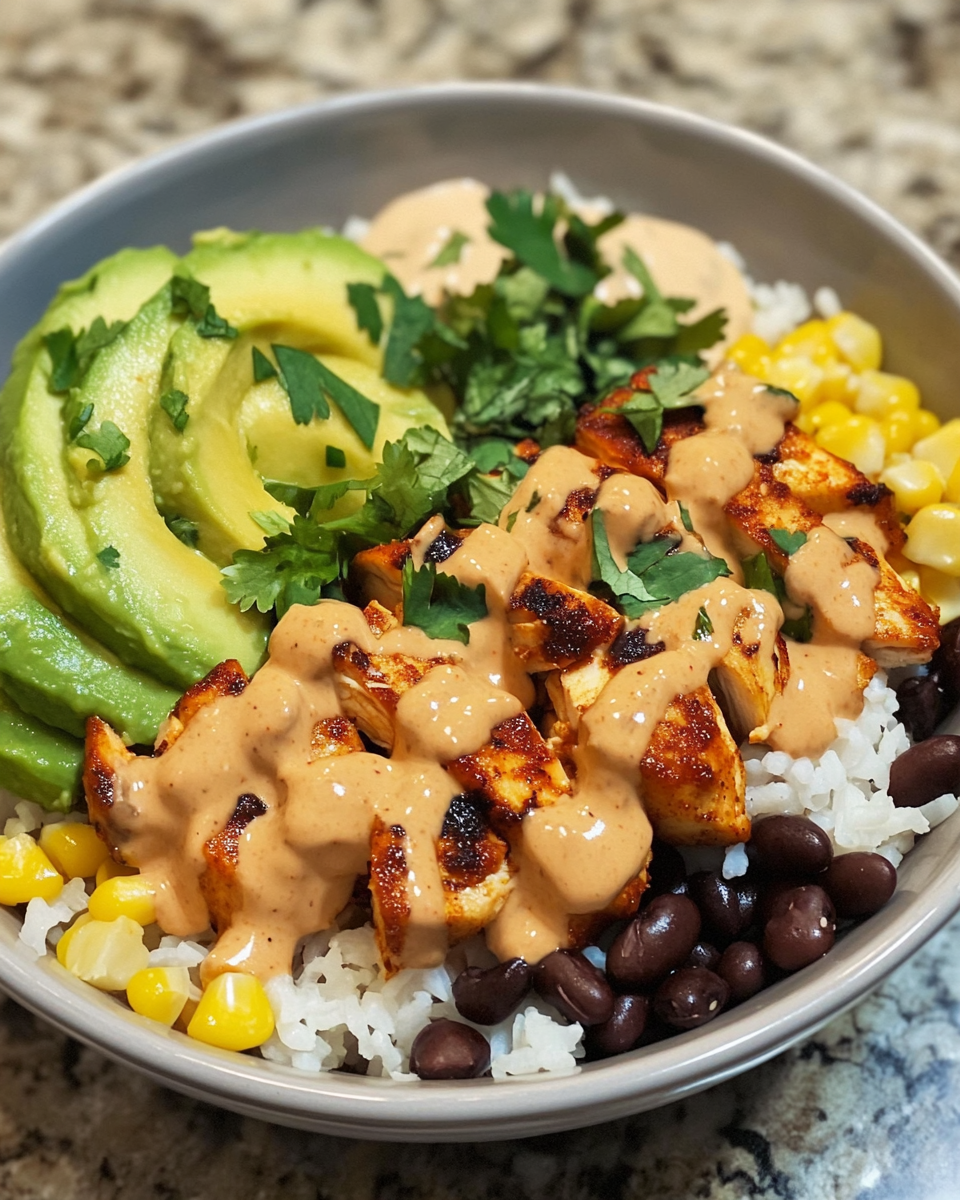
A Low Calorie Ground Beef Recipe (Healthy & Easy) brings a satisfying balance of lean protein, warm spices, and fresh vegetables without feeling heavy. This style of dish fits well into balanced eating patterns while keeping preparation straightforward and ingredient lists practical.
Lean ground beef forms the base, absorbing seasoning while staying tender and juicy when cooked with care. Vegetables add color, texture, and natural depth, while a light seasoning blend brings warmth without overwhelming the palate.
This dish works well for meal preparation, quick dinners, or layered bowls served with grains or greens. The approach focuses on controlled portions and mindful cooking techniques that support lighter eating habits.
Ingredients Overview

Lean ground beef serves as the primary protein source, offering a rich savory base with reduced fat content compared to standard blends. Choosing beef labeled 90–93% lean helps maintain flavor while keeping calorie levels moderate.
Aromatics such as onion and garlic build depth and fragrance. These ingredients soften during cooking, blending into the beef and forming a flavorful foundation.
Bell peppers and zucchini contribute volume and texture without significantly increasing calorie density. They also bring natural sweetness and slight crunch, which contrasts well with the savory meat.
Tomato paste introduces concentrated flavor and slight acidity, helping balance richness. A small amount is sufficient to coat the mixture and enhance overall cohesion.
Low-sodium broth supports moisture during cooking, preventing dryness while allowing spices to distribute evenly. Spices such as paprika, black pepper, and cumin provide warmth and complexity without adding heaviness.
Olive oil is used sparingly for sautéing aromatics, ensuring the base cooks evenly while keeping fat content controlled.
Together, these ingredients create a balanced skillet-style dish that remains light yet satisfying, suitable for pairing with rice alternatives, greens, or roasted vegetables.
Ingredients
1 pound lean ground beef (90–93% lean)
1 tablespoon olive oil
1 small yellow onion, finely chopped
3 garlic cloves, minced
1 medium red bell pepper, diced
1 medium zucchini, diced
2 tablespoons tomato paste
1/2 cup low-sodium beef broth
1 teaspoon paprika
1/2 teaspoon ground cumin
1/2 teaspoon black pepper
1/2 teaspoon salt
1/4 teaspoon chili flakes (optional)
1 tablespoon fresh parsley, chopped
Step-by-Step Instructions

Begin by heating a large skillet over medium heat. Add olive oil and allow it to warm until it spreads easily across the surface.
Add chopped onion to the skillet and cook until softened and slightly translucent. Stir occasionally to prevent sticking and promote even cooking. Add minced garlic and continue cooking briefly until fragrant.
Add lean ground beef to the skillet, breaking it apart with a spatula. Stir frequently so the meat cooks evenly and browns throughout. Continue until no pink remains and moisture reduces slightly.
Once the beef reaches a browned stage, add diced bell pepper and zucchini. Stir to combine and allow vegetables to soften while retaining slight structure. This step helps balance texture within the dish.
Add tomato paste directly into the mixture, stirring thoroughly so it coats the meat and vegetables evenly. The paste will deepen color and concentrate flavor as it cooks.
Pour in low-sodium broth to loosen the mixture slightly. Stir well and allow the liquid to simmer gently, helping flavors blend together. Maintain a steady heat so the mixture reduces without drying out.
Sprinkle paprika, cumin, black pepper, salt, and chili flakes if used. Stir again so spices distribute evenly across all ingredients.
Allow the skillet to simmer until liquid reduces and the mixture thickens slightly. Vegetables should remain tender but not overly soft, and the beef should remain juicy without excess moisture.
Remove from heat and finish with fresh parsley sprinkled on top for brightness and contrast.
Tips, Variations & Substitutions
For a lighter variation, ground turkey or ground chicken can replace beef while maintaining a similar cooking process. Adjust seasoning slightly since these proteins are milder in flavor.
Adding mushrooms can increase volume and provide a deeper savory profile without significantly raising calorie content. They blend well with beef and absorb surrounding spices.
For extra fiber, incorporate spinach near the end of cooking. It wilts quickly and integrates smoothly into the mixture.
Smoked paprika can replace regular paprika for a deeper aroma. A small amount of lemon zest can also brighten the overall flavor profile.
For those preferring lower sodium intake, reduce added salt and rely more on herbs such as oregano or parsley for seasoning depth.
Serving Ideas & Occasions
This dish pairs well with cauliflower rice, brown rice, or quinoa for a balanced bowl-style meal. It also works as a filling for lettuce wraps, offering a lighter presentation.
Roasted vegetables such as carrots, broccoli, or asparagus complement the savory profile and add variety to the plate.
It fits well into weeknight dinners due to its straightforward preparation and adaptable ingredients. It can also be portioned for multiple servings, making it suitable for planned meals throughout the week.
A side of yogurt-based sauce or avocado slices can add creaminess without overwhelming the dish’s light structure.
Nutritional & Health Notes
Lean ground beef provides a strong source of protein and essential nutrients such as iron and vitamin B12. Choosing lean cuts helps reduce overall fat intake while maintaining satiety.
Vegetables contribute fiber, vitamins, and minerals that support balanced eating patterns. The inclusion of bell peppers and zucchini helps increase volume without significantly raising calorie density.
Using minimal oil and controlled seasoning keeps the dish lighter while preserving flavor integrity. This approach supports portion awareness without sacrificing satisfaction.
The combination of protein and fiber supports steady energy release, making it suitable for midday or evening meals.
FAQs
Can a different protein be used instead of beef?
Yes, ground turkey or ground chicken can replace beef while maintaining a similar cooking process. These alternatives typically contain less fat, which may slightly reduce overall richness. Adjust seasoning slightly since poultry has a milder base flavor compared to beef. Cooking steps remain the same, including browning, vegetable addition, and simmering with broth and spices.
Which vegetables work well in this skillet dish?
Bell peppers, zucchini, mushrooms, spinach, and carrots all work well in this type of dish. Each vegetable brings different texture and flavor depth. Softer vegetables like spinach should be added near the end of cooking, while firmer vegetables such as carrots should be added earlier. This ensures even tenderness without losing structure.
Can this dish be prepared in advance?
Yes, this recipe stores well in sealed containers and can be kept refrigerated for several days. Reheating on the stovetop or microwave works effectively. The flavors often deepen after resting, making leftovers suitable for quick meals. Adding a small splash of broth during reheating helps maintain moisture.
What side dishes pair well with this recipe?
Cauliflower rice, quinoa, brown rice, or leafy greens complement this dish well. These options provide balance without overwhelming the main skillet mixture. Roasted vegetables or simple salads also pair effectively, adding freshness and texture contrast.
How can spice levels be adjusted?
Spice levels can be controlled by increasing or decreasing chili flakes and paprika. For a milder version, omit chili flakes entirely. For stronger heat, add a pinch of cayenne pepper or extra crushed pepper. Adjust gradually to maintain balance across the dish.
Does this recipe work for meal preparation?
Yes, it is well suited for multiple servings across several days. Portion into containers with grains or vegetables for convenient storage. The texture holds up well after reheating, especially when stored with a small amount of moisture to prevent drying.
How can sodium content be reduced?
Use low-sodium broth and reduce added salt. Fresh herbs such as parsley, basil, or oregano can replace some of the salt-based seasoning. Spices like cumin and paprika also help maintain flavor depth without increasing sodium levels.