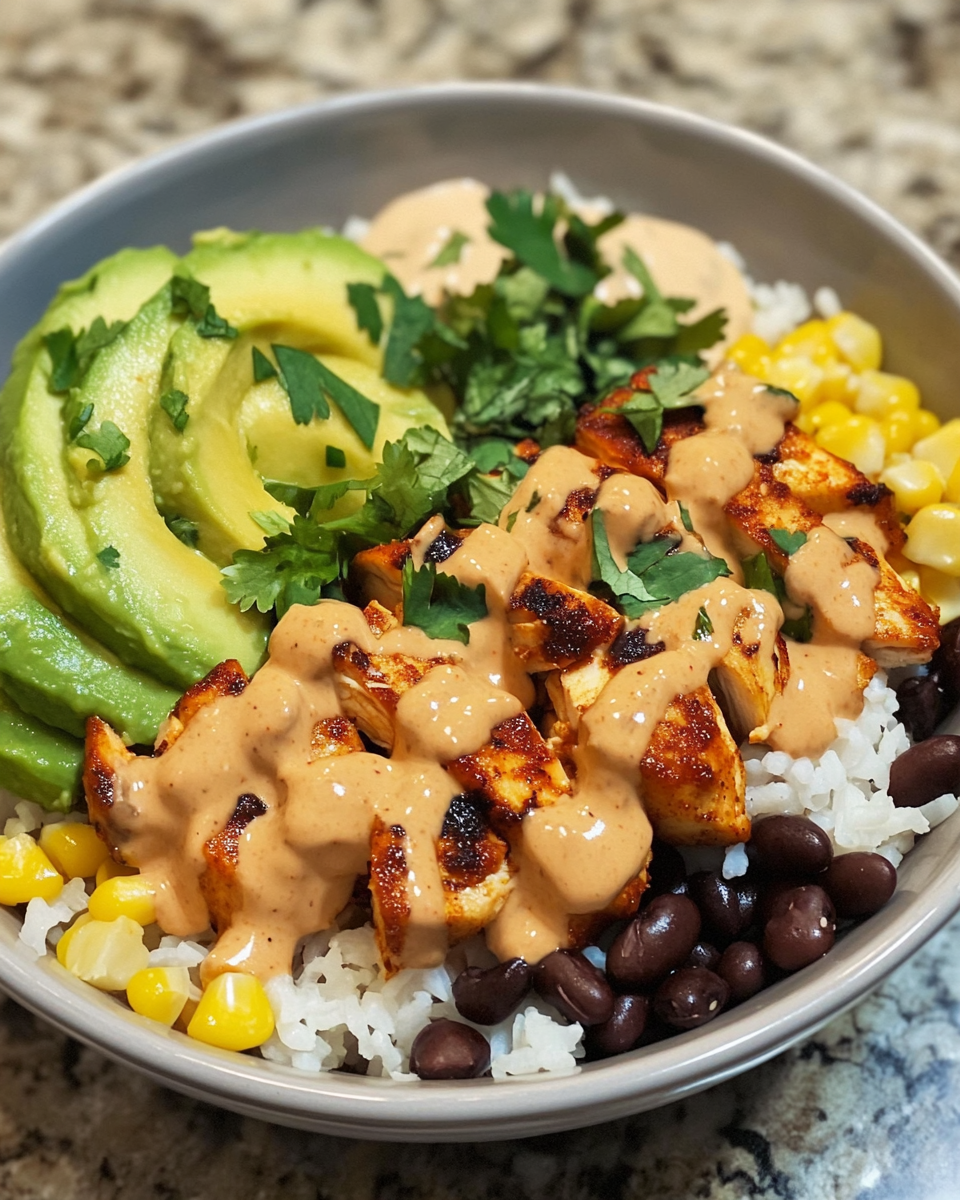
Ground beef meal prep bowls are a practical way to enjoy balanced, protein-rich meals throughout the week without spending hours in the kitchen every day. These low calorie ground beef meal prep bowls bring together lean beef, vegetables, and a light seasoning base that keeps everything satisfying while staying mindful of calories.
Each bowl is built for convenience and consistency. You cook once, portion everything into containers, and have ready-to-eat meals that work for lunch or dinner. The combination of savory beef, tender vegetables, and a simple sauce base creates a reliable go-to option for busy schedules.
This recipe focuses on everyday ingredients that are easy to find and budget-friendly. The flavors are mild but well-rounded, making it easy to enjoy multiple times a week without feeling repetitive. You can also adjust vegetables and seasonings depending on what you have available.
These meal prep bowls are especially helpful for anyone aiming to maintain a lighter eating pattern while still enjoying hearty, filling meals. The balance of protein, fiber, and slow-digesting carbohydrates helps keep you satisfied for hours.
Ingredients Overview

The foundation of these low calorie ground beef meal prep bowls is lean ground beef, typically 90% to 96% lean. This cut reduces excess fat while still providing rich flavor and a satisfying texture. When cooked properly, it remains juicy without becoming greasy, making it ideal for meal prep.
Vegetables play a major role in adding volume and nutrients without significantly increasing calories. Common choices include bell peppers, zucchini, broccoli, and carrots. These vegetables hold up well after reheating and maintain a pleasant bite when cooked correctly.
A simple carbohydrate base such as brown rice, quinoa, or cauliflower rice helps round out the bowls. Brown rice and quinoa provide steady energy, while cauliflower rice keeps the dish lighter in calories.
Seasonings are kept straightforward with garlic, onion, paprika, salt, and black pepper. These pantry staples build flavor without relying on heavy sauces. A light sauce made from soy sauce or tomato-based ingredients can be added for extra depth.
Olive oil is used in small amounts to cook the vegetables and beef, helping carry flavor while keeping the overall dish balanced. The combination of these ingredients creates a meal that is filling, flexible, and easy to prepare in batches.
Ingredients
1 pound lean ground beef (90–96% lean)
1 tablespoon olive oil
1 medium onion, diced
3 cloves garlic, minced
1 red bell pepper, sliced
1 zucchini, chopped
2 cups broccoli florets
1 cup shredded carrots
1 cup cooked brown rice (or quinoa)
1/4 cup low sodium soy sauce
1 tablespoon tomato paste
1/2 teaspoon paprika
1/2 teaspoon salt
1/4 teaspoon black pepper
1/2 teaspoon dried oregano
1 tablespoon water (as needed for sauce thinning)
Step-by-Step Instructions

Start by preparing all vegetables so the cooking process moves smoothly. Dice the onion, mince the garlic, and chop the bell pepper, zucchini, broccoli, and carrots into even-sized pieces. This helps everything cook evenly and keeps texture consistent in each bowl.
Heat a large skillet over medium heat and add olive oil. Once the oil is warm, add diced onion and cook for about 2–3 minutes until it begins to soften. Add the garlic and stir briefly, cooking just until fragrant to avoid burning.
Add the ground beef to the skillet. Break it apart using a spatula and cook until it is fully browned. This usually takes around 6–8 minutes. If excess liquid or fat collects, carefully drain it off to keep the mixture light.
Once the beef is browned, add paprika, salt, black pepper, and oregano. Stir well so the seasoning coats the meat evenly. Add the bell pepper, zucchini, broccoli, and carrots directly into the skillet.
Cook the vegetables with the beef for about 6–8 minutes. Stir occasionally so they soften evenly but still maintain a slight bite. The goal is tender vegetables that do not become overly soft, especially for meal prep storage.
In a small bowl, mix soy sauce, tomato paste, and a tablespoon of water. Pour this mixture into the skillet and stir until everything is evenly coated. Let it cook for another 2–3 minutes so the flavors come together and the sauce slightly thickens.
Prepare your base by dividing cooked brown rice or quinoa into meal prep containers. Spoon the beef and vegetable mixture evenly over each portion. Allow everything to cool before sealing containers and storing them in the refrigerator.
When reheating, warm each bowl until hot throughout. A splash of water can be added if needed to restore moisture.
Tips, Variations & Substitutions
Using lean ground beef is important for keeping these bowls low in calories, but you can also substitute ground turkey or ground chicken if preferred. Both options work well with the same seasoning profile and vegetable mix.
Vegetable choices can be adjusted based on season or preference. Mushrooms, spinach, green beans, or cauliflower are all good additions. Just keep cooking times in mind so nothing becomes too soft.
For extra flavor without adding many calories, consider adding chili flakes, smoked paprika, or a small amount of balsamic vinegar to the sauce mixture. These small additions can change the flavor profile without making the dish heavy.
If you prefer a lower carbohydrate option, replace rice or quinoa with cauliflower rice. It absorbs the sauce well and keeps the bowls light while still feeling complete.
Meal prep storage works best when ingredients are fully cooled before sealing containers. This helps maintain texture and prevents excess moisture buildup during refrigeration.
Serving Ideas & Occasions
These low calorie ground beef meal prep bowls work well for weekday lunches, quick dinners, or post-workout meals. They are easy to pack and reheat, making them ideal for office lunches or busy schedules.
You can serve them with a side of fresh salad or a simple cucumber and tomato mix for added freshness. A light yogurt-based dip or simple salsa also pairs well without adding heaviness.
For dinner settings, these bowls can be served alongside roasted vegetables or a light soup. The combination creates a balanced plate without requiring additional complex cooking.
They are also useful for structured meal planning routines where consistent portions are needed throughout the week. Their simple flavor makes them easy to pair with different side options so meals do not feel repetitive.
Nutritional & Health Notes
These meal prep bowls are built around lean protein, which supports muscle maintenance and helps promote fullness. Ground beef provides iron, zinc, and vitamin B12, all important nutrients for daily function.
Vegetables contribute fiber, vitamins, and antioxidants while keeping calorie content low. The variety of colors also adds a wide range of micronutrients to the meal.
Using controlled portions of rice or quinoa helps provide energy without overwhelming calorie intake. For lighter versions, cauliflower rice reduces carbohydrates significantly while still offering bulk.
The overall balance of protein, fiber, and moderate carbohydrates makes these bowls suitable for consistent meal planning. They support steady energy levels and help reduce the need for frequent snacking between meals.
FAQs
Can I use a different type of meat instead of ground beef?
Yes, ground turkey or ground chicken can be used in place of ground beef in these meal prep bowls. Both options are naturally lean and work well with the same seasoning and vegetable combination. Ground turkey tends to have a slightly lighter flavor, while ground chicken is very mild and absorbs sauces easily. Cooking times remain similar, but it is important to break the meat apart thoroughly and cook until fully browned. If using extra-lean meats, adding a small amount of olive oil can help maintain moisture and improve texture during reheating.
What vegetables work best for meal prep bowls?
Vegetables that hold their texture after reheating are the best choice for these bowls. Bell peppers, zucchini, broccoli, carrots, and green beans work especially well. Mushrooms also add depth of flavor and reheat nicely. Leafy greens like spinach can be added, but they tend to soften significantly, so they are best mixed in at the end of cooking. The goal is to choose vegetables that stay slightly firm so the bowls do not become watery or overly soft after refrigeration and reheating.
Can I make these bowls ahead of time for the entire week?
Yes, these bowls are designed for meal prep and can be stored in the refrigerator for several days. Once cooked, allow the food to cool completely before sealing in containers. This helps maintain texture and prevents excess moisture buildup. They typically stay fresh for up to four days when properly stored. For longer storage, freezing is an option, although vegetables may soften slightly after thawing. Reheat each portion thoroughly before eating for best flavor and texture.
How can I keep the ground beef from becoming dry?
Using lean ground beef requires careful cooking to maintain moisture. Avoid overcooking the meat once it is browned. Adding a small amount of sauce, such as soy sauce and tomato paste mixture, helps keep everything moist during storage and reheating. Including vegetables with higher water content, like zucchini or bell peppers, also helps balance texture. When reheating, adding a teaspoon of water before warming can restore moisture and prevent dryness.
Can I make this recipe lower in carbohydrates?
Yes, reducing carbohydrates is simple with this recipe. Replace brown rice or quinoa with cauliflower rice for a lower calorie base. Cauliflower rice absorbs the flavors of the beef and vegetables while significantly reducing carbohydrate content. You can also increase the vegetable portion to make the bowls more filling without adding starches. This adjustment keeps the meal light while still providing enough volume and satisfaction.
What sauces can I add for extra flavor?
A light soy sauce and tomato paste base already adds mild flavor, but additional sauces can be used in small amounts. Options like teriyaki-style sauce, chili garlic sauce, or a light yogurt-based dressing can change the flavor profile without making the dish heavy. It is best to add sauces sparingly to keep the calorie content low while still enhancing taste. Drizzling sauce after reheating also helps maintain better texture in the meal prep containers.
How do I prevent the meal prep bowls from getting soggy?
To prevent sogginess, make sure all ingredients are fully cooked and excess liquid is reduced before assembling the bowls. Drain any remaining moisture from the beef after browning if needed. Allow cooked ingredients to cool before sealing containers, as steam can create excess moisture. Storing rice or quinoa separately from the beef mixture can also help maintain texture if you prefer firmer grains. Proper storage and cooling are key to keeping each component fresh.