Italian Herb Chicken Thighs: 5 Amazing Cozy Meals

Posted on

Uncategorized

Difficulty

Prep time

Cooking time

Total time

Servings

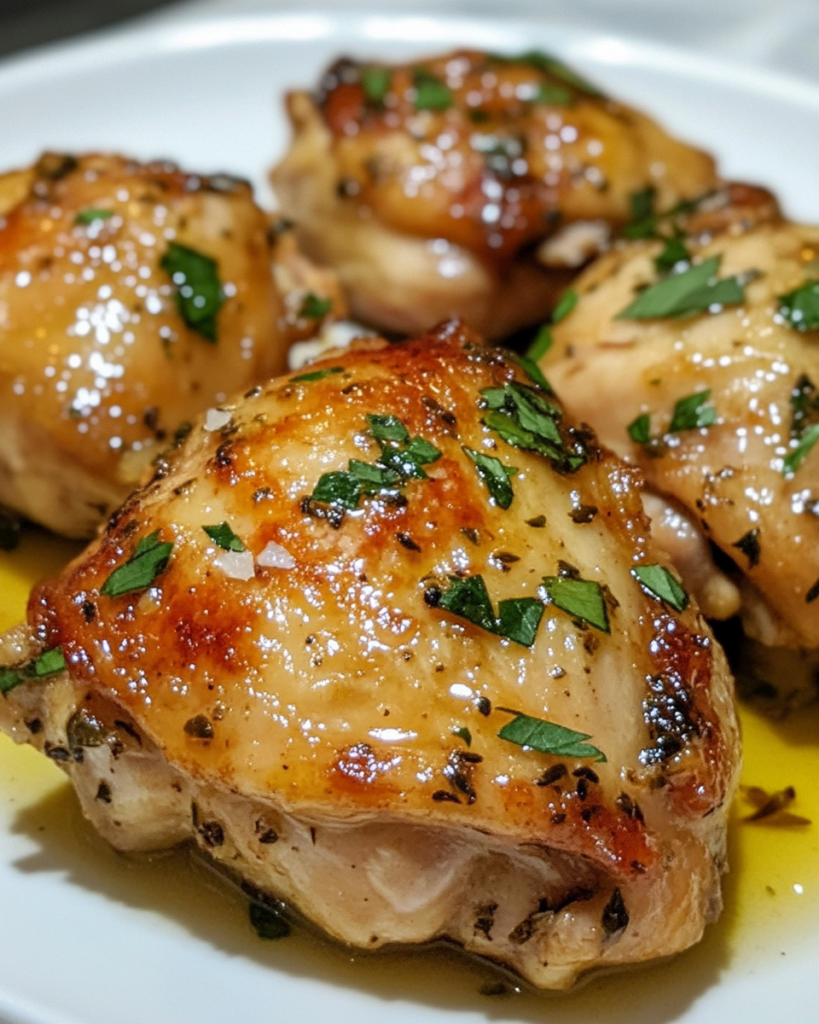
Italian Herb Chicken Thighs bring together crisp golden skin, juicy meat, and fragrant herbs in a comforting skillet dinner that suits both busy weeknights and relaxed family gatherings. The combination of rosemary, oregano, thyme, and garlic creates a rich aroma while the chicken roasts until tender and deeply savory.

This recipe relies on pantry staples and a simple cooking method, yet the final dish tastes layered and hearty. Bone-in chicken thighs stay moist during roasting, while olive oil and herbs form a flavorful coating that browns beautifully in the oven. A splash of lemon at the end brightens the rich flavor and balances the herbs perfectly.

These Italian Herb Chicken Thighs pair well with roasted vegetables, creamy mashed potatoes, buttered pasta, or warm rustic bread. The leftovers also store well, which makes this recipe practical for meal preparation throughout the week.

Ingredients Overview
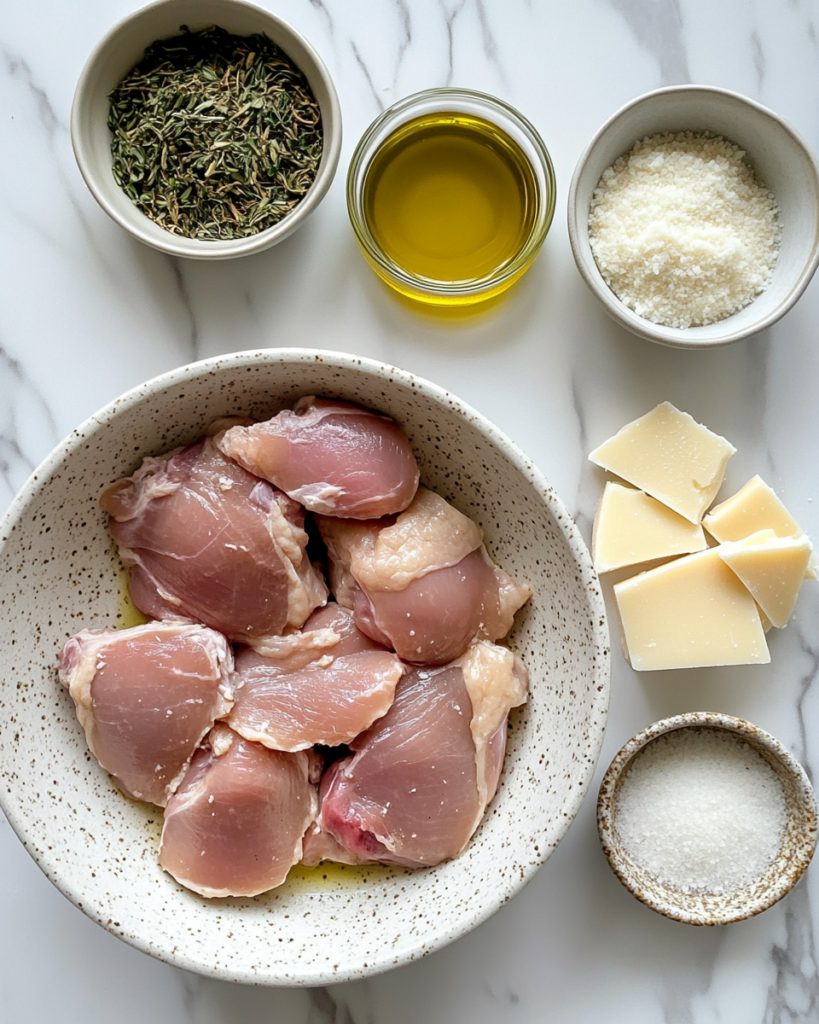
Chicken thighs are ideal for this recipe because their higher fat content keeps the meat tender during roasting. Bone-in, skin-on thighs develop crisp skin while locking moisture inside the meat. Boneless thighs may also work, though they cook more quickly and lack the same rich texture.

Olive oil helps the herb mixture cling to the chicken while encouraging even browning. Garlic adds depth and warmth without overpowering the herbs. Fresh herbs provide the strongest aroma, though dried herbs remain a practical option for everyday cooking.

Rosemary gives the dish a woodsy fragrance, oregano contributes earthy notes, and thyme rounds out the seasoning with subtle sweetness. Paprika adds mild color and warmth while black pepper balances the savory flavors.

Lemon juice added near the end of cooking cuts through the richness of the chicken and adds brightness to every bite. A small amount of chicken broth in the baking dish keeps the meat moist and creates flavorful pan juices perfect for spooning over potatoes or rice.

For substitutions, avocado oil may replace olive oil for a milder flavor. Fresh parsley can replace thyme, and red pepper flakes may add gentle heat. Skinless thighs may also work, though the texture becomes softer rather than crisp.

Ingredients

8 bone-in, skin-on chicken thighs
3 tablespoons olive oil
4 cloves garlic, minced
1 tablespoon fresh rosemary, chopped
1 tablespoon fresh oregano, chopped
1 tablespoon fresh thyme leaves
1 teaspoon paprika
1 teaspoon kosher salt
1/2 teaspoon black pepper
1 teaspoon onion powder
1/2 teaspoon dried basil
1 lemon, sliced
2 tablespoons fresh lemon juice
1/3 cup chicken broth
2 tablespoons chopped parsley for garnish

Step-by-Step Instructions
Begin by preheating the oven to 425 degrees Fahrenheit. Pat the chicken thighs dry with paper towels. Removing excess moisture helps the skin brown properly rather than steam in the oven.

Place the chicken thighs in a large bowl. Add olive oil, garlic, rosemary, oregano, thyme, paprika, salt, black pepper, onion powder, and dried basil. Rub the seasoning mixture thoroughly over every piece, including beneath the skin where possible. Coating the meat evenly gives the chicken a richer herb flavor throughout.

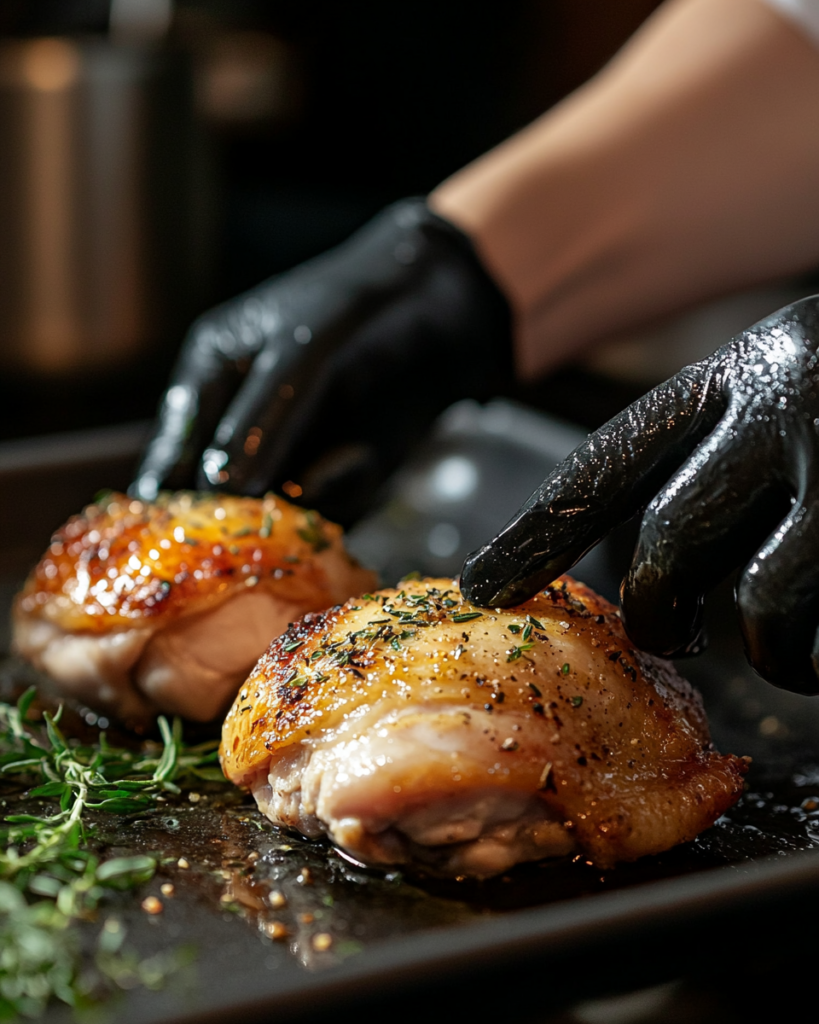
Heat a large oven-safe skillet over medium-high heat. Arrange the chicken thighs skin-side down in the hot skillet. Cook for about 5 to 6 minutes until the skin turns golden brown and releases naturally from the pan. Avoid moving the chicken too early since this may tear the skin.

Flip the chicken thighs and cook for another 2 minutes. Scatter lemon slices around the skillet and pour the chicken broth into the pan carefully to avoid splattering.

Transfer the skillet to the oven and roast for 25 to 30 minutes. The chicken should reach an internal temperature of 175 degrees Fahrenheit near the bone for tender dark meat. The skin should appear crisp and deep golden.

If the skin needs additional color, place the skillet beneath the broiler for 2 to 3 minutes. Watch closely because the herbs and garlic may darken quickly.

Remove the skillet from the oven and drizzle fresh lemon juice over the chicken. Allow the meat to rest for 5 minutes before serving. Resting keeps the juices inside the chicken rather than spilling onto the plate.

Spoon some of the warm pan juices over each serving for extra flavor. Garnish with chopped parsley before bringing the dish to the table.

One common mistake involves overcrowding the skillet. Crowded chicken releases steam, which prevents crisp skin. Use a large enough pan so the thighs sit comfortably apart. Another frequent issue comes from skipping the drying step. Dry skin browns far more effectively than damp skin.

For extra herb flavor, marinate the chicken for up to 8 hours before cooking. The garlic and herbs gradually soak into the meat, creating deeper savory notes.

Tips, Variations & Substitutions

Fresh herbs create the most fragrant result, though dried herbs remain convenient and still produce rich flavor. When using dried herbs, reduce the quantity slightly since dried herbs carry a more concentrated taste.

Boneless chicken thighs shorten the cooking time considerably. Begin checking the internal temperature after 18 minutes in the oven. Chicken breasts may also work, though they require careful timing to avoid dryness.

For additional richness, add sliced onions and baby potatoes directly into the skillet before roasting. The vegetables absorb the flavorful pan juices while cooking alongside the chicken.

A sprinkle of grated Parmesan near the end of roasting creates a lightly savory crust that pairs beautifully with the herbs. Red pepper flakes may add subtle heat without overpowering the dish.

Those seeking a lighter version may remove the chicken skin after cooking while still enjoying the flavor from the herbs and roasting juices. Lower-sodium chicken broth also works well for controlling salt levels.

This recipe adapts nicely for outdoor grilling. Cook the thighs over medium heat until the skin turns crisp and the meat reaches the proper temperature. A squeeze of grilled lemon over the chicken adds smoky brightness.

Serving Ideas & Occasions

Italian Herb Chicken Thighs fit naturally into family dinners, casual gatherings, and weekend comfort meals. The savory herb coating pairs beautifully with creamy mashed potatoes, buttered noodles, roasted carrots, or garlic rice.

For a lighter plate, serve the chicken with a crisp green salad dressed in lemon vinaigrette. Steamed green beans and roasted zucchini also complement the rich flavors without overpowering the herbs.

Warm crusty bread works especially well for soaking up the flavorful pan juices left in the skillet. Sparkling water with lemon, iced tea, or a light white wine pair nicely alongside the savory chicken.

This dish also works well for meal preparation because the chicken reheats beautifully. Leftover chicken may be sliced over pasta, tucked into wraps, or served beside roasted vegetables for easy lunches throughout the week.

Nutritional & Health Notes

Chicken thighs provide protein, iron, zinc, and B vitamins while remaining naturally flavorful and satisfying. The dark meat contains slightly more fat than chicken breast, though that extra richness keeps the meat tender during roasting.

Olive oil contributes heart-friendly fats while helping the herbs coat the chicken evenly. Garlic and herbs add flavor without relying heavily on butter or rich sauces.

Using fresh lemon juice brightens the dish naturally and balances the savory richness of the chicken. Pairing the chicken with roasted vegetables or salads creates a balanced meal with fiber and vitamins.

Those monitoring sodium intake may reduce the added salt or use low-sodium broth. Removing the skin after cooking lowers the fat content while still preserving much of the herb flavor from the roasting process.

Because the chicken is roasted rather than heavily fried, the finished dish feels hearty without becoming overly greasy or heavy.

FAQs

Can I use boneless chicken thighs?

Boneless chicken thighs work very well in this recipe and cook more quickly than bone-in pieces. Since boneless thighs contain less insulation, they typically finish roasting in about 18 to 22 minutes depending on thickness. A meat thermometer remains the most reliable way to check doneness. The internal temperature should reach at least 165 degrees Fahrenheit.

Boneless thighs also absorb marinades quickly, which makes them practical for fast weeknight cooking. Keep a close watch during roasting because they may dry out if left too long in the oven. A shorter cooking time and occasional spoonfuls of pan juices help maintain tenderness.

Can I prepare the chicken ahead of time?

Yes, the chicken may be seasoned several hours ahead or even overnight. Marinating allows the herbs and garlic to soak deeper into the meat, resulting in fuller flavor after roasting. Store the seasoned chicken covered in the refrigerator until ready to cook.

Before placing the chicken into the skillet, allow it to sit at room temperature for about 20 minutes. This promotes more even cooking. Pat the skin dry again before searing because moisture gathered during refrigeration may interfere with browning.

Preparing the chicken early also saves time during busy evenings while still producing a flavorful homemade dinner.

How should leftovers be stored?

Store leftover Italian Herb Chicken Thighs in an airtight container in the refrigerator for up to four days. Keeping some of the pan juices with the chicken helps maintain moisture during reheating.

For reheating, place the chicken in a baking dish covered loosely with foil and warm in a 350-degree oven until heated through. This method keeps the meat juicy while helping the skin regain some crispness. Microwaving works for convenience, though the skin softens considerably.

Leftovers may also be shredded and added to pasta, soups, sandwiches, or grain bowls for quick lunches and dinners later in the week.

What herbs work well in this recipe?

Rosemary, oregano, and thyme form the classic herb combination for this dish because they hold up beautifully during roasting. Their savory fragrance complements dark chicken meat especially well.

Fresh parsley may add brightness after cooking, while basil contributes softer sweetness. Sage also pairs nicely with chicken, especially during cooler months. If fresh herbs are unavailable, dried herbs still produce excellent flavor when used in smaller amounts.

Balancing the herbs matters more than using large quantities. Too much rosemary, for example, may overpower the other seasonings. A measured blend creates a rounded and savory flavor throughout the chicken.

Can this recipe be grilled instead of roasted?

Yes, Italian Herb Chicken Thighs adapt very nicely to grilling. Preheat the grill to medium heat and oil the grates lightly before adding the chicken. Begin cooking skin-side down until crisp grill marks appear.

Move the chicken occasionally to avoid burning the herbs and garlic. Bone-in thighs generally require about 30 to 35 minutes total depending on grill temperature. Always confirm doneness with a thermometer rather than relying only on appearance.

Grilling adds smoky depth that pairs beautifully with the herb seasoning. Fresh lemon squeezed over the chicken after grilling creates a balanced finish.

Why are chicken thighs better for roasting?

Chicken thighs contain more fat and connective tissue than chicken breasts, which helps them stay tender during high-heat cooking. Even after extended roasting, thighs remain juicy rather than dry.

Bone-in thighs also develop richer flavor because the bones contribute depth while cooking. The skin crisps beautifully in the oven and protects the meat beneath from drying out.

Another advantage comes from flexibility. Chicken thighs remain forgiving even if cooked slightly longer than planned, making them especially practical for home cooks seeking reliable results without constant monitoring.

What side dishes pair nicely with this chicken?

Roasted potatoes, creamy polenta, buttered noodles, and garlic rice all pair beautifully with Italian Herb Chicken Thighs because they absorb the savory pan juices well. Roasted carrots, asparagus, and green beans also complement the herb flavors nicely.

For lighter meals, serve the chicken alongside a crisp salad with lemon dressing or fresh cucumber salad. Warm bread is another practical option since it soaks up every bit of the flavorful juices from the skillet.

This dish also pairs comfortably with both casual and slightly formal meals, making it suitable for family dinners, gatherings, and relaxed weekend suppers.

………………..

[rank_math_breadcrumb]

Italian Herb Chicken Thighs: 5 Amazing Cozy Meals

Photo of author
Author: Ava
Published:

Italian Herb Chicken Thighs bring together crisp golden skin, juicy meat, and fragrant herbs in a comforting skillet dinner that suits both busy weeknights and relaxed family gatherings. The combination of rosemary, oregano, thyme, and garlic creates a rich aroma while the chicken roasts until tender and deeply savory.

This recipe relies on pantry staples and a simple cooking method, yet the final dish tastes layered and hearty. Bone-in chicken thighs stay moist during roasting, while olive oil and herbs form a flavorful coating that browns beautifully in the oven. A splash of lemon at the end brightens the rich flavor and balances the herbs perfectly.

These Italian Herb Chicken Thighs pair well with roasted vegetables, creamy mashed potatoes, buttered pasta, or warm rustic bread. The leftovers also store well, which makes this recipe practical for meal preparation throughout the week.

Ingredients Overview

Chicken thighs are ideal for this recipe because their higher fat content keeps the meat tender during roasting. Bone-in, skin-on thighs develop crisp skin while locking moisture inside the meat. Boneless thighs may also work, though they cook more quickly and lack the same rich texture.

Olive oil helps the herb mixture cling to the chicken while encouraging even browning. Garlic adds depth and warmth without overpowering the herbs. Fresh herbs provide the strongest aroma, though dried herbs remain a practical option for everyday cooking.

Rosemary gives the dish a woodsy fragrance, oregano contributes earthy notes, and thyme rounds out the seasoning with subtle sweetness. Paprika adds mild color and warmth while black pepper balances the savory flavors.

Lemon juice added near the end of cooking cuts through the richness of the chicken and adds brightness to every bite. A small amount of chicken broth in the baking dish keeps the meat moist and creates flavorful pan juices perfect for spooning over potatoes or rice.

For substitutions, avocado oil may replace olive oil for a milder flavor. Fresh parsley can replace thyme, and red pepper flakes may add gentle heat. Skinless thighs may also work, though the texture becomes softer rather than crisp.

Ingredients

8 bone-in, skin-on chicken thighs
3 tablespoons olive oil
4 cloves garlic, minced
1 tablespoon fresh rosemary, chopped
1 tablespoon fresh oregano, chopped
1 tablespoon fresh thyme leaves
1 teaspoon paprika
1 teaspoon kosher salt
1/2 teaspoon black pepper
1 teaspoon onion powder
1/2 teaspoon dried basil
1 lemon, sliced
2 tablespoons fresh lemon juice
1/3 cup chicken broth
2 tablespoons chopped parsley for garnish

Step-by-Step Instructions

Begin by preheating the oven to 425 degrees Fahrenheit. Pat the chicken thighs dry with paper towels. Removing excess moisture helps the skin brown properly rather than steam in the oven.

Place the chicken thighs in a large bowl. Add olive oil, garlic, rosemary, oregano, thyme, paprika, salt, black pepper, onion powder, and dried basil. Rub the seasoning mixture thoroughly over every piece, including beneath the skin where possible. Coating the meat evenly gives the chicken a richer herb flavor throughout.

Heat a large oven-safe skillet over medium-high heat. Arrange the chicken thighs skin-side down in the hot skillet. Cook for about 5 to 6 minutes until the skin turns golden brown and releases naturally from the pan. Avoid moving the chicken too early since this may tear the skin.

Flip the chicken thighs and cook for another 2 minutes. Scatter lemon slices around the skillet and pour the chicken broth into the pan carefully to avoid splattering.

Transfer the skillet to the oven and roast for 25 to 30 minutes. The chicken should reach an internal temperature of 175 degrees Fahrenheit near the bone for tender dark meat. The skin should appear crisp and deep golden.

If the skin needs additional color, place the skillet beneath the broiler for 2 to 3 minutes. Watch closely because the herbs and garlic may darken quickly.

Remove the skillet from the oven and drizzle fresh lemon juice over the chicken. Allow the meat to rest for 5 minutes before serving. Resting keeps the juices inside the chicken rather than spilling onto the plate.

Spoon some of the warm pan juices over each serving for extra flavor. Garnish with chopped parsley before bringing the dish to the table.

One common mistake involves overcrowding the skillet. Crowded chicken releases steam, which prevents crisp skin. Use a large enough pan so the thighs sit comfortably apart. Another frequent issue comes from skipping the drying step. Dry skin browns far more effectively than damp skin.

For extra herb flavor, marinate the chicken for up to 8 hours before cooking. The garlic and herbs gradually soak into the meat, creating deeper savory notes.

Tips, Variations & Substitutions

Fresh herbs create the most fragrant result, though dried herbs remain convenient and still produce rich flavor. When using dried herbs, reduce the quantity slightly since dried herbs carry a more concentrated taste.

Boneless chicken thighs shorten the cooking time considerably. Begin checking the internal temperature after 18 minutes in the oven. Chicken breasts may also work, though they require careful timing to avoid dryness.

For additional richness, add sliced onions and baby potatoes directly into the skillet before roasting. The vegetables absorb the flavorful pan juices while cooking alongside the chicken.

A sprinkle of grated Parmesan near the end of roasting creates a lightly savory crust that pairs beautifully with the herbs. Red pepper flakes may add subtle heat without overpowering the dish.

Those seeking a lighter version may remove the chicken skin after cooking while still enjoying the flavor from the herbs and roasting juices. Lower-sodium chicken broth also works well for controlling salt levels.

This recipe adapts nicely for outdoor grilling. Cook the thighs over medium heat until the skin turns crisp and the meat reaches the proper temperature. A squeeze of grilled lemon over the chicken adds smoky brightness.

Serving Ideas & Occasions

Italian Herb Chicken Thighs fit naturally into family dinners, casual gatherings, and weekend comfort meals. The savory herb coating pairs beautifully with creamy mashed potatoes, buttered noodles, roasted carrots, or garlic rice.

For a lighter plate, serve the chicken with a crisp green salad dressed in lemon vinaigrette. Steamed green beans and roasted zucchini also complement the rich flavors without overpowering the herbs.

Warm crusty bread works especially well for soaking up the flavorful pan juices left in the skillet. Sparkling water with lemon, iced tea, or a light white wine pair nicely alongside the savory chicken.

This dish also works well for meal preparation because the chicken reheats beautifully. Leftover chicken may be sliced over pasta, tucked into wraps, or served beside roasted vegetables for easy lunches throughout the week.

Nutritional & Health Notes

Chicken thighs provide protein, iron, zinc, and B vitamins while remaining naturally flavorful and satisfying. The dark meat contains slightly more fat than chicken breast, though that extra richness keeps the meat tender during roasting.

Olive oil contributes heart-friendly fats while helping the herbs coat the chicken evenly. Garlic and herbs add flavor without relying heavily on butter or rich sauces.

Using fresh lemon juice brightens the dish naturally and balances the savory richness of the chicken. Pairing the chicken with roasted vegetables or salads creates a balanced meal with fiber and vitamins.

Those monitoring sodium intake may reduce the added salt or use low-sodium broth. Removing the skin after cooking lowers the fat content while still preserving much of the herb flavor from the roasting process.

Because the chicken is roasted rather than heavily fried, the finished dish feels hearty without becoming overly greasy or heavy.

FAQs

Can I use boneless chicken thighs?

Boneless chicken thighs work very well in this recipe and cook more quickly than bone-in pieces. Since boneless thighs contain less insulation, they typically finish roasting in about 18 to 22 minutes depending on thickness. A meat thermometer remains the most reliable way to check doneness. The internal temperature should reach at least 165 degrees Fahrenheit.

Boneless thighs also absorb marinades quickly, which makes them practical for fast weeknight cooking. Keep a close watch during roasting because they may dry out if left too long in the oven. A shorter cooking time and occasional spoonfuls of pan juices help maintain tenderness.

Can I prepare the chicken ahead of time?

Yes, the chicken may be seasoned several hours ahead or even overnight. Marinating allows the herbs and garlic to soak deeper into the meat, resulting in fuller flavor after roasting. Store the seasoned chicken covered in the refrigerator until ready to cook.

Before placing the chicken into the skillet, allow it to sit at room temperature for about 20 minutes. This promotes more even cooking. Pat the skin dry again before searing because moisture gathered during refrigeration may interfere with browning.

Preparing the chicken early also saves time during busy evenings while still producing a flavorful homemade dinner.

How should leftovers be stored?

Store leftover Italian Herb Chicken Thighs in an airtight container in the refrigerator for up to four days. Keeping some of the pan juices with the chicken helps maintain moisture during reheating.

For reheating, place the chicken in a baking dish covered loosely with foil and warm in a 350-degree oven until heated through. This method keeps the meat juicy while helping the skin regain some crispness. Microwaving works for convenience, though the skin softens considerably.

Leftovers may also be shredded and added to pasta, soups, sandwiches, or grain bowls for quick lunches and dinners later in the week.

What herbs work well in this recipe?

Rosemary, oregano, and thyme form the classic herb combination for this dish because they hold up beautifully during roasting. Their savory fragrance complements dark chicken meat especially well.

Fresh parsley may add brightness after cooking, while basil contributes softer sweetness. Sage also pairs nicely with chicken, especially during cooler months. If fresh herbs are unavailable, dried herbs still produce excellent flavor when used in smaller amounts.

Balancing the herbs matters more than using large quantities. Too much rosemary, for example, may overpower the other seasonings. A measured blend creates a rounded and savory flavor throughout the chicken.

Can this recipe be grilled instead of roasted?

Yes, Italian Herb Chicken Thighs adapt very nicely to grilling. Preheat the grill to medium heat and oil the grates lightly before adding the chicken. Begin cooking skin-side down until crisp grill marks appear.

Move the chicken occasionally to avoid burning the herbs and garlic. Bone-in thighs generally require about 30 to 35 minutes total depending on grill temperature. Always confirm doneness with a thermometer rather than relying only on appearance.

Grilling adds smoky depth that pairs beautifully with the herb seasoning. Fresh lemon squeezed over the chicken after grilling creates a balanced finish.

Why are chicken thighs better for roasting?

Chicken thighs contain more fat and connective tissue than chicken breasts, which helps them stay tender during high-heat cooking. Even after extended roasting, thighs remain juicy rather than dry.

Bone-in thighs also develop richer flavor because the bones contribute depth while cooking. The skin crisps beautifully in the oven and protects the meat beneath from drying out.

Another advantage comes from flexibility. Chicken thighs remain forgiving even if cooked slightly longer than planned, making them especially practical for home cooks seeking reliable results without constant monitoring.

What side dishes pair nicely with this chicken?

Roasted potatoes, creamy polenta, buttered noodles, and garlic rice all pair beautifully with Italian Herb Chicken Thighs because they absorb the savory pan juices well. Roasted carrots, asparagus, and green beans also complement the herb flavors nicely.

For lighter meals, serve the chicken alongside a crisp salad with lemon dressing or fresh cucumber salad. Warm bread is another practical option since it soaks up every bit of the flavorful juices from the skillet.

This dish also pairs comfortably with both casual and slightly formal meals, making it suitable for family dinners, gatherings, and relaxed weekend suppers.

………………..

Name

Lorem ipsum dolor sit amet, consectetur adipiscing elit. Suspendisse varius enim in eros elementum tristique. Duis cursus, mi quis viverra ornare, eros dolor interdum nulla, ut commodo diam libero vitae erat.

You Might Also Like...

Spicy Chipotle Chicken Burrito Bowls: 5 Authentic Hope

Spicy Chipotle Chicken Burrito Bowls: 5 Authentic Hope

Creamy Chicken Tortellini Soup: 7 Amazing Cozy Bowls

Creamy Chicken Tortellini Soup: 7 Amazing Cozy Bowls

Chicken Parmesan Grilled Cheese: 5 Authentic Comforting Bites

Chicken Parmesan Grilled Cheese: 5 Authentic Comforting Bites

BBQ Chicken Flatbread Pizza: 7 Amazing Comforting Bites

BBQ Chicken Flatbread Pizza: 7 Amazing Comforting Bites

Tags:

You might also like these recipes

Leave a Comment