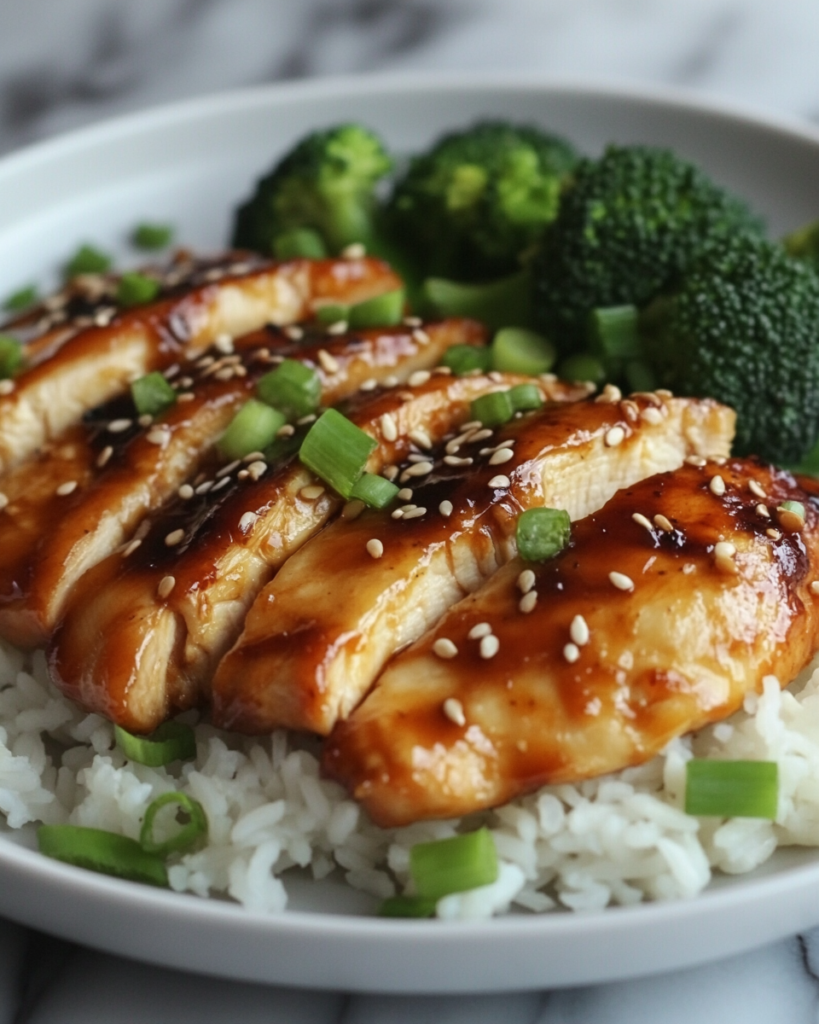
Honey Garlic Chicken Rice brings together tender chicken, warm rice, garlic, honey, and soy sauce in a skillet supper filled with rich flavor and cozy texture. The sauce coats every bite with a glossy finish while the rice absorbs the savory drippings from the pan. This dish works well during busy weeknights since it cooks quickly with pantry staples.
The balance between sweet honey, salty soy sauce, and fragrant garlic gives this meal broad appeal for both children and adults. Soft rice pairs nicely with juicy chicken, creating a filling plate without difficult preparation. Fresh green onions and sesame seeds bring light contrast across the rich sauce.
Another reason this recipe stays popular comes from its flexibility. Boneless chicken thighs create deeper flavor, while chicken breast offers a leaner option. Brown rice, jasmine rice, or long-grain white rice all fit comfortably within the recipe. Leftovers also reheat beautifully for lunch the following day.
Ingredients Overview

Chicken forms the heart of this skillet meal. Boneless chicken thighs stay moist during cooking and absorb the honey garlic glaze very well. Chicken breast also works nicely, though slightly shorter cooking keeps the meat tender rather than dry. Cutting the chicken into evenly sized pieces helps everything cook at the same pace.
Garlic provides the dominant aroma throughout the dish. Fresh minced garlic delivers fuller flavor compared with jarred garlic. Since garlic cooks quickly, stirring constantly during the early cooking stage prevents bitterness from developing inside the pan.
Honey creates sweetness while also thickening the sauce slightly. Combined with soy sauce, the honey turns glossy and caramel-like once heated. Low-sodium soy sauce keeps the finished meal balanced rather than overly salty. A small amount of rice vinegar brightens the sauce and cuts through the richness.
Rice acts as the comforting base underneath the chicken. Jasmine rice contributes soft floral notes, though long-grain white rice remains dependable and widely available. Brown rice gives a nuttier texture with extra fiber, though slightly longer preparation becomes necessary.
Cornstarch thickens the sauce gently so it clings to the chicken instead of pooling beneath the rice. Sesame oil adds depth near the end of cooking, while green onions add freshness across the finished plate. Sesame seeds contribute slight crunch and visual contrast.
Ingredients
1 1/2 pounds boneless skinless chicken thighs, cut into bite-sized pieces
2 cups cooked jasmine rice
4 cloves garlic, minced
1/3 cup honey
1/4 cup low-sodium soy sauce
1 tablespoon rice vinegar
1 tablespoon cornstarch
2 tablespoons water
1 tablespoon olive oil
1 teaspoon sesame oil
1/2 teaspoon black pepper
1/4 teaspoon salt
2 green onions, sliced
1 teaspoon sesame seeds
Step-by-Step Instructions

Pat the chicken pieces dry with paper towels before cooking. Removing surface moisture helps the chicken brown properly rather than steam inside the skillet. Sprinkle the chicken lightly with salt and black pepper.
Heat olive oil in a large skillet over medium-high heat. Once the oil shimmers, add the chicken in a single layer. Avoid overcrowding because crowded pieces release excess moisture and prevent caramelization. Cook the chicken for about 4 to 5 minutes without stirring frequently. Once the underside turns golden brown, flip the pieces and continue cooking another 4 minutes.
While the chicken cooks, whisk together honey, soy sauce, rice vinegar, and sesame oil in a small bowl. In another bowl, stir cornstarch with water until smooth. Keeping the cornstarch separate at first prevents lumps from forming inside the sauce.
Lower the skillet heat to medium. Add minced garlic directly into the pan beside the chicken. Stir constantly for about 30 seconds until fragrant. Garlic burns quickly, so remaining attentive during this stage matters greatly.
Pour the honey soy mixture into the skillet. Stir gently while the liquid begins bubbling around the chicken. After about 1 minute, stir the cornstarch mixture again and pour it into the pan. Continue stirring while the sauce thickens into a glossy coating.
Cook another 2 to 3 minutes until the chicken reaches an internal temperature of 165 degrees Fahrenheit. The sauce should lightly cling to the spoon rather than appear watery. If the glaze thickens too heavily, stir in a tablespoon of water.
Warm the cooked rice separately if prepared earlier. Spoon rice across serving bowls, then place the honey garlic chicken over the top. Drizzle extra sauce across each portion.
Scatter sliced green onions and sesame seeds over the finished dish before serving. Their fresh flavor balances the rich glaze while adding texture and visual contrast.
One common issue comes from overheating the honey sauce. Excessive heat may cause scorching or bitterness. Medium heat keeps the glaze smooth and glossy. Another frequent mistake involves adding garlic too early. Burned garlic creates harsh flavor throughout the entire skillet.
Tips, Variations & Substitutions
Chicken thighs usually produce richer flavor and softer texture, though chicken breast works perfectly for lighter meals. When using breast meat, slightly shorter cooking keeps the pieces juicy rather than dry.
Fresh ginger pairs nicely alongside garlic within the sauce. About one teaspoon of grated ginger adds warmth and mild spice. Crushed red pepper flakes also bring gentle heat for diners who prefer stronger seasoning.
Brown rice creates a heartier plate with additional fiber. Cauliflower rice offers a lower-carbohydrate alternative while still absorbing the flavorful sauce nicely. Quinoa also pairs pleasantly with the honey garlic glaze.
Vegetables fit easily into this skillet supper. Broccoli florets, snap peas, shredded carrots, or bell peppers cook quickly beside the chicken. Adding vegetables during the final few minutes keeps them slightly crisp instead of mushy.
Tamari replaces soy sauce comfortably for gluten-conscious diners. Maple syrup may replace honey for slightly different sweetness and deeper caramel notes. Cornstarch can also shift to arrowroot powder using equal amounts.
Meal preparation works particularly well with this recipe. Store cooked portions inside airtight containers for up to four days inside the refrigerator. Reheat gently in a skillet or microwave with a splash of water to loosen the sauce.
Serving Ideas & Occasions
Honey Garlic Chicken Rice fits naturally into casual family suppers, relaxed gatherings, or weekday meal preparation. Since the dish cooks fairly quickly, it works beautifully after long workdays when extensive kitchen time feels tiring.
Steamed broccoli, roasted green beans, or cucumber salad pair nicely beside the rich glaze. Light vegetable sides balance the sweetness from the honey sauce while bringing extra freshness across the plate. Stir-fried bok choy also complements the garlic notes beautifully.
Cold sparkling water with lemon provides refreshing contrast alongside the savory chicken. Unsweetened iced tea also pairs comfortably with the sauce without overwhelming the meal.
For larger gatherings, serve the chicken from a wide platter surrounded by rice and scattered green onions. Guests can spoon portions easily while the glossy sauce keeps the presentation inviting throughout dinner.
Leftovers work nicely for packed lunches since the flavors deepen slightly overnight. The rice absorbs extra sauce during storage, creating an even richer texture the following day.
Nutritional & Health Notes
This recipe offers balanced protein, carbohydrates, and moderate fat within one bowl. Chicken supplies substantial protein that supports fullness and steady energy. Rice contributes carbohydrates that pair naturally with the savory glaze and tender meat.
Using low-sodium soy sauce helps control salt levels without sacrificing flavor. Fresh garlic contributes strong aroma and depth, allowing lighter seasoning overall. Green onions and sesame seeds add small amounts of vitamins, minerals, and texture.
Chicken thighs contain slightly higher fat compared with breast meat, though they also stay juicier during skillet cooking. Diners seeking leaner portions may prefer breast meat instead. Brown rice raises fiber content and creates slower digestion compared with white rice.
The honey glaze contributes sweetness, though moderate serving sizes keep the meal balanced within an ordinary supper routine. Adding vegetables such as broccoli or snap peas increases fiber and freshness while stretching the meal further.
Since the dish cooks inside one skillet, cleanup stays manageable and additional cooking fats remain fairly limited. Careful portioning of sauce and rice also helps maintain balanced servings.
FAQs
Can chicken breast replace chicken thighs?
Chicken breast works very well inside Honey Garlic Chicken Rice. Since breast meat contains less fat compared with thighs, slightly shorter cooking becomes helpful for preserving tenderness. Cutting the breast into evenly sized cubes promotes steady cooking and prevents dry edges. Medium heat also works better than very high heat because aggressive cooking may tighten the meat quickly.
Many diners prefer thighs because they remain naturally juicy beneath the honey garlic sauce. Still, breast meat absorbs the glaze nicely and creates a lighter supper option. Checking the internal temperature with a thermometer helps prevent overcooking. Once the chicken reaches 165 degrees Fahrenheit, removing the skillet from heat keeps the texture soft and pleasant.
Which rice variety tastes nicest with this recipe?
Jasmine rice remains a popular pairing because its soft texture absorbs the honey garlic glaze beautifully. The light floral aroma also balances the savory soy sauce and garlic notes. Long-grain white rice works nicely as well, especially for diners seeking fluffy grains with milder flavor.
Brown rice creates heartier texture and slightly nutty flavor. Though preparation takes longer, the extra fiber produces a filling meal. Short-grain rice creates softer texture with mild stickiness, which also pairs pleasantly beside glazed chicken.
Freshly cooked rice usually delivers the softest texture, though leftover rice reheats successfully for this recipe. Adding a splash of water during reheating restores moisture and prevents dryness before serving.
Can this dish stay inside the freezer?
Honey Garlic Chicken Rice freezes fairly well when stored properly. Allow the chicken and rice to cool fully before transferring portions into airtight freezer containers. Separating individual servings helps later reheating since smaller portions thaw faster and more evenly.
Frozen portions usually maintain pleasant flavor for about two months. During reheating, adding a spoonful of water helps loosen the sauce because rice tends to absorb moisture during frozen storage. Reheating slowly inside a skillet often preserves texture better than intense microwave heating.
Green onions and sesame seeds taste freshest when added after reheating rather than before freezing. Their texture remains brighter and more appealing with fresh garnish added shortly before serving.
How can the sauce become thicker?
Cornstarch creates the glossy texture inside the honey garlic glaze. Mixing cornstarch thoroughly with cold water before adding it into the skillet prevents lumps from forming. Once stirred into the simmering sauce, the liquid thickens gradually within a couple minutes.
If the sauce still appears thin, another small cornstarch slurry may help. Stir one teaspoon cornstarch with one teaspoon water, then slowly add it while stirring continuously. Avoid adding dry cornstarch directly into the skillet because clumps may form immediately.
Cooking over medium heat also matters greatly. Excessively low heat may leave the sauce watery, while extremely high heat risks scorching the honey. Steady simmering produces the smoothest glaze.
Which vegetables pair nicely inside this meal?
Broccoli, snap peas, carrots, zucchini, and bell peppers all pair comfortably with the sweet garlic sauce. Firmer vegetables usually enter the skillet slightly earlier so they soften properly before serving. Softer vegetables such as zucchini require shorter cooking near the final minutes.
Adding vegetables creates broader texture variation across the bowl while stretching servings further for larger households. Bright green vegetables also contrast nicely beside the rich brown glaze.
Many diners enjoy serving vegetables directly inside the skillet with the chicken rather than on the side. This approach allows the vegetables to absorb some sauce while keeping cleanup simple afterward. Slightly crisp vegetables generally create the nicest texture beside soft rice.
Is this recipe suitable for meal preparation?
Honey Garlic Chicken Rice performs wonderfully during weekly meal preparation. The chicken reheats nicely, and the sauce usually becomes even richer after resting overnight inside the refrigerator. Portioning rice and chicken into individual containers keeps weekday lunches simple and convenient.
When reheating, adding a small splash of water refreshes the sauce and prevents dryness. Gentle reheating inside a skillet often preserves texture better, though microwave reheating still works successfully for busy schedules.
Fresh garnishes such as sliced green onions should remain separate until serving time whenever possible. Their flavor and texture stay brighter that way. Properly refrigerated portions usually remain pleasant for around four days.
Can honey shift to another sweetener?
Maple syrup works nicely as a substitute for honey and creates slightly deeper caramel flavor. Brown sugar dissolved into the sauce also functions successfully, though the glaze may become slightly thinner compared with honey-based sauce.
Agave syrup produces mild sweetness with smooth texture, making another workable alternative. Regardless of the sweetener selected, balancing sweetness with soy sauce and rice vinegar remains important for balanced flavor.
Some sweeteners brown faster than others during skillet cooking. Watching the heat carefully prevents scorching around the pan edges. Moderate simmering allows the glaze to coat the chicken evenly while preserving smooth texture throughout the finished dish.