Ground beef and cabbage skillet 30-Minute Simple Massive

Posted on

Beef

Difficulty

Prep time

Cooking time

Total time

Servings

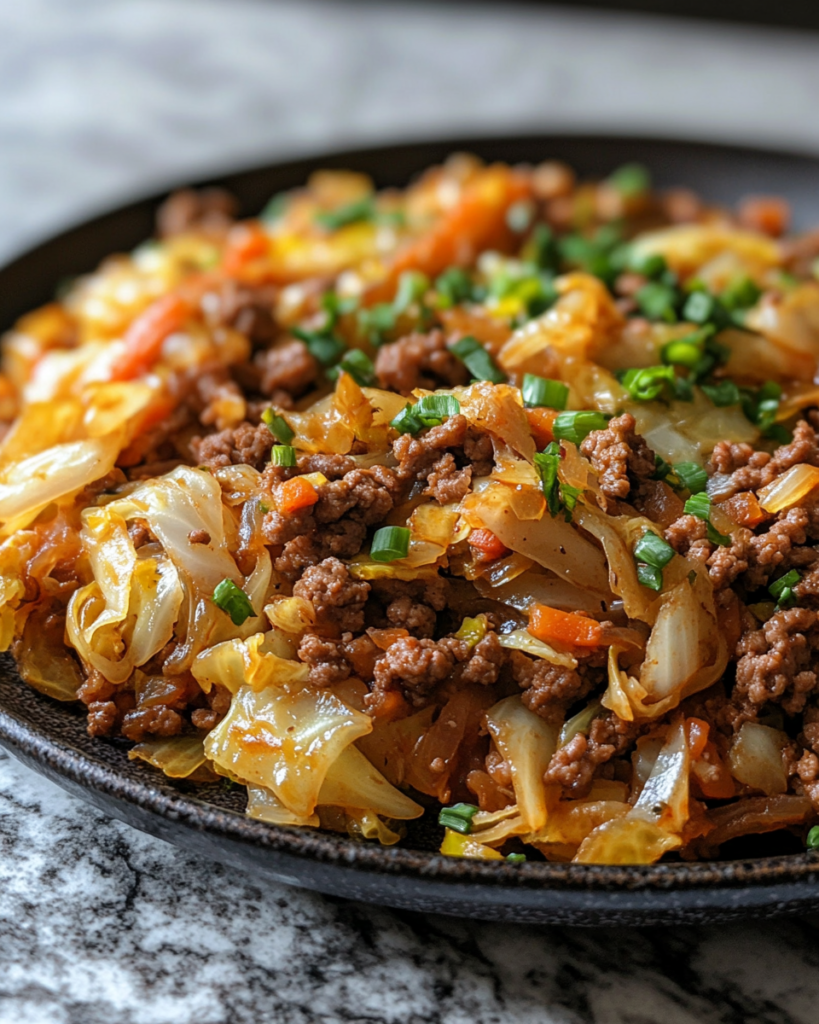
A ground beef and cabbage skillet is one of those comforting, no-fuss meals that comes together in a single pan with deep, savory flavor and satisfying texture. It’s the kind of dish that feels homey on busy nights, when you want something warm, filling, and straightforward without spending hours in the kitchen.

This recipe blends browned ground beef with tender cabbage, aromatic onion, garlic, and a light seasoning mix that ties everything together. As it cooks, the cabbage softens and absorbs the savory juices from the beef, creating a rich and balanced bite in every forkful.

What makes this dish especially appealing is its versatility. It works well on its own or paired with simple sides like rice or roasted potatoes. It also stores nicely, making it a practical option for meal prep across a few days.

The flavor profile leans savory and slightly sweet from the cabbage, with a gentle peppery warmth. Every ingredient plays a role in building depth without making the dish feel heavy or complicated.

Ingredients Overview
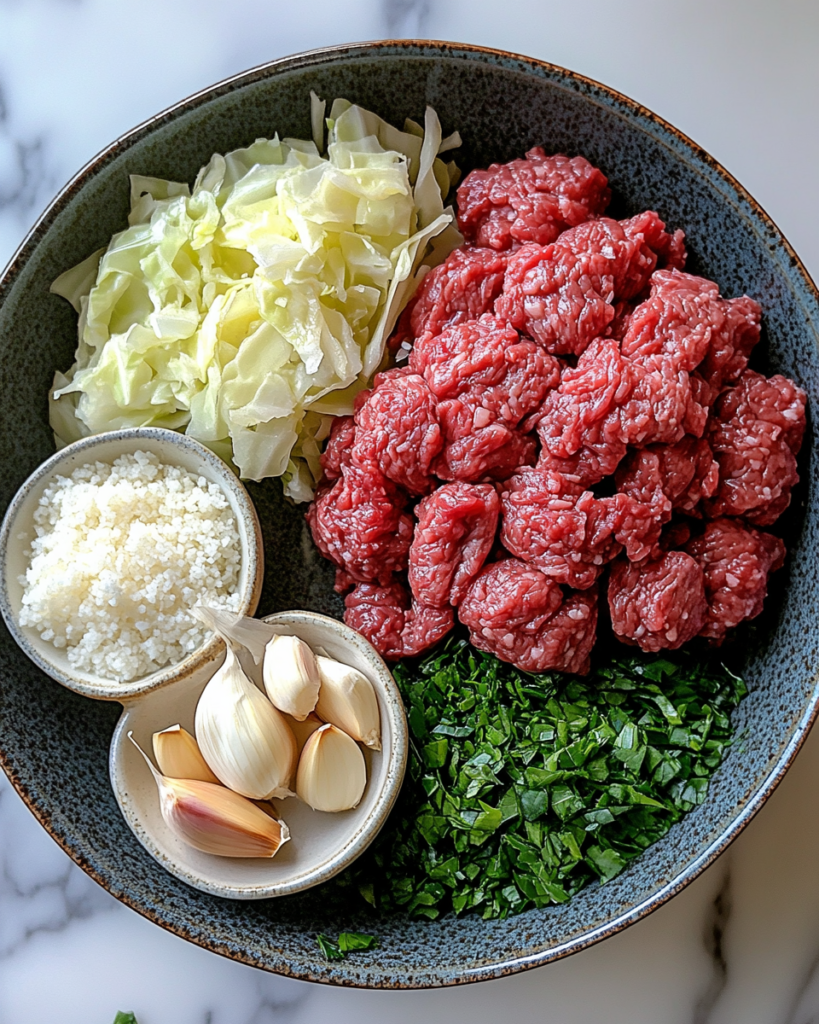
Ground beef forms the base of this skillet, bringing richness and protein that anchors the entire dish. A moderate fat content, such as 85/15, works well because it provides flavor while still allowing the cabbage and seasonings to shine. If you prefer a leaner option, you can use 90/10, though a small splash of oil may be helpful to keep the texture moist.

Cabbage is the other key component. When cooked, it becomes tender and slightly sweet, balancing the savory beef. Green cabbage is most commonly used because it holds its structure well during cooking, but savoy cabbage can also work for a softer texture. It absorbs the pan juices beautifully, making it flavorful without needing heavy sauces.

Onion and garlic build the aromatic foundation. Onion adds natural sweetness as it softens, while garlic brings depth and a warm, savory edge. These two ingredients help round out the overall flavor so the dish tastes well developed even with a short ingredient list.

Seasonings such as paprika, black pepper, and salt provide balance. Paprika adds gentle warmth and color, while black pepper brings mild heat. Salt ties everything together and enhances the natural flavors of the beef and cabbage.

A small amount of tomato paste or diced tomatoes can be added for subtle acidity, which brightens the dish and prevents it from feeling too heavy. Beef broth is sometimes included to create a light, savory coating that helps the cabbage soften evenly.

Olive oil is used for sautéing if needed, especially when working with leaner beef. It helps prevent sticking and supports even browning of the aromatics.

Ingredients

1 pound ground beef
4 cups green cabbage, sliced
1 medium onion, diced
3 cloves garlic, minced
1 tablespoon olive oil (if needed)
2 tablespoons tomato paste
1/2 cup beef broth
1 teaspoon paprika
1/2 teaspoon black pepper
1 teaspoon salt
1/2 teaspoon dried thyme
1 tablespoon Worcestershire sauce
1 tablespoon butter (optional for finishing)

Step-by-Step Instructions
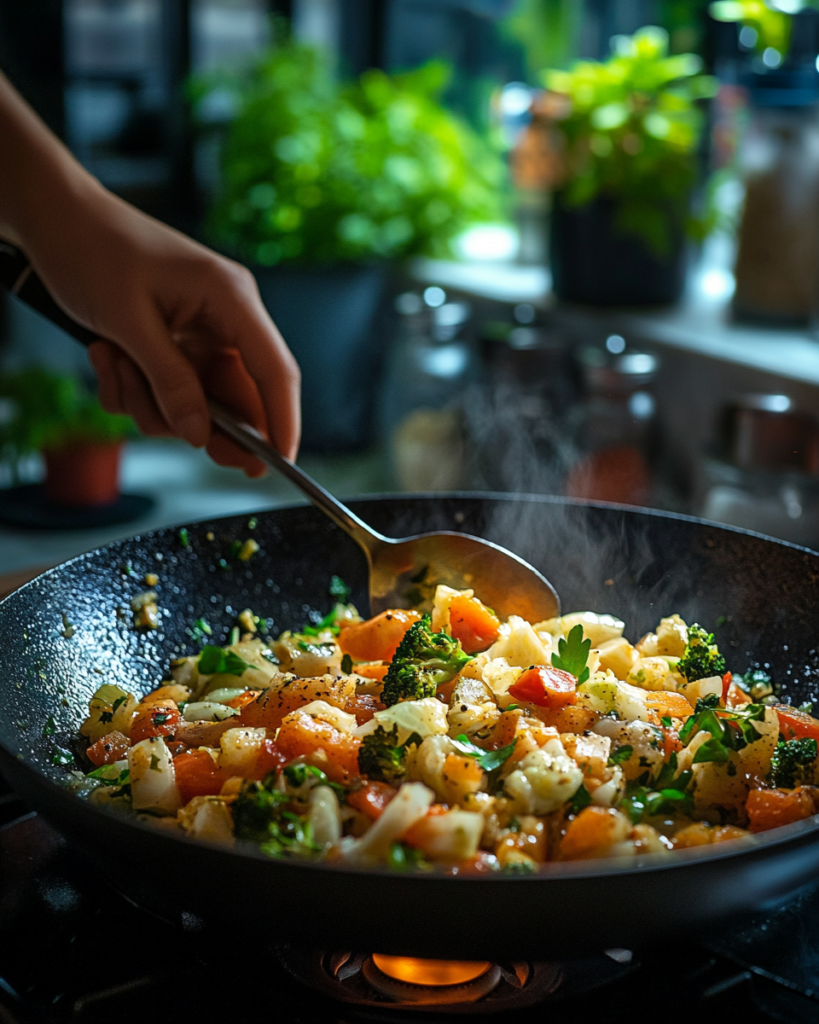
Start by placing a large skillet over medium-high heat. Add the ground beef and break it apart with a wooden spoon as it cooks. Allow it to brown fully so it develops deeper flavor. If there is excess fat, drain a portion while leaving a small amount in the pan to keep the mixture moist.

Add the diced onion directly into the skillet with the browned beef. Cook for several minutes until the onion softens and becomes slightly translucent. This step builds a flavorful base as the onion absorbs the savory drippings from the beef.

Stir in the minced garlic and cook briefly until fragrant. Garlic cooks quickly, so keep it moving in the pan to avoid bitterness. At this stage, the aroma should be rich and savory.

Add the tomato paste and stir it through the beef mixture. Let it cook for a minute so it blends into the meat and deepens in flavor. Sprinkle in paprika, black pepper, salt, and dried thyme, stirring well so the seasonings coat the ingredients evenly.

Pour in the beef broth and Worcestershire sauce. Stir and allow the mixture to simmer gently. The liquid helps loosen any browned bits from the bottom of the pan, which adds extra flavor to the dish.

Add the sliced cabbage gradually. It may look like a large amount at first, but it will soften quickly as it cooks. Stir it into the beef mixture so it begins to wilt and absorb the seasoning.

Cover the skillet and reduce the heat slightly. Let the cabbage cook until tender but still slightly structured, stirring occasionally so it cooks evenly. The goal is soft cabbage that still holds some bite, not mushy texture.

Once the cabbage is fully cooked, taste and adjust seasoning if needed. For a richer finish, stir in a small piece of butter and let it melt through the mixture before serving.

Tips, Variations & Substitutions

For a slightly different flavor profile, you can add carrots or bell peppers along with the onion. These vegetables bring natural sweetness and extra texture that pairs well with the beef and cabbage.

If you prefer a spicier version, a pinch of red pepper flakes or a small amount of hot sauce can be added during cooking. This introduces gentle heat without overpowering the other ingredients.

Ground turkey or ground chicken can be used instead of beef for a lighter variation. When using lean poultry, adding a small amount of oil helps maintain moisture and prevents dryness.

For a richer taste, a splash of soy sauce can be added in place of part of the salt. It deepens the savory notes and complements the cabbage well.

Leftovers reheat nicely in a skillet over low heat, and a small splash of broth can help restore moisture if the mixture thickens in the fridge.

Serving Ideas & Occasions

This skillet dish works well as a standalone meal, especially when you want something filling without extra sides. The combination of protein and vegetables makes it balanced enough for a simple dinner.

It also pairs nicely with steamed rice, mashed potatoes, or buttered noodles if you want a more substantial plate. These sides soak up the savory juices and add extra comfort to the meal.

For a lighter option, serve it alongside a crisp green salad or roasted vegetables. The freshness of greens balances the richness of the beef.

This dish is especially fitting for weeknight dinners, casual family meals, or meal prep sessions where you want something dependable and easy to portion.

Nutritional & Health Notes

This ground beef and cabbage skillet offers a balanced mix of protein, fiber, and fats. Ground beef provides protein and iron, which support energy and muscle maintenance. Cabbage contributes fiber, vitamins, and minerals while keeping the dish light in calories.

The overall calorie level depends on the fat content of the beef and any added butter or oil. Choosing leaner beef can reduce the fat content while still maintaining satisfying flavor.

Cabbage is naturally low in carbohydrates and adds volume to the dish without significantly increasing calorie intake. This makes the meal filling while still relatively light compared to many comfort-style dishes.

Portion control can easily be managed by adjusting the beef-to-cabbage ratio, allowing flexibility for different dietary needs.

FAQs

Can I use a different type of cabbage?

Yes, different cabbage varieties can be used in this dish. Green cabbage is the most common choice because it holds its texture well during cooking. However, savoy cabbage offers a softer and more delicate bite, while napa cabbage cooks down even faster and creates a lighter texture. Each type brings a slightly different feel, but all work well with ground beef and seasonings. Just adjust cooking time slightly depending on how quickly the cabbage softens.

Can this dish be made ahead of time?

This skillet dish is well suited for preparing ahead. Once cooked, it can be stored in a sealed container in the refrigerator for several days. The flavors tend to blend further as it rests, often tasting even more developed the next day. When reheating, use a skillet over low to medium heat and add a small splash of broth if the mixture seems dry. This helps restore moisture and keeps the texture pleasant.

What can I use instead of ground beef?

Ground turkey, chicken, or pork are all workable substitutes. Each option brings a slightly different flavor and texture. Ground turkey and chicken create a lighter version of the dish, while ground pork adds extra richness. When using lean meats, adding a small amount of oil during cooking helps prevent dryness and supports browning. Seasoning may also need slight adjustment since beef naturally has a stronger flavor base.

Can I add more vegetables to the skillet?

Yes, additional vegetables can be included without changing the structure of the dish. Carrots, bell peppers, zucchini, or mushrooms are common additions. These ingredients should be added at the right stage of cooking so they soften properly without becoming overly soft. Firmer vegetables like carrots should go in earlier, while softer ones like zucchini can be added closer to the end of cooking.

How do I keep the cabbage from becoming too soft?

To keep cabbage from turning too soft, avoid overcooking it once it is added to the skillet. Cook it just until it becomes tender but still has a slight bite. Covering the pan helps it soften evenly, but it should be checked and stirred periodically. Removing it from heat as soon as it reaches the desired texture will maintain its structure and prevent a mushy consistency.

Can this recipe be frozen?

Yes, this dish freezes well. Once fully cooled, it can be placed in airtight containers or freezer bags and stored for later use. When reheating, thaw it in the refrigerator overnight and warm it in a skillet over low heat. A small splash of broth can help refresh the texture. The cabbage may become slightly softer after freezing, but the flavor remains solid.

What seasonings work well for variation?

This recipe is flexible with seasoning choices. In addition to paprika and thyme, you can use oregano, cumin, or a small amount of chili powder for a different flavor profile. Worcestershire sauce adds depth, while soy sauce introduces a more savory note. Adjusting seasoning allows the dish to shift between mild, smoky, or slightly spiced versions depending on preference.

[rank_math_breadcrumb]

Ground beef and cabbage skillet 30-Minute Simple Massive

Photo of author
Author: Ava
Published:

A ground beef and cabbage skillet is one of those comforting, no-fuss meals that comes together in a single pan with deep, savory flavor and satisfying texture. It’s the kind of dish that feels homey on busy nights, when you want something warm, filling, and straightforward without spending hours in the kitchen.

This recipe blends browned ground beef with tender cabbage, aromatic onion, garlic, and a light seasoning mix that ties everything together. As it cooks, the cabbage softens and absorbs the savory juices from the beef, creating a rich and balanced bite in every forkful.

What makes this dish especially appealing is its versatility. It works well on its own or paired with simple sides like rice or roasted potatoes. It also stores nicely, making it a practical option for meal prep across a few days.

The flavor profile leans savory and slightly sweet from the cabbage, with a gentle peppery warmth. Every ingredient plays a role in building depth without making the dish feel heavy or complicated.

Ingredients Overview

Ground beef forms the base of this skillet, bringing richness and protein that anchors the entire dish. A moderate fat content, such as 85/15, works well because it provides flavor while still allowing the cabbage and seasonings to shine. If you prefer a leaner option, you can use 90/10, though a small splash of oil may be helpful to keep the texture moist.

Cabbage is the other key component. When cooked, it becomes tender and slightly sweet, balancing the savory beef. Green cabbage is most commonly used because it holds its structure well during cooking, but savoy cabbage can also work for a softer texture. It absorbs the pan juices beautifully, making it flavorful without needing heavy sauces.

Onion and garlic build the aromatic foundation. Onion adds natural sweetness as it softens, while garlic brings depth and a warm, savory edge. These two ingredients help round out the overall flavor so the dish tastes well developed even with a short ingredient list.

Seasonings such as paprika, black pepper, and salt provide balance. Paprika adds gentle warmth and color, while black pepper brings mild heat. Salt ties everything together and enhances the natural flavors of the beef and cabbage.

A small amount of tomato paste or diced tomatoes can be added for subtle acidity, which brightens the dish and prevents it from feeling too heavy. Beef broth is sometimes included to create a light, savory coating that helps the cabbage soften evenly.

Olive oil is used for sautéing if needed, especially when working with leaner beef. It helps prevent sticking and supports even browning of the aromatics.

Ingredients

1 pound ground beef
4 cups green cabbage, sliced
1 medium onion, diced
3 cloves garlic, minced
1 tablespoon olive oil (if needed)
2 tablespoons tomato paste
1/2 cup beef broth
1 teaspoon paprika
1/2 teaspoon black pepper
1 teaspoon salt
1/2 teaspoon dried thyme
1 tablespoon Worcestershire sauce
1 tablespoon butter (optional for finishing)

Step-by-Step Instructions

Start by placing a large skillet over medium-high heat. Add the ground beef and break it apart with a wooden spoon as it cooks. Allow it to brown fully so it develops deeper flavor. If there is excess fat, drain a portion while leaving a small amount in the pan to keep the mixture moist.

Add the diced onion directly into the skillet with the browned beef. Cook for several minutes until the onion softens and becomes slightly translucent. This step builds a flavorful base as the onion absorbs the savory drippings from the beef.

Stir in the minced garlic and cook briefly until fragrant. Garlic cooks quickly, so keep it moving in the pan to avoid bitterness. At this stage, the aroma should be rich and savory.

Add the tomato paste and stir it through the beef mixture. Let it cook for a minute so it blends into the meat and deepens in flavor. Sprinkle in paprika, black pepper, salt, and dried thyme, stirring well so the seasonings coat the ingredients evenly.

Pour in the beef broth and Worcestershire sauce. Stir and allow the mixture to simmer gently. The liquid helps loosen any browned bits from the bottom of the pan, which adds extra flavor to the dish.

Add the sliced cabbage gradually. It may look like a large amount at first, but it will soften quickly as it cooks. Stir it into the beef mixture so it begins to wilt and absorb the seasoning.

Cover the skillet and reduce the heat slightly. Let the cabbage cook until tender but still slightly structured, stirring occasionally so it cooks evenly. The goal is soft cabbage that still holds some bite, not mushy texture.

Once the cabbage is fully cooked, taste and adjust seasoning if needed. For a richer finish, stir in a small piece of butter and let it melt through the mixture before serving.

Tips, Variations & Substitutions

For a slightly different flavor profile, you can add carrots or bell peppers along with the onion. These vegetables bring natural sweetness and extra texture that pairs well with the beef and cabbage.

If you prefer a spicier version, a pinch of red pepper flakes or a small amount of hot sauce can be added during cooking. This introduces gentle heat without overpowering the other ingredients.

Ground turkey or ground chicken can be used instead of beef for a lighter variation. When using lean poultry, adding a small amount of oil helps maintain moisture and prevents dryness.

For a richer taste, a splash of soy sauce can be added in place of part of the salt. It deepens the savory notes and complements the cabbage well.

Leftovers reheat nicely in a skillet over low heat, and a small splash of broth can help restore moisture if the mixture thickens in the fridge.

Serving Ideas & Occasions

This skillet dish works well as a standalone meal, especially when you want something filling without extra sides. The combination of protein and vegetables makes it balanced enough for a simple dinner.

It also pairs nicely with steamed rice, mashed potatoes, or buttered noodles if you want a more substantial plate. These sides soak up the savory juices and add extra comfort to the meal.

For a lighter option, serve it alongside a crisp green salad or roasted vegetables. The freshness of greens balances the richness of the beef.

This dish is especially fitting for weeknight dinners, casual family meals, or meal prep sessions where you want something dependable and easy to portion.

Nutritional & Health Notes

This ground beef and cabbage skillet offers a balanced mix of protein, fiber, and fats. Ground beef provides protein and iron, which support energy and muscle maintenance. Cabbage contributes fiber, vitamins, and minerals while keeping the dish light in calories.

The overall calorie level depends on the fat content of the beef and any added butter or oil. Choosing leaner beef can reduce the fat content while still maintaining satisfying flavor.

Cabbage is naturally low in carbohydrates and adds volume to the dish without significantly increasing calorie intake. This makes the meal filling while still relatively light compared to many comfort-style dishes.

Portion control can easily be managed by adjusting the beef-to-cabbage ratio, allowing flexibility for different dietary needs.

FAQs

Can I use a different type of cabbage?

Yes, different cabbage varieties can be used in this dish. Green cabbage is the most common choice because it holds its texture well during cooking. However, savoy cabbage offers a softer and more delicate bite, while napa cabbage cooks down even faster and creates a lighter texture. Each type brings a slightly different feel, but all work well with ground beef and seasonings. Just adjust cooking time slightly depending on how quickly the cabbage softens.

Can this dish be made ahead of time?

This skillet dish is well suited for preparing ahead. Once cooked, it can be stored in a sealed container in the refrigerator for several days. The flavors tend to blend further as it rests, often tasting even more developed the next day. When reheating, use a skillet over low to medium heat and add a small splash of broth if the mixture seems dry. This helps restore moisture and keeps the texture pleasant.

What can I use instead of ground beef?

Ground turkey, chicken, or pork are all workable substitutes. Each option brings a slightly different flavor and texture. Ground turkey and chicken create a lighter version of the dish, while ground pork adds extra richness. When using lean meats, adding a small amount of oil during cooking helps prevent dryness and supports browning. Seasoning may also need slight adjustment since beef naturally has a stronger flavor base.

Can I add more vegetables to the skillet?

Yes, additional vegetables can be included without changing the structure of the dish. Carrots, bell peppers, zucchini, or mushrooms are common additions. These ingredients should be added at the right stage of cooking so they soften properly without becoming overly soft. Firmer vegetables like carrots should go in earlier, while softer ones like zucchini can be added closer to the end of cooking.

How do I keep the cabbage from becoming too soft?

To keep cabbage from turning too soft, avoid overcooking it once it is added to the skillet. Cook it just until it becomes tender but still has a slight bite. Covering the pan helps it soften evenly, but it should be checked and stirred periodically. Removing it from heat as soon as it reaches the desired texture will maintain its structure and prevent a mushy consistency.

Can this recipe be frozen?

Yes, this dish freezes well. Once fully cooled, it can be placed in airtight containers or freezer bags and stored for later use. When reheating, thaw it in the refrigerator overnight and warm it in a skillet over low heat. A small splash of broth can help refresh the texture. The cabbage may become slightly softer after freezing, but the flavor remains solid.

What seasonings work well for variation?

This recipe is flexible with seasoning choices. In addition to paprika and thyme, you can use oregano, cumin, or a small amount of chili powder for a different flavor profile. Worcestershire sauce adds depth, while soy sauce introduces a more savory note. Adjusting seasoning allows the dish to shift between mild, smoky, or slightly spiced versions depending on preference.
Name

Lorem ipsum dolor sit amet, consectetur adipiscing elit. Suspendisse varius enim in eros elementum tristique. Duis cursus, mi quis viverra ornare, eros dolor interdum nulla, ut commodo diam libero vitae erat.

You Might Also Like...

Buffalo Ranch Chicken Thighs: 5 Quick Cozy Bakes

Buffalo Ranch Chicken Thighs: 5 Quick Cozy Bakes

Crispy Air Fryer Chicken Thighs: 5 Amazing Cozy Meals

Crispy Air Fryer Chicken Thighs: 5 Amazing Cozy Meals

Lemon Herb Oven Chicken Thighs: 5 Remarkable Cozy Plates

Lemon Herb Oven Chicken Thighs: 5 Remarkable Cozy Plates

Creamy Garlic Parmesan Chicken: 5 Amazing Happy Plates

Creamy Garlic Parmesan Chicken: 5 Amazing Happy Plates

Tags:

You might also like these recipes

Leave a Comment