Garlic Rosemary Chicken Bake: 7 Comforting Dinners

Posted on

Uncategorized

Difficulty

Prep time

Cooking time

Total time

Servings

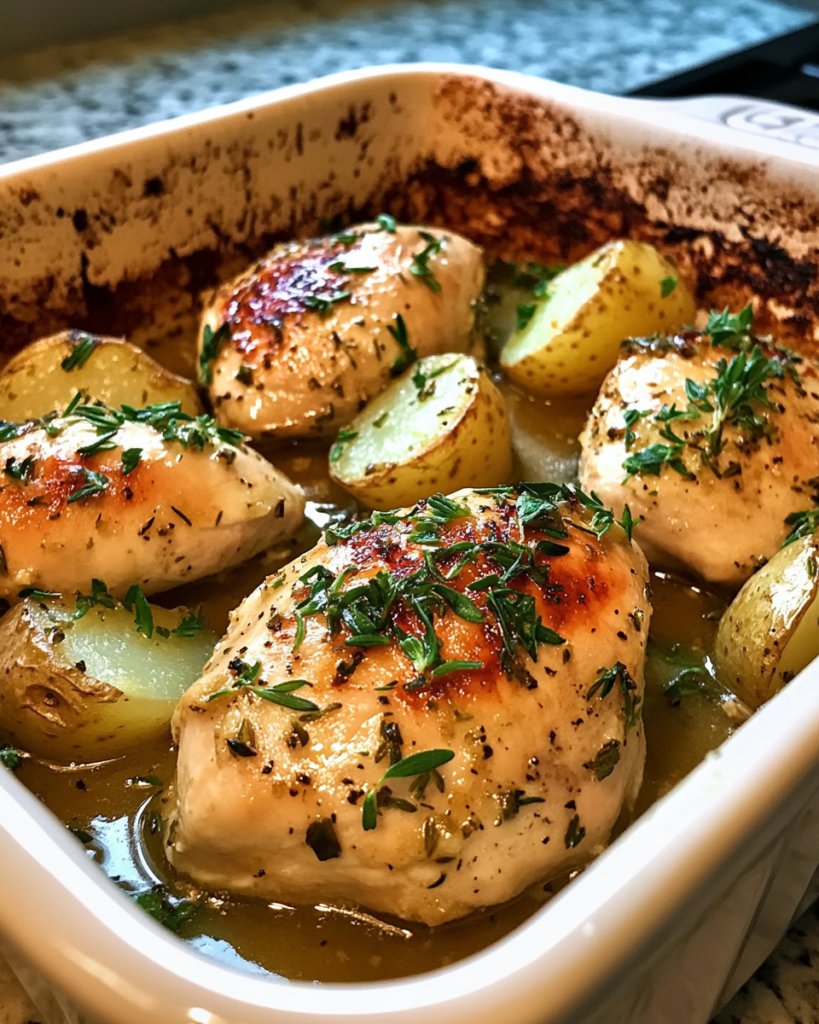
Garlic Rosemary Chicken Bake brings together tender chicken, fragrant herbs, and roasted garlic in a warm oven-cooked meal that suits both busy evenings and relaxed family gatherings. Fresh rosemary gives the dish an earthy aroma while garlic softens during baking, creating a rich savory flavor throughout the pan.

This recipe works beautifully with bone-in chicken thighs, chicken breasts, or drumsticks depending on personal preference. The oven roasting process allows the chicken skin to turn lightly crisp while the inside stays juicy and flavorful. Potatoes, onions, and carrots may roast alongside the chicken, allowing the entire meal to cook in a single baking dish.

Garlic Rosemary Chicken Bake fits comfortably into cooler months when hearty meals feel especially satisfying, though the bright herbal flavor also suits spring and summer dinners. The recipe requires simple pantry ingredients and minimal preparation, making it practical for weeknight cooking while still feeling special enough for guests.

Ingredients Overview
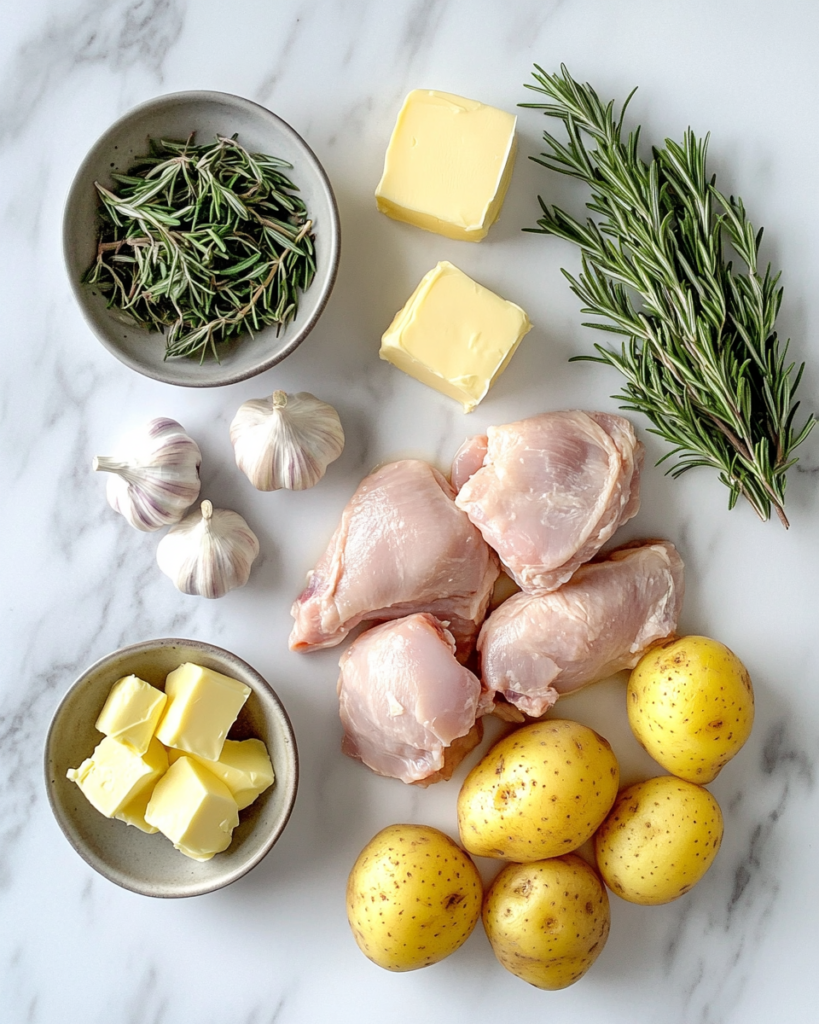
Garlic Rosemary Chicken Bake depends on fresh herbs, balanced seasoning, and oven roasting to create its comforting flavor. Chicken thighs remain a popular choice because they stay moist during baking and absorb the garlic rosemary seasoning very well. Bone-in thighs bring deeper flavor, while boneless chicken cooks slightly faster and becomes easier to slice for serving.

Fresh rosemary remains one of the most important ingredients in this dish. Its woodsy aroma pairs naturally with roasted chicken and garlic. Fresh sprigs provide stronger flavor than dried rosemary, though dried rosemary still works in smaller amounts when fresh herbs are unavailable. Garlic softens as it bakes, creating a mellow savory taste instead of harsh sharpness.

Olive oil coats the chicken and vegetables while helping the seasoning cling evenly during roasting. Lemon juice brightens the dish and balances the richness of the chicken skin and roasted garlic. Paprika adds mild warmth and gentle color without heavy spice.

Baby potatoes work especially well because they roast evenly alongside the chicken. Carrots and onions add sweetness as they caramelize in the oven. Chicken broth placed in the baking dish keeps the vegetables tender while helping the pan juices remain flavorful.

Fresh parsley scattered over the finished dish adds brightness and freshness. Parmesan cheese may also be added near serving time for extra savory depth. The ingredients remain flexible enough for small adjustments while still keeping the classic garlic rosemary flavor profile intact.

Ingredients

6 bone-in chicken thighs

1 1/2 pounds baby potatoes, halved

3 large carrots, sliced

1 medium yellow onion, sliced

8 garlic cloves, minced

2 tablespoons fresh rosemary, chopped

3 tablespoons olive oil

1 tablespoon lemon juice

1 teaspoon paprika

1 teaspoon salt

1/2 teaspoon black pepper

1/2 teaspoon onion powder

1/2 teaspoon dried thyme

1/2 cup chicken broth

2 tablespoons chopped fresh parsley

Step-by-Step Instructions
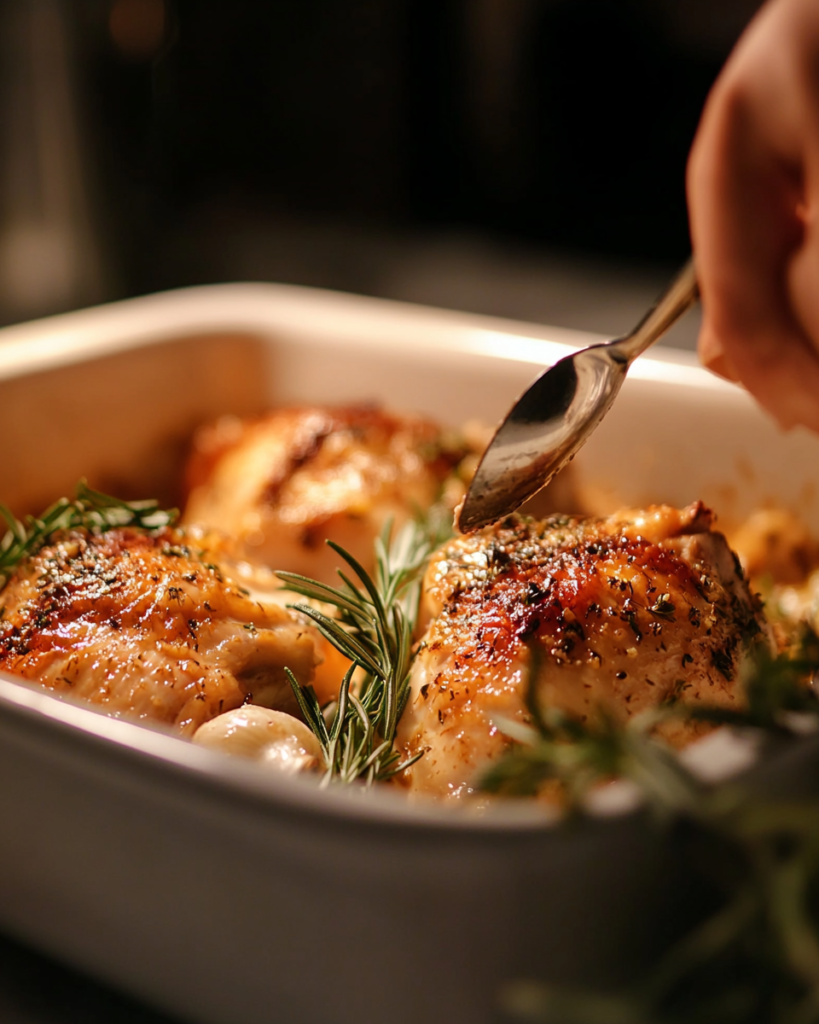
Preheat the oven to 400 degrees Fahrenheit. Lightly grease a large baking dish or roasting pan with olive oil to help prevent sticking during cooking.

Pat the chicken thighs dry with paper towels. Removing excess moisture helps the skin roast properly instead of steaming. Place the chicken into a large bowl.

Add olive oil, garlic, rosemary, lemon juice, paprika, salt, pepper, onion powder, and thyme to the bowl. Toss thoroughly until the chicken becomes evenly coated in the herb mixture.

Place the potatoes, carrots, and onion slices into the prepared baking dish. Drizzle lightly with olive oil and season with a small pinch of salt and pepper. Spread the vegetables into an even layer so they roast evenly.

Arrange the seasoned chicken thighs over the vegetables. Pour chicken broth carefully around the edges of the pan rather than directly over the chicken skin. This helps the vegetables soften while allowing the chicken skin to roast properly.

Transfer the baking dish into the preheated oven uncovered. Bake for about 40 to 50 minutes depending on the size of the chicken pieces. Halfway through cooking, spoon some pan juices over the vegetables to keep them moist and flavorful.

The chicken should reach an internal temperature of 165 degrees Fahrenheit when fully cooked. The skin should appear lightly golden and crisp around the edges while the vegetables become tender when pierced with a fork.

If deeper browning is preferred, place the dish under the broiler for 2 to 3 minutes near the end of cooking. Watch carefully because garlic can darken quickly under high heat.

Remove the baking dish from the oven and allow the chicken to rest for about 5 minutes before serving. Resting helps the juices settle inside the meat instead of running out immediately after slicing.

Scatter chopped parsley across the top before serving. Spoon extra pan juices over the chicken and vegetables for added flavor.

Avoid overcrowding the baking dish because tightly packed ingredients may steam rather than roast. Using a large enough pan allows heat to circulate properly around the chicken and vegetables. Another common issue comes from skipping the drying step before seasoning. Dry chicken skin roasts much better and develops a far better texture.

Tips, Variations & Substitutions

Bone-in chicken thighs remain especially flavorful in this recipe, though chicken breasts or drumsticks also work nicely. Boneless thighs shorten the cooking time slightly and become easier for serving smaller children.

Fresh rosemary provides stronger herbal flavor than dried rosemary. If substituting dried rosemary, use about half the amount because dried herbs taste more concentrated. Fresh thyme or oregano may also blend nicely with the garlic and lemon flavors.

For a richer flavor profile, small pieces of butter may be added across the vegetables before baking. A splash of white wine mixed with the broth creates a slightly deeper pan sauce while still keeping the dish simple.

Sweet potatoes may replace baby potatoes for a slightly sweeter side dish. Brussels sprouts, green beans, or zucchini also roast well alongside the chicken, though softer vegetables should be added later in the baking process to avoid becoming overly soft.

For dairy-free meals, the recipe already works nicely without adjustment. For lower sodium cooking, reduce the salt slightly and rely more heavily on fresh herbs and lemon juice for flavor balance.

Leftovers store well in the refrigerator for about four days. Reheat gently in the oven at a lower temperature so the chicken stays moist. The roasted vegetables absorb the garlic rosemary juices beautifully after resting overnight.

Serving Ideas & Occasions

Garlic Rosemary Chicken Bake works beautifully for family dinners, casual gatherings, and Sunday evening meals. Since the vegetables roast in the same dish as the chicken, serving becomes simple with minimal cleanup afterward.

Warm crusty bread pairs naturally with the savory pan juices. A crisp green salad with lemon vinaigrette balances the richness of the roasted chicken and potatoes. Steamed green beans or asparagus also fit nicely alongside the herbal flavors.

This dish feels especially fitting during autumn and winter because the aroma of rosemary and roasted garlic creates a cozy kitchen atmosphere. Still, the bright lemon and herb combination also suits spring gatherings and outdoor meals.

For drinks, sparkling water with lemon, iced tea, or light white wine pair comfortably alongside the savory chicken. The balanced seasoning also makes the recipe suitable for guests who prefer mild herbal flavors without heavy spice.

Nutritional & Health Notes

Chicken provides protein along with important nutrients such as iron, zinc, and B vitamins. Chicken thighs contain slightly higher fat levels than chicken breasts, though they remain tender and flavorful during roasting without drying out easily.

Garlic and rosemary contribute strong flavor without relying heavily on processed sauces or excess sugar. Olive oil adds richness while supplying heart-friendly unsaturated fats. Roasted vegetables such as carrots and potatoes provide fiber and additional nutrients that help round out the meal.

Using skinless chicken may slightly reduce overall fat content, though the skin also helps protect the meat from drying during baking. Portion balance remains important, especially when serving bread or richer side dishes alongside the meal.

Roasting ingredients in a single pan also reduces the need for heavy frying oils or packaged seasoning mixes. Fresh herbs and lemon juice help create satisfying flavor through simple ingredients already found in many kitchens.

FAQs

Can I prepare Garlic Rosemary Chicken Bake earlier in the day?

Yes, this recipe works very well for advance preparation. The chicken may be seasoned several hours earlier and stored covered in the refrigerator until baking time. Vegetables may also be sliced ahead of time and kept chilled separately. Allowing the chicken to rest in the garlic rosemary mixture for a few hours often deepens the flavor throughout the meat. When ready for dinner, simply assemble the ingredients in the baking dish and place it into the oven. If the ingredients are very cold from refrigeration, the cooking time may increase slightly. Preparing everything ahead helps simplify busy evenings without sacrificing flavor or texture.

Which chicken cut works most successfully?

Bone-in chicken thighs remain especially suitable because they stay juicy during roasting and absorb seasoning beautifully. Drumsticks also roast nicely and bring similar flavor. Chicken breasts may still work, though they tend to cook faster and can dry out if left in the oven too long. Skin-on pieces roast especially well because the skin becomes lightly crisp while protecting the meat underneath. Boneless cuts shorten the cooking time slightly, so checking the internal temperature earlier helps prevent overcooking. Mixing different cuts inside the same baking dish can work too, though smaller pieces may need removal earlier than larger pieces.

Can dried rosemary replace fresh rosemary?

Dried rosemary works successfully when fresh herbs are unavailable. Since dried herbs contain concentrated flavor, using about half the quantity usually creates balanced seasoning. Crushing dried rosemary slightly between the fingers before adding it helps release additional aroma during baking. Fresh rosemary still provides brighter flavor and softer texture throughout the finished dish. Some cooks enjoy combining both fresh and dried rosemary for layered herbal flavor. Thyme or oregano may also blend nicely with the garlic and lemon if rosemary is unavailable entirely. Regardless of the herb choice, garlic remains an important flavor component in the recipe.

How should leftovers be stored?

Allow the chicken and vegetables to cool before placing them into airtight containers. Refrigerated leftovers usually stay fresh for about four days. Reheating in the oven at a moderate temperature helps preserve texture better than overheating in the microwave. Adding a spoonful of broth while reheating may help keep the chicken moist. Leftover chicken also works nicely shredded into sandwiches, wraps, or grain bowls. The potatoes and carrots continue absorbing the garlic rosemary juices after refrigeration, often creating even richer flavor the following day. Freezing also remains possible for longer storage, though roasted potatoes may soften slightly after thawing.

Why did my vegetables turn soft instead of roasted?

Overcrowding the baking dish commonly causes vegetables to steam instead of roast. Ingredients should sit in a relatively even layer with some space between pieces so hot air can circulate properly. Excess liquid may also prevent proper roasting. Pouring broth around the edges of the pan rather than directly over the vegetables often helps. Cutting vegetables into evenly sized pieces encourages balanced cooking throughout the dish. Roasting at a high enough temperature also matters because lower temperatures may soften vegetables before browning occurs. If deeper browning is preferred, placing the pan under the broiler briefly near the end may help.

Can I include additional vegetables?

Several vegetables pair beautifully with garlic rosemary chicken. Brussels sprouts, mushrooms, parsnips, zucchini, and butternut squash all roast nicely alongside the chicken. Firmer vegetables should enter the oven from the beginning so they become fully tender by serving time. Softer vegetables such as zucchini may need addition later during cooking to avoid becoming overly soft. Mushrooms absorb the pan juices especially well and create deeper savory flavor throughout the dish. Colorful vegetable combinations also create a visually appealing meal without requiring additional side dishes. Adjusting the vegetable mixture slightly allows the recipe to fit different seasons comfortably.

Should the chicken be covered during baking?

Leaving the chicken uncovered usually creates the most appealing texture because the skin can roast and brown properly. Covering the baking dish traps steam and may soften the chicken skin too much. If the top begins darkening too quickly before the chicken fully cooks, loosely tenting foil across the dish during the final portion of cooking may help. Bone-in thighs generally remain moist even without covering because they contain enough natural richness. Resting the chicken briefly after baking also helps preserve moisture inside the meat before serving. Proper oven temperature remains important for balanced roasting and browning.

[rank_math_breadcrumb]

Garlic Rosemary Chicken Bake: 7 Comforting Dinners

Photo of author
Author: Ava
Published:

Garlic Rosemary Chicken Bake brings together tender chicken, fragrant herbs, and roasted garlic in a warm oven-cooked meal that suits both busy evenings and relaxed family gatherings. Fresh rosemary gives the dish an earthy aroma while garlic softens during baking, creating a rich savory flavor throughout the pan.

This recipe works beautifully with bone-in chicken thighs, chicken breasts, or drumsticks depending on personal preference. The oven roasting process allows the chicken skin to turn lightly crisp while the inside stays juicy and flavorful. Potatoes, onions, and carrots may roast alongside the chicken, allowing the entire meal to cook in a single baking dish.

Garlic Rosemary Chicken Bake fits comfortably into cooler months when hearty meals feel especially satisfying, though the bright herbal flavor also suits spring and summer dinners. The recipe requires simple pantry ingredients and minimal preparation, making it practical for weeknight cooking while still feeling special enough for guests.

Ingredients Overview

Garlic Rosemary Chicken Bake depends on fresh herbs, balanced seasoning, and oven roasting to create its comforting flavor. Chicken thighs remain a popular choice because they stay moist during baking and absorb the garlic rosemary seasoning very well. Bone-in thighs bring deeper flavor, while boneless chicken cooks slightly faster and becomes easier to slice for serving.

Fresh rosemary remains one of the most important ingredients in this dish. Its woodsy aroma pairs naturally with roasted chicken and garlic. Fresh sprigs provide stronger flavor than dried rosemary, though dried rosemary still works in smaller amounts when fresh herbs are unavailable. Garlic softens as it bakes, creating a mellow savory taste instead of harsh sharpness.

Olive oil coats the chicken and vegetables while helping the seasoning cling evenly during roasting. Lemon juice brightens the dish and balances the richness of the chicken skin and roasted garlic. Paprika adds mild warmth and gentle color without heavy spice.

Baby potatoes work especially well because they roast evenly alongside the chicken. Carrots and onions add sweetness as they caramelize in the oven. Chicken broth placed in the baking dish keeps the vegetables tender while helping the pan juices remain flavorful.

Fresh parsley scattered over the finished dish adds brightness and freshness. Parmesan cheese may also be added near serving time for extra savory depth. The ingredients remain flexible enough for small adjustments while still keeping the classic garlic rosemary flavor profile intact.

Ingredients

6 bone-in chicken thighs

1 1/2 pounds baby potatoes, halved

3 large carrots, sliced

1 medium yellow onion, sliced

8 garlic cloves, minced

2 tablespoons fresh rosemary, chopped

3 tablespoons olive oil

1 tablespoon lemon juice

1 teaspoon paprika

1 teaspoon salt

1/2 teaspoon black pepper

1/2 teaspoon onion powder

1/2 teaspoon dried thyme

1/2 cup chicken broth

2 tablespoons chopped fresh parsley

Step-by-Step Instructions

Preheat the oven to 400 degrees Fahrenheit. Lightly grease a large baking dish or roasting pan with olive oil to help prevent sticking during cooking.

Pat the chicken thighs dry with paper towels. Removing excess moisture helps the skin roast properly instead of steaming. Place the chicken into a large bowl.

Add olive oil, garlic, rosemary, lemon juice, paprika, salt, pepper, onion powder, and thyme to the bowl. Toss thoroughly until the chicken becomes evenly coated in the herb mixture.

Place the potatoes, carrots, and onion slices into the prepared baking dish. Drizzle lightly with olive oil and season with a small pinch of salt and pepper. Spread the vegetables into an even layer so they roast evenly.

Arrange the seasoned chicken thighs over the vegetables. Pour chicken broth carefully around the edges of the pan rather than directly over the chicken skin. This helps the vegetables soften while allowing the chicken skin to roast properly.

Transfer the baking dish into the preheated oven uncovered. Bake for about 40 to 50 minutes depending on the size of the chicken pieces. Halfway through cooking, spoon some pan juices over the vegetables to keep them moist and flavorful.

The chicken should reach an internal temperature of 165 degrees Fahrenheit when fully cooked. The skin should appear lightly golden and crisp around the edges while the vegetables become tender when pierced with a fork.

If deeper browning is preferred, place the dish under the broiler for 2 to 3 minutes near the end of cooking. Watch carefully because garlic can darken quickly under high heat.

Remove the baking dish from the oven and allow the chicken to rest for about 5 minutes before serving. Resting helps the juices settle inside the meat instead of running out immediately after slicing.

Scatter chopped parsley across the top before serving. Spoon extra pan juices over the chicken and vegetables for added flavor.

Avoid overcrowding the baking dish because tightly packed ingredients may steam rather than roast. Using a large enough pan allows heat to circulate properly around the chicken and vegetables. Another common issue comes from skipping the drying step before seasoning. Dry chicken skin roasts much better and develops a far better texture.

Tips, Variations & Substitutions

Bone-in chicken thighs remain especially flavorful in this recipe, though chicken breasts or drumsticks also work nicely. Boneless thighs shorten the cooking time slightly and become easier for serving smaller children.

Fresh rosemary provides stronger herbal flavor than dried rosemary. If substituting dried rosemary, use about half the amount because dried herbs taste more concentrated. Fresh thyme or oregano may also blend nicely with the garlic and lemon flavors.

For a richer flavor profile, small pieces of butter may be added across the vegetables before baking. A splash of white wine mixed with the broth creates a slightly deeper pan sauce while still keeping the dish simple.

Sweet potatoes may replace baby potatoes for a slightly sweeter side dish. Brussels sprouts, green beans, or zucchini also roast well alongside the chicken, though softer vegetables should be added later in the baking process to avoid becoming overly soft.

For dairy-free meals, the recipe already works nicely without adjustment. For lower sodium cooking, reduce the salt slightly and rely more heavily on fresh herbs and lemon juice for flavor balance.

Leftovers store well in the refrigerator for about four days. Reheat gently in the oven at a lower temperature so the chicken stays moist. The roasted vegetables absorb the garlic rosemary juices beautifully after resting overnight.

Serving Ideas & Occasions

Garlic Rosemary Chicken Bake works beautifully for family dinners, casual gatherings, and Sunday evening meals. Since the vegetables roast in the same dish as the chicken, serving becomes simple with minimal cleanup afterward.

Warm crusty bread pairs naturally with the savory pan juices. A crisp green salad with lemon vinaigrette balances the richness of the roasted chicken and potatoes. Steamed green beans or asparagus also fit nicely alongside the herbal flavors.

This dish feels especially fitting during autumn and winter because the aroma of rosemary and roasted garlic creates a cozy kitchen atmosphere. Still, the bright lemon and herb combination also suits spring gatherings and outdoor meals.

For drinks, sparkling water with lemon, iced tea, or light white wine pair comfortably alongside the savory chicken. The balanced seasoning also makes the recipe suitable for guests who prefer mild herbal flavors without heavy spice.

Nutritional & Health Notes

Chicken provides protein along with important nutrients such as iron, zinc, and B vitamins. Chicken thighs contain slightly higher fat levels than chicken breasts, though they remain tender and flavorful during roasting without drying out easily.

Garlic and rosemary contribute strong flavor without relying heavily on processed sauces or excess sugar. Olive oil adds richness while supplying heart-friendly unsaturated fats. Roasted vegetables such as carrots and potatoes provide fiber and additional nutrients that help round out the meal.

Using skinless chicken may slightly reduce overall fat content, though the skin also helps protect the meat from drying during baking. Portion balance remains important, especially when serving bread or richer side dishes alongside the meal.

Roasting ingredients in a single pan also reduces the need for heavy frying oils or packaged seasoning mixes. Fresh herbs and lemon juice help create satisfying flavor through simple ingredients already found in many kitchens.

FAQs

Can I prepare Garlic Rosemary Chicken Bake earlier in the day?

Yes, this recipe works very well for advance preparation. The chicken may be seasoned several hours earlier and stored covered in the refrigerator until baking time. Vegetables may also be sliced ahead of time and kept chilled separately. Allowing the chicken to rest in the garlic rosemary mixture for a few hours often deepens the flavor throughout the meat. When ready for dinner, simply assemble the ingredients in the baking dish and place it into the oven. If the ingredients are very cold from refrigeration, the cooking time may increase slightly. Preparing everything ahead helps simplify busy evenings without sacrificing flavor or texture.

Which chicken cut works most successfully?

Bone-in chicken thighs remain especially suitable because they stay juicy during roasting and absorb seasoning beautifully. Drumsticks also roast nicely and bring similar flavor. Chicken breasts may still work, though they tend to cook faster and can dry out if left in the oven too long. Skin-on pieces roast especially well because the skin becomes lightly crisp while protecting the meat underneath. Boneless cuts shorten the cooking time slightly, so checking the internal temperature earlier helps prevent overcooking. Mixing different cuts inside the same baking dish can work too, though smaller pieces may need removal earlier than larger pieces.

Can dried rosemary replace fresh rosemary?

Dried rosemary works successfully when fresh herbs are unavailable. Since dried herbs contain concentrated flavor, using about half the quantity usually creates balanced seasoning. Crushing dried rosemary slightly between the fingers before adding it helps release additional aroma during baking. Fresh rosemary still provides brighter flavor and softer texture throughout the finished dish. Some cooks enjoy combining both fresh and dried rosemary for layered herbal flavor. Thyme or oregano may also blend nicely with the garlic and lemon if rosemary is unavailable entirely. Regardless of the herb choice, garlic remains an important flavor component in the recipe.

How should leftovers be stored?

Allow the chicken and vegetables to cool before placing them into airtight containers. Refrigerated leftovers usually stay fresh for about four days. Reheating in the oven at a moderate temperature helps preserve texture better than overheating in the microwave. Adding a spoonful of broth while reheating may help keep the chicken moist. Leftover chicken also works nicely shredded into sandwiches, wraps, or grain bowls. The potatoes and carrots continue absorbing the garlic rosemary juices after refrigeration, often creating even richer flavor the following day. Freezing also remains possible for longer storage, though roasted potatoes may soften slightly after thawing.

Why did my vegetables turn soft instead of roasted?

Overcrowding the baking dish commonly causes vegetables to steam instead of roast. Ingredients should sit in a relatively even layer with some space between pieces so hot air can circulate properly. Excess liquid may also prevent proper roasting. Pouring broth around the edges of the pan rather than directly over the vegetables often helps. Cutting vegetables into evenly sized pieces encourages balanced cooking throughout the dish. Roasting at a high enough temperature also matters because lower temperatures may soften vegetables before browning occurs. If deeper browning is preferred, placing the pan under the broiler briefly near the end may help.

Can I include additional vegetables?

Several vegetables pair beautifully with garlic rosemary chicken. Brussels sprouts, mushrooms, parsnips, zucchini, and butternut squash all roast nicely alongside the chicken. Firmer vegetables should enter the oven from the beginning so they become fully tender by serving time. Softer vegetables such as zucchini may need addition later during cooking to avoid becoming overly soft. Mushrooms absorb the pan juices especially well and create deeper savory flavor throughout the dish. Colorful vegetable combinations also create a visually appealing meal without requiring additional side dishes. Adjusting the vegetable mixture slightly allows the recipe to fit different seasons comfortably.

Should the chicken be covered during baking?

Leaving the chicken uncovered usually creates the most appealing texture because the skin can roast and brown properly. Covering the baking dish traps steam and may soften the chicken skin too much. If the top begins darkening too quickly before the chicken fully cooks, loosely tenting foil across the dish during the final portion of cooking may help. Bone-in thighs generally remain moist even without covering because they contain enough natural richness. Resting the chicken briefly after baking also helps preserve moisture inside the meat before serving. Proper oven temperature remains important for balanced roasting and browning.
Name

Lorem ipsum dolor sit amet, consectetur adipiscing elit. Suspendisse varius enim in eros elementum tristique. Duis cursus, mi quis viverra ornare, eros dolor interdum nulla, ut commodo diam libero vitae erat.

You Might Also Like...

Spicy Chipotle Chicken Burrito Bowls: 5 Authentic Hope

Spicy Chipotle Chicken Burrito Bowls: 5 Authentic Hope

Creamy Chicken Tortellini Soup: 7 Amazing Cozy Bowls

Creamy Chicken Tortellini Soup: 7 Amazing Cozy Bowls

Chicken Parmesan Grilled Cheese: 5 Authentic Comforting Bites

Chicken Parmesan Grilled Cheese: 5 Authentic Comforting Bites

BBQ Chicken Flatbread Pizza: 7 Amazing Comforting Bites

BBQ Chicken Flatbread Pizza: 7 Amazing Comforting Bites

Tags:

You might also like these recipes

Leave a Comment