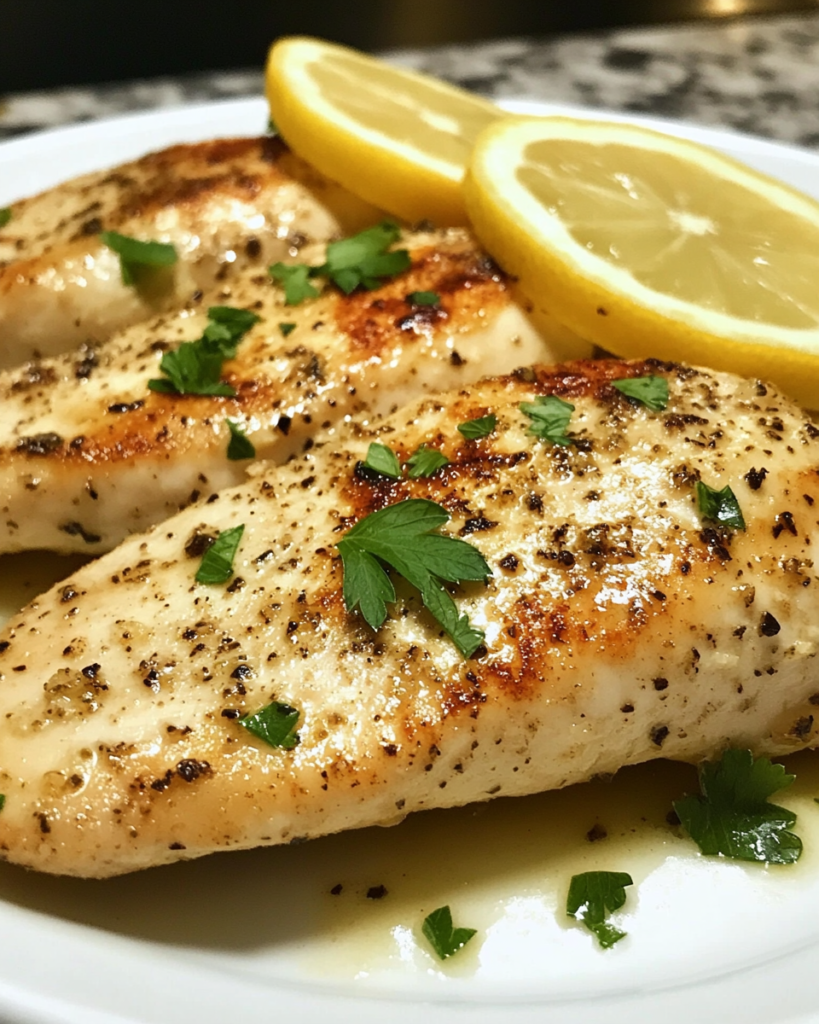
Garlic Lemon Pepper Chicken brings bright citrus flavor, cracked pepper warmth, and savory garlic into a simple skillet dinner that fits busy evenings or relaxed weekend suppers. Tender chicken develops a lightly crisp outer layer while fresh lemon juice creates a glossy pan sauce with rich aroma and balanced flavor.
This dish pairs beautifully with roasted vegetables, rice, mashed potatoes, or buttered noodles. A short ingredient list keeps preparation practical, yet the final plate carries deep flavor from pantry staples and fresh citrus. Garlic Lemon Pepper Chicken also works beautifully for meal preparation since the chicken stays juicy after reheating.
Fresh garlic adds depth without overpowering the citrus notes. Lemon zest brightens the entire skillet while coarse black pepper gives gentle heat across every bite. A quick sear locks moisture inside the chicken, and the sauce finishes everything with silky texture.
Families often appreciate this recipe because the flavor profile feels familiar while still carrying fresh character. The recipe also adapts easily for chicken thighs, drumsticks, or turkey cutlets.
Ingredients Overview
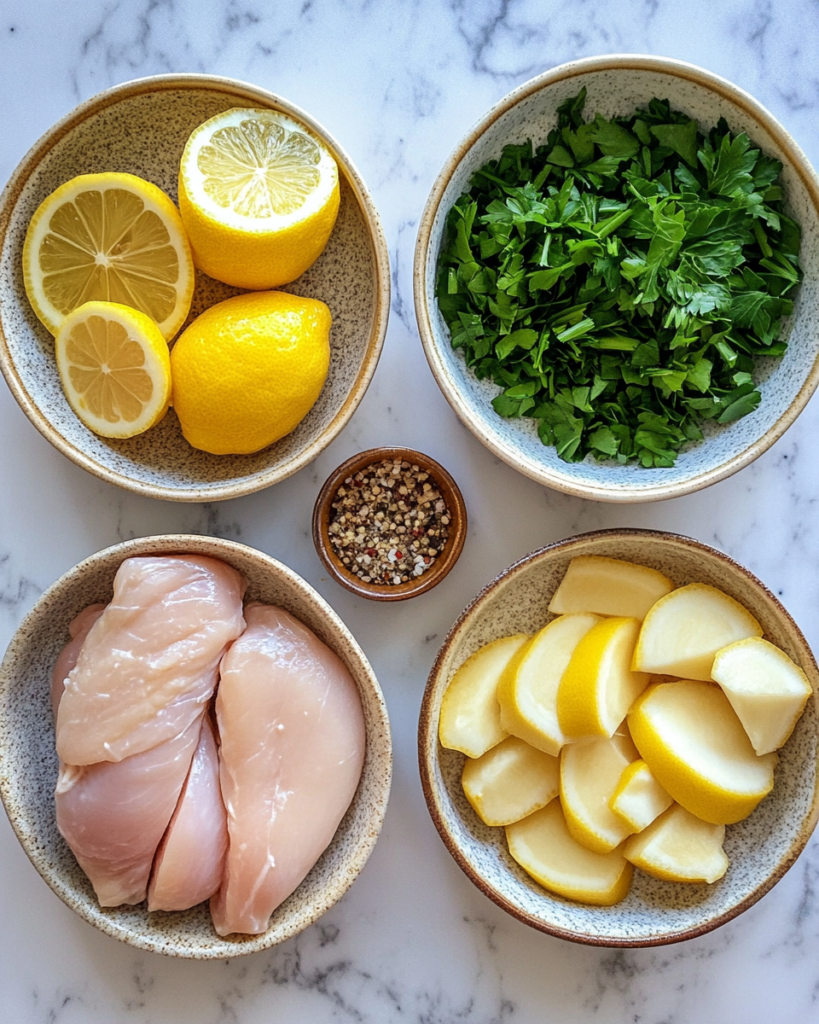
Chicken serves as the heart of Garlic Lemon Pepper Chicken, and boneless skinless chicken breasts remain a practical option because they cook quickly while absorbing seasoning beautifully. Chicken thighs also work nicely since their higher fat content creates extra richness and tenderness. Thin pieces cook evenly and develop better browning inside the skillet.
Fresh garlic carries strong savory flavor that balances the citrus elements. Finely minced garlic spreads evenly through the sauce and lightly caramelizes during cooking. Fresh garlic cloves offer fuller flavor compared with jarred garlic, though prepared garlic can still work during busy evenings.
Lemon appears in three forms throughout this recipe: zest, juice, and slices. Lemon zest carries fragrant citrus oils that brighten the chicken without adding extra liquid. Fresh lemon juice sharpens the sauce and balances the richness from olive oil and butter. Thin lemon slices gently soften during cooking and bring attractive presentation.
Black pepper remains essential because it gives the recipe its signature warmth. Freshly cracked pepper creates stronger aroma and deeper flavor compared with finely ground pepper. Kosher salt balances the citrus and garlic while helping the chicken retain moisture.
Olive oil starts the browning process and prevents sticking inside the skillet. A small amount of butter later joins the sauce for smooth texture and fuller flavor. Chicken broth loosens flavorful browned bits from the pan and forms the base of the sauce.
Italian seasoning adds herbal background flavor without overwhelming the citrus notes. Parsley finishes the dish with fresh color and mild earthiness. Simple ingredients work together beautifully, creating balanced flavor with minimal preparation.
Ingredients
2 large boneless skinless chicken breasts
1 teaspoon kosher salt
1 teaspoon freshly cracked black pepper
1 teaspoon lemon pepper seasoning
1 teaspoon Italian seasoning
3 tablespoons olive oil
4 garlic cloves, minced
1 tablespoon lemon zest
1/4 cup fresh lemon juice
1/2 cup low-sodium chicken broth
2 tablespoons unsalted butter
1 lemon, thinly sliced
2 tablespoons chopped fresh parsley
Step-by-Step Instructions
Pat the chicken breasts dry with paper towels before seasoning. Dry surfaces brown far better inside a hot skillet, creating richer flavor and appealing color. If the chicken breasts appear especially thick, slice them horizontally into thinner cutlets for even cooking.
Season both sides with kosher salt, black pepper, lemon pepper seasoning, and Italian seasoning. Press the seasoning gently into the surface so it adheres during cooking.
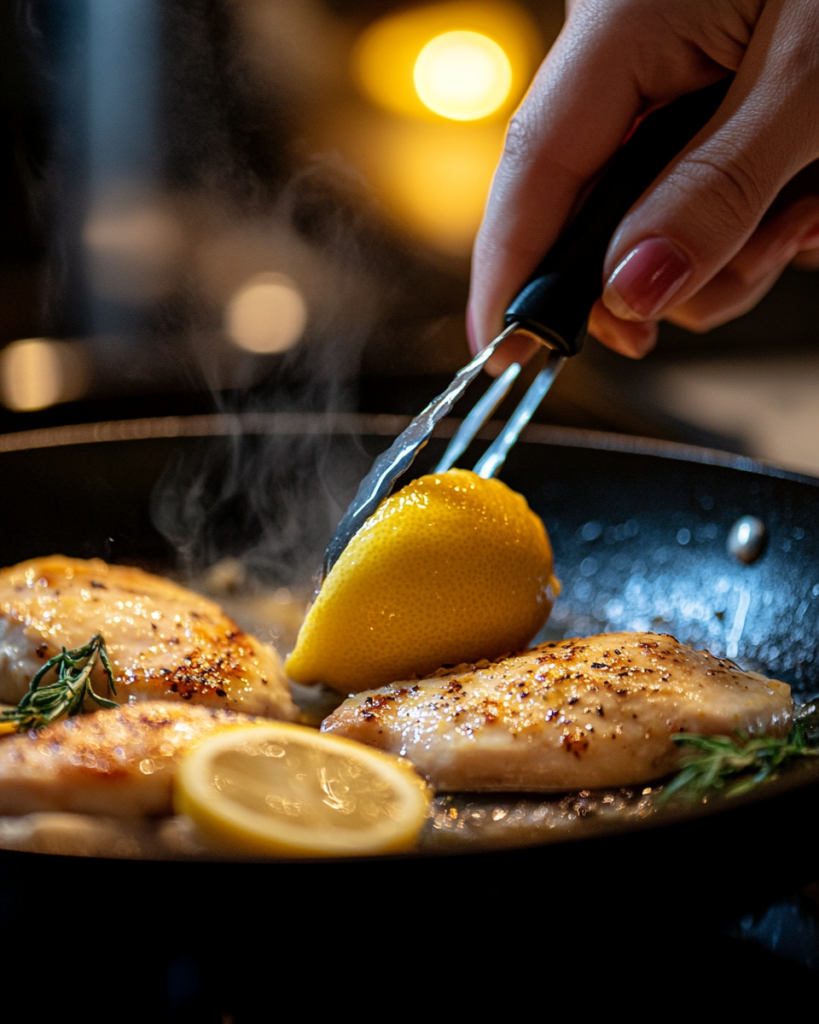
Warm a large skillet over medium-high heat for several minutes before adding olive oil. Once the oil begins shimmering lightly, place the chicken into the skillet. Avoid crowding the pan because packed chicken releases steam instead of forming a golden crust.
Cook the chicken for about 5 to 6 minutes on the first side without constant movement. Turning the chicken too early prevents proper browning. Once a deep golden layer develops, flip the chicken carefully and continue cooking another 5 minutes or until the internal temperature reaches 165 degrees Fahrenheit.
Transfer the cooked chicken onto a plate and loosely cover with foil. Resting keeps the juices inside the meat instead of spilling across the cutting board.
Reduce the skillet heat to medium. Add minced garlic and stir continuously for about 30 seconds. Garlic cooks quickly, so prolonged heat can create bitterness. Add lemon zest and stir briefly to release fragrance.
Pour chicken broth and fresh lemon juice into the skillet. Use a wooden spoon to loosen browned bits from the bottom of the pan since those bits carry concentrated flavor. Allow the liquid to simmer for 3 to 4 minutes until slightly reduced.
Stir butter into the skillet until melted completely. The sauce should appear glossy and lightly thickened. Add lemon slices and simmer gently for another minute.
Return the chicken to the skillet and spoon sauce across the surface. Allow everything to warm together for 2 minutes so the chicken absorbs additional flavor.
Scatter chopped parsley across the finished dish before serving. The chicken should appear golden with shiny lemon garlic sauce pooled lightly around each piece.
Avoid overheating the chicken after returning it to the skillet because prolonged simmering can dry the meat. Moderate heat and proper resting time help maintain juicy texture.
Tips, Variations & Substitutions
Chicken thighs bring deeper flavor and remain especially forgiving during cooking since darker meat retains moisture well. Thin turkey cutlets also work nicely with the lemon garlic sauce.
Fresh lemons produce brighter flavor than bottled juice. Rolling lemons across the counter before slicing helps release additional juice. For slightly richer sauce, stir an extra tablespoon of butter into the skillet during the final simmer.
Red pepper flakes bring subtle heat for diners who enjoy extra spice. Smoked paprika can also add gentle smoky depth alongside the citrus flavor. Fresh thyme or rosemary pairs beautifully with lemon and garlic without overwhelming the dish.
A grill pan offers another cooking option. Grilled Garlic Lemon Pepper Chicken develops lightly charred edges that pair especially well with summer vegetables and corn on the cob.
For lower sodium preparation, reduce lemon pepper seasoning and rely more heavily on fresh pepper and lemon zest. Dairy-free preparation remains simple since olive oil can replace butter entirely.
Boneless chicken cooks faster, though bone-in pieces still work successfully with slightly longer cooking time. During colder months, the chicken pairs beautifully with creamy mashed potatoes or roasted root vegetables. During warmer weather, lighter sides such as cucumber salad or rice pilaf complement the bright citrus flavor nicely.
Leftover chicken slices beautifully for wraps, grain bowls, or chilled pasta salad. A spoonful of extra pan sauce keeps reheated portions moist and flavorful.
Serving Ideas & Occasions
Garlic Lemon Pepper Chicken fits both casual family dinners and slightly polished gatherings. The bright citrus aroma feels especially welcoming during spring and summer meals, though the warm garlic flavor also suits colder evenings.
Steamed rice absorbs the buttery lemon sauce beautifully. Roasted asparagus, green beans, broccoli, or zucchini bring balanced texture alongside the tender chicken. Buttered noodles provide comforting richness while crisp garden salad adds freshness.
For gatherings, sliced chicken arranged across a platter with lemon wheels and parsley creates attractive presentation with minimal effort. Warm dinner rolls or rustic bread pair nicely for soaking extra sauce from the plate.
Sparkling water with lemon, iced tea, or chilled white wine complement the citrus notes nicely. The recipe also fits meal preparation schedules because individual portions reheat well for lunches throughout the week.
Since the flavor profile remains balanced and approachable, this dish often appeals to both children and adults. The combination of garlic, lemon, and pepper feels bright yet comforting at the same time.
Nutritional & Health Notes
Garlic Lemon Pepper Chicken offers balanced protein while keeping carbohydrates relatively low. Lean chicken breast supplies substantial protein that supports fullness and balanced meals. Olive oil contributes heart-friendly fats while fresh lemon juice adds flavor without heavy cream or excessive richness.
Fresh garlic contains natural compounds that contribute savory flavor while allowing lower reliance on heavier sauces. Lemon juice and zest brighten the dish naturally, reducing the need for large amounts of salt.
Pairing the chicken with vegetables, brown rice, quinoa, or roasted potatoes creates a balanced dinner with varied texture and nutrients. Using homemade or low-sodium broth helps moderate sodium levels further.
Chicken thighs contain slightly higher fat content compared with chicken breasts, though many diners appreciate their richer texture. Portion size and side choices can easily adjust the recipe toward lighter or heartier meals depending on preference.
Because the recipe cooks quickly inside one skillet, cleanup remains simple and preparation stays manageable for weeknight cooking. Fresh ingredients and straightforward cooking methods keep the dish satisfying without feeling overly heavy.
FAQs
Can chicken thighs replace chicken breasts?
Chicken thighs work beautifully in Garlic Lemon Pepper Chicken because their richer texture stays juicy during skillet cooking. Boneless thighs usually require similar cooking time, though thicker pieces may need several extra minutes. Bone-in thighs also work nicely but generally require lower heat and longer cooking to fully cook near the bone.
Many diners appreciate thighs because the darker meat absorbs lemon garlic sauce especially well. The finished texture often feels slightly richer and softer compared with chicken breast. Internal temperature should still reach 165 degrees Fahrenheit before serving. Resting the cooked chicken for several minutes after cooking helps preserve moisture and prevents juices from escaping too quickly during slicing.
How should leftovers stay fresh?
Leftover Garlic Lemon Pepper Chicken should cool slightly before refrigeration. Place the chicken and sauce inside an airtight container and refrigerate for up to four days. Keeping extra sauce alongside the chicken helps maintain moisture during reheating.
Warm leftovers gently inside a skillet over medium-low heat with a small splash of broth or water. Microwave reheating also works, though lower power settings help prevent dry texture. Thin chicken cutlets reheat faster than thicker portions.
Cold leftover slices pair beautifully with salads, wraps, or pasta dishes. Since the lemon flavor remains bright after chilling, many diners enjoy this chicken even without reheating. Fresh parsley or extra lemon juice can refresh the flavor before serving again.
Can this recipe work inside the oven?
Oven preparation works very nicely for Garlic Lemon Pepper Chicken, especially during larger family meals. Begin by seasoning the chicken exactly as directed. Sear the chicken briefly inside an oven-safe skillet for initial browning, then transfer the skillet into a 400-degree Fahrenheit oven.
Bake until the internal temperature reaches 165 degrees Fahrenheit, usually around 15 to 20 minutes depending on thickness. While the chicken cooks, the lemon slices soften and release extra citrus aroma into the pan.
After baking, prepare the garlic lemon sauce directly inside the same skillet on the stovetop. This method still captures flavorful browned bits while reducing active cooking time near the stove.
Which sides pair especially well with this dish?
Rice remains one of the strongest companions for Garlic Lemon Pepper Chicken because it absorbs the buttery lemon sauce beautifully. Roasted potatoes also pair wonderfully since their crisp texture contrasts nicely with tender chicken.
Vegetable sides such as asparagus, broccoli, green beans, or sautéed spinach bring balanced freshness beside the savory garlic flavor. Buttered noodles create comforting texture while light salads keep the meal bright and fresh.
For gatherings, garlic bread or warm rolls allow diners to enjoy every bit of the sauce. During warmer months, grilled vegetables and corn provide seasonal balance. Since the recipe carries bright citrus notes, lighter side dishes often complement the overall meal especially nicely.
Can frozen chicken work for this recipe?
Frozen chicken can work successfully once fully thawed. Thawing inside the refrigerator overnight provides the safest and most even results. Proper thawing also helps the seasoning adhere better and promotes more even cooking.
Chicken placed directly into the skillet while still frozen often cooks unevenly. The exterior may brown too quickly while the center remains undercooked. Excess moisture from partially frozen meat can also interfere with proper browning.
After thawing, pat the chicken thoroughly dry before seasoning. Dry surfaces create stronger color and texture during skillet cooking. Once cooked fully, the finished flavor remains bright and satisfying with the garlic lemon sauce.
Why did the sauce turn bitter?
Bitterness usually develops when garlic cooks too long over high heat. Garlic should cook briefly until fragrant rather than dark brown. Burned garlic strongly affects the final flavor of the sauce.
Lemon pith can also contribute bitterness. Thinly sliced lemons work best when most of the thick white pith has been removed. Fresh lemon juice generally tastes smoother than bottled varieties as well.
Moderate heat helps preserve balanced flavor throughout the sauce preparation. Butter added during the final simmer softens sharp citrus edges and creates smoother texture. Stirring constantly during the garlic stage and reducing heat slightly before adding lemon juice usually prevents bitterness successfully.
Can this recipe support meal preparation?
Garlic Lemon Pepper Chicken works wonderfully for meal preparation because the chicken stays flavorful after refrigeration. Cooked portions can pair with rice, vegetables, pasta, or salads across several meals during the week.
Store the chicken with extra sauce whenever possible since the sauce helps maintain moisture during reheating. Individual containers simplify lunch preparation and allow quick weekday meals with minimal effort.
The bright lemon flavor often tastes even fuller after resting overnight. Fresh parsley or additional lemon juice added just before serving can refresh the dish beautifully. Balanced protein, flexible side options, and practical reheating qualities help this recipe fit busy weekly schedules comfortably.