
Egg muffin cups with spinach and cheese bring a warm, oven-baked breakfast option that fits busy mornings and relaxed brunch tables. These handheld egg bites combine fluffy eggs, tender spinach, and melted cheese baked into a muffin tin for convenient portions.
Each cup delivers a soft, savory bite with lightly browned edges and a creamy center. The spinach adds a gentle earthiness while cheese brings a creamy, slightly salty balance that binds everything together.
This recipe works well for meal prep, family breakfasts, or grab-and-go mornings. The ingredients are familiar, and the method stays straightforward, making it an approachable dish for all skill levels.
Because they bake in muffin cups, portion control becomes effortless. You can store them in the refrigerator and reheat them quickly for a satisfying start to the day.
Ingredients Overview
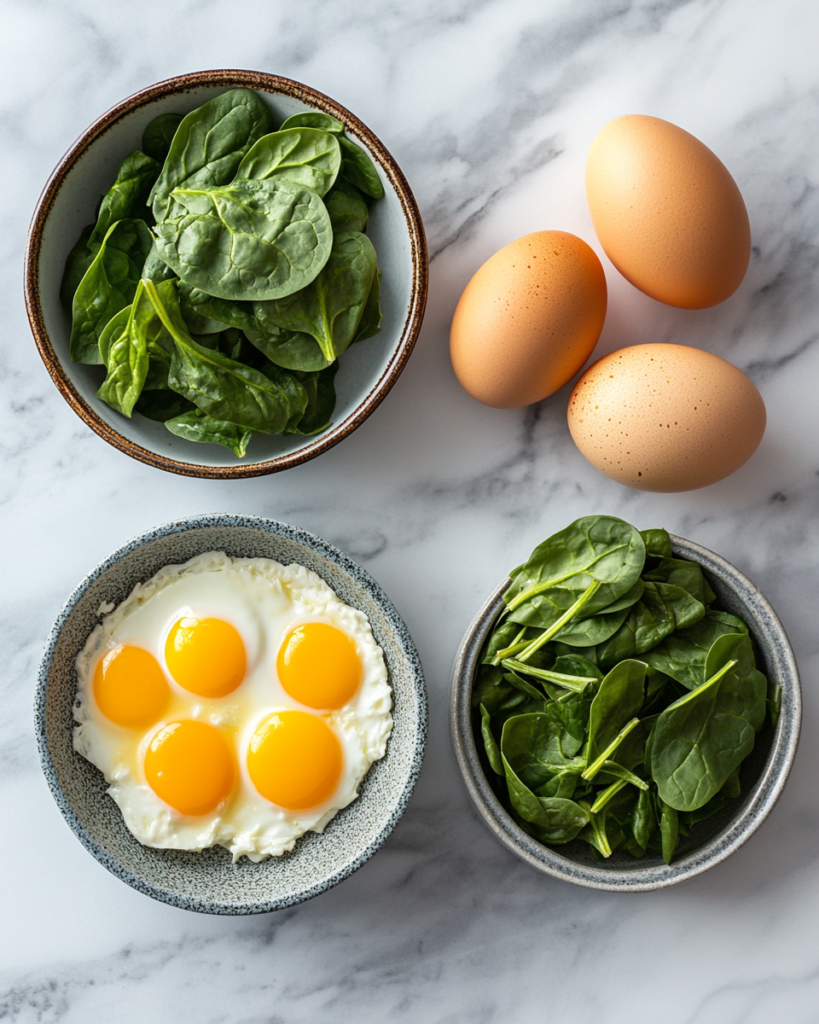
Egg muffin cups with spinach and cheese rely on a short list of ingredients that work together to create a balanced texture and flavor. Eggs form the base, giving structure and a soft, custard-like bite once baked. Their neutral flavor allows the other ingredients to stand out.
Fresh spinach brings a mild, slightly earthy taste and adds moisture along with a pop of color. When cooked, spinach wilts down significantly, blending smoothly into the egg mixture without overpowering it.
Cheese is a key component, adding creaminess and a savory depth. Cheddar, mozzarella, or a blend of both works well depending on preference. Cheddar gives a sharper taste, while mozzarella offers a milder melt.
Milk or cream can be added to make the texture lighter and more tender. This small addition helps prevent the eggs from becoming too firm.
Seasonings like salt, black pepper, and garlic powder round out the flavor profile. Optional ingredients such as diced onions or bell peppers can add extra texture and subtle sweetness.
For substitutions, kale can replace spinach, and dairy-free cheese can be used for a lactose-friendly version. Plant-based milk alternatives also work without affecting the structure too much.
Ingredients
6 large eggs
1 cup fresh spinach, chopped
1/2 cup shredded cheddar cheese
1/4 cup shredded mozzarella cheese
1/4 cup milk
1/4 teaspoon salt
1/4 teaspoon black pepper
1/4 teaspoon garlic powder
1 tablespoon olive oil or butter (for greasing)
2 tablespoons finely diced onion (optional)
Step-by-Step Instructions

Begin by preheating the oven to 350°F (175°C). Lightly grease a standard 6-cup muffin tin using olive oil or butter, making sure each cup is coated well to prevent sticking. Silicone muffin pans also work well for easy release.
Place a skillet over medium heat and add a small amount of oil if using fresh spinach. Add the chopped spinach and stir gently for 1–2 minutes until it wilts down. Remove from heat and let it cool slightly. This step helps remove excess moisture so the egg cups set properly.
In a mixing bowl, crack the eggs and whisk them until the yolks and whites are fully blended. Add milk, salt, black pepper, and garlic powder. Whisk again until the mixture looks smooth and slightly frothy.
Stir in the shredded cheddar, mozzarella, and cooled spinach. If using diced onion, add it at this stage. Mix until everything is evenly distributed throughout the egg mixture.
Pour the mixture evenly into the prepared muffin cups, filling each about three-quarters full. Avoid overfilling, as the eggs will rise slightly during baking.
Place the muffin tin in the oven and bake for 18–22 minutes. The egg cups are ready when the tops look set and slightly golden around the edges. A gentle press on the center should feel firm without liquid movement.
Remove from the oven and allow the muffin cups to cool in the pan for 5 minutes. Carefully loosen each one using a small spatula or knife before lifting them out.
A common mistake is overbaking, which can lead to a rubbery texture. Checking them a few minutes early helps maintain a soft and tender bite.
Tips, Variations & Substitutions
For a lighter texture, whisk the eggs thoroughly to incorporate air before baking. This helps create a softer, more delicate bite once cooked. Using room-temperature eggs also supports even cooking.
To vary the flavor, swap cheddar for feta cheese to add a tangy profile or use pepper jack for a mild heat. Adding diced bell peppers or mushrooms can bring extra texture and color.
For a protein boost, cooked turkey or chicken pieces can be folded into the mixture. Just make sure any added ingredients are pre-cooked and well-drained to avoid excess moisture.
If dairy is not preferred, use almond or oat milk along with dairy-free cheese alternatives. These substitutions still hold the structure of the egg cups without changing the baking process.
Silicone muffin trays are especially useful if sticking becomes an issue, and they allow for easier removal without breaking the delicate edges.
Serving Ideas & Occasions
Egg muffin cups with spinach and cheese fit well into breakfast spreads, brunch tables, or weekday meal prep routines. They pair nicely with toasted bread, roasted potatoes, or a light fruit bowl.
For drinks, coffee, tea, or fresh juice complement the savory flavor without overpowering it. They also work well as a quick snack between meals.
These egg cups are often served during busy mornings when a fast, handheld option is needed. They can be made ahead of time and warmed quickly, making them practical for planning ahead.
They also suit gatherings where small, portioned dishes are preferred. Their compact size makes them easy to serve and enjoy without utensils.
Nutritional & Health Notes
Egg muffin cups provide a balanced mix of protein, fats, and vitamins. Eggs supply high-quality protein along with essential nutrients like vitamin B12 and choline.
Spinach contributes fiber, iron, and plant-based nutrients that support overall daily intake. Cheese adds calcium and protein, though portion size can be adjusted based on dietary preferences.
The dish is naturally low in carbohydrates, making it suitable for those who prefer lighter carb intake. Using reduced-fat cheese or milk can lower overall fat content without changing texture significantly.
Because the recipe is portion-controlled, it supports mindful eating and helps manage serving sizes easily. It works well as part of a varied breakfast routine that includes fruits, grains, or other proteins.
FAQs
Can I make egg muffin cups ahead of time?
Egg muffin cups are well-suited for preparing ahead. Once baked and cooled, they can be stored in an airtight container in the refrigerator for several days. This makes them practical for busy mornings when cooking time is limited. To reheat, simply place them in the microwave for a short time until warmed through. They maintain their texture well when stored properly, making them a convenient option for meal planning.
Can I freeze egg muffin cups?
Yes, these egg muffin cups freeze well. After baking and cooling completely, place them in a freezer-safe container or bag. They can be stored for several weeks. When ready to eat, thaw them in the refrigerator overnight and reheat in the microwave or oven. Freezing does not significantly change their texture if reheated gently, making them useful for long-term meal prep.
What type of cheese works best?
Cheddar and mozzarella are commonly used because they melt smoothly and blend well with eggs. Cheddar adds a sharper flavor, while mozzarella creates a softer, milder taste. You can also mix cheeses for a more layered flavor. Feta or Swiss cheese can be used for different profiles, depending on personal preference.
Can I add meat to the recipe?
Cooked meats like turkey, chicken, or sausage can be added for extra protein. Make sure the meat is fully cooked and drained before mixing it into the egg base. This helps maintain the right texture and prevents excess moisture from affecting the baking process.
Why did my egg cups turn watery?
Excess moisture from vegetables is a common cause. Spinach should be lightly cooked and drained before adding it to the eggs. Overfilling muffin cups or underbaking can also lead to a softer, watery center. Ensuring proper baking time helps set the structure fully.
How do I prevent sticking in the muffin pan?
Greasing the muffin tin thoroughly with oil or butter helps prevent sticking. Silicone muffin trays are another reliable option since they allow for easier release. Letting the egg cups cool slightly before removing them also reduces breakage.
Can I make them without milk?
Yes, milk is optional in this recipe. It helps create a softer texture, but the egg cups will still set properly without it. If preferred, water or dairy-free alternatives can be used without affecting the structure significantly.