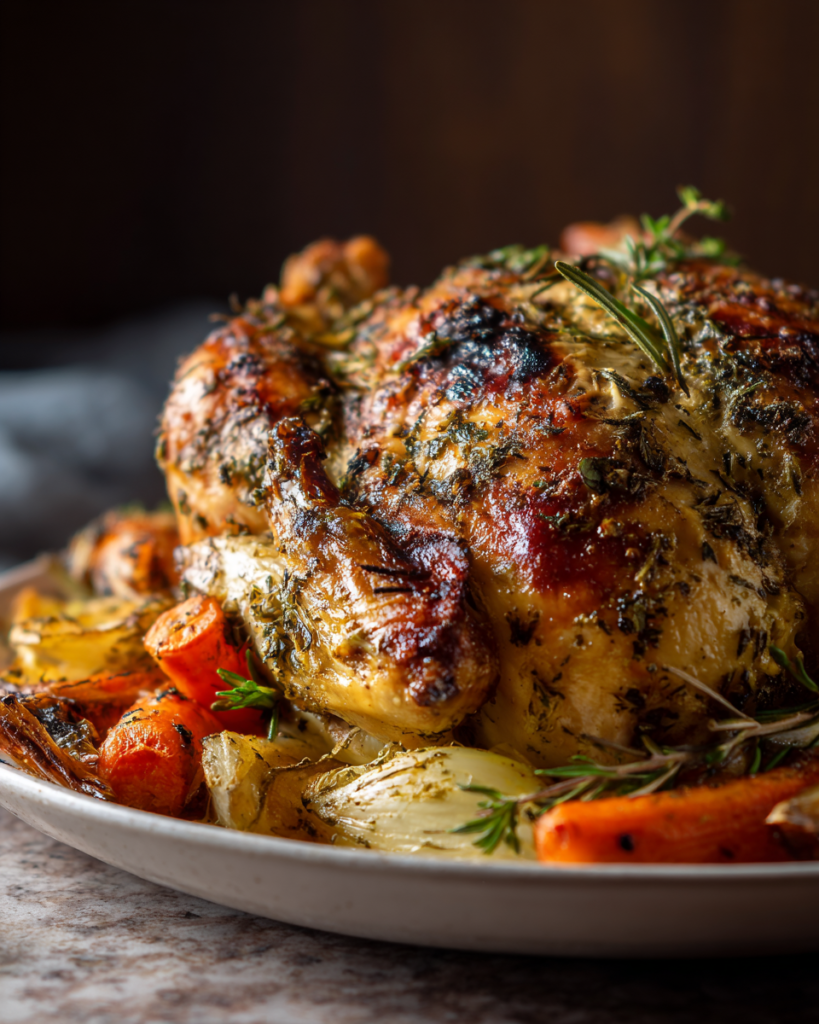
A Crockpot Herbed Chicken Roast brings together tender poultry, aromatic herbs, and slow cooking in a single pot for a satisfying home-style meal. The gentle heat of a crockpot allows the chicken to absorb seasoning gradually, resulting in juicy texture and rich aroma without constant attention in the kitchen.
This dish fits well into family meals, casual gatherings, or relaxed weekend dinners. The herb blend infuses the meat while vegetables underneath soak up savory juices, creating a balanced plate that feels hearty yet straightforward.
Ingredients Overview
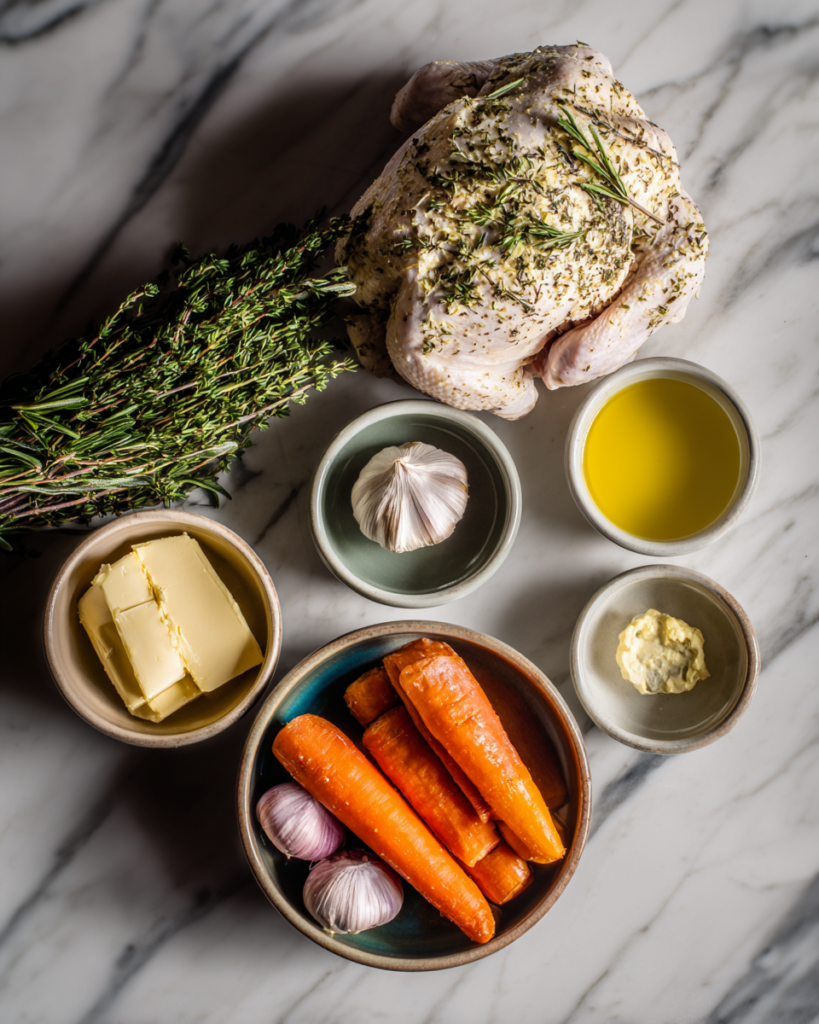
The foundation of Crockpot Herbed Chicken Roast is a whole chicken, which offers both lean meat and rich flavor when cooked slowly. Bone-in cuts work best because they retain moisture and contribute depth to the cooking liquid. The skin helps seal in juices during cooking, then softens as it absorbs herbs and seasoning.
Fresh herbs such as rosemary, thyme, and parsley bring an earthy aroma that complements poultry. Dried herbs can be used when fresh options are not available, though the flavor will be slightly more concentrated. Garlic and onion form the aromatic base, giving the dish savory depth without overpowering the herbs.
Vegetables like carrots, potatoes, and celery sit beneath the chicken, absorbing drippings while softening into a tender side component. Chicken broth adds moisture to prevent dryness and forms a light cooking sauce.
Olive oil helps distribute seasoning across the chicken surface, while salt and black pepper create balance. Lemon slices add mild acidity, brightening the overall flavor profile without overwhelming the herbs.
For substitutions, sweet potatoes can replace white potatoes, and parsnips can stand in for carrots. Turkey can also be used instead of chicken for a variation in protein.
Ingredients
1 whole chicken (4 to 5 pounds)
3 tablespoons olive oil
1 tablespoon salt
1 teaspoon black pepper
1 tablespoon dried rosemary
1 tablespoon dried thyme
1 teaspoon dried parsley
1 onion, sliced
4 cloves garlic, minced
3 carrots, cut into chunks
3 potatoes, quartered
2 celery stalks, chopped
1 cup chicken broth
1 lemon, sliced
2 tablespoons fresh parsley, chopped (for finishing)
Step-by-Step Instructions
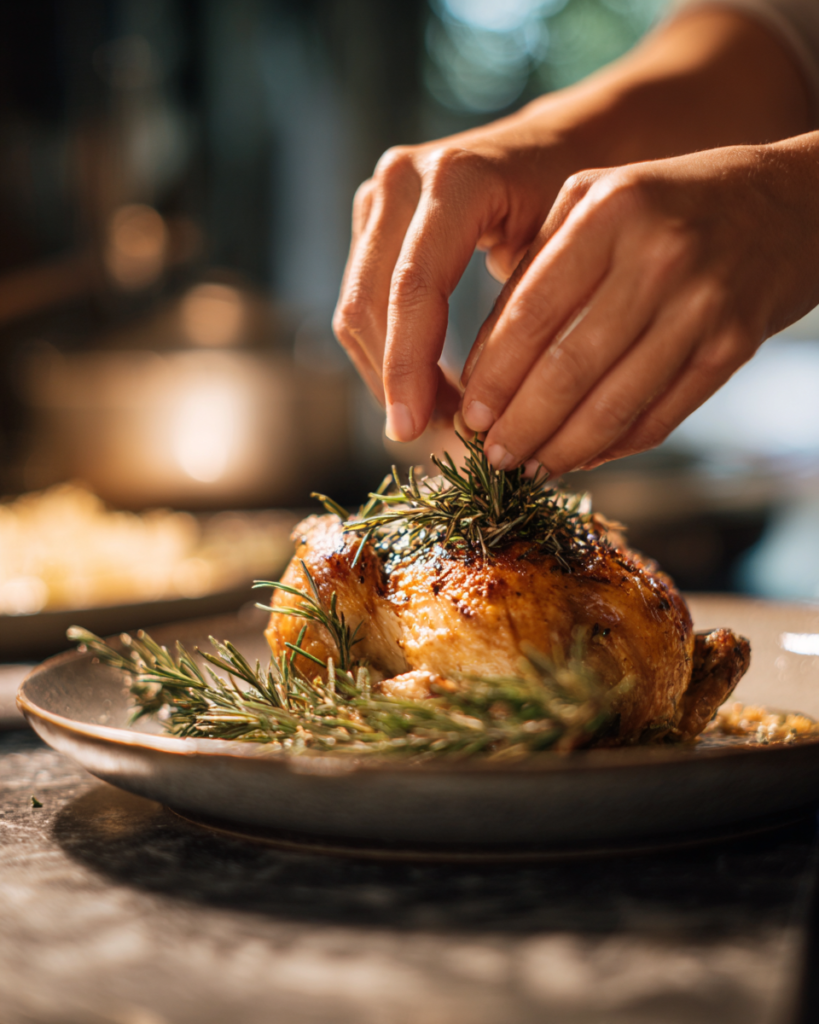
Begin by preparing the chicken. Pat the surface dry using paper towels to help seasoning adhere evenly. Place the chicken in a large bowl or on a clean surface.
Mix olive oil, salt, black pepper, rosemary, thyme, and dried parsley in a small bowl. Rub this mixture thoroughly over the chicken, covering the surface and gently lifting the skin where possible to distribute seasoning beneath it.
Place sliced onion, carrots, potatoes, celery, and garlic at the bottom of the crockpot. These ingredients form a base layer that supports the chicken while absorbing juices during cooking.
Set the seasoned chicken on top of the vegetables, breast side facing upward. Pour chicken broth around the edges of the pot to maintain moisture without washing off seasoning.
Add lemon slices over and around the chicken. The citrus releases mild acidity as it cooks, balancing the herbal notes.
Cover the crockpot with its lid and cook on low heat for several hours until the chicken becomes tender and fully cooked through. The meat should separate easily from the bone when gently pulled, and juices should run clear when pierced at the thickest part.
During cooking, avoid lifting the lid frequently, as this releases heat and slows the process. The enclosed environment helps maintain steady temperature and consistent texture.
Once finished, carefully transfer the chicken to a serving platter. Allow it to rest briefly so juices settle within the meat. Spoon vegetables around the chicken and drizzle cooking liquid over the top for added moisture and flavor.
Sprinkle fresh parsley before serving for a light herbal finish.
Tips, Variations & Substitutions
For a deeper herb profile, fresh rosemary and thyme can replace dried versions. Adding a small amount of sage introduces a slightly earthy note that pairs well with poultry.
If a lighter dish is preferred, remove the chicken skin before serving while still cooking with it intact to preserve moisture during preparation.
Vegetable combinations can be adjusted based on preference. Mushrooms add an earthy dimension, while sweet potatoes bring natural sweetness to balance savory herbs.
For a richer broth, a small amount of butter can be added near the end of cooking, melting into the juices for a smoother texture.
Leftovers can be shredded and used in sandwiches, wraps, or grain bowls for simple meal variations throughout the week.
Serving Ideas & Occasions
Crockpot Herbed Chicken Roast pairs well with simple side dishes such as steamed green beans, rice, or warm dinner rolls. The cooking liquid can be spooned over sides to tie flavors together.
This dish suits relaxed family dinners, weekend meals, or gatherings where a warm, shared main course is desired. It also works well for meal preparation, as leftovers hold flavor and texture when stored properly.
A light salad with citrus dressing complements the savory profile of the roast, offering contrast on the plate.
Nutritional & Health Notes
This dish provides a balance of lean protein, vegetables, and natural fats from olive oil. Chicken supplies protein that supports satiety, while vegetables contribute fiber and micronutrients.
Using skinless portions reduces fat content, while retaining skin during cooking enhances moisture and flavor. The broth adds hydration without heavy calories.
Herbs provide aromatic compounds without adding sodium or fat, making them a useful flavor base. Portion balance can be adjusted depending on dietary preferences, with more vegetables increasing fiber content per serving.
FAQs
Can I use chicken pieces instead of a whole chicken?
Chicken pieces such as thighs, drumsticks, or breasts can be used instead of a whole chicken. Bone-in cuts tend to stay more moist during slow cooking, while boneless cuts cook faster but may result in a slightly different texture. When using pieces, arrange them in a single layer over the vegetable base to promote even cooking. Adjust seasoning distribution so each piece receives a similar coating of herbs and spices. Cooking performance may vary slightly depending on cut size, so check tenderness before serving.
What vegetables work best in this dish?
Root vegetables work particularly well because they hold their shape during long cooking periods. Potatoes, carrots, and celery are classic choices, but parsnips, sweet potatoes, and onions also perform well. These vegetables absorb the seasoned broth while softening into a tender side component. It is helpful to cut them into uniform sizes so they cook evenly. Softer vegetables such as zucchini are less suitable because they may break down too much during extended cooking.
Can fresh herbs replace dried herbs?
Fresh herbs can be used in place of dried herbs and often provide a brighter aroma. Rosemary, thyme, and parsley work especially well with chicken. When using fresh herbs, slightly larger quantities are typically required because dried herbs are more concentrated. It is helpful to place fresh sprigs both under and on top of the chicken so their flavor distributes throughout the cooking liquid. The result is a more aromatic profile with a lighter herbal tone.
How do I keep the chicken from drying out?
Moisture retention depends on a combination of broth, vegetable base, and sealed cooking environment. Placing vegetables under the chicken lifts it slightly, allowing air circulation and preventing direct contact with the pot surface. Adding broth maintains steam inside the pot. Keeping the lid closed during cooking preserves heat consistency. Selecting bone-in chicken also helps retain natural moisture, resulting in tender meat that separates easily when finished.
Can I prepare this dish ahead of cooking?
Yes, preparation can be completed ahead of cooking. The chicken can be seasoned and stored in a covered container for several hours before cooking. Vegetables can also be chopped and refrigerated in advance. This allows flavors to settle into the poultry before slow cooking begins. When ready, simply assemble ingredients in the crockpot and begin the cooking process. This approach helps simplify meal preparation for busy schedules.
What should I do with leftovers?
Leftover chicken can be shredded and used in multiple dishes. It works well in sandwiches, wraps, salads, or grain bowls. The vegetables and cooking liquid can be reheated together for a simple soup-like meal. Storing leftovers in airtight containers helps preserve moisture and flavor. When reheating, gentle warming is recommended to maintain texture without drying the meat.
Can I cook this on a higher setting to reduce cooking duration?
Cooking on a higher setting will reduce the overall cooking duration, but the texture may differ slightly. Slow cooking on a lower setting allows flavors to develop gradually and helps maintain tenderness. Higher heat can still produce a fully cooked dish, but monitoring is important to prevent dryness. Checking doneness earlier than usual is recommended when using a higher setting, as cooking progress will be faster.