Creamy Tuscan Chicken Thighs: 5 Terrific Cozy Plates

Posted on

Uncategorized

Difficulty

Prep time

Cooking time

Total time

Servings

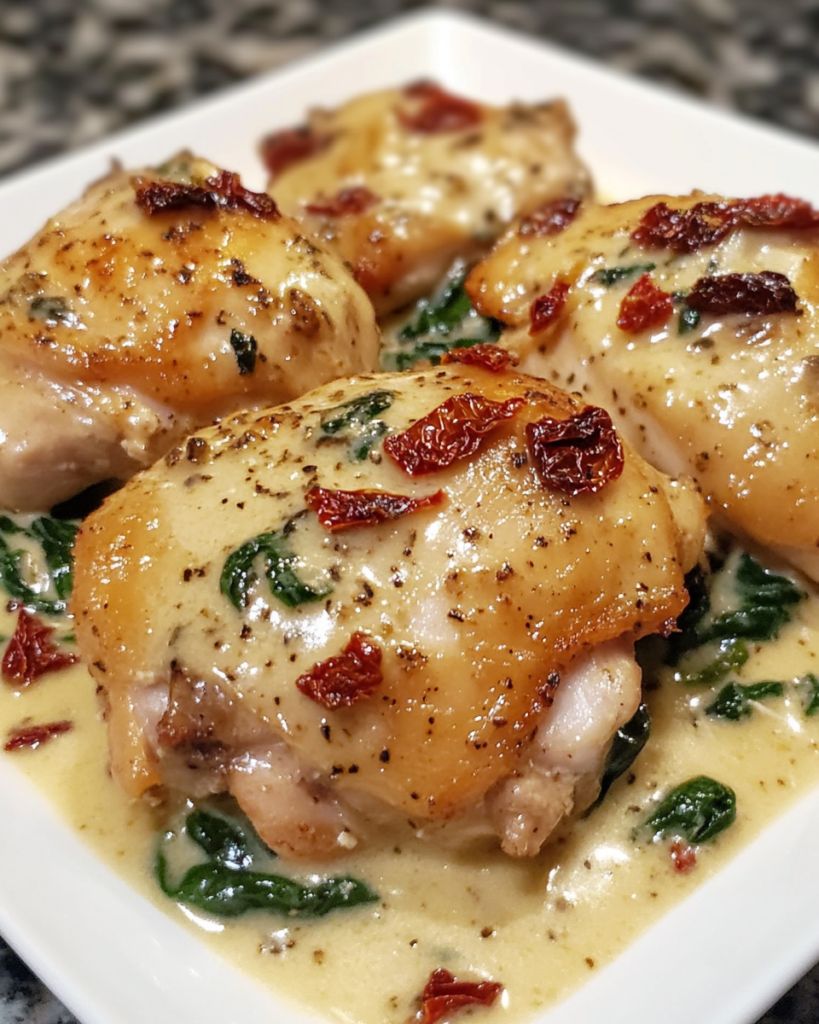
Creamy Tuscan Chicken Thighs bring rich garlic cream sauce, tender chicken, wilted spinach, and sweet sun-dried tomatoes together in a skillet supper packed with deep savory flavor. Crisp golden chicken skin pairs beautifully with silky sauce, while Parmesan adds gentle saltiness and body. This dish fits busy weeknights yet carries enough charm for relaxed family dinners or small gatherings.

Chicken thighs stay juicy during stovetop cooking, making this recipe forgiving for home cooks. The creamy sauce clings beautifully to pasta, mashed potatoes, rice, or warm bread. Fresh herbs finish the skillet with light herbal notes that balance the rich cream.

Ingredients Overview
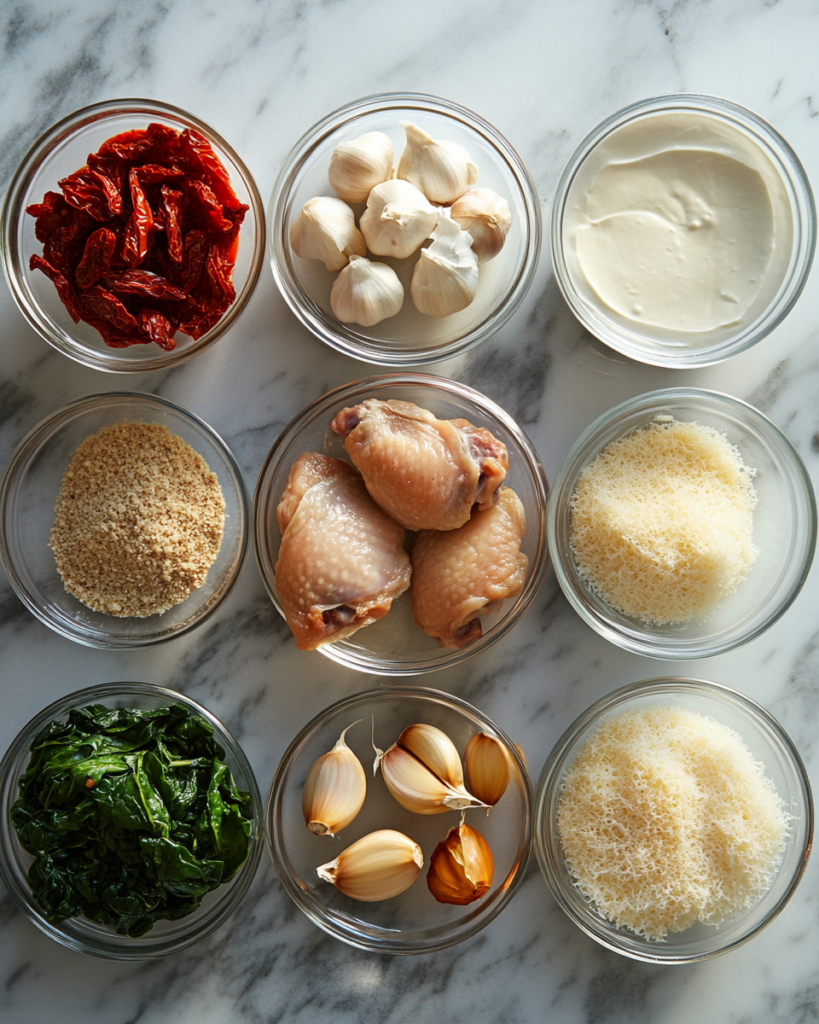
Chicken thighs form the foundation of this skillet dinner because dark meat stays tender during high-heat cooking. Boneless skinless thighs cook quickly, while bone-in thighs bring richer flavor and slightly crisp edges. Either option works beautifully, though cooking times vary slightly.

Heavy cream creates the smooth texture that gives Creamy Tuscan Chicken Thighs their signature finish. Parmesan melts into the cream, adding nutty depth while thickening the sauce naturally. Freshly grated Parmesan works far better than pre-shredded varieties because it melts smoothly without graininess.

Sun-dried tomatoes bring concentrated sweetness and mild tanginess that cut through the richness of the cream. Oil-packed tomatoes carry softer texture and fuller flavor than dry-packed versions. Spinach softens directly inside the warm sauce, adding color and gentle earthiness.

Garlic builds aromatic flavor throughout the skillet. Fresh garlic cloves provide balanced savory notes without bitterness. Italian seasoning adds warmth through dried herbs such as oregano, basil, and thyme.

Chicken broth loosens the sauce slightly while carrying savory depth across every bite. Butter and olive oil help create golden caramelization on the chicken surface. Fresh basil or parsley brightens the finished dish and balances the cream beautifully.

Several ingredient swaps work well here. Half-and-half can replace heavy cream for a lighter sauce, though texture becomes slightly thinner. Kale may replace spinach, while roasted red peppers can stand in for sun-dried tomatoes. Romano cheese offers a sharper finish than Parmesan.

Ingredients

6 boneless skinless chicken thighs
1 teaspoon salt
1/2 teaspoon black pepper
1 teaspoon Italian seasoning
1/2 teaspoon paprika
2 tablespoons olive oil
2 tablespoons butter
4 garlic cloves, minced
1/2 cup chicken broth
1 cup heavy cream
3/4 cup freshly grated Parmesan cheese
1/2 cup chopped sun-dried tomatoes
3 cups fresh spinach
1 tablespoon chopped fresh basil
1 tablespoon chopped parsley

Step-by-Step Instructions
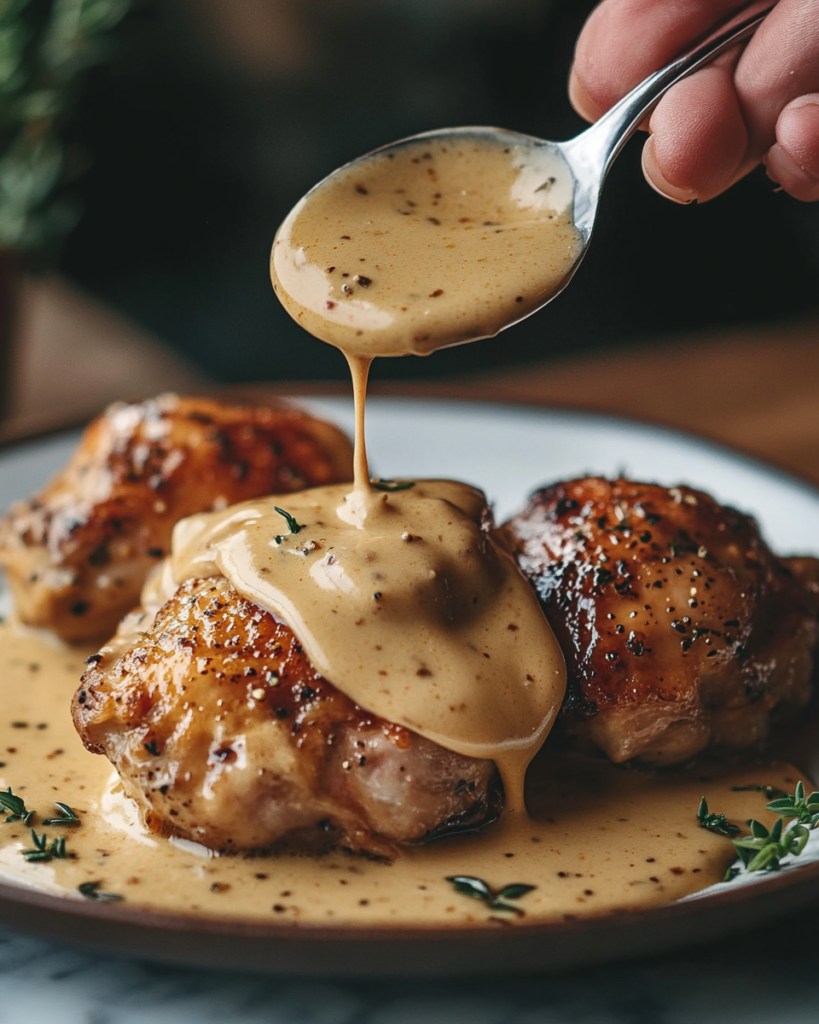
Pat the chicken thighs dry using paper towels. Dry chicken browns more evenly and develops richer flavor during skillet cooking. Season both sides with salt, pepper, Italian seasoning, and paprika.

Warm a large skillet over medium-high heat. Add olive oil and allow it to heat fully before placing the chicken inside. Crowding the pan prevents browning, so cook in batches if necessary.

Lay the chicken thighs smooth-side down first. Cook for about 5 to 6 minutes until deep golden color forms along the surface. Flip carefully and cook another 5 minutes. Boneless thighs usually finish cooking around 170 degrees Fahrenheit for tender texture. Remove the chicken from the skillet and place on a plate.

Reduce heat to medium. Add butter directly into the skillet drippings. Stir in minced garlic and cook about 30 seconds until fragrant. Garlic burns quickly, so stir constantly during this stage.

Pour in chicken broth while scraping browned bits from the skillet bottom. Those caramelized pieces carry tremendous savory flavor for the sauce. Allow the broth to simmer for 2 minutes so the liquid reduces slightly.

Add heavy cream slowly while stirring. Once the cream begins bubbling gently, stir in Parmesan cheese a handful at a time. Slow addition prevents clumping and keeps the sauce smooth.

Fold in the sun-dried tomatoes and spinach. The spinach wilts within several minutes while adding fresh color to the creamy sauce. If the sauce thickens too much, add a splash of broth.

Return the chicken thighs to the skillet. Spoon sauce across the tops and simmer gently for another 4 to 5 minutes. This final simmer allows the chicken to absorb garlic cream flavor while finishing completely.

Scatter fresh basil and parsley over the skillet before serving.

Several cooking habits help this dish turn out beautifully every time. Avoid very high heat after adding cream because rapid boiling may separate the sauce. Fresh Parmesan melts more evenly than packaged shredded cheese. Taste the sauce before serving since Parmesan already carries saltiness.

For richer browning, leave the chicken untouched during the first few minutes of cooking. Constant flipping blocks proper caramelization. Thick thighs may need several extra minutes, particularly bone-in pieces.

Tips, Variations & Substitutions

Creamy Tuscan Chicken Thighs adapt beautifully for different kitchens and dietary needs. Boneless chicken breasts may replace thighs, though breast meat cooks faster and can dry out if left too long in the skillet. Bone-in thighs create deeper flavor and crispier edges.

Mushrooms pair beautifully with the creamy garlic sauce. Slice cremini mushrooms and sauté them after the chicken finishes browning. Artichoke hearts also blend nicely with spinach and sun-dried tomatoes.

For lighter texture, replace part of the heavy cream with whole milk or half-and-half. The sauce becomes slightly thinner yet still rich enough for pasta or rice. Dairy-free cooking works nicely with unsweetened oat cream and dairy-free Parmesan alternatives.

Fresh herbs create brighter flavor than dried herbs near the final stage. Basil, parsley, and thyme each pair beautifully with the creamy sauce. Crushed red pepper flakes bring gentle warmth without overpowering the skillet.

Pasta transforms this recipe into a full one-pan supper. Fettuccine, penne, or linguine absorb the creamy sauce beautifully. Rice and mashed potatoes also work wonderfully beneath the chicken.

Leftovers hold nicely inside the refrigerator for about three days. Reheat slowly over low heat with a splash of broth or cream so the sauce stays smooth.

Serving Ideas & Occasions

Creamy Tuscan Chicken Thighs pair beautifully with buttery mashed potatoes, soft polenta, roasted baby potatoes, or warm pasta. Crusty bread works wonderfully for soaking up extra garlic cream sauce from the skillet.

For vegetables, roasted asparagus, green beans, or broccoli provide freshness beside the rich sauce. A crisp salad with lemon vinaigrette balances the creamy texture nicely.

This skillet dinner fits many occasions. It works beautifully for relaxed Sunday suppers, casual date nights, or family gatherings during cooler months. Since the recipe cooks inside one skillet, cleanup stays manageable during busy evenings.

Sparkling water with lemon or lightly chilled white wine complements the creamy flavors nicely. Garlic bread and roasted vegetables create a satisfying dinner spread suitable for guests without requiring complicated preparation.

Nutritional & Health Notes

Chicken thighs provide protein, iron, zinc, and several B vitamins that support balanced meals. Dark meat carries slightly higher fat content than chicken breast, though that fat also helps keep the meat juicy during cooking.

Spinach contributes fiber, potassium, folate, and vitamin K while adding color and freshness to the rich cream sauce. Sun-dried tomatoes bring concentrated tomato flavor along with antioxidants and natural sweetness.

Heavy cream and Parmesan create satisfying richness, though portion balance remains helpful when serving this recipe regularly. Pairing the chicken with vegetables or lighter side dishes helps create a more balanced plate.

Several lighter adjustments work well. Reduced-fat cream, smaller cheese portions, or extra spinach can slightly reduce richness while still keeping the dish satisfying. Homemade chicken broth may also lower sodium compared with packaged versions.

Because this dish contains dairy, those avoiding lactose may prefer lactose-free cream and cheese substitutes. Gluten-free diners can enjoy the skillet comfortably when serving alongside rice or gluten-free pasta.

FAQs

Can I cook Creamy Tuscan Chicken Thighs with bone-in chicken?

Bone-in chicken thighs work beautifully for this recipe and often carry richer flavor than boneless cuts. The skin also becomes wonderfully crisp during skillet cooking. Bone-in thighs usually need several additional minutes compared with boneless varieties, particularly near the center close to the bone. A meat thermometer helps greatly here, with internal temperature reaching about 175 degrees Fahrenheit for juicy texture.

During stovetop cooking, medium heat works nicely because thicker pieces need slightly longer cooking without burning the outside surface. After browning, the thighs can finish gently inside the sauce until fully cooked. The sauce absorbs flavorful drippings from the chicken, creating even deeper savory richness across the skillet.

Can I prepare the sauce ahead of time?

The creamy sauce can absolutely be prepared earlier during the day. Cook the garlic, broth, cream, Parmesan, and sun-dried tomatoes as directed, then cool the mixture before refrigerating. Spinach tastes freshest when added closer to serving time, so many cooks prefer stirring it in during reheating.

When ready for supper, warm the sauce slowly over low heat while stirring frequently. Rapid boiling may separate dairy-based sauces. If the sauce thickens inside the refrigerator, add several spoonfuls of broth or cream until the texture loosens again. Fresh herbs should also wait until serving time because they lose brightness after long storage.

Which pasta pairs nicely with this dish?

Several pasta shapes pair wonderfully with Creamy Tuscan Chicken Thighs. Fettuccine carries the sauce beautifully because broad noodles hold creamy texture very well. Penne and rigatoni also work nicely since sauce slips inside the hollow centers. Linguine creates a slightly lighter presentation while still carrying plenty of flavor.

Cook pasta until tender with slight firmness remaining in the center. Reserve a small cup of pasta water before draining because starchy water helps loosen thick sauce if necessary. Tossing cooked pasta directly inside the skillet allows the noodles to absorb garlic cream flavor fully. Fresh basil over the finished bowl creates beautiful color and balance.

Why did my cream sauce turn grainy?

Grainy sauce usually appears when cheese melts too quickly or cream cooks over very high heat. Parmesan should enter the skillet gradually while stirring constantly. Freshly grated cheese melts far more smoothly than packaged shredded cheese because packaged varieties often contain anti-caking powders.

Heat control matters greatly once cream enters the skillet. Gentle bubbling creates silky texture, while rapid boiling can separate fats from liquids. If the sauce becomes too thick, adding small splashes of warm broth often smooths things out again. Heavy cream also performs better than low-fat milk because higher fat content creates more stable texture during simmering.

Can I freeze leftovers?

Freezing remains possible, though cream sauces sometimes separate slightly after thawing. For strongest texture, cool leftovers completely before placing them inside airtight containers. Frozen portions usually keep nicely for about two months.

Thaw overnight inside the refrigerator before reheating. Warm leftovers slowly inside a skillet over low heat while stirring often. Adding several spoonfuls of broth or cream helps restore smoother texture. Spinach softens further after freezing, though flavor remains pleasant. Many cooks prefer fresh preparation for the smoothest sauce, yet leftovers still create satisfying meals during busy weeks.

What vegetables work nicely inside the skillet?

Spinach remains traditional for Creamy Tuscan Chicken Thighs, though several vegetables blend beautifully with the creamy sauce. Mushrooms create earthy richness and absorb garlic flavor wonderfully. Roasted red peppers bring sweetness and gentle smokiness. Kale adds hearty texture, particularly during cooler months.

Broccoli florets, asparagus tips, or peas can also join the skillet near the final simmer. Softer vegetables should enter later so they keep pleasant texture and bright color. When adding watery vegetables such as zucchini, cook them separately first so extra moisture does not thin the sauce too much.

Can I cook this recipe inside the oven?

Oven cooking works very well, particularly with thicker bone-in chicken thighs. Begin by browning the chicken on the stovetop first because caramelized color creates richer flavor. After preparing the sauce, return the chicken to the skillet and transfer everything into a preheated 375-degree Fahrenheit oven.

Bake uncovered until the chicken reaches safe internal temperature and the sauce bubbles gently around the edges. This method allows steady heat across the skillet without frequent stirring. Fresh spinach and herbs should still enter near the final minutes so they keep brighter texture and color. Oven finishing also helps when preparing larger portions for gatherings.

[rank_math_breadcrumb]

Creamy Tuscan Chicken Thighs: 5 Terrific Cozy Plates

Photo of author
Author: Ava
Published:

Creamy Tuscan Chicken Thighs bring rich garlic cream sauce, tender chicken, wilted spinach, and sweet sun-dried tomatoes together in a skillet supper packed with deep savory flavor. Crisp golden chicken skin pairs beautifully with silky sauce, while Parmesan adds gentle saltiness and body. This dish fits busy weeknights yet carries enough charm for relaxed family dinners or small gatherings.

Chicken thighs stay juicy during stovetop cooking, making this recipe forgiving for home cooks. The creamy sauce clings beautifully to pasta, mashed potatoes, rice, or warm bread. Fresh herbs finish the skillet with light herbal notes that balance the rich cream.

Ingredients Overview

Chicken thighs form the foundation of this skillet dinner because dark meat stays tender during high-heat cooking. Boneless skinless thighs cook quickly, while bone-in thighs bring richer flavor and slightly crisp edges. Either option works beautifully, though cooking times vary slightly.

Heavy cream creates the smooth texture that gives Creamy Tuscan Chicken Thighs their signature finish. Parmesan melts into the cream, adding nutty depth while thickening the sauce naturally. Freshly grated Parmesan works far better than pre-shredded varieties because it melts smoothly without graininess.

Sun-dried tomatoes bring concentrated sweetness and mild tanginess that cut through the richness of the cream. Oil-packed tomatoes carry softer texture and fuller flavor than dry-packed versions. Spinach softens directly inside the warm sauce, adding color and gentle earthiness.

Garlic builds aromatic flavor throughout the skillet. Fresh garlic cloves provide balanced savory notes without bitterness. Italian seasoning adds warmth through dried herbs such as oregano, basil, and thyme.

Chicken broth loosens the sauce slightly while carrying savory depth across every bite. Butter and olive oil help create golden caramelization on the chicken surface. Fresh basil or parsley brightens the finished dish and balances the cream beautifully.

Several ingredient swaps work well here. Half-and-half can replace heavy cream for a lighter sauce, though texture becomes slightly thinner. Kale may replace spinach, while roasted red peppers can stand in for sun-dried tomatoes. Romano cheese offers a sharper finish than Parmesan.

Ingredients

6 boneless skinless chicken thighs
1 teaspoon salt
1/2 teaspoon black pepper
1 teaspoon Italian seasoning
1/2 teaspoon paprika
2 tablespoons olive oil
2 tablespoons butter
4 garlic cloves, minced
1/2 cup chicken broth
1 cup heavy cream
3/4 cup freshly grated Parmesan cheese
1/2 cup chopped sun-dried tomatoes
3 cups fresh spinach
1 tablespoon chopped fresh basil
1 tablespoon chopped parsley

Step-by-Step Instructions

Pat the chicken thighs dry using paper towels. Dry chicken browns more evenly and develops richer flavor during skillet cooking. Season both sides with salt, pepper, Italian seasoning, and paprika.

Warm a large skillet over medium-high heat. Add olive oil and allow it to heat fully before placing the chicken inside. Crowding the pan prevents browning, so cook in batches if necessary.

Lay the chicken thighs smooth-side down first. Cook for about 5 to 6 minutes until deep golden color forms along the surface. Flip carefully and cook another 5 minutes. Boneless thighs usually finish cooking around 170 degrees Fahrenheit for tender texture. Remove the chicken from the skillet and place on a plate.

Reduce heat to medium. Add butter directly into the skillet drippings. Stir in minced garlic and cook about 30 seconds until fragrant. Garlic burns quickly, so stir constantly during this stage.

Pour in chicken broth while scraping browned bits from the skillet bottom. Those caramelized pieces carry tremendous savory flavor for the sauce. Allow the broth to simmer for 2 minutes so the liquid reduces slightly.

Add heavy cream slowly while stirring. Once the cream begins bubbling gently, stir in Parmesan cheese a handful at a time. Slow addition prevents clumping and keeps the sauce smooth.

Fold in the sun-dried tomatoes and spinach. The spinach wilts within several minutes while adding fresh color to the creamy sauce. If the sauce thickens too much, add a splash of broth.

Return the chicken thighs to the skillet. Spoon sauce across the tops and simmer gently for another 4 to 5 minutes. This final simmer allows the chicken to absorb garlic cream flavor while finishing completely.

Scatter fresh basil and parsley over the skillet before serving.

Several cooking habits help this dish turn out beautifully every time. Avoid very high heat after adding cream because rapid boiling may separate the sauce. Fresh Parmesan melts more evenly than packaged shredded cheese. Taste the sauce before serving since Parmesan already carries saltiness.

For richer browning, leave the chicken untouched during the first few minutes of cooking. Constant flipping blocks proper caramelization. Thick thighs may need several extra minutes, particularly bone-in pieces.

Tips, Variations & Substitutions

Creamy Tuscan Chicken Thighs adapt beautifully for different kitchens and dietary needs. Boneless chicken breasts may replace thighs, though breast meat cooks faster and can dry out if left too long in the skillet. Bone-in thighs create deeper flavor and crispier edges.

Mushrooms pair beautifully with the creamy garlic sauce. Slice cremini mushrooms and sauté them after the chicken finishes browning. Artichoke hearts also blend nicely with spinach and sun-dried tomatoes.

For lighter texture, replace part of the heavy cream with whole milk or half-and-half. The sauce becomes slightly thinner yet still rich enough for pasta or rice. Dairy-free cooking works nicely with unsweetened oat cream and dairy-free Parmesan alternatives.

Fresh herbs create brighter flavor than dried herbs near the final stage. Basil, parsley, and thyme each pair beautifully with the creamy sauce. Crushed red pepper flakes bring gentle warmth without overpowering the skillet.

Pasta transforms this recipe into a full one-pan supper. Fettuccine, penne, or linguine absorb the creamy sauce beautifully. Rice and mashed potatoes also work wonderfully beneath the chicken.

Leftovers hold nicely inside the refrigerator for about three days. Reheat slowly over low heat with a splash of broth or cream so the sauce stays smooth.

Serving Ideas & Occasions

Creamy Tuscan Chicken Thighs pair beautifully with buttery mashed potatoes, soft polenta, roasted baby potatoes, or warm pasta. Crusty bread works wonderfully for soaking up extra garlic cream sauce from the skillet.

For vegetables, roasted asparagus, green beans, or broccoli provide freshness beside the rich sauce. A crisp salad with lemon vinaigrette balances the creamy texture nicely.

This skillet dinner fits many occasions. It works beautifully for relaxed Sunday suppers, casual date nights, or family gatherings during cooler months. Since the recipe cooks inside one skillet, cleanup stays manageable during busy evenings.

Sparkling water with lemon or lightly chilled white wine complements the creamy flavors nicely. Garlic bread and roasted vegetables create a satisfying dinner spread suitable for guests without requiring complicated preparation.

Nutritional & Health Notes

Chicken thighs provide protein, iron, zinc, and several B vitamins that support balanced meals. Dark meat carries slightly higher fat content than chicken breast, though that fat also helps keep the meat juicy during cooking.

Spinach contributes fiber, potassium, folate, and vitamin K while adding color and freshness to the rich cream sauce. Sun-dried tomatoes bring concentrated tomato flavor along with antioxidants and natural sweetness.

Heavy cream and Parmesan create satisfying richness, though portion balance remains helpful when serving this recipe regularly. Pairing the chicken with vegetables or lighter side dishes helps create a more balanced plate.

Several lighter adjustments work well. Reduced-fat cream, smaller cheese portions, or extra spinach can slightly reduce richness while still keeping the dish satisfying. Homemade chicken broth may also lower sodium compared with packaged versions.

Because this dish contains dairy, those avoiding lactose may prefer lactose-free cream and cheese substitutes. Gluten-free diners can enjoy the skillet comfortably when serving alongside rice or gluten-free pasta.

FAQs

Can I cook Creamy Tuscan Chicken Thighs with bone-in chicken?

Bone-in chicken thighs work beautifully for this recipe and often carry richer flavor than boneless cuts. The skin also becomes wonderfully crisp during skillet cooking. Bone-in thighs usually need several additional minutes compared with boneless varieties, particularly near the center close to the bone. A meat thermometer helps greatly here, with internal temperature reaching about 175 degrees Fahrenheit for juicy texture.

During stovetop cooking, medium heat works nicely because thicker pieces need slightly longer cooking without burning the outside surface. After browning, the thighs can finish gently inside the sauce until fully cooked. The sauce absorbs flavorful drippings from the chicken, creating even deeper savory richness across the skillet.

Can I prepare the sauce ahead of time?

The creamy sauce can absolutely be prepared earlier during the day. Cook the garlic, broth, cream, Parmesan, and sun-dried tomatoes as directed, then cool the mixture before refrigerating. Spinach tastes freshest when added closer to serving time, so many cooks prefer stirring it in during reheating.

When ready for supper, warm the sauce slowly over low heat while stirring frequently. Rapid boiling may separate dairy-based sauces. If the sauce thickens inside the refrigerator, add several spoonfuls of broth or cream until the texture loosens again. Fresh herbs should also wait until serving time because they lose brightness after long storage.

Which pasta pairs nicely with this dish?

Several pasta shapes pair wonderfully with Creamy Tuscan Chicken Thighs. Fettuccine carries the sauce beautifully because broad noodles hold creamy texture very well. Penne and rigatoni also work nicely since sauce slips inside the hollow centers. Linguine creates a slightly lighter presentation while still carrying plenty of flavor.

Cook pasta until tender with slight firmness remaining in the center. Reserve a small cup of pasta water before draining because starchy water helps loosen thick sauce if necessary. Tossing cooked pasta directly inside the skillet allows the noodles to absorb garlic cream flavor fully. Fresh basil over the finished bowl creates beautiful color and balance.

Why did my cream sauce turn grainy?

Grainy sauce usually appears when cheese melts too quickly or cream cooks over very high heat. Parmesan should enter the skillet gradually while stirring constantly. Freshly grated cheese melts far more smoothly than packaged shredded cheese because packaged varieties often contain anti-caking powders.

Heat control matters greatly once cream enters the skillet. Gentle bubbling creates silky texture, while rapid boiling can separate fats from liquids. If the sauce becomes too thick, adding small splashes of warm broth often smooths things out again. Heavy cream also performs better than low-fat milk because higher fat content creates more stable texture during simmering.

Can I freeze leftovers?

Freezing remains possible, though cream sauces sometimes separate slightly after thawing. For strongest texture, cool leftovers completely before placing them inside airtight containers. Frozen portions usually keep nicely for about two months.

Thaw overnight inside the refrigerator before reheating. Warm leftovers slowly inside a skillet over low heat while stirring often. Adding several spoonfuls of broth or cream helps restore smoother texture. Spinach softens further after freezing, though flavor remains pleasant. Many cooks prefer fresh preparation for the smoothest sauce, yet leftovers still create satisfying meals during busy weeks.

What vegetables work nicely inside the skillet?

Spinach remains traditional for Creamy Tuscan Chicken Thighs, though several vegetables blend beautifully with the creamy sauce. Mushrooms create earthy richness and absorb garlic flavor wonderfully. Roasted red peppers bring sweetness and gentle smokiness. Kale adds hearty texture, particularly during cooler months.

Broccoli florets, asparagus tips, or peas can also join the skillet near the final simmer. Softer vegetables should enter later so they keep pleasant texture and bright color. When adding watery vegetables such as zucchini, cook them separately first so extra moisture does not thin the sauce too much.

Can I cook this recipe inside the oven?

Oven cooking works very well, particularly with thicker bone-in chicken thighs. Begin by browning the chicken on the stovetop first because caramelized color creates richer flavor. After preparing the sauce, return the chicken to the skillet and transfer everything into a preheated 375-degree Fahrenheit oven.

Bake uncovered until the chicken reaches safe internal temperature and the sauce bubbles gently around the edges. This method allows steady heat across the skillet without frequent stirring. Fresh spinach and herbs should still enter near the final minutes so they keep brighter texture and color. Oven finishing also helps when preparing larger portions for gatherings.
Name

Lorem ipsum dolor sit amet, consectetur adipiscing elit. Suspendisse varius enim in eros elementum tristique. Duis cursus, mi quis viverra ornare, eros dolor interdum nulla, ut commodo diam libero vitae erat.

You Might Also Like...

Spicy Chipotle Chicken Burrito Bowls: 5 Authentic Hope

Spicy Chipotle Chicken Burrito Bowls: 5 Authentic Hope

Creamy Chicken Tortellini Soup: 7 Amazing Cozy Bowls

Creamy Chicken Tortellini Soup: 7 Amazing Cozy Bowls

Chicken Parmesan Grilled Cheese: 5 Authentic Comforting Bites

Chicken Parmesan Grilled Cheese: 5 Authentic Comforting Bites

BBQ Chicken Flatbread Pizza: 7 Amazing Comforting Bites

BBQ Chicken Flatbread Pizza: 7 Amazing Comforting Bites

Tags:

You might also like these recipes

Leave a Comment