Chickpea Cucumber Salad with Feta: 7 Easy Vibrant Ways

Posted on

Veggies

Difficulty

Prep time

Cooking time

Total time

Servings

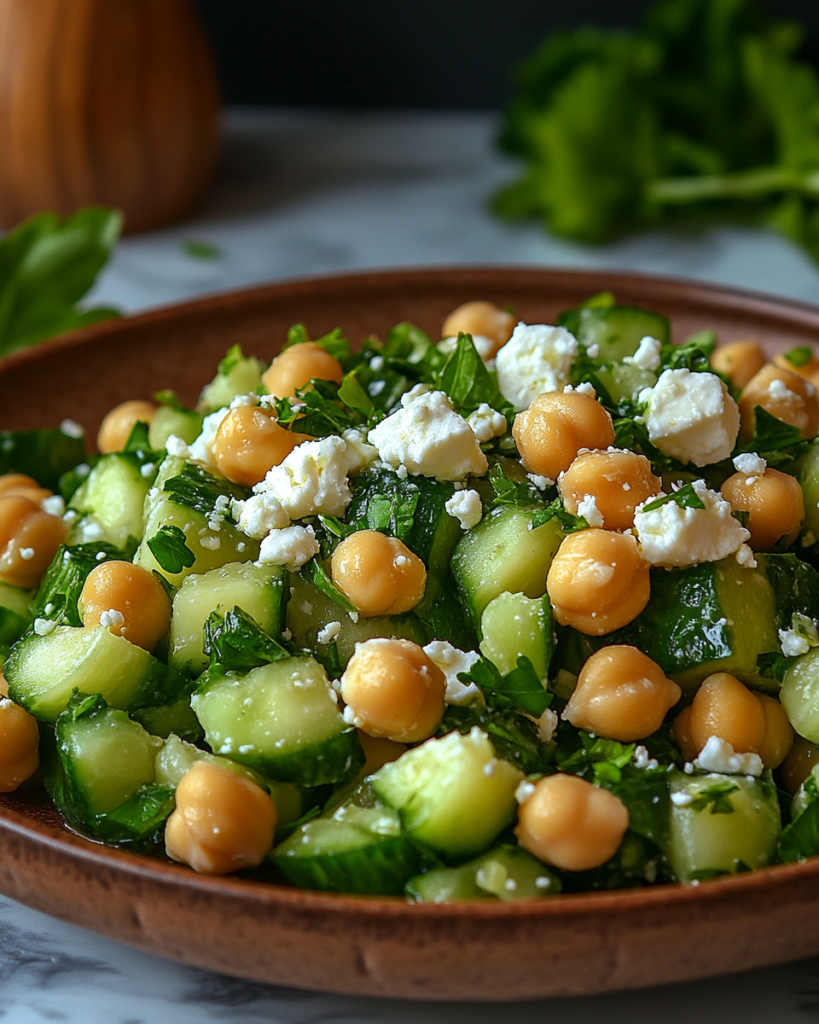
Chickpea cucumber salad with feta is a refreshing, wholesome dish that balances crisp textures with creamy, tangy notes. It brings together protein-rich chickpeas, cool cucumbers, and briny feta cheese in a way that feels light yet satisfying. This salad works beautifully as a quick lunch, a side for grilled meals, or even a make-ahead option for busy days.

What makes chickpea cucumber salad with feta stand out is its simplicity. Each ingredient plays a clear role, and the flavors come together without heavy sauces or complicated steps. With just a handful of fresh components and a simple dressing, this dish delivers a bright, clean taste that fits many occasions.

Ingredients Overview
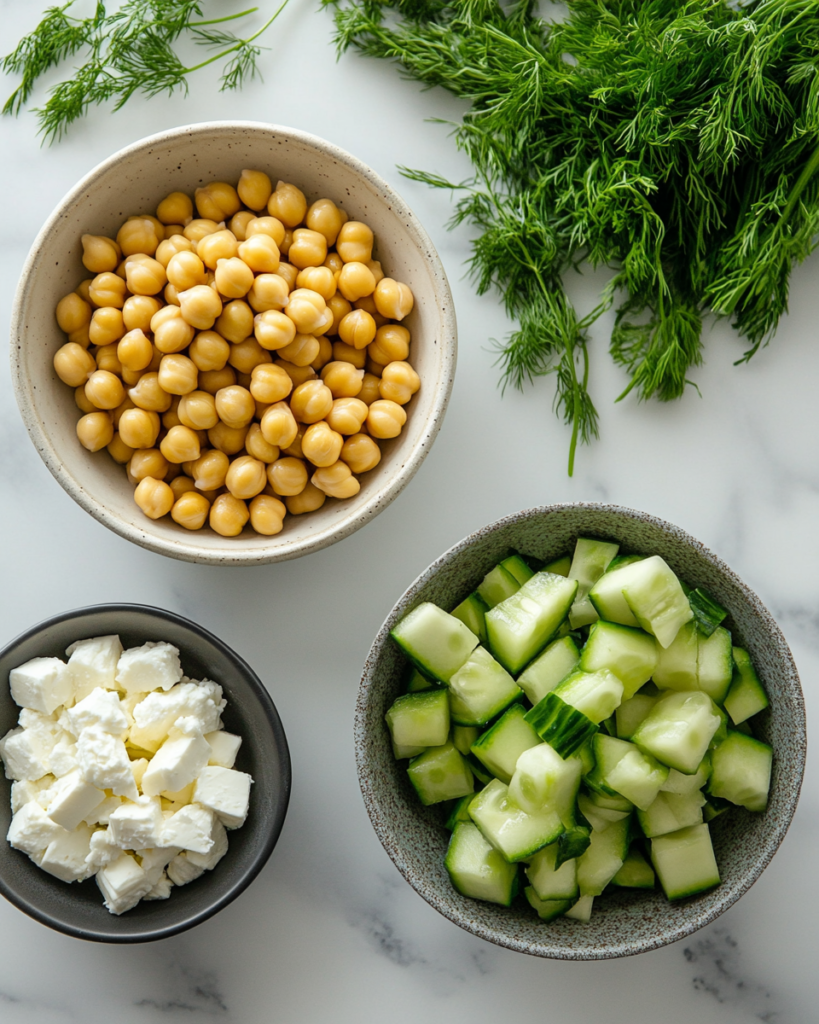
The heart of chickpea cucumber salad with feta lies in its fresh, balanced ingredients. Chickpeas provide a firm yet tender bite, along with a mild, nutty flavor that absorbs the dressing well. They also add protein and fiber, making the salad more filling than typical vegetable-based sides.

Cucumbers bring a crisp, hydrating element that contrasts beautifully with the chickpeas. English cucumbers or Persian cucumbers are ideal because they have thinner skins and fewer seeds, which helps maintain a clean texture without excess moisture.

Feta cheese introduces a salty, creamy component that ties the salad together. Its crumbly texture disperses throughout the dish, adding bursts of flavor in every bite. If feta is too strong, a mild goat cheese or even cubed mozzarella can be used as a substitute, though the flavor will be softer.

Red onion adds a subtle sharpness that lifts the overall flavor. When finely chopped and balanced with the dressing, it provides depth without overpowering the dish. Fresh herbs like parsley or dill contribute a fresh aroma and a light herbal finish.

The dressing is typically made with olive oil, lemon juice, salt, and black pepper. The olive oil adds richness, while the lemon juice brightens the entire salad. A splash of vinegar can be used instead of lemon juice if desired, though citrus tends to complement the ingredients more naturally.

Ingredients

2 cups cooked chickpeas, drained and rinsed
1 1/2 cups diced cucumber
1/2 cup crumbled feta cheese
1/4 cup finely chopped red onion
1/4 cup chopped fresh parsley
2 tablespoons chopped fresh dill
3 tablespoons olive oil
2 tablespoons fresh lemon juice
1/2 teaspoon salt
1/4 teaspoon black pepper

Step-by-Step Instructions

Start by preparing the chickpeas. If using canned chickpeas, rinse them thoroughly under cold water to remove excess sodium and any canned flavor. Drain them well and pat dry with a clean towel. Removing excess moisture helps the dressing cling better to the chickpeas.

Next, prepare the vegetables. Dice the cucumber into bite-sized pieces, keeping them fairly uniform for even texture. If using a cucumber with thicker skin or larger seeds, consider peeling and removing the seeds to prevent bitterness and excess water.

Finely chop the red onion and herbs. If you find raw onion too sharp, soak the chopped pieces in cold water for about five minutes, then drain thoroughly. This softens the intensity without removing the flavor completely.

In a large mixing bowl, combine the chickpeas, cucumber, red onion, parsley, and dill. Toss gently to distribute the ingredients evenly. Add the crumbled feta cheese last to avoid breaking it down too much during mixing.

In a small bowl, whisk together the olive oil, lemon juice, salt, and black pepper. Taste the dressing and adjust seasoning if needed. It should be bright and slightly tangy, with enough salt to complement the feta.

Pour the dressing over the salad and toss gently until everything is evenly coated. Be careful not to overmix, as this can cause the feta to break down and make the salad overly creamy instead of lightly textured.

Let the salad rest for about 10 to 15 minutes before serving. This allows the flavors to meld and the chickpeas to absorb the dressing. If making ahead, store it in the refrigerator and give it a gentle stir before serving.

A common mistake is adding too much dressing at once. Start with the recommended amount and adjust gradually. Another issue is excess moisture from cucumbers, which can dilute the flavor. Keeping ingredients dry and balanced is key to maintaining the salad’s fresh taste.

Tips, Variations & Substitutions

For added texture, consider including diced bell peppers or cherry tomatoes. These ingredients introduce a slight sweetness and additional color, making the salad more visually appealing and layered in flavor.

If you prefer a stronger herbal profile, increase the amount of fresh dill or add mint. Mint pairs especially well with cucumber and creates a refreshing twist that works well in warmer weather.

To make the dish dairy-free, simply omit the feta or replace it with a plant-based alternative. A sprinkle of toasted seeds or nuts can help replace the richness that feta provides.

For a heartier version, add cooked quinoa or couscous. This turns chickpea cucumber salad with feta into a more filling meal while still keeping its fresh character intact.

You can also experiment with the dressing. A small amount of garlic or a pinch of cumin can deepen the flavor without overpowering the main ingredients. Just keep additions balanced so the salad retains its light and clean taste.

Serving Ideas & Occasions

Chickpea cucumber salad with feta pairs well with grilled dishes such as chicken, fish, or vegetables. Its bright flavor cuts through smoky or rich foods, making it a natural side for outdoor meals and casual gatherings.

It also works well as a standalone lunch, especially when served with warm flatbread or pita. The combination of protein, vegetables, and healthy fats makes it satisfying without feeling heavy.

This salad is ideal for picnics, potlucks, and meal prep. It holds up well in the refrigerator for a day or two, and the flavors continue to develop over time. Serving it slightly chilled enhances its refreshing quality.

For drinks, consider pairing it with light beverages such as sparkling water with lemon or a crisp white drink option. These complement the salad’s brightness without competing with its flavors.

Nutritional & Health Notes

Chickpea cucumber salad with feta offers a balanced combination of nutrients. Chickpeas provide plant-based protein and fiber, which can help support steady energy levels and a feeling of fullness.

Cucumbers contribute hydration and a light crunch without adding many calories. Fresh herbs add small amounts of vitamins while also boosting flavor naturally.

Feta cheese contains calcium and adds richness, though it also contributes sodium. Adjusting the added salt in the dressing can help keep the overall balance in check.

Olive oil supplies healthy fats that support overall nutrition and help carry the flavors of the dish. Using moderate amounts keeps the salad light while still satisfying.

This dish fits well into many eating patterns, including vegetarian diets. With small adjustments, it can also suit dairy-free or gluten-free preferences.

FAQs

Can I use canned chickpeas for this salad?

Yes, canned chickpeas work very well for chickpea cucumber salad with feta. They are convenient and save time compared to cooking dried chickpeas from scratch. The key step is rinsing them thoroughly under cold water to remove excess sodium and improve their flavor. After rinsing, drain and dry them as much as possible so the dressing adheres properly. If you prefer a firmer texture, you can lightly pat them dry and let them air dry for a few minutes before mixing them into the salad.

How long does this salad last in the fridge?

Chickpea cucumber salad with feta can be stored in an airtight container in the refrigerator for up to two days. Over time, the cucumbers may release some water, which can slightly dilute the dressing. To maintain the best texture, you can store the dressing separately and combine it just before serving. If already mixed, simply stir gently before serving to redistribute the flavors. Adding a small splash of lemon juice can help refresh the taste after storage.

Can I make this salad ahead of time?

This salad is a great make-ahead option. Preparing it a few hours in advance allows the flavors to blend more deeply. For best results, keep the cucumbers and dressing separate until closer to serving time if you want to maintain maximum crispness. If you are preparing it the night before, consider adding the feta just before serving so it retains its texture. Proper storage in the refrigerator will keep everything fresh and ready to enjoy.

What can I use instead of feta cheese?

If you prefer a different cheese, goat cheese is a good alternative with a similar creamy texture and tangy flavor. For a milder option, small cubes of mozzarella can work, though they will not provide the same salty bite. If avoiding dairy, plant-based feta-style cheese or even avocado chunks can add creaminess. Each option changes the flavor slightly, but the salad remains balanced and enjoyable with these substitutions.

How do I keep the cucumbers from getting soggy?

To prevent soggy cucumbers, use varieties like English or Persian cucumbers, which have less water content. After chopping, you can lightly pat them dry with a paper towel. Another option is to sprinkle a small amount of salt over the chopped cucumbers and let them sit for a few minutes, then drain off excess liquid. Mixing the dressing just before serving also helps maintain the crisp texture of the cucumbers.

Can I add protein to make it a full meal?

Chickpea cucumber salad with feta already contains plant-based protein from chickpeas, but you can add more if desired. Grilled chicken, shrimp, or tofu are excellent additions that blend well with the salad’s flavors. Cooked grains like quinoa can also increase the protein content while adding texture. These additions turn the salad into a more filling meal without taking away from its fresh and light qualities.

Is this salad suitable for special diets?

This salad fits well into vegetarian and gluten-free diets as written. For a vegan version, simply replace the feta with a dairy-free alternative or omit it entirely. Adjusting the salt level can help manage sodium intake if needed. The ingredients are simple and adaptable, making it easy to tailor the recipe to different dietary preferences while keeping its core flavor intact.

[rank_math_breadcrumb]

Chickpea Cucumber Salad with Feta: 7 Easy Vibrant Ways

Photo of author
Author: Ava
Published:

Chickpea cucumber salad with feta is a refreshing, wholesome dish that balances crisp textures with creamy, tangy notes. It brings together protein-rich chickpeas, cool cucumbers, and briny feta cheese in a way that feels light yet satisfying. This salad works beautifully as a quick lunch, a side for grilled meals, or even a make-ahead option for busy days.

What makes chickpea cucumber salad with feta stand out is its simplicity. Each ingredient plays a clear role, and the flavors come together without heavy sauces or complicated steps. With just a handful of fresh components and a simple dressing, this dish delivers a bright, clean taste that fits many occasions.

Ingredients Overview

The heart of chickpea cucumber salad with feta lies in its fresh, balanced ingredients. Chickpeas provide a firm yet tender bite, along with a mild, nutty flavor that absorbs the dressing well. They also add protein and fiber, making the salad more filling than typical vegetable-based sides.

Cucumbers bring a crisp, hydrating element that contrasts beautifully with the chickpeas. English cucumbers or Persian cucumbers are ideal because they have thinner skins and fewer seeds, which helps maintain a clean texture without excess moisture.

Feta cheese introduces a salty, creamy component that ties the salad together. Its crumbly texture disperses throughout the dish, adding bursts of flavor in every bite. If feta is too strong, a mild goat cheese or even cubed mozzarella can be used as a substitute, though the flavor will be softer.

Red onion adds a subtle sharpness that lifts the overall flavor. When finely chopped and balanced with the dressing, it provides depth without overpowering the dish. Fresh herbs like parsley or dill contribute a fresh aroma and a light herbal finish.

The dressing is typically made with olive oil, lemon juice, salt, and black pepper. The olive oil adds richness, while the lemon juice brightens the entire salad. A splash of vinegar can be used instead of lemon juice if desired, though citrus tends to complement the ingredients more naturally.

Ingredients

2 cups cooked chickpeas, drained and rinsed
1 1/2 cups diced cucumber
1/2 cup crumbled feta cheese
1/4 cup finely chopped red onion
1/4 cup chopped fresh parsley
2 tablespoons chopped fresh dill
3 tablespoons olive oil
2 tablespoons fresh lemon juice
1/2 teaspoon salt
1/4 teaspoon black pepper

Step-by-Step Instructions

Start by preparing the chickpeas. If using canned chickpeas, rinse them thoroughly under cold water to remove excess sodium and any canned flavor. Drain them well and pat dry with a clean towel. Removing excess moisture helps the dressing cling better to the chickpeas.

Next, prepare the vegetables. Dice the cucumber into bite-sized pieces, keeping them fairly uniform for even texture. If using a cucumber with thicker skin or larger seeds, consider peeling and removing the seeds to prevent bitterness and excess water.

Finely chop the red onion and herbs. If you find raw onion too sharp, soak the chopped pieces in cold water for about five minutes, then drain thoroughly. This softens the intensity without removing the flavor completely.

In a large mixing bowl, combine the chickpeas, cucumber, red onion, parsley, and dill. Toss gently to distribute the ingredients evenly. Add the crumbled feta cheese last to avoid breaking it down too much during mixing.

In a small bowl, whisk together the olive oil, lemon juice, salt, and black pepper. Taste the dressing and adjust seasoning if needed. It should be bright and slightly tangy, with enough salt to complement the feta.

Pour the dressing over the salad and toss gently until everything is evenly coated. Be careful not to overmix, as this can cause the feta to break down and make the salad overly creamy instead of lightly textured.

Let the salad rest for about 10 to 15 minutes before serving. This allows the flavors to meld and the chickpeas to absorb the dressing. If making ahead, store it in the refrigerator and give it a gentle stir before serving.

A common mistake is adding too much dressing at once. Start with the recommended amount and adjust gradually. Another issue is excess moisture from cucumbers, which can dilute the flavor. Keeping ingredients dry and balanced is key to maintaining the salad’s fresh taste.

Tips, Variations & Substitutions

For added texture, consider including diced bell peppers or cherry tomatoes. These ingredients introduce a slight sweetness and additional color, making the salad more visually appealing and layered in flavor.

If you prefer a stronger herbal profile, increase the amount of fresh dill or add mint. Mint pairs especially well with cucumber and creates a refreshing twist that works well in warmer weather.

To make the dish dairy-free, simply omit the feta or replace it with a plant-based alternative. A sprinkle of toasted seeds or nuts can help replace the richness that feta provides.

For a heartier version, add cooked quinoa or couscous. This turns chickpea cucumber salad with feta into a more filling meal while still keeping its fresh character intact.

You can also experiment with the dressing. A small amount of garlic or a pinch of cumin can deepen the flavor without overpowering the main ingredients. Just keep additions balanced so the salad retains its light and clean taste.

Serving Ideas & Occasions

Chickpea cucumber salad with feta pairs well with grilled dishes such as chicken, fish, or vegetables. Its bright flavor cuts through smoky or rich foods, making it a natural side for outdoor meals and casual gatherings.

It also works well as a standalone lunch, especially when served with warm flatbread or pita. The combination of protein, vegetables, and healthy fats makes it satisfying without feeling heavy.

This salad is ideal for picnics, potlucks, and meal prep. It holds up well in the refrigerator for a day or two, and the flavors continue to develop over time. Serving it slightly chilled enhances its refreshing quality.

For drinks, consider pairing it with light beverages such as sparkling water with lemon or a crisp white drink option. These complement the salad’s brightness without competing with its flavors.

Nutritional & Health Notes

Chickpea cucumber salad with feta offers a balanced combination of nutrients. Chickpeas provide plant-based protein and fiber, which can help support steady energy levels and a feeling of fullness.

Cucumbers contribute hydration and a light crunch without adding many calories. Fresh herbs add small amounts of vitamins while also boosting flavor naturally.

Feta cheese contains calcium and adds richness, though it also contributes sodium. Adjusting the added salt in the dressing can help keep the overall balance in check.

Olive oil supplies healthy fats that support overall nutrition and help carry the flavors of the dish. Using moderate amounts keeps the salad light while still satisfying.

This dish fits well into many eating patterns, including vegetarian diets. With small adjustments, it can also suit dairy-free or gluten-free preferences.

FAQs

Can I use canned chickpeas for this salad?

Yes, canned chickpeas work very well for chickpea cucumber salad with feta. They are convenient and save time compared to cooking dried chickpeas from scratch. The key step is rinsing them thoroughly under cold water to remove excess sodium and improve their flavor. After rinsing, drain and dry them as much as possible so the dressing adheres properly. If you prefer a firmer texture, you can lightly pat them dry and let them air dry for a few minutes before mixing them into the salad.

How long does this salad last in the fridge?

Chickpea cucumber salad with feta can be stored in an airtight container in the refrigerator for up to two days. Over time, the cucumbers may release some water, which can slightly dilute the dressing. To maintain the best texture, you can store the dressing separately and combine it just before serving. If already mixed, simply stir gently before serving to redistribute the flavors. Adding a small splash of lemon juice can help refresh the taste after storage.

Can I make this salad ahead of time?

This salad is a great make-ahead option. Preparing it a few hours in advance allows the flavors to blend more deeply. For best results, keep the cucumbers and dressing separate until closer to serving time if you want to maintain maximum crispness. If you are preparing it the night before, consider adding the feta just before serving so it retains its texture. Proper storage in the refrigerator will keep everything fresh and ready to enjoy.

What can I use instead of feta cheese?

If you prefer a different cheese, goat cheese is a good alternative with a similar creamy texture and tangy flavor. For a milder option, small cubes of mozzarella can work, though they will not provide the same salty bite. If avoiding dairy, plant-based feta-style cheese or even avocado chunks can add creaminess. Each option changes the flavor slightly, but the salad remains balanced and enjoyable with these substitutions.

How do I keep the cucumbers from getting soggy?

To prevent soggy cucumbers, use varieties like English or Persian cucumbers, which have less water content. After chopping, you can lightly pat them dry with a paper towel. Another option is to sprinkle a small amount of salt over the chopped cucumbers and let them sit for a few minutes, then drain off excess liquid. Mixing the dressing just before serving also helps maintain the crisp texture of the cucumbers.

Can I add protein to make it a full meal?

Chickpea cucumber salad with feta already contains plant-based protein from chickpeas, but you can add more if desired. Grilled chicken, shrimp, or tofu are excellent additions that blend well with the salad’s flavors. Cooked grains like quinoa can also increase the protein content while adding texture. These additions turn the salad into a more filling meal without taking away from its fresh and light qualities.

Is this salad suitable for special diets?

This salad fits well into vegetarian and gluten-free diets as written. For a vegan version, simply replace the feta with a dairy-free alternative or omit it entirely. Adjusting the salt level can help manage sodium intake if needed. The ingredients are simple and adaptable, making it easy to tailor the recipe to different dietary preferences while keeping its core flavor intact.
Name

Lorem ipsum dolor sit amet, consectetur adipiscing elit. Suspendisse varius enim in eros elementum tristique. Duis cursus, mi quis viverra ornare, eros dolor interdum nulla, ut commodo diam libero vitae erat.

You Might Also Like...

Buffalo Ranch Chicken Thighs: 5 Quick Cozy Bakes

Buffalo Ranch Chicken Thighs: 5 Quick Cozy Bakes

Crispy Air Fryer Chicken Thighs: 5 Amazing Cozy Meals

Crispy Air Fryer Chicken Thighs: 5 Amazing Cozy Meals

Lemon Herb Oven Chicken Thighs: 5 Remarkable Cozy Plates

Lemon Herb Oven Chicken Thighs: 5 Remarkable Cozy Plates

Creamy Garlic Parmesan Chicken: 5 Amazing Happy Plates

Creamy Garlic Parmesan Chicken: 5 Amazing Happy Plates

Tags:

You might also like these recipes

Leave a Comment