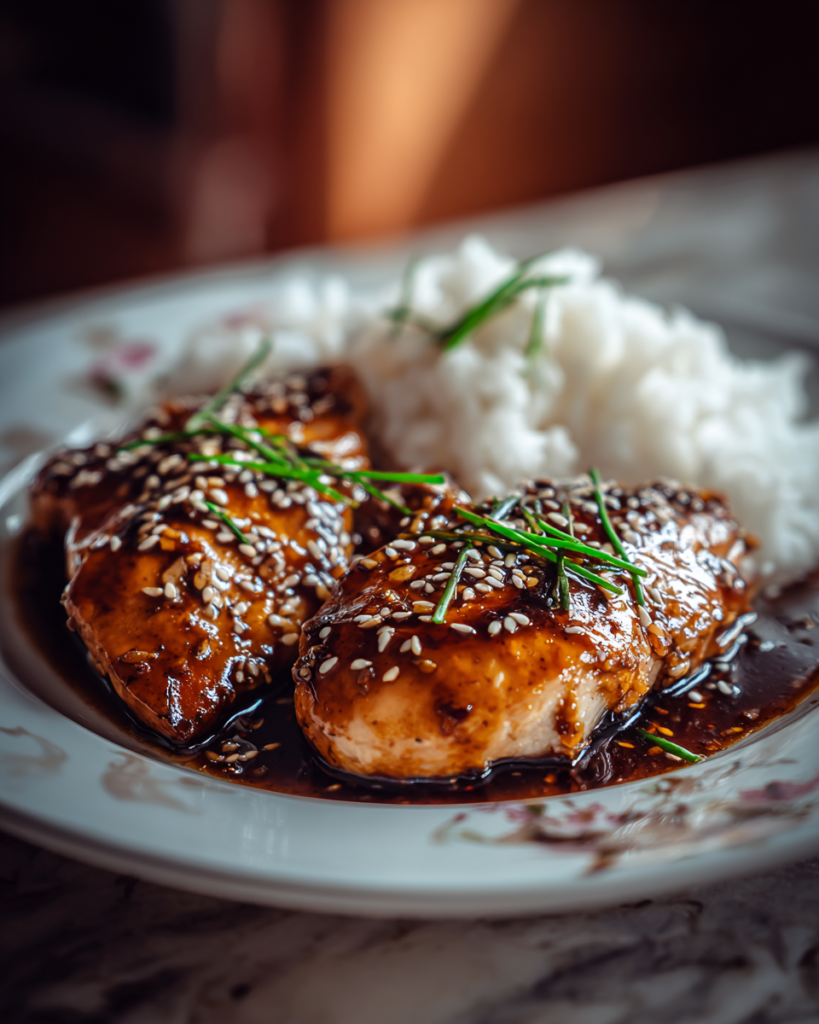
A skillet-based chicken dish coated in a glossy honey garlic glaze brings a warm balance of savory depth and gentle sweetness. Easy Honey Garlic Chicken focuses on simple cooking steps, steady heat control, and a sauce that clings beautifully to tender chicken pieces.
This style of dish works well for weeknight cooking because it relies on pantry staples and a short cooking duration. The garlic builds aroma, while honey provides a smooth glaze that thickens as it reduces in the pan.
Each bite carries a contrast between caramelized edges and a silky sauce coating. It pairs well with rice, noodles, or steamed vegetables, creating a flexible main course that fits many dining situations.
Ingredients Overview
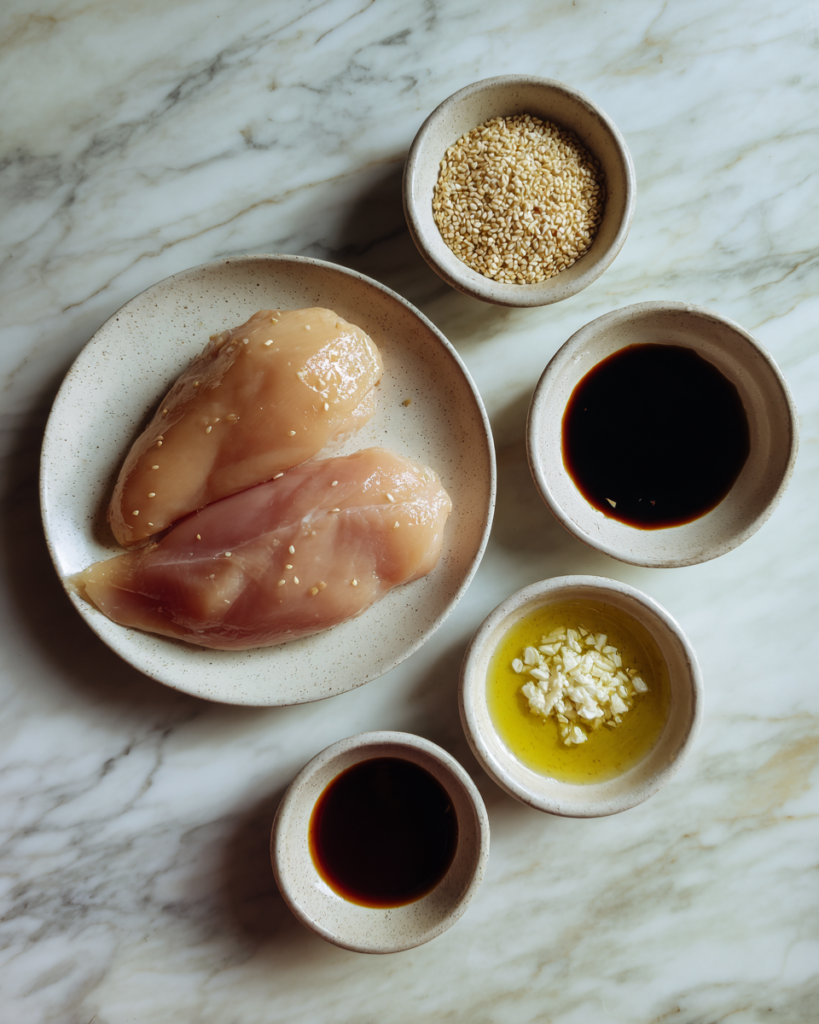
Chicken forms the base of this dish, and boneless pieces are ideal because they cook evenly and absorb flavor quickly. Thigh meat gives a juicier texture, while breast meat offers a leaner bite. Either option performs well in a hot skillet.
Honey acts as the natural sweetener and glaze builder. When heated, it thickens and binds with other ingredients, forming a smooth coating that clings to the chicken surface. Its flavor softens the sharpness of garlic.
Garlic is central to the aroma profile. Fresh cloves deliver a sharp, fragrant kick that mellows during cooking. Minced garlic disperses evenly through the sauce, ensuring consistent taste in every bite.
Soy sauce adds savory depth and salt balance. It also deepens color, giving the glaze a rich amber tone. A small amount goes a long way in rounding out sweetness.
A light starch coating on the chicken helps create a subtle crust. This improves texture and assists the sauce in adhering during reduction.
A neutral cooking oil supports high-heat searing without interfering with flavor. Optional additions like chili flakes or black pepper introduce gentle heat without overpowering the glaze.
Each ingredient plays a defined role, and together they create a cohesive skillet glaze that coats the chicken evenly.
Ingredients
1 ½ pounds boneless chicken thighs or chicken breast, cut into bite-sized pieces
3 tablespoons honey
3 tablespoons soy sauce
5 garlic cloves, finely minced
2 tablespoons cornstarch
½ teaspoon salt
½ teaspoon black pepper
3 tablespoons neutral cooking oil
¼ cup water
1 tablespoon rice vinegar
1 teaspoon sesame seeds for garnish
2 green onions, sliced for garnish
Step-by-Step Instructions
Start by preparing the chicken pieces. Pat them dry using a paper towel to remove surface moisture. This step supports browning during searing. Place the chicken in a bowl and season with salt and black pepper. Sprinkle cornstarch over the surface and toss until each piece has a light coating.
Heat a large skillet over medium-high heat. Add cooking oil and allow it to warm until it shimmers lightly. Place chicken pieces in a single layer without crowding the pan. Cook in batches if necessary.
Allow the chicken to sear without movement for several minutes until a golden crust forms on the bottom. Turn each piece and continue cooking until all sides develop light browning. Remove chicken from the skillet and set aside.
Lower the heat slightly and add minced garlic to the same pan. Stir continuously for a short period until the garlic becomes fragrant and lightly golden. Avoid overcooking at this stage since garlic can turn bitter quickly.
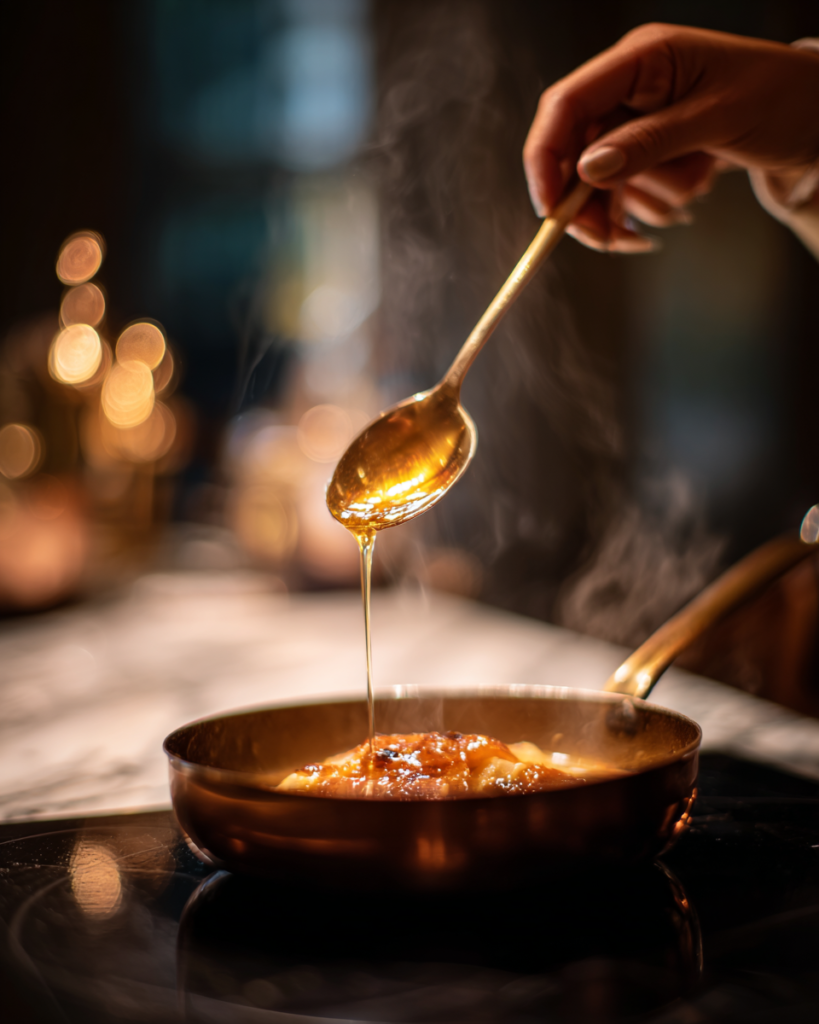
Pour in soy sauce, honey, water, and rice vinegar. Stir gently while scraping the bottom of the pan to lift any browned bits. These bits contribute depth to the sauce.
Allow the mixture to simmer for several minutes until it begins to thicken. The texture should shift from watery to slightly syrupy. This reduction stage is important for coating consistency.
Return the cooked chicken to the skillet. Stir until each piece is evenly coated in the sauce. Continue cooking at low heat for several minutes so the glaze adheres fully and the chicken finishes cooking through.
If the sauce thickens too quickly, add a small splash of water to adjust consistency. If it remains thin, allow additional simmering time until it clings properly to the chicken surface.
Once the glaze reaches a smooth coating texture, remove the skillet from heat. Transfer the chicken to a serving plate. Sprinkle sesame seeds and sliced green onions on top for a fresh finish.
Tips, Variations & Substitutions
Chicken thighs provide a juicier result, while chicken breast offers a leaner texture. Both options work well depending on preference.
For a deeper caramel note, allow the sauce to reduce slightly longer before adding the chicken back into the pan. Stir frequently to prevent sticking.
A small pinch of chili flakes introduces gentle heat without altering the core flavor balance. Black pepper can also be increased for a sharper edge.
Tamari can replace soy sauce for a gluten-free version. Apple vinegar can stand in for rice vinegar if needed, though it will shift acidity slightly.
For a thicker glaze, an extra teaspoon of cornstarch mixed with water can be added during simmering. This should be done gradually to avoid over-thickening.
This dish can also be adapted for oven finishing by transferring the coated chicken to a baking tray and warming briefly until the glaze sets.
Serving Ideas & Occasions
This chicken dish pairs well with steamed jasmine rice, which absorbs the glaze and balances the savory notes. It also works alongside noodles tossed in light sesame oil.
Vegetable sides such as broccoli, green beans, or sautéed bok choy complement the sweet-savory profile. Their mild flavor supports the richness of the sauce.
It fits well into quick evening meals due to its short cooking duration and simple preparation steps. It also works for casual gatherings where a single skillet dish is preferred.
For a fuller spread, it can be served alongside a crisp cucumber salad or roasted root vegetables. The contrast in texture creates a balanced plate.
Nutritional & Health Notes
This dish offers a balance of protein from chicken and carbohydrates from the glaze ingredients. Chicken provides essential amino acids, supporting muscle maintenance.
Honey contributes natural sweetness but should be used in moderation due to sugar content. Soy sauce adds sodium, so low-sodium versions can adjust salt levels.
Cooking oil contributes fat content needed for searing and texture development. Choosing a neutral oil keeps flavor clean.
Garlic provides aromatic compounds and is commonly used in balanced cooking patterns. When combined with protein and moderate sauce portions, this dish fits into a varied diet.
Portion control helps maintain nutritional balance, especially when paired with rice or noodles.
FAQs
Can chicken breast be used instead of thighs?
Chicken breast can replace thighs in this dish without altering the cooking process. Breast meat tends to be leaner and may cook slightly faster. To prevent dryness, careful attention during searing is important. Keeping heat moderate and avoiding overcooking will help maintain tenderness. The honey garlic sauce adds moisture, which helps balance the lean texture of breast meat.
Can the sauce be prepared ahead of cooking?
The sauce mixture can be combined in advance using honey, soy sauce, water, and vinegar. Storing it in a sealed container allows flavors to blend. Garlic should be added fresh during cooking for stronger aroma. Preparing the sauce ahead can shorten active cooking duration and streamline the process during busy schedules.
What pan works best for cooking this dish?
A wide skillet or stainless-steel pan works well because it allows even heat distribution and proper browning. Cast iron also performs well, creating a strong sear on chicken pieces. Nonstick pans can be used, but they may produce less browning. A wider surface helps prevent overcrowding, which supports proper caramelization.
How can the glaze be made thicker?
A thicker glaze can be achieved by extending simmering duration so excess liquid evaporates. Another method involves adding a small cornstarch slurry during cooking. This should be introduced gradually while stirring to avoid clumping. The sauce should shift into a glossy texture that coats the chicken evenly.
Can vegetables be added during cooking?
Vegetables such as bell peppers, broccoli, or snap peas can be added. Firmer vegetables should be introduced earlier so they soften during simmering. Softer vegetables should be added near the end to preserve texture. This addition creates a more complete skillet meal.
Is this dish suitable for meal preparation?
This dish stores well in sealed containers and can be reheated gently in a skillet or microwave. The glaze may thicken during storage, so a small splash of water can restore consistency. It maintains flavor across short refrigeration periods, making it practical for prepared meals.
What can be served alongside this chicken?
Steamed rice is a common pairing because it absorbs the sauce effectively. Noodles also work well, especially when lightly seasoned. Vegetable sides such as sautéed greens or roasted carrots balance the richness of the glaze. These combinations create a well-rounded plate.