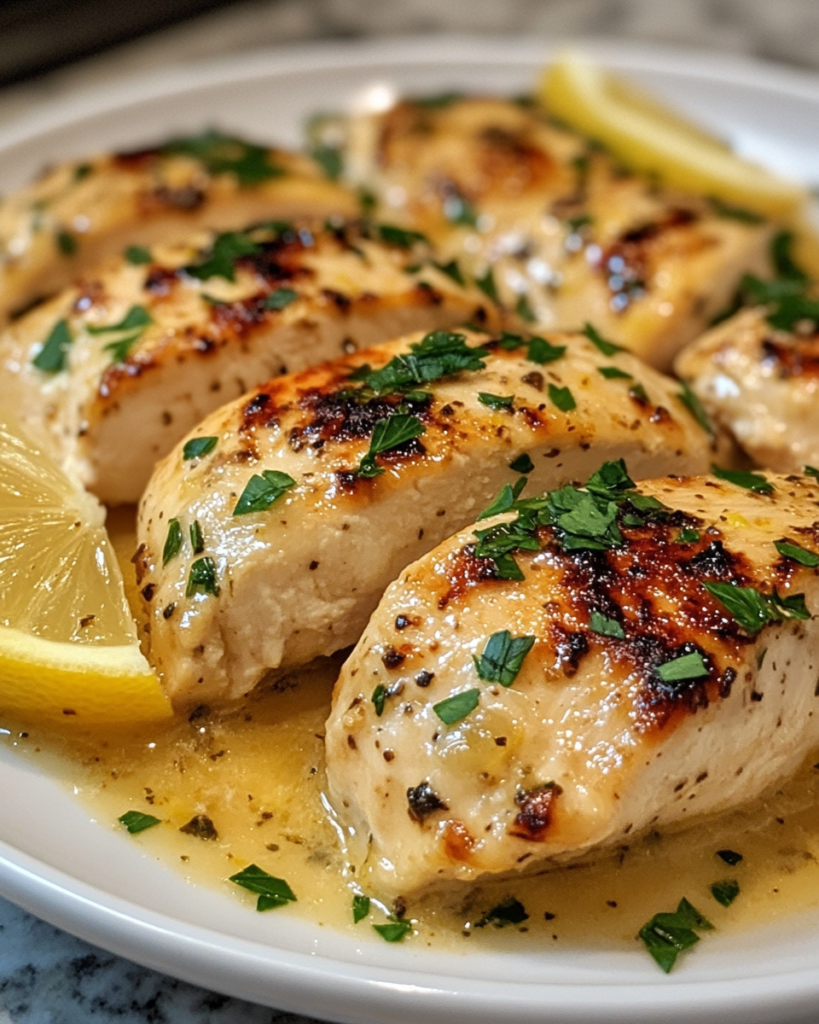
Lemon Garlic Cream Sauce Chicken brings together tender chicken, bright citrus, roasted garlic, and a silky cream sauce in one comforting skillet meal. The rich sauce coats every bite with balanced flavor, while fresh lemon keeps the dish light enough for weeknight dining or casual gatherings.
This recipe works beautifully with pasta, mashed potatoes, rice, or roasted vegetables. The sauce forms quickly in the same pan used for cooking the chicken, creating deep flavor from the browned bits left behind after searing. A touch of parmesan adds body to the cream sauce without making it overly heavy.
The balance between garlic and lemon gives this dish its signature character. Garlic softens during cooking and blends into the cream, while lemon cuts through the richness with gentle brightness. Fresh herbs at the end bring color and freshness to the finished skillet.
Another reason many home cooks enjoy Lemon Garlic Cream Sauce Chicken comes from its flexibility. Chicken breasts or thighs both work well, and the sauce adapts easily with spinach, mushrooms, or asparagus. The dish feels comforting while still tasting fresh and lively.
Ingredients Overview
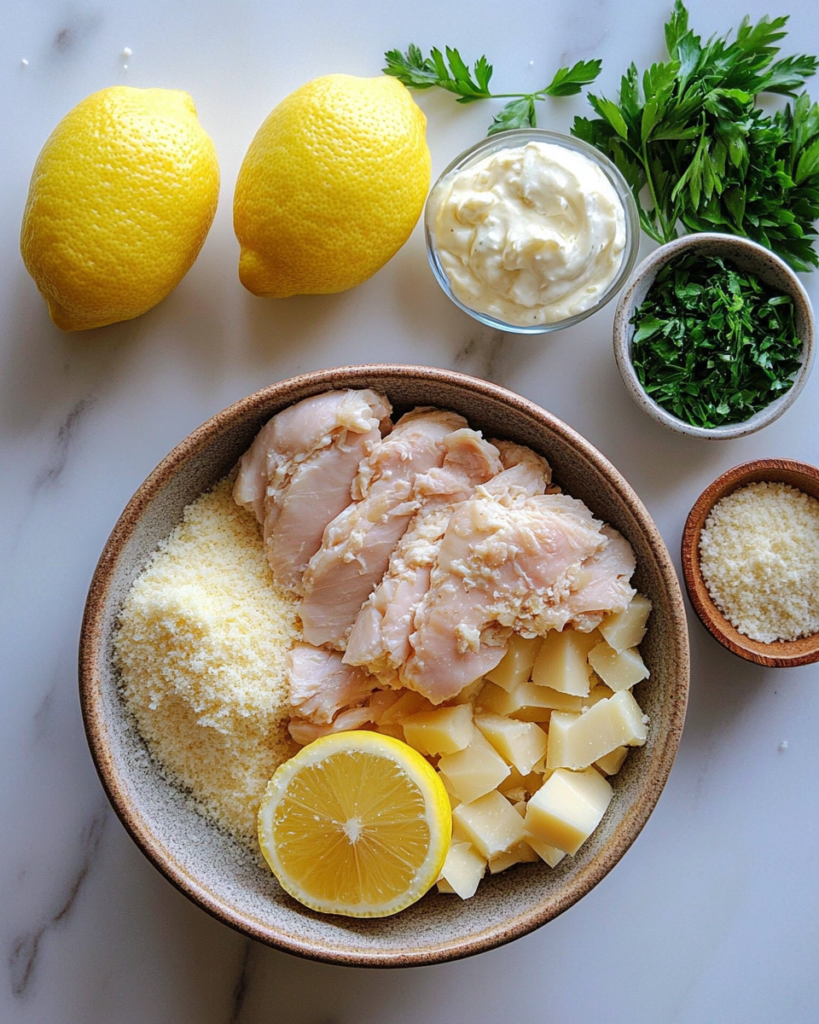
Chicken forms the heart of this recipe, and boneless skinless chicken breasts remain a popular option because they cook quickly and slice neatly for serving. Chicken thighs also work beautifully for cooks who enjoy richer flavor and slightly juicier texture. Light seasoning before searing helps build flavor from the first step.
Fresh garlic gives the sauce its savory backbone. Minced garlic softens in butter and releases a mellow aroma that blends naturally with cream. Fresh garlic tastes far richer than jarred varieties in this recipe, especially because garlic plays such an important role.
Lemon appears in both zest and juice form. Zest carries fragrant citrus oils that deepen flavor without adding too much acidity, while fresh juice brightens the cream sauce. Bottled lemon juice can work in a pinch, though fresh lemons provide cleaner flavor.
Heavy cream creates the smooth texture that makes the sauce cling beautifully to chicken and side dishes. Parmesan cheese thickens the sauce slightly while adding salty depth. Freshly grated parmesan melts far more smoothly than pre-shredded varieties.
Chicken broth loosens the cream slightly so the sauce stays silky rather than overly thick. Butter and olive oil create a balanced cooking fat combination that helps brown the chicken without burning.
Fresh parsley finishes the skillet with freshness and color. Basil or chives also pair nicely with the creamy lemon sauce. Optional spinach or mushrooms blend naturally into the dish for added texture and heartiness.
Ingredients
4 boneless skinless chicken breasts
1 teaspoon salt
1/2 teaspoon black pepper
1 teaspoon paprika
2 tablespoons olive oil
2 tablespoons butter
6 garlic cloves, minced
1 teaspoon lemon zest
3 tablespoons fresh lemon juice
1 cup chicken broth
1 cup heavy cream
1/2 cup freshly grated parmesan cheese
1 teaspoon Italian seasoning
2 tablespoons chopped fresh parsley
Lemon slices for serving
Step-by-Step Instructions
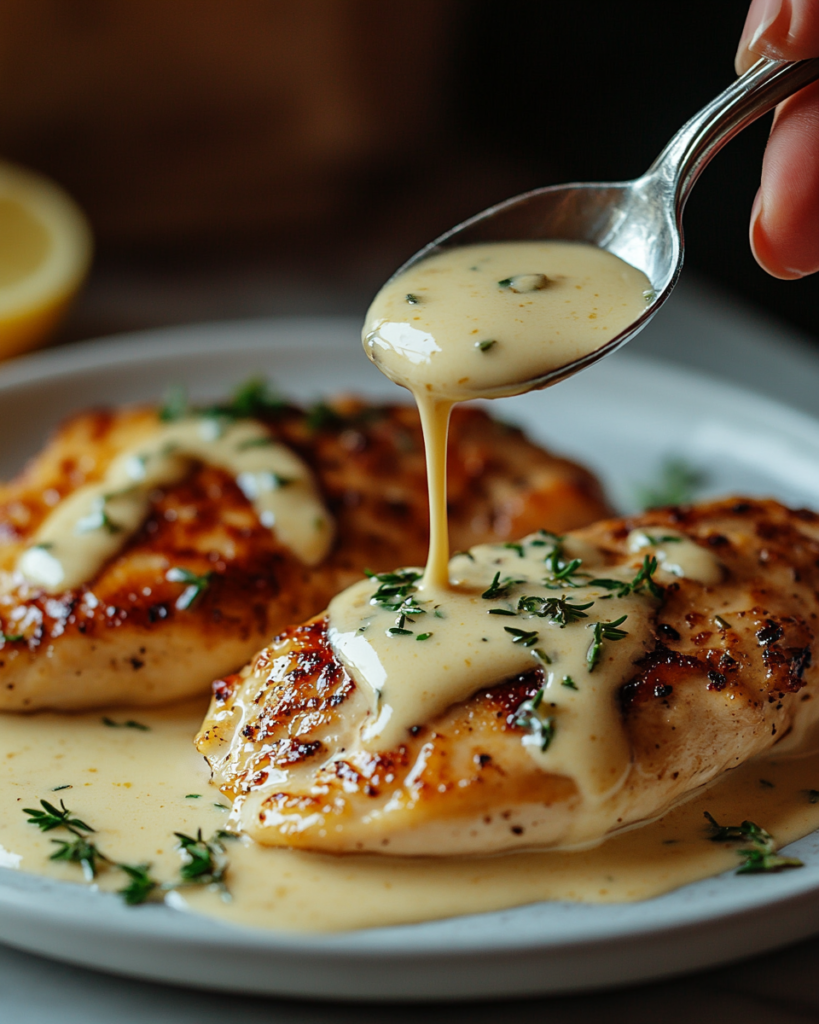
Pat the chicken breasts dry with paper towels before seasoning. Dry chicken browns far better than damp chicken, helping build flavor directly in the skillet. Sprinkle both sides with salt, pepper, and paprika.
Heat olive oil in a large skillet over medium-high heat. Once the oil shimmers lightly, place the chicken into the pan without overcrowding. Cook for about 5 to 6 minutes per side depending on thickness. The exterior should develop a deep golden crust while the center reaches 165 degrees Fahrenheit.
Transfer the cooked chicken to a plate and loosely cover with foil. Avoid cutting into the chicken immediately because the juices need several minutes to settle back into the meat.
Reduce the heat to medium. Add butter directly into the same skillet. Once melted, stir in the minced garlic and cook for about 30 seconds. Garlic cooks quickly, so stirring constantly helps prevent bitterness from overcooking.
Add the lemon zest and lemon juice, scraping the browned bits from the bottom of the skillet with a wooden spoon. Those browned pieces carry rich savory flavor that strengthens the finished sauce.
Pour in the chicken broth and simmer for 2 to 3 minutes until slightly reduced. Slowly stir in the heavy cream and Italian seasoning. Allow the sauce to bubble gently rather than boil aggressively. Rapid boiling can cause cream sauces to separate.
Stir in the parmesan cheese gradually until melted and smooth. The sauce should appear silky and lightly thickened. If the sauce becomes too thick, add a small splash of broth. If thinner texture remains, simmer gently for several additional minutes.
Return the chicken to the skillet along with any collected juices. Spoon the sauce over the chicken and simmer for another 3 to 4 minutes so the flavors blend fully together.
Scatter chopped parsley across the top before serving. Lemon slices can also rest beside the chicken for extra brightness at the table.
One frequent mistake involves cooking the chicken over extremely high heat. Excessive heat may darken the exterior before the center cooks properly. Moderate medium-high heat produces even browning and juicy texture.
Another common issue comes from adding parmesan too quickly. Slow stirring helps the cheese melt smoothly into the sauce rather than forming clumps. Freshly grated cheese also melts more evenly than packaged shreds coated with anti-caking ingredients.
Tips, Variations & Substitutions
Thin chicken breasts cook more evenly than thick uneven pieces. If needed, lightly pound the chicken before seasoning so each piece cooks at the same pace. This step also helps keep the meat tender.
For richer flavor, swap part of the chicken broth with white cooking wine. The wine cooks down into the sauce and pairs beautifully with lemon and garlic. A dry variety works best since sweet wines can overpower the savory balance.
Spinach folds naturally into the cream sauce during the final minutes of cooking. Mushrooms also pair wonderfully with the garlic cream base. Sauté mushrooms after cooking the chicken, then continue with the sauce ingredients.
For lighter texture, half-and-half can replace heavy cream, though the sauce may appear thinner. A small spoonful of cream cheese can help add body if desired.
Chicken thighs remain another excellent option for this recipe. They stay juicy during cooking and bring slightly deeper flavor than chicken breasts.
Fresh herbs dramatically improve the final skillet. Parsley adds freshness, while thyme or basil introduce slightly different character. Dried herbs work during cooking, though fresh herbs at serving time create brighter flavor.
Pasta remains one of the finest serving partners because the noodles absorb the lemon garlic sauce beautifully. Rice, roasted potatoes, or buttered egg noodles also pair naturally with the creamy texture.
Serving Ideas & Occasions
Lemon Garlic Cream Sauce Chicken fits comfortably into both casual family dinners and relaxed entertaining. The creamy sauce feels comforting during cooler evenings, while the lemon keeps the dish suitable for spring and summer meals as well.
Serve the chicken over fettuccine, linguine, or mashed potatoes for a hearty dinner. Roasted asparagus, green beans, or broccoli provide welcome contrast beside the creamy sauce. Crusty bread also works beautifully for soaking up extra sauce from the plate.
For lighter meals, pair the chicken with a crisp salad dressed lightly with olive oil and lemon. The freshness balances the richness of the cream sauce naturally.
Sparkling water with lemon slices complements the bright citrus flavor nicely. White grape juice or iced herbal tea also pair pleasantly beside the savory garlic notes.
This dish works particularly well for small dinner gatherings because the skillet presentation appears inviting without requiring complicated preparation. Since the sauce forms quickly, the meal remains practical for busy evenings too.
Nutritional & Health Notes
Chicken supplies high-quality protein that helps make this meal satisfying and filling. Lean chicken breasts contain less fat, while thighs provide richer flavor with slightly higher fat content.
The cream sauce adds richness and comforting texture, though portion balance remains helpful when pairing with heavier side dishes. Serving the chicken alongside vegetables creates a more balanced plate while adding fiber and freshness.
Garlic contributes bold savory flavor without requiring large amounts of additional salt. Lemon juice and zest also brighten the dish naturally, helping balance the richness of cream and parmesan.
Parmesan cheese adds calcium and savory depth while also thickening the sauce slightly. Since parmesan carries natural saltiness, taste the sauce before adding additional salt near the end of cooking.
Olive oil and butter together create balanced flavor and cooking performance. Olive oil helps prevent butter from browning too rapidly during the initial searing process.
For lighter portions, serve smaller amounts of sauce with extra vegetables or salad on the side. The bold lemon garlic flavor still carries beautifully even with moderate sauce portions.
FAQs
Can I prepare Lemon Garlic Cream Sauce Chicken ahead of time?
Yes, this dish reheats surprisingly well when stored properly. Allow the chicken and sauce to cool fully before transferring them into an airtight container. Refrigerate for up to three days. During reheating, place the chicken and sauce into a skillet over low heat rather than using high heat. Gentle warming helps the cream sauce stay smooth and prevents separation. If the sauce thickens too much after refrigeration, stir in a small splash of chicken broth or cream while warming. Fresh parsley and an extra squeeze of lemon added after reheating help refresh the flavor nicely before serving.
What pasta pairs best with this sauce?
Long noodles such as fettuccine, linguine, and spaghetti work beautifully because the silky cream sauce coats them evenly. Short pasta shapes like penne or rigatoni also hold the sauce nicely inside their ridges and centers. Fresh pasta creates especially tender texture beside the creamy lemon sauce. Slightly undercook the pasta before combining with the sauce so it finishes cooking gently in the skillet. Reserve a little pasta water before draining because a splash can help loosen the sauce and create smoother coating across the noodles.
Can I freeze Lemon Garlic Cream Sauce Chicken?
Cream-based sauces sometimes change texture slightly after freezing, though this recipe still freezes reasonably well with careful reheating. Store cooled portions in freezer-safe containers for up to two months. Thaw overnight in the refrigerator before reheating slowly on the stovetop. Stir frequently during warming so the sauce comes back together gradually. A small amount of extra cream or broth may help restore silky texture if separation appears. Fresh lemon juice added near serving time also brightens the flavor after freezing and reheating.
How do I keep the chicken tender?
Tender chicken begins with even thickness. Lightly pounding the chicken helps each piece cook evenly without drying out. Avoid cooking over extremely high heat because the exterior may darken before the interior finishes properly. Using a meat thermometer removes guesswork and helps prevent overcooking. Chicken breasts should reach 165 degrees Fahrenheit at the thickest section. Resting the cooked chicken for several minutes before slicing also helps retain juices. Returning the chicken briefly to the sauce at the end keeps the meat moist while blending the flavors together.
Can I add vegetables directly into the skillet?
Absolutely. Spinach, mushrooms, asparagus, peas, and broccoli all blend naturally into this dish. Mushrooms should cook early in the process so they release moisture and brown slightly before the cream enters the skillet. Spinach works best near the end because it wilts quickly in the warm sauce. Steamed broccoli or asparagus can also fold into the skillet shortly before serving. Vegetables add texture, color, and freshness without changing the comforting character of the creamy lemon garlic sauce.
Why did my cream sauce separate?
Cream sauces usually separate from excessive heat or rapid boiling. Once the cream enters the skillet, maintain gentle simmering rather than aggressive bubbling. Parmesan should also enter gradually while stirring continuously. Freshly grated parmesan melts far more smoothly than packaged shredded cheese. Another helpful step involves allowing the broth to reduce slightly before adding cream. This creates steadier texture in the finished sauce. If separation begins, lowering the heat immediately and whisking gently can sometimes bring the sauce back together.
Can I prepare this recipe without parmesan cheese?
Yes, though parmesan adds savory depth and mild thickening. Romano or asiago cheese can replace parmesan with slightly sharper flavor. For cooks avoiding cheese entirely, allow the cream sauce to simmer slightly longer so it thickens naturally. A small spoonful of cream cheese can also create body without parmesan. Additional garlic, herbs, and lemon zest help maintain rich flavor even when reducing or removing cheese from the recipe. The final skillet still tastes creamy, bright, and comforting with these adjustments.