Blackened Chicken Thigh Skillet: 30-Minute Amazing Comfort

Posted on

Uncategorized

Difficulty

Prep time

Cooking time

Total time

Servings

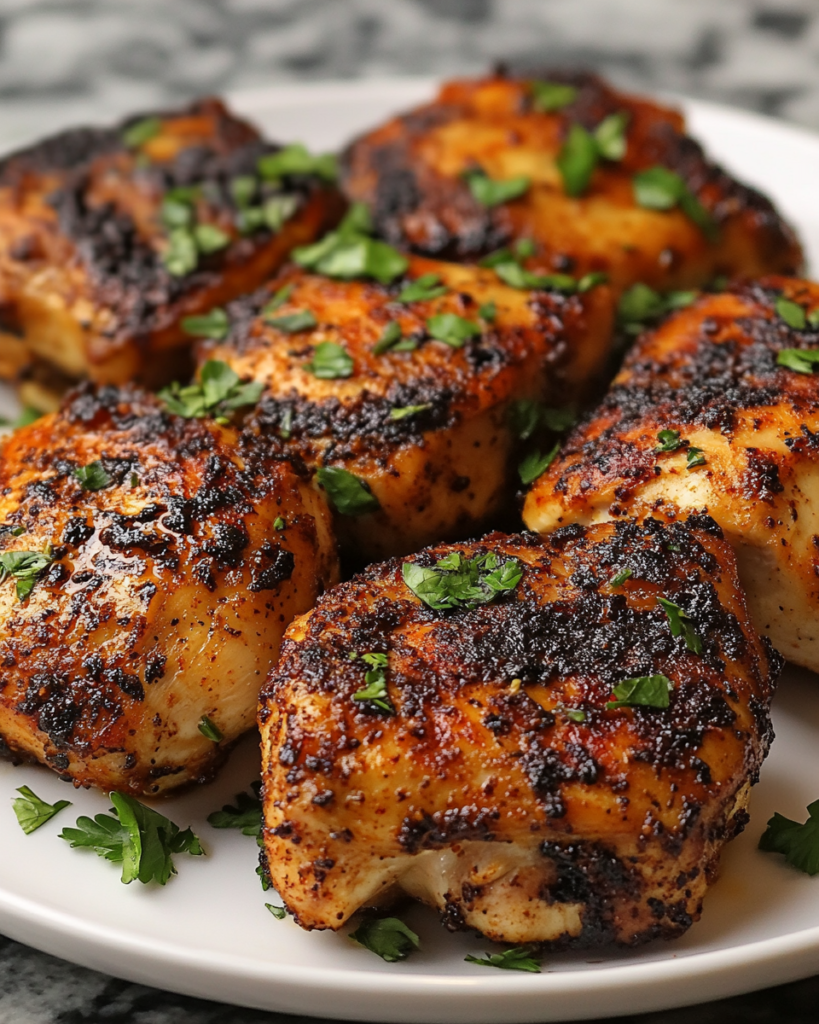
Blackened Chicken Thigh Skillet brings bold seasoning, juicy chicken, and a rich pan sauce together in one pan. This hearty dinner works well for busy evenings because the entire meal cooks quickly while still tasting deeply seasoned and satisfying. Boneless chicken thighs stay tender during cooking, while a dark spice blend creates the classic blackened crust that gives the dish its signature flavor.

A hot skillet plays a major part in this recipe. The chicken develops a smoky coating with paprika, garlic, onion powder, thyme, and cayenne. Fresh vegetables soften in the flavorful drippings left behind in the pan, creating a savory base that pairs perfectly with rice, potatoes, or crusty bread.

This recipe suits both casual family dinners and relaxed weekend meals. Since chicken thighs contain slightly more fat than chicken breast, they stay moist even under high heat. One skillet also means easier cleanup, which adds even more appeal to this comforting dish.

Ingredients Overview
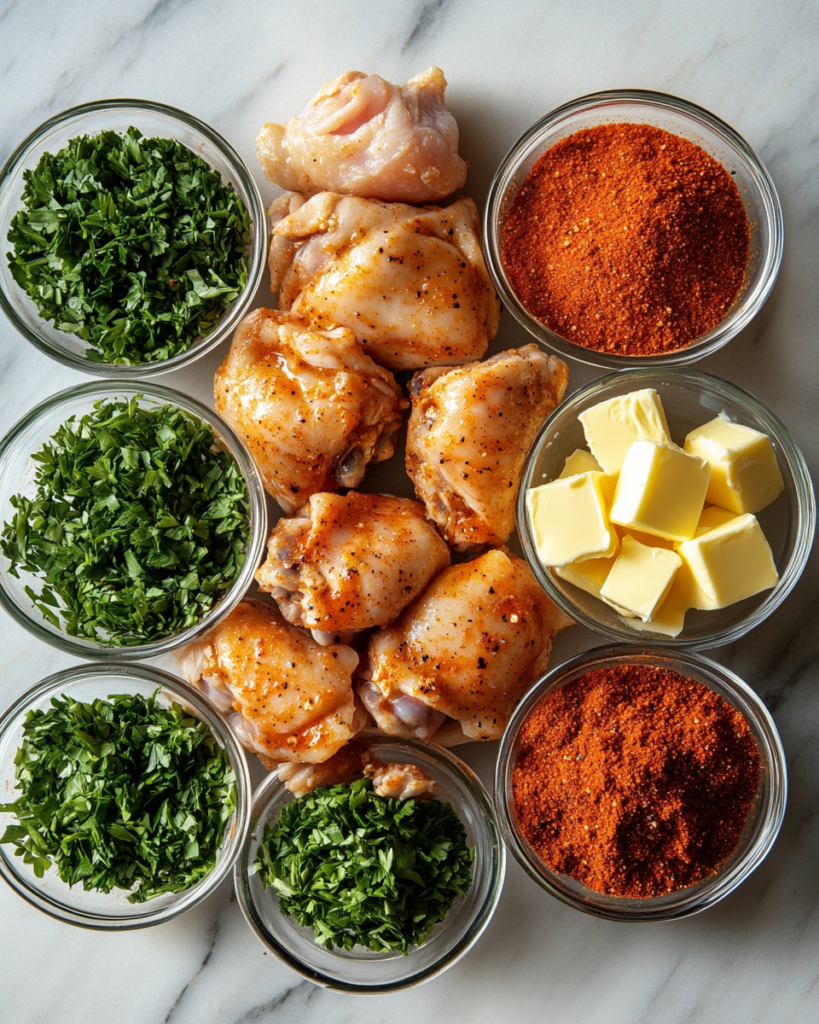
The heart of Blackened Chicken Thigh Skillet starts with boneless skinless chicken thighs. They cook quickly and stay juicy during high-heat cooking. Chicken thighs also absorb spices very well, giving the finished dish deep flavor throughout every bite.

Paprika forms the base of the blackened seasoning. Smoked paprika adds extra depth, while regular paprika creates a milder finish. Garlic powder and onion powder bring savory flavor that blends naturally with the chicken. Dried thyme adds earthy notes, while cayenne introduces gentle heat. Salt and black pepper round out the seasoning blend.

Butter and olive oil work together in the skillet. Olive oil handles the higher cooking temperature, while butter adds richness to the sauce. Bell peppers and onions soften in the pan drippings and bring sweetness that balances the spices.

Chicken broth loosens the browned bits from the skillet and creates a flavorful pan sauce. A small splash of heavy cream can be added for a richer texture, though the dish still tastes excellent without it. Fresh parsley brightens the final plate with fresh herbal flavor.

This recipe also adapts easily. Chicken breast may replace thighs, though cooking time should decrease slightly. Mushrooms, zucchini, or spinach fit naturally into the skillet. For lower heat, reduce the cayenne pepper. For a dairy-free version, skip the butter and cream entirely.

Ingredients

6 boneless skinless chicken thighs
2 tablespoons olive oil
1 tablespoon butter
1 teaspoon smoked paprika
1 teaspoon paprika
1 teaspoon garlic powder
1 teaspoon onion powder
1/2 teaspoon dried thyme
1/2 teaspoon salt
1/2 teaspoon black pepper
1/4 teaspoon cayenne pepper
1 medium yellow onion, sliced
1 red bell pepper, sliced
1 green bell pepper, sliced
3 cloves garlic, minced
1/2 cup chicken broth
1/4 cup heavy cream
1 tablespoon chopped parsley

Step-by-Step Instructions
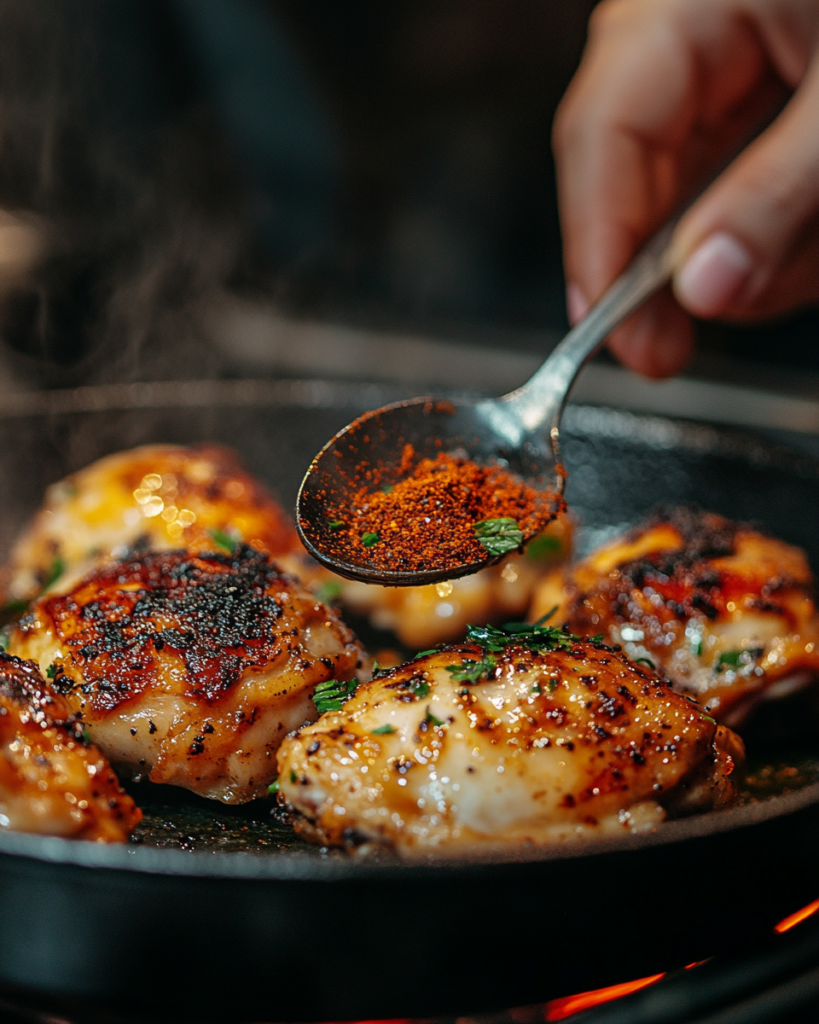
Pat the chicken thighs dry with paper towels before seasoning. Removing surface moisture helps the spices stick while also helping the chicken brown properly in the skillet. In a small bowl, stir together smoked paprika, paprika, garlic powder, onion powder, thyme, salt, black pepper, and cayenne pepper.

Rub the seasoning mixture evenly across both sides of the chicken thighs. Press the spices gently into the meat so the coating stays in place during cooking.

Heat a large cast-iron skillet or heavy pan over medium-high heat. Add olive oil and allow it to heat until shimmering. Place the chicken thighs into the skillet without overcrowding the pan. Crowding traps steam and prevents the dark crust from forming.

Cook the chicken for about 5 to 6 minutes per side. The exterior should become dark and richly colored without burning completely. Chicken thighs should reach an internal temperature of 165 degrees Fahrenheit in the thickest section.

Transfer the cooked chicken to a plate and loosely cover with foil. Lower the heat slightly before adding butter to the skillet. Add sliced onions and bell peppers, stirring frequently while they soften. This usually takes about 5 minutes.

Stir in the minced garlic and cook for another 30 seconds. Garlic cooks quickly, so avoid leaving it unattended during this step.

Pour chicken broth into the skillet and scrape the browned bits from the bottom using a wooden spoon. These browned pieces hold much of the flavor from the chicken and spices. Simmer the broth for 2 to 3 minutes until slightly reduced.

Stir in the heavy cream and allow the sauce to warm gently. Return the chicken thighs to the skillet along with any juices collected on the plate. Spoon some sauce over the chicken and simmer for another 2 minutes.

Scatter chopped parsley across the skillet before serving. The finished chicken should look deeply browned with tender vegetables and a lightly creamy sauce surrounding the meat.

One frequent mistake involves cooking over extremely high heat for too long. Blackened seasoning should become dark and smoky, not bitter or burnt. Medium-high heat usually works perfectly for balanced color and flavor.

Tips, Variations & Substitutions

Cast-iron skillets produce the richest crust because they retain heat very well. If cast iron is unavailable, a stainless-steel skillet still works nicely. Nonstick pans may not develop the same dark coating associated with classic blackened chicken.

For extra vegetables, sliced mushrooms, zucchini, or spinach blend naturally into the skillet. Spinach should enter near the end since it wilts quickly. Mushrooms benefit from a few extra minutes of cooking so their moisture cooks away properly.

Rice remains a classic side for this dish because it absorbs the flavorful sauce beautifully. Mashed potatoes, roasted potatoes, or buttered noodles also pair nicely with the smoky chicken.

For lighter sauce, replace heavy cream with half-and-half or simply skip dairy altogether. The broth and pan drippings still create plenty of savory flavor.

Those who enjoy stronger heat may add additional cayenne pepper or sliced jalapeños. For milder flavor, reduce cayenne and rely mainly on paprika and garlic powder.

Boneless chicken breast may replace thighs, though breast meat cooks faster and dries more easily. Monitor internal temperature carefully and avoid overcooking.

Fresh herbs such as cilantro or basil also work well for garnish. Lemon wedges served alongside the skillet brighten the smoky seasoning and add fresh contrast.

Serving Ideas & Occasions

Blackened Chicken Thigh Skillet fits naturally into many meal settings. It works beautifully for weeknight dinners because the entire dish cooks in one pan with simple ingredients. The rich seasoning also suits casual gatherings where hearty comfort food feels appropriate.

Serve the chicken over white rice, brown rice, or creamy mashed potatoes for a filling dinner. Crusty bread also pairs nicely since it soaks up the savory skillet sauce. Roasted green beans, corn, or a crisp salad balance the richness of the chicken.

For drinks, iced tea, sparkling water with lemon, or light white wine complement the smoky flavors well. During colder months, this skillet recipe brings warmth and comfort to the table. In warmer weather, pairing it with fresh vegetables keeps the meal balanced and lighter.

The leftovers reheat very well, making this recipe useful for meal preparation during busy weeks.

Nutritional & Health Notes

Chicken thighs provide protein, iron, zinc, and several B vitamins. Since thighs contain more fat than chicken breast, they deliver richer flavor and a tender texture during cooking. Pairing the chicken with vegetables creates a balanced plate with both protein and fiber.

Bell peppers contribute vitamin C and natural sweetness while onions add depth and aroma without many extra calories. Using olive oil adds heart-friendly fats that work nicely alongside the spices.

The cream sauce adds richness, though the amount remains moderate in this recipe. Those seeking a lighter meal may reduce the cream or skip it entirely. Lower-sodium chicken broth also helps reduce salt levels without sacrificing flavor.

Because the dish cooks quickly in one skillet, vegetables maintain some texture rather than turning overly soft. Serving the chicken alongside rice, potatoes, or salad allows easy adjustment depending on appetite and dietary needs.

FAQs

Can I use bone-in chicken thighs?

Bone-in chicken thighs work very well in this skillet recipe, though they require additional cooking time. Since the bone slows the cooking process slightly, plan for roughly 8 to 10 minutes per side depending on thickness. A meat thermometer remains the most reliable method for checking doneness. The thickest section should reach 165 degrees Fahrenheit. Bone-in thighs often carry slightly richer flavor because the bone helps retain moisture during cooking. If using skin-on thighs, begin skin-side down so the fat renders properly and creates a crisp surface before flipping the chicken.

Why is my chicken burning instead of blackening?

Blackened seasoning naturally becomes dark during cooking, though burnt chicken usually results from heat that is too high. A skillet that smokes heavily from the start often creates bitterness before the chicken cooks fully inside. Medium-high heat usually provides the right balance. Another factor involves sugar-containing spice blends, which darken too quickly. Patting the chicken dry before seasoning also helps create better browning. If the skillet appears overly dry during cooking, adding a small amount of oil may help prevent scorching while still creating the classic crust associated with blackened chicken.

Can I prepare the seasoning ahead of time?

The spice mixture stores very well in advance. Combine paprika, garlic powder, onion powder, thyme, salt, black pepper, and cayenne in an airtight jar and store it in a cool pantry for several weeks. Preparing seasoning ahead saves time during busy evenings and also allows the spices to blend more evenly. Homemade seasoning gives better control over salt and spice levels compared with many store-bought blends. Larger batches also work nicely for shrimp, fish, pork chops, or roasted vegetables. Shake the jar before each use since lighter spices sometimes settle during storage.

What vegetables pair nicely with this skillet?

Bell peppers and onions remain classic choices because their sweetness balances the smoky spices beautifully. Mushrooms, zucchini, spinach, asparagus, and cherry tomatoes also fit naturally into this recipe. Vegetables with high moisture, such as mushrooms, should cook long enough for excess liquid to evaporate so the skillet does not become watery. Leafy greens should enter near the end since they wilt quickly. Seasonal vegetables allow the skillet to change throughout the year while still keeping the core flavors intact and comforting.

Can this dish be stored and reheated later?

Blackened Chicken Thigh Skillet reheats very well, making it suitable for leftovers and meal preparation. Store cooled chicken and vegetables in an airtight container in the refrigerator for up to four days. Reheat gently in a skillet over medium-low heat with a small splash of broth if the sauce thickens too much. Microwaving also works, though stovetop reheating helps preserve texture slightly better. The spices often taste even richer the next day as the flavors continue blending together during storage.

Is this recipe very spicy?

This recipe carries moderate heat rather than intense spiciness. Cayenne pepper provides warmth, though the creamy sauce and vegetables soften the sharper edges of the spice blend. For milder flavor, reduce the cayenne or leave it out completely. Smoked paprika still provides plenty of bold flavor without strong heat. Those who enjoy extra spice may add additional cayenne, hot sauce, or sliced jalapeños. Serving the chicken with rice or bread also balances the seasoning and tones down the heat naturally.

What type of skillet works best?

Cast-iron skillets remain the preferred choice because they hold heat evenly and create a rich crust on the chicken. The heavy surface also handles high heat beautifully without cooling down too quickly when the chicken enters the pan. Stainless-steel skillets also perform nicely, though they may require slightly more attention during cooking. Nonstick pans work for convenience, though the crust may not become quite as dark or flavorful. Whatever skillet you choose, allowing it to heat properly before adding chicken remains one of the most important steps for strong flavor and texture.

[rank_math_breadcrumb]

Blackened Chicken Thigh Skillet: 30-Minute Amazing Comfort

Photo of author
Author: Ava
Published:

Blackened Chicken Thigh Skillet brings bold seasoning, juicy chicken, and a rich pan sauce together in one pan. This hearty dinner works well for busy evenings because the entire meal cooks quickly while still tasting deeply seasoned and satisfying. Boneless chicken thighs stay tender during cooking, while a dark spice blend creates the classic blackened crust that gives the dish its signature flavor.

A hot skillet plays a major part in this recipe. The chicken develops a smoky coating with paprika, garlic, onion powder, thyme, and cayenne. Fresh vegetables soften in the flavorful drippings left behind in the pan, creating a savory base that pairs perfectly with rice, potatoes, or crusty bread.

This recipe suits both casual family dinners and relaxed weekend meals. Since chicken thighs contain slightly more fat than chicken breast, they stay moist even under high heat. One skillet also means easier cleanup, which adds even more appeal to this comforting dish.

Ingredients Overview

The heart of Blackened Chicken Thigh Skillet starts with boneless skinless chicken thighs. They cook quickly and stay juicy during high-heat cooking. Chicken thighs also absorb spices very well, giving the finished dish deep flavor throughout every bite.

Paprika forms the base of the blackened seasoning. Smoked paprika adds extra depth, while regular paprika creates a milder finish. Garlic powder and onion powder bring savory flavor that blends naturally with the chicken. Dried thyme adds earthy notes, while cayenne introduces gentle heat. Salt and black pepper round out the seasoning blend.

Butter and olive oil work together in the skillet. Olive oil handles the higher cooking temperature, while butter adds richness to the sauce. Bell peppers and onions soften in the pan drippings and bring sweetness that balances the spices.

Chicken broth loosens the browned bits from the skillet and creates a flavorful pan sauce. A small splash of heavy cream can be added for a richer texture, though the dish still tastes excellent without it. Fresh parsley brightens the final plate with fresh herbal flavor.

This recipe also adapts easily. Chicken breast may replace thighs, though cooking time should decrease slightly. Mushrooms, zucchini, or spinach fit naturally into the skillet. For lower heat, reduce the cayenne pepper. For a dairy-free version, skip the butter and cream entirely.

Ingredients

6 boneless skinless chicken thighs
2 tablespoons olive oil
1 tablespoon butter
1 teaspoon smoked paprika
1 teaspoon paprika
1 teaspoon garlic powder
1 teaspoon onion powder
1/2 teaspoon dried thyme
1/2 teaspoon salt
1/2 teaspoon black pepper
1/4 teaspoon cayenne pepper
1 medium yellow onion, sliced
1 red bell pepper, sliced
1 green bell pepper, sliced
3 cloves garlic, minced
1/2 cup chicken broth
1/4 cup heavy cream
1 tablespoon chopped parsley

Step-by-Step Instructions

Pat the chicken thighs dry with paper towels before seasoning. Removing surface moisture helps the spices stick while also helping the chicken brown properly in the skillet. In a small bowl, stir together smoked paprika, paprika, garlic powder, onion powder, thyme, salt, black pepper, and cayenne pepper.

Rub the seasoning mixture evenly across both sides of the chicken thighs. Press the spices gently into the meat so the coating stays in place during cooking.

Heat a large cast-iron skillet or heavy pan over medium-high heat. Add olive oil and allow it to heat until shimmering. Place the chicken thighs into the skillet without overcrowding the pan. Crowding traps steam and prevents the dark crust from forming.

Cook the chicken for about 5 to 6 minutes per side. The exterior should become dark and richly colored without burning completely. Chicken thighs should reach an internal temperature of 165 degrees Fahrenheit in the thickest section.

Transfer the cooked chicken to a plate and loosely cover with foil. Lower the heat slightly before adding butter to the skillet. Add sliced onions and bell peppers, stirring frequently while they soften. This usually takes about 5 minutes.

Stir in the minced garlic and cook for another 30 seconds. Garlic cooks quickly, so avoid leaving it unattended during this step.

Pour chicken broth into the skillet and scrape the browned bits from the bottom using a wooden spoon. These browned pieces hold much of the flavor from the chicken and spices. Simmer the broth for 2 to 3 minutes until slightly reduced.

Stir in the heavy cream and allow the sauce to warm gently. Return the chicken thighs to the skillet along with any juices collected on the plate. Spoon some sauce over the chicken and simmer for another 2 minutes.

Scatter chopped parsley across the skillet before serving. The finished chicken should look deeply browned with tender vegetables and a lightly creamy sauce surrounding the meat.

One frequent mistake involves cooking over extremely high heat for too long. Blackened seasoning should become dark and smoky, not bitter or burnt. Medium-high heat usually works perfectly for balanced color and flavor.

Tips, Variations & Substitutions

Cast-iron skillets produce the richest crust because they retain heat very well. If cast iron is unavailable, a stainless-steel skillet still works nicely. Nonstick pans may not develop the same dark coating associated with classic blackened chicken.

For extra vegetables, sliced mushrooms, zucchini, or spinach blend naturally into the skillet. Spinach should enter near the end since it wilts quickly. Mushrooms benefit from a few extra minutes of cooking so their moisture cooks away properly.

Rice remains a classic side for this dish because it absorbs the flavorful sauce beautifully. Mashed potatoes, roasted potatoes, or buttered noodles also pair nicely with the smoky chicken.

For lighter sauce, replace heavy cream with half-and-half or simply skip dairy altogether. The broth and pan drippings still create plenty of savory flavor.

Those who enjoy stronger heat may add additional cayenne pepper or sliced jalapeños. For milder flavor, reduce cayenne and rely mainly on paprika and garlic powder.

Boneless chicken breast may replace thighs, though breast meat cooks faster and dries more easily. Monitor internal temperature carefully and avoid overcooking.

Fresh herbs such as cilantro or basil also work well for garnish. Lemon wedges served alongside the skillet brighten the smoky seasoning and add fresh contrast.

Serving Ideas & Occasions

Blackened Chicken Thigh Skillet fits naturally into many meal settings. It works beautifully for weeknight dinners because the entire dish cooks in one pan with simple ingredients. The rich seasoning also suits casual gatherings where hearty comfort food feels appropriate.

Serve the chicken over white rice, brown rice, or creamy mashed potatoes for a filling dinner. Crusty bread also pairs nicely since it soaks up the savory skillet sauce. Roasted green beans, corn, or a crisp salad balance the richness of the chicken.

For drinks, iced tea, sparkling water with lemon, or light white wine complement the smoky flavors well. During colder months, this skillet recipe brings warmth and comfort to the table. In warmer weather, pairing it with fresh vegetables keeps the meal balanced and lighter.

The leftovers reheat very well, making this recipe useful for meal preparation during busy weeks.

Nutritional & Health Notes

Chicken thighs provide protein, iron, zinc, and several B vitamins. Since thighs contain more fat than chicken breast, they deliver richer flavor and a tender texture during cooking. Pairing the chicken with vegetables creates a balanced plate with both protein and fiber.

Bell peppers contribute vitamin C and natural sweetness while onions add depth and aroma without many extra calories. Using olive oil adds heart-friendly fats that work nicely alongside the spices.

The cream sauce adds richness, though the amount remains moderate in this recipe. Those seeking a lighter meal may reduce the cream or skip it entirely. Lower-sodium chicken broth also helps reduce salt levels without sacrificing flavor.

Because the dish cooks quickly in one skillet, vegetables maintain some texture rather than turning overly soft. Serving the chicken alongside rice, potatoes, or salad allows easy adjustment depending on appetite and dietary needs.

FAQs

Can I use bone-in chicken thighs?

Bone-in chicken thighs work very well in this skillet recipe, though they require additional cooking time. Since the bone slows the cooking process slightly, plan for roughly 8 to 10 minutes per side depending on thickness. A meat thermometer remains the most reliable method for checking doneness. The thickest section should reach 165 degrees Fahrenheit. Bone-in thighs often carry slightly richer flavor because the bone helps retain moisture during cooking. If using skin-on thighs, begin skin-side down so the fat renders properly and creates a crisp surface before flipping the chicken.

Why is my chicken burning instead of blackening?

Blackened seasoning naturally becomes dark during cooking, though burnt chicken usually results from heat that is too high. A skillet that smokes heavily from the start often creates bitterness before the chicken cooks fully inside. Medium-high heat usually provides the right balance. Another factor involves sugar-containing spice blends, which darken too quickly. Patting the chicken dry before seasoning also helps create better browning. If the skillet appears overly dry during cooking, adding a small amount of oil may help prevent scorching while still creating the classic crust associated with blackened chicken.

Can I prepare the seasoning ahead of time?

The spice mixture stores very well in advance. Combine paprika, garlic powder, onion powder, thyme, salt, black pepper, and cayenne in an airtight jar and store it in a cool pantry for several weeks. Preparing seasoning ahead saves time during busy evenings and also allows the spices to blend more evenly. Homemade seasoning gives better control over salt and spice levels compared with many store-bought blends. Larger batches also work nicely for shrimp, fish, pork chops, or roasted vegetables. Shake the jar before each use since lighter spices sometimes settle during storage.

What vegetables pair nicely with this skillet?

Bell peppers and onions remain classic choices because their sweetness balances the smoky spices beautifully. Mushrooms, zucchini, spinach, asparagus, and cherry tomatoes also fit naturally into this recipe. Vegetables with high moisture, such as mushrooms, should cook long enough for excess liquid to evaporate so the skillet does not become watery. Leafy greens should enter near the end since they wilt quickly. Seasonal vegetables allow the skillet to change throughout the year while still keeping the core flavors intact and comforting.

Can this dish be stored and reheated later?

Blackened Chicken Thigh Skillet reheats very well, making it suitable for leftovers and meal preparation. Store cooled chicken and vegetables in an airtight container in the refrigerator for up to four days. Reheat gently in a skillet over medium-low heat with a small splash of broth if the sauce thickens too much. Microwaving also works, though stovetop reheating helps preserve texture slightly better. The spices often taste even richer the next day as the flavors continue blending together during storage.

Is this recipe very spicy?

This recipe carries moderate heat rather than intense spiciness. Cayenne pepper provides warmth, though the creamy sauce and vegetables soften the sharper edges of the spice blend. For milder flavor, reduce the cayenne or leave it out completely. Smoked paprika still provides plenty of bold flavor without strong heat. Those who enjoy extra spice may add additional cayenne, hot sauce, or sliced jalapeños. Serving the chicken with rice or bread also balances the seasoning and tones down the heat naturally.

What type of skillet works best?

Cast-iron skillets remain the preferred choice because they hold heat evenly and create a rich crust on the chicken. The heavy surface also handles high heat beautifully without cooling down too quickly when the chicken enters the pan. Stainless-steel skillets also perform nicely, though they may require slightly more attention during cooking. Nonstick pans work for convenience, though the crust may not become quite as dark or flavorful. Whatever skillet you choose, allowing it to heat properly before adding chicken remains one of the most important steps for strong flavor and texture.
Name

Lorem ipsum dolor sit amet, consectetur adipiscing elit. Suspendisse varius enim in eros elementum tristique. Duis cursus, mi quis viverra ornare, eros dolor interdum nulla, ut commodo diam libero vitae erat.

You Might Also Like...

Spicy Chipotle Chicken Burrito Bowls: 5 Authentic Hope

Spicy Chipotle Chicken Burrito Bowls: 5 Authentic Hope

Creamy Chicken Tortellini Soup: 7 Amazing Cozy Bowls

Creamy Chicken Tortellini Soup: 7 Amazing Cozy Bowls

Chicken Parmesan Grilled Cheese: 5 Authentic Comforting Bites

Chicken Parmesan Grilled Cheese: 5 Authentic Comforting Bites

BBQ Chicken Flatbread Pizza: 7 Amazing Comforting Bites

BBQ Chicken Flatbread Pizza: 7 Amazing Comforting Bites

Tags:

You might also like these recipes

Leave a Comment