Honey Mustard Chicken Thighs: 5 Amazing Cozy Plates

Posted on

Uncategorized

Difficulty

Prep time

Cooking time

Total time

Servings

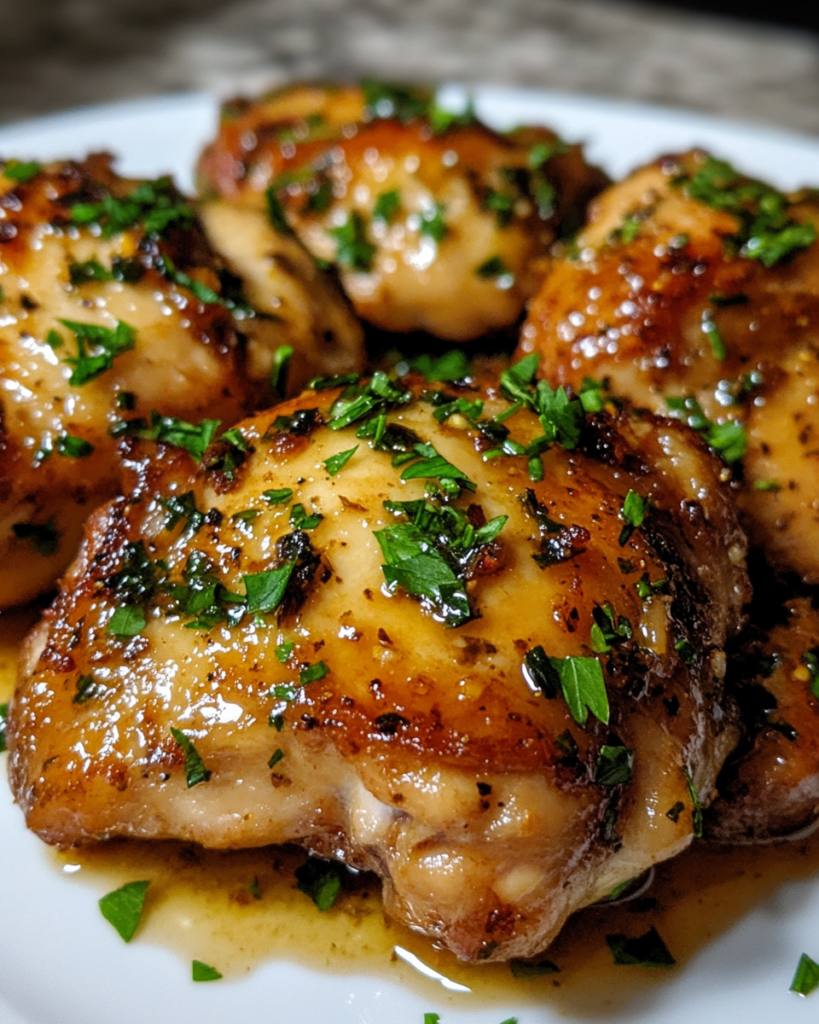
Honey Mustard Chicken Thighs bring together rich chicken flavor with a balanced glaze that carries gentle sweetness, mild tang, and savory depth. Chicken thighs stay juicy during roasting, which gives this dish a tender texture and a glossy coating that clings beautifully to every bite. The combination of honey, mustard, garlic, and herbs creates comforting flavor that suits both weeknight dinners and relaxed family gatherings.

This recipe works beautifully because chicken thighs contain slightly higher fat content than chicken breast. During cooking, that fat keeps the meat moist while the glaze thickens into a lightly caramelized coating. Dijon mustard adds depth and gentle sharpness, while honey softens the acidity and encourages golden browning in the oven.

Another reason many home cooks return to Honey Mustard Chicken Thighs again and again is flexibility. The dish pairs beautifully with roasted potatoes, rice, green beans, salads, or buttered noodles. Leftovers also stay tender, which makes meal preparation easier during busy weekdays.

Ingredients Overview
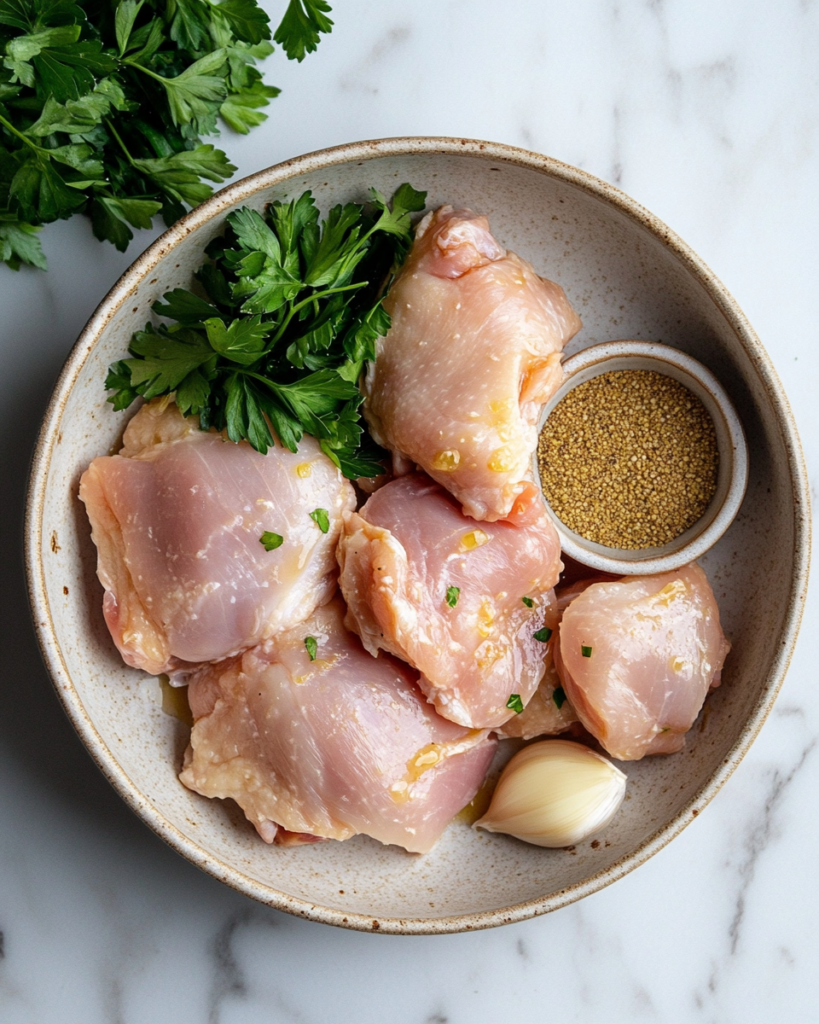
The heart of Honey Mustard Chicken Thighs lies in the balance between sweet and tangy ingredients. Chicken thighs form the base of the recipe and provide rich flavor with tender texture. Bone-in thighs carry slightly deeper taste during roasting, though boneless thighs cook faster and still remain juicy. Skin-on pieces create crisp edges and richer pan juices, while skinless thighs offer a lighter option.

Honey adds sweetness and helps the glaze caramelize during cooking. Mild floral honey works particularly well because it blends smoothly without overpowering the mustard. Dijon mustard contributes sharpness and creamy texture, while whole grain mustard introduces tiny bursts of mustard seed throughout the sauce. Using both types creates layered flavor.

Garlic adds savory warmth that balances the sweetness. Fresh garlic gives stronger flavor than garlic powder and blends naturally into the sauce. Olive oil helps the glaze coat the chicken evenly and encourages even roasting. A splash of apple cider vinegar brightens the sauce and prevents it from tasting overly sweet.

Paprika contributes subtle warmth and richer color. Fresh thyme or rosemary adds earthy aroma that pairs beautifully with roasted chicken. Salt and black pepper round out the flavors while helping the glaze settle into the meat during baking.

Several substitutions work nicely in this recipe. Maple syrup can replace honey for deeper sweetness. Yellow mustard works in place of Dijon if needed, though the sauce will taste milder. Boneless chicken breast may also substitute for thighs, though cooking time should decrease slightly to prevent dryness.

Ingredients

2 pounds chicken thighs, bone-in and skin-on

1/3 cup honey

3 tablespoons Dijon mustard

1 tablespoon whole grain mustard

3 cloves garlic, minced

2 tablespoons olive oil

1 tablespoon apple cider vinegar

1 teaspoon paprika

1 teaspoon salt

1/2 teaspoon black pepper

1 teaspoon fresh thyme leaves

1/2 teaspoon onion powder

1 tablespoon chopped parsley for serving

Lemon wedges for serving

Step-by-Step Instructions
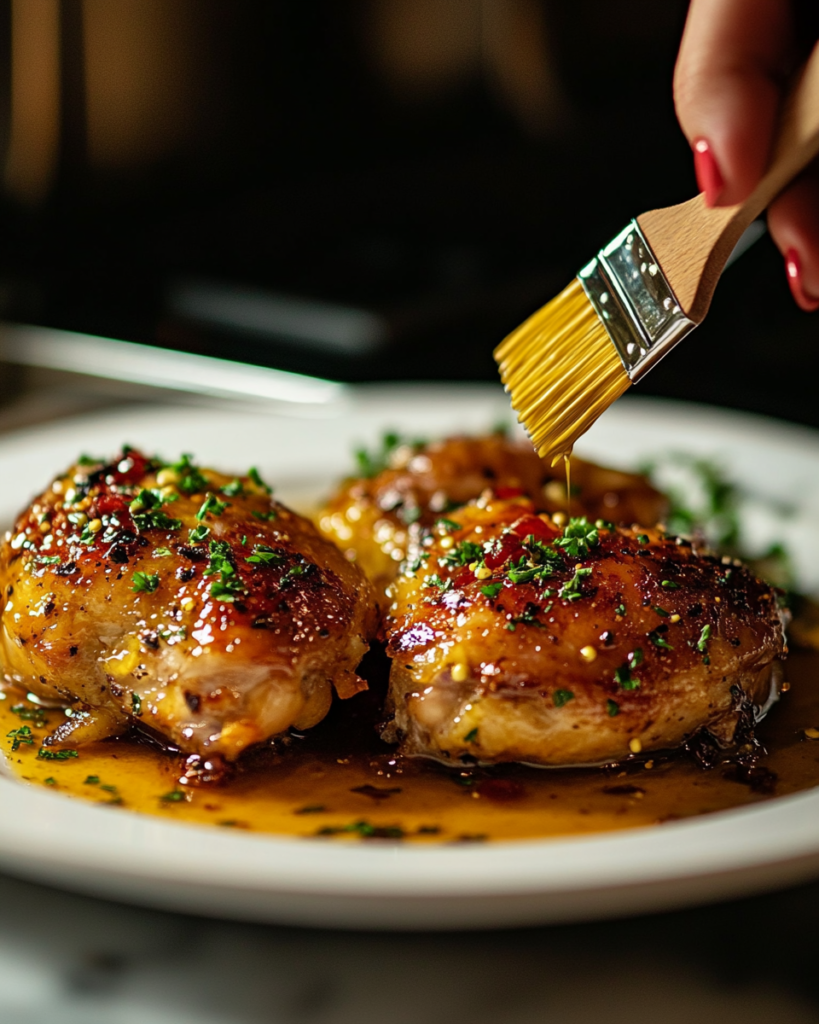
Begin by preheating the oven to 400 degrees Fahrenheit. Lightly grease a large baking dish or oven-safe skillet. Pat the chicken thighs dry using paper towels. Removing surface moisture helps the skin brown more evenly during roasting.

In a medium bowl, whisk together honey, Dijon mustard, whole grain mustard, garlic, olive oil, apple cider vinegar, paprika, thyme, onion powder, salt, and black pepper. The mixture should appear smooth and glossy with balanced thickness. If the honey feels too firm, warming it briefly helps the sauce combine more easily.

Place the chicken thighs into the prepared baking dish with the skin facing upward. Spoon roughly half of the honey mustard mixture over the chicken, spreading it evenly across the surface. Reserve the remaining sauce for later basting.

Transfer the dish into the hot oven and roast for 20 minutes. During this stage, the chicken begins releasing juices while the glaze settles into the surface. Remove the pan carefully and spoon the remaining sauce across the thighs. Return the pan to the oven for another 20 to 25 minutes.

The chicken should reach an internal temperature of 175 degrees Fahrenheit near the thickest portion. Thigh meat becomes especially tender at this temperature while still staying juicy. The glaze should appear slightly sticky with golden edges forming around the pan.

For deeper browning, switch the oven to broil during the final 2 to 3 minutes. Watch closely because the honey can darken quickly. The skin should appear richly browned without burning.

Allow the chicken to rest for 5 minutes before serving. Resting gives the juices time to settle back into the meat instead of spilling onto the plate immediately after slicing.

Scatter chopped parsley across the top and serve with lemon wedges for brightness. Spoon pan juices over the chicken for added flavor.

Several common mistakes can affect the final texture. Overcrowding the pan traps steam and prevents proper browning, so leave slight space between each thigh. Excess honey without enough mustard may create overly sweet sauce, while insufficient salt can flatten the flavor profile. Cooking at lower temperatures may also prevent proper caramelization.

For crispier skin, placing the chicken on a wire rack inside the baking dish allows hot air to circulate more evenly. Turning the pan halfway through cooking also encourages balanced browning across all pieces.

Tips, Variations & Substitutions

Honey Mustard Chicken Thighs adapt beautifully to different flavor styles and household preferences. For slightly smoky flavor, add a pinch of smoked paprika to the sauce. Crushed red pepper flakes also bring gentle heat that balances the honey beautifully.

Boneless thighs shorten cooking time by several minutes and work nicely for quick dinners. If using boneless cuts, begin checking internal temperature around the 25-minute mark. Skinless thighs also perform well, though the final texture becomes slightly lighter and less crisp.

Fresh herbs can shift the overall flavor profile in subtle ways. Rosemary creates earthy depth, while parsley keeps the dish lighter and brighter. A tiny splash of fresh lemon juice stirred into the sauce after roasting creates extra freshness without overpowering the glaze.

For lower sugar content, reduce the honey slightly and increase Dijon mustard by one tablespoon. Greek yogurt can also blend into the sauce after roasting for creamy texture and milder sweetness.

This recipe adapts nicely for grilling as well. Grill the chicken over medium heat and brush additional sauce onto the thighs during the final minutes. Watching carefully during grilling prevents flare-ups caused by dripping glaze.

Leftovers store beautifully for up to four days in the refrigerator. Reheating gently in the oven keeps the chicken moist while maintaining the sticky glaze texture.

Serving Ideas & Occasions

Honey Mustard Chicken Thighs fit beautifully into both casual meals and slightly dressier dinner settings. The sweet and tangy glaze pairs especially well with roasted vegetables such as carrots, Brussels sprouts, or green beans. Creamy mashed potatoes also balance the bold sauce beautifully.

For lighter meals, serve the chicken beside crisp salads with cucumbers, tomatoes, and light vinaigrette. Rice pilaf or buttered noodles also absorb the extra pan sauce wonderfully. Warm dinner rolls complete the plate during family-style meals.

This dish suits Sunday dinners, holiday gatherings, meal preparation days, and relaxed weeknight suppers. Because the recipe uses pantry-friendly ingredients, many cooks appreciate how simple it feels during busy evenings.

Sparkling water with citrus slices pairs nicely alongside the rich glaze. Iced tea also complements the sweet mustard flavor beautifully without overpowering the meal.

The glossy appearance and golden color also help this recipe stand out nicely during potlucks or shared dinners.

Nutritional & Health Notes

Chicken thighs provide protein, iron, zinc, and several B vitamins that support balanced meals. Compared with heavily breaded chicken dishes, this recipe relies mainly on roasting rather than deep frying, which keeps the texture lighter while still delivering rich flavor.

Honey contributes sweetness and caramelization, though moderation remains important because it still contains sugar. Mustard adds strong flavor without relying heavily on butter or cream, which helps the sauce remain balanced and lighter than many creamy glazes.

Using skinless thighs can slightly reduce fat content while still maintaining tenderness. Serving the chicken alongside vegetables or whole grains creates balanced plates with fiber, protein, and satisfying texture.

Garlic and herbs contribute flavor naturally, reducing reliance on heavy sauces or excessive sodium. Adjusting salt levels according to preference also allows flexibility for different dietary needs.

Because chicken thighs remain filling and flavorful, smaller portions often feel satisfying when paired with hearty side dishes.

FAQs

Can I prepare Honey Mustard Chicken Thighs ahead of time?

Yes, this recipe works very nicely for advance preparation. The chicken can marinate in the honey mustard mixture for several hours or overnight inside the refrigerator. Longer marinating allows the garlic and mustard flavors to settle more deeply into the meat while helping the chicken remain juicy during roasting.

When preparing ahead, keep the chicken tightly covered and store it in a glass or ceramic dish. Before cooking, allow the chicken to sit at room temperature for roughly 20 minutes so it cooks more evenly. The sauce may thicken slightly after refrigeration because of the honey, though stirring briefly solves that issue easily. Many cooks appreciate this advance preparation during busy weekdays or family gatherings.

Can I use chicken breast instead of thighs?

Chicken breast can replace thighs, though cooking time should decrease slightly because breast meat cooks faster and contains less fat. Boneless chicken breast generally requires around 20 to 25 minutes at 400 degrees Fahrenheit depending on thickness.

Because breast meat dries more quickly, checking internal temperature early helps maintain tenderness. Removing the chicken once it reaches 165 degrees Fahrenheit prevents dryness. Adding a little extra olive oil to the sauce may also help maintain moisture.

Thighs usually carry richer flavor and softer texture, which suits the sticky glaze beautifully. Still, chicken breast remains a solid option for households seeking leaner meals while still enjoying the sweet mustard flavor combination.

Why did my sauce burn during cooking?

Honey caramelizes rapidly because of its natural sugar content. If the oven temperature runs too high or the chicken sits too close to the heating element, the glaze may darken too quickly. Broiling for extended periods can also cause burning around the pan edges.

Using a middle oven rack generally prevents excessive direct heat. Adding the second layer of sauce midway through cooking instead of all at once also helps reduce scorching. If the sauce thickens too rapidly, loosely covering the pan with foil during part of the cooking process may help.

Keeping close watch during the final minutes remains especially important because the glaze changes quickly once caramelization begins.

How should leftovers be stored?

Leftover Honey Mustard Chicken Thighs store nicely inside airtight containers in the refrigerator for up to four days. Allow the chicken to cool slightly before sealing the container to prevent excess moisture buildup.

For reheating, place the chicken into a baking dish and warm it in a 350-degree oven until heated through. Covering loosely with foil during reheating helps maintain moisture while preventing further darkening of the glaze. Microwave reheating also works for quick meals, though the skin may soften slightly.

Leftover chicken tastes wonderful sliced into salads, grain bowls, or wraps because the honey mustard flavor remains rich even after chilling.

Can this recipe be cooked in an air fryer?

Yes, Honey Mustard Chicken Thighs adapt very nicely for air fryer cooking. Preheat the air fryer to 375 degrees Fahrenheit and arrange the chicken in a single layer without overcrowding the basket.

Cook the thighs for roughly 18 to 22 minutes depending on thickness, flipping halfway through cooking. Brushing extra sauce during the final minutes creates glossy coating without burning the honey too early.

Air fryers produce crisp edges and rich caramelization because hot air circulates rapidly around the chicken. Watching carefully during the last few minutes remains important since honey-based sauces brown quickly in compact cooking spaces.

Which mustard works best for this recipe?

Dijon mustard generally produces the smoothest balance because it carries tangy flavor with creamy texture. Whole grain mustard adds pleasant texture from the mustard seeds and creates more visual contrast in the sauce.

Yellow mustard may substitute in a pinch, though the flavor becomes slightly milder and more familiar. Spicy brown mustard creates deeper sharpness and stronger savory notes. Combining two mustard varieties often produces the richest overall flavor profile.

Avoid overly sweet flavored mustards because the honey already contributes sweetness. Maintaining balance between sweet, savory, and tangy elements keeps the final dish rich without tasting overly sugary.

What side dishes pair nicely with Honey Mustard Chicken Thighs?

This chicken pairs beautifully with many comforting side dishes. Roasted potatoes absorb the extra sauce wonderfully, while steamed rice balances the sticky glaze with soft texture. Green vegetables such as asparagus, broccoli, or green beans also provide freshness beside the richer chicken.

For lighter meals, crisp salads with lemon vinaigrette contrast nicely against the sweet mustard coating. Buttered noodles or creamy mashed cauliflower also complement the savory flavor beautifully.

Warm bread rolls work nicely for soaking up extra pan juices during family dinners. During colder months, roasted root vegetables create hearty plates, while lighter cucumber salads fit beautifully during warmer seasons.

………………..

[rank_math_breadcrumb]

Honey Mustard Chicken Thighs: 5 Amazing Cozy Plates

Photo of author
Author: Ava
Published:

Honey Mustard Chicken Thighs bring together rich chicken flavor with a balanced glaze that carries gentle sweetness, mild tang, and savory depth. Chicken thighs stay juicy during roasting, which gives this dish a tender texture and a glossy coating that clings beautifully to every bite. The combination of honey, mustard, garlic, and herbs creates comforting flavor that suits both weeknight dinners and relaxed family gatherings.

This recipe works beautifully because chicken thighs contain slightly higher fat content than chicken breast. During cooking, that fat keeps the meat moist while the glaze thickens into a lightly caramelized coating. Dijon mustard adds depth and gentle sharpness, while honey softens the acidity and encourages golden browning in the oven.

Another reason many home cooks return to Honey Mustard Chicken Thighs again and again is flexibility. The dish pairs beautifully with roasted potatoes, rice, green beans, salads, or buttered noodles. Leftovers also stay tender, which makes meal preparation easier during busy weekdays.

Ingredients Overview

The heart of Honey Mustard Chicken Thighs lies in the balance between sweet and tangy ingredients. Chicken thighs form the base of the recipe and provide rich flavor with tender texture. Bone-in thighs carry slightly deeper taste during roasting, though boneless thighs cook faster and still remain juicy. Skin-on pieces create crisp edges and richer pan juices, while skinless thighs offer a lighter option.

Honey adds sweetness and helps the glaze caramelize during cooking. Mild floral honey works particularly well because it blends smoothly without overpowering the mustard. Dijon mustard contributes sharpness and creamy texture, while whole grain mustard introduces tiny bursts of mustard seed throughout the sauce. Using both types creates layered flavor.

Garlic adds savory warmth that balances the sweetness. Fresh garlic gives stronger flavor than garlic powder and blends naturally into the sauce. Olive oil helps the glaze coat the chicken evenly and encourages even roasting. A splash of apple cider vinegar brightens the sauce and prevents it from tasting overly sweet.

Paprika contributes subtle warmth and richer color. Fresh thyme or rosemary adds earthy aroma that pairs beautifully with roasted chicken. Salt and black pepper round out the flavors while helping the glaze settle into the meat during baking.

Several substitutions work nicely in this recipe. Maple syrup can replace honey for deeper sweetness. Yellow mustard works in place of Dijon if needed, though the sauce will taste milder. Boneless chicken breast may also substitute for thighs, though cooking time should decrease slightly to prevent dryness.

Ingredients

2 pounds chicken thighs, bone-in and skin-on

1/3 cup honey

3 tablespoons Dijon mustard

1 tablespoon whole grain mustard

3 cloves garlic, minced

2 tablespoons olive oil

1 tablespoon apple cider vinegar

1 teaspoon paprika

1 teaspoon salt

1/2 teaspoon black pepper

1 teaspoon fresh thyme leaves

1/2 teaspoon onion powder

1 tablespoon chopped parsley for serving

Lemon wedges for serving

Step-by-Step Instructions

Begin by preheating the oven to 400 degrees Fahrenheit. Lightly grease a large baking dish or oven-safe skillet. Pat the chicken thighs dry using paper towels. Removing surface moisture helps the skin brown more evenly during roasting.

In a medium bowl, whisk together honey, Dijon mustard, whole grain mustard, garlic, olive oil, apple cider vinegar, paprika, thyme, onion powder, salt, and black pepper. The mixture should appear smooth and glossy with balanced thickness. If the honey feels too firm, warming it briefly helps the sauce combine more easily.

Place the chicken thighs into the prepared baking dish with the skin facing upward. Spoon roughly half of the honey mustard mixture over the chicken, spreading it evenly across the surface. Reserve the remaining sauce for later basting.

Transfer the dish into the hot oven and roast for 20 minutes. During this stage, the chicken begins releasing juices while the glaze settles into the surface. Remove the pan carefully and spoon the remaining sauce across the thighs. Return the pan to the oven for another 20 to 25 minutes.

The chicken should reach an internal temperature of 175 degrees Fahrenheit near the thickest portion. Thigh meat becomes especially tender at this temperature while still staying juicy. The glaze should appear slightly sticky with golden edges forming around the pan.

For deeper browning, switch the oven to broil during the final 2 to 3 minutes. Watch closely because the honey can darken quickly. The skin should appear richly browned without burning.

Allow the chicken to rest for 5 minutes before serving. Resting gives the juices time to settle back into the meat instead of spilling onto the plate immediately after slicing.

Scatter chopped parsley across the top and serve with lemon wedges for brightness. Spoon pan juices over the chicken for added flavor.

Several common mistakes can affect the final texture. Overcrowding the pan traps steam and prevents proper browning, so leave slight space between each thigh. Excess honey without enough mustard may create overly sweet sauce, while insufficient salt can flatten the flavor profile. Cooking at lower temperatures may also prevent proper caramelization.

For crispier skin, placing the chicken on a wire rack inside the baking dish allows hot air to circulate more evenly. Turning the pan halfway through cooking also encourages balanced browning across all pieces.

Tips, Variations & Substitutions

Honey Mustard Chicken Thighs adapt beautifully to different flavor styles and household preferences. For slightly smoky flavor, add a pinch of smoked paprika to the sauce. Crushed red pepper flakes also bring gentle heat that balances the honey beautifully.

Boneless thighs shorten cooking time by several minutes and work nicely for quick dinners. If using boneless cuts, begin checking internal temperature around the 25-minute mark. Skinless thighs also perform well, though the final texture becomes slightly lighter and less crisp.

Fresh herbs can shift the overall flavor profile in subtle ways. Rosemary creates earthy depth, while parsley keeps the dish lighter and brighter. A tiny splash of fresh lemon juice stirred into the sauce after roasting creates extra freshness without overpowering the glaze.

For lower sugar content, reduce the honey slightly and increase Dijon mustard by one tablespoon. Greek yogurt can also blend into the sauce after roasting for creamy texture and milder sweetness.

This recipe adapts nicely for grilling as well. Grill the chicken over medium heat and brush additional sauce onto the thighs during the final minutes. Watching carefully during grilling prevents flare-ups caused by dripping glaze.

Leftovers store beautifully for up to four days in the refrigerator. Reheating gently in the oven keeps the chicken moist while maintaining the sticky glaze texture.

Serving Ideas & Occasions

Honey Mustard Chicken Thighs fit beautifully into both casual meals and slightly dressier dinner settings. The sweet and tangy glaze pairs especially well with roasted vegetables such as carrots, Brussels sprouts, or green beans. Creamy mashed potatoes also balance the bold sauce beautifully.

For lighter meals, serve the chicken beside crisp salads with cucumbers, tomatoes, and light vinaigrette. Rice pilaf or buttered noodles also absorb the extra pan sauce wonderfully. Warm dinner rolls complete the plate during family-style meals.

This dish suits Sunday dinners, holiday gatherings, meal preparation days, and relaxed weeknight suppers. Because the recipe uses pantry-friendly ingredients, many cooks appreciate how simple it feels during busy evenings.

Sparkling water with citrus slices pairs nicely alongside the rich glaze. Iced tea also complements the sweet mustard flavor beautifully without overpowering the meal.

The glossy appearance and golden color also help this recipe stand out nicely during potlucks or shared dinners.

Nutritional & Health Notes

Chicken thighs provide protein, iron, zinc, and several B vitamins that support balanced meals. Compared with heavily breaded chicken dishes, this recipe relies mainly on roasting rather than deep frying, which keeps the texture lighter while still delivering rich flavor.

Honey contributes sweetness and caramelization, though moderation remains important because it still contains sugar. Mustard adds strong flavor without relying heavily on butter or cream, which helps the sauce remain balanced and lighter than many creamy glazes.

Using skinless thighs can slightly reduce fat content while still maintaining tenderness. Serving the chicken alongside vegetables or whole grains creates balanced plates with fiber, protein, and satisfying texture.

Garlic and herbs contribute flavor naturally, reducing reliance on heavy sauces or excessive sodium. Adjusting salt levels according to preference also allows flexibility for different dietary needs.

Because chicken thighs remain filling and flavorful, smaller portions often feel satisfying when paired with hearty side dishes.

FAQs

Can I prepare Honey Mustard Chicken Thighs ahead of time?

Yes, this recipe works very nicely for advance preparation. The chicken can marinate in the honey mustard mixture for several hours or overnight inside the refrigerator. Longer marinating allows the garlic and mustard flavors to settle more deeply into the meat while helping the chicken remain juicy during roasting.

When preparing ahead, keep the chicken tightly covered and store it in a glass or ceramic dish. Before cooking, allow the chicken to sit at room temperature for roughly 20 minutes so it cooks more evenly. The sauce may thicken slightly after refrigeration because of the honey, though stirring briefly solves that issue easily. Many cooks appreciate this advance preparation during busy weekdays or family gatherings.

Can I use chicken breast instead of thighs?

Chicken breast can replace thighs, though cooking time should decrease slightly because breast meat cooks faster and contains less fat. Boneless chicken breast generally requires around 20 to 25 minutes at 400 degrees Fahrenheit depending on thickness.

Because breast meat dries more quickly, checking internal temperature early helps maintain tenderness. Removing the chicken once it reaches 165 degrees Fahrenheit prevents dryness. Adding a little extra olive oil to the sauce may also help maintain moisture.

Thighs usually carry richer flavor and softer texture, which suits the sticky glaze beautifully. Still, chicken breast remains a solid option for households seeking leaner meals while still enjoying the sweet mustard flavor combination.

Why did my sauce burn during cooking?

Honey caramelizes rapidly because of its natural sugar content. If the oven temperature runs too high or the chicken sits too close to the heating element, the glaze may darken too quickly. Broiling for extended periods can also cause burning around the pan edges.

Using a middle oven rack generally prevents excessive direct heat. Adding the second layer of sauce midway through cooking instead of all at once also helps reduce scorching. If the sauce thickens too rapidly, loosely covering the pan with foil during part of the cooking process may help.

Keeping close watch during the final minutes remains especially important because the glaze changes quickly once caramelization begins.

How should leftovers be stored?

Leftover Honey Mustard Chicken Thighs store nicely inside airtight containers in the refrigerator for up to four days. Allow the chicken to cool slightly before sealing the container to prevent excess moisture buildup.

For reheating, place the chicken into a baking dish and warm it in a 350-degree oven until heated through. Covering loosely with foil during reheating helps maintain moisture while preventing further darkening of the glaze. Microwave reheating also works for quick meals, though the skin may soften slightly.

Leftover chicken tastes wonderful sliced into salads, grain bowls, or wraps because the honey mustard flavor remains rich even after chilling.

Can this recipe be cooked in an air fryer?

Yes, Honey Mustard Chicken Thighs adapt very nicely for air fryer cooking. Preheat the air fryer to 375 degrees Fahrenheit and arrange the chicken in a single layer without overcrowding the basket.

Cook the thighs for roughly 18 to 22 minutes depending on thickness, flipping halfway through cooking. Brushing extra sauce during the final minutes creates glossy coating without burning the honey too early.

Air fryers produce crisp edges and rich caramelization because hot air circulates rapidly around the chicken. Watching carefully during the last few minutes remains important since honey-based sauces brown quickly in compact cooking spaces.

Which mustard works best for this recipe?

Dijon mustard generally produces the smoothest balance because it carries tangy flavor with creamy texture. Whole grain mustard adds pleasant texture from the mustard seeds and creates more visual contrast in the sauce.

Yellow mustard may substitute in a pinch, though the flavor becomes slightly milder and more familiar. Spicy brown mustard creates deeper sharpness and stronger savory notes. Combining two mustard varieties often produces the richest overall flavor profile.

Avoid overly sweet flavored mustards because the honey already contributes sweetness. Maintaining balance between sweet, savory, and tangy elements keeps the final dish rich without tasting overly sugary.

What side dishes pair nicely with Honey Mustard Chicken Thighs?

This chicken pairs beautifully with many comforting side dishes. Roasted potatoes absorb the extra sauce wonderfully, while steamed rice balances the sticky glaze with soft texture. Green vegetables such as asparagus, broccoli, or green beans also provide freshness beside the richer chicken.

For lighter meals, crisp salads with lemon vinaigrette contrast nicely against the sweet mustard coating. Buttered noodles or creamy mashed cauliflower also complement the savory flavor beautifully.

Warm bread rolls work nicely for soaking up extra pan juices during family dinners. During colder months, roasted root vegetables create hearty plates, while lighter cucumber salads fit beautifully during warmer seasons.

………………..

Name

Lorem ipsum dolor sit amet, consectetur adipiscing elit. Suspendisse varius enim in eros elementum tristique. Duis cursus, mi quis viverra ornare, eros dolor interdum nulla, ut commodo diam libero vitae erat.

You Might Also Like...

Spicy Chipotle Chicken Burrito Bowls: 5 Authentic Hope

Spicy Chipotle Chicken Burrito Bowls: 5 Authentic Hope

Creamy Chicken Tortellini Soup: 7 Amazing Cozy Bowls

Creamy Chicken Tortellini Soup: 7 Amazing Cozy Bowls

Chicken Parmesan Grilled Cheese: 5 Authentic Comforting Bites

Chicken Parmesan Grilled Cheese: 5 Authentic Comforting Bites

BBQ Chicken Flatbread Pizza: 7 Amazing Comforting Bites

BBQ Chicken Flatbread Pizza: 7 Amazing Comforting Bites

Tags:

You might also like these recipes

Leave a Comment