Creamy Dijon Mustard Chicken: 5 Simple Comforting Meals

Posted on

Uncategorized

Difficulty

Prep time

Cooking time

Total time

Servings

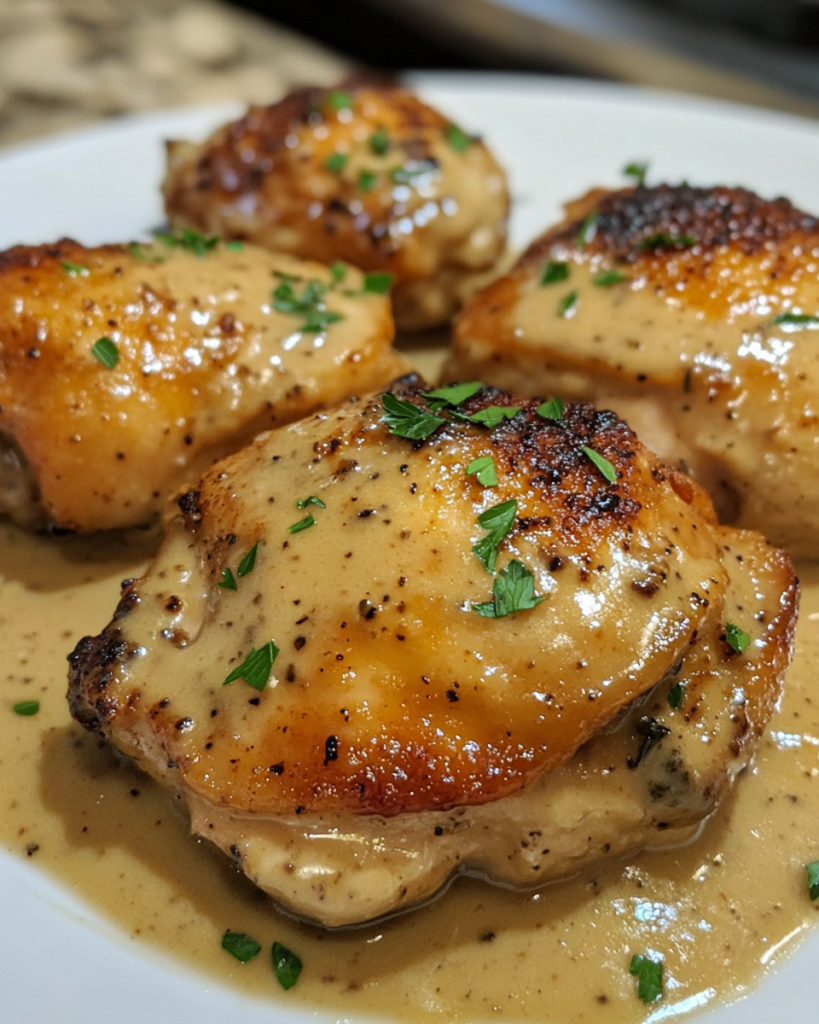
Creamy Dijon Mustard Chicken brings together tender chicken, fragrant garlic, rich cream, and tangy mustard in a skillet dinner that feels cozy without requiring complicated preparation. The sauce clings beautifully to every piece of chicken, creating a silky texture that pairs beautifully with potatoes, rice, pasta, or roasted vegetables.

This dish suits busy evenings yet still feels suitable for family gatherings or casual dinner parties. Dijon mustard gives the sauce a gentle sharpness that balances the richness from cream and butter. Garlic and onion bring depth, while fresh herbs brighten every bite.

Another appealing detail involves flexibility. Boneless chicken breasts work beautifully, though chicken thighs deliver extra richness and tenderness. The entire meal comes together in roughly forty minutes, making it suitable for weeknight cooking while still tasting like something slowly prepared over hours.

A large skillet remains the only major cooking vessel required. The chicken develops a golden crust before simmering gently inside the creamy mustard sauce. During cooking, the sauce thickens naturally and gathers flavor from browned bits left behind after searing the chicken.

Careful seasoning and steady heat create the richest flavor. Excessive heat may separate the cream, while low heat allows the sauce to remain velvety and smooth. Fresh parsley added at serving time adds color and freshness that balances the creamy texture.

Ingredients Overview
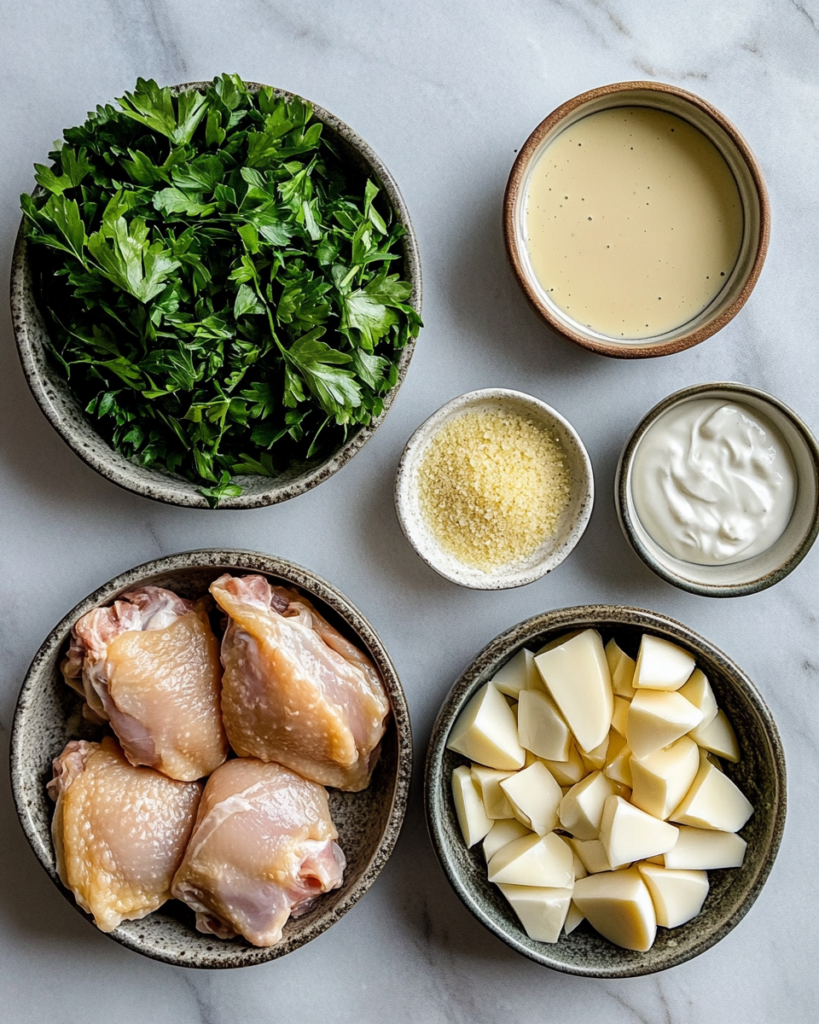
Chicken forms the heart of Creamy Dijon Mustard Chicken, and both chicken breasts and boneless thighs work beautifully. Chicken breasts provide a leaner texture, while thighs stay juicy during simmering and bring slightly richer flavor. Thinly sliced pieces cook evenly and absorb sauce beautifully.

Dijon mustard creates the signature flavor profile. Unlike yellow mustard, Dijon carries gentle acidity with a smooth finish that blends naturally into cream sauces. Whole-grain mustard may replace part of the Dijon for additional texture and subtle sharpness.

Heavy cream gives the sauce its luxurious consistency. Half-and-half works for a lighter texture, though the sauce may remain slightly thinner. A small amount of chicken broth balances the richness and prevents the sauce from becoming overly dense.

Garlic and onion create aromatic depth. Fresh garlic delivers stronger flavor than garlic powder and softens beautifully during simmering. Shallots may replace onions for slightly sweeter notes.

Butter and olive oil assist with browning while adding richness. Parmesan cheese remains optional yet contributes savory depth and helps thicken the sauce naturally.

Fresh parsley brightens the finished skillet and balances the creamy texture. Thyme or tarragon also pair beautifully with Dijon mustard sauce and provide an herbaceous finish.

Simple pantry seasonings such as salt, black pepper, and paprika round out the dish without overwhelming the mustard flavor. Paprika also encourages richer color during searing.

Ingredients

4 boneless skinless chicken breasts

1 teaspoon salt

1/2 teaspoon black pepper

1 teaspoon paprika

2 tablespoons olive oil

2 tablespoons unsalted butter

1 medium yellow onion, finely chopped

4 garlic cloves, minced

1 cup chicken broth

1 cup heavy cream

3 tablespoons Dijon mustard

1 tablespoon whole-grain mustard

1/3 cup grated Parmesan cheese

1 teaspoon fresh thyme leaves

2 tablespoons chopped fresh parsley

1 tablespoon lemon juice

Step-by-Step Instructions
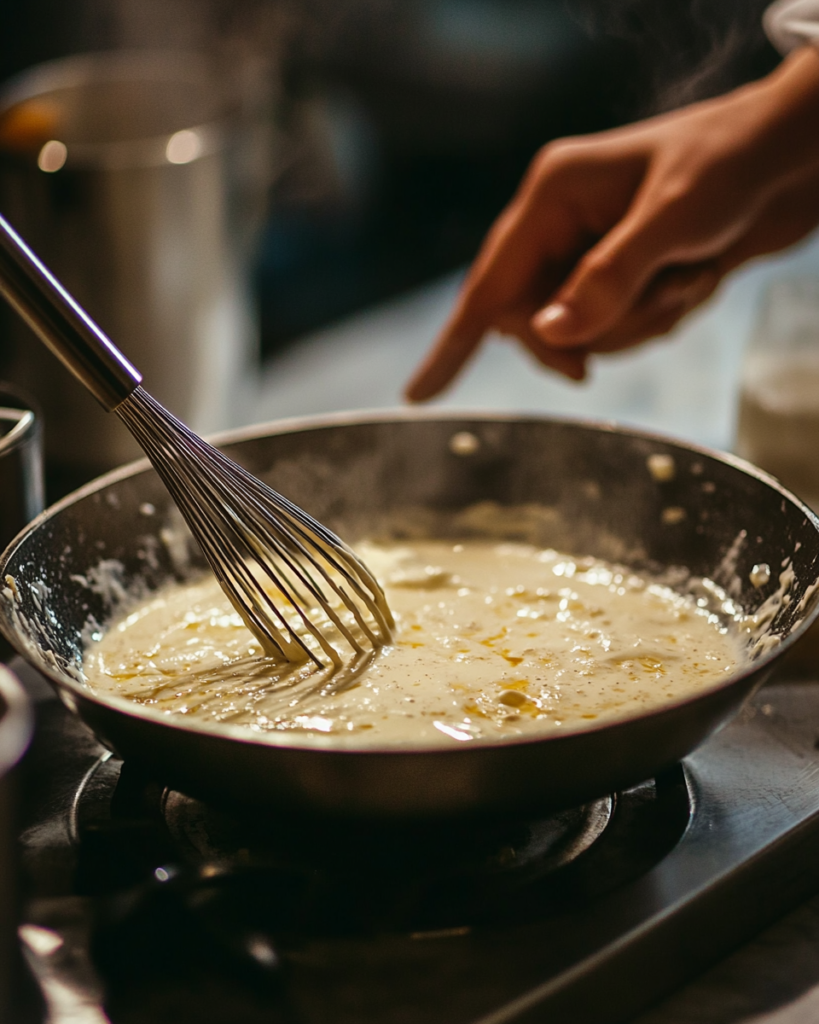
Begin by patting the chicken dry with paper towels. Dry chicken browns far better than damp chicken, helping create a rich golden crust inside the skillet. Season both sides with salt, pepper, and paprika.

If the chicken breasts appear thick, slice them horizontally into thinner cutlets. Thin pieces cook evenly and remain tender rather than dry.

Place a large skillet over medium-high heat. Add olive oil along with butter. Once the butter melts and begins lightly bubbling, carefully place the chicken inside the skillet in a single layer. Avoid overcrowding because crowded chicken steams rather than browns.

Cook the chicken for roughly five minutes per side until golden brown. The chicken does not require complete cooking during this stage because it finishes simmering later inside the sauce. Transfer browned chicken onto a plate and keep nearby.

Reduce the heat slightly. Add chopped onion directly into the same skillet. Stir frequently for roughly four minutes until softened and lightly golden. Add minced garlic and cook for thirty seconds until fragrant. Garlic burns quickly, so constant stirring helps prevent bitterness.

Pour chicken broth into the skillet and scrape the browned bits from the pan using a wooden spoon. Those caramelized bits hold deep savory flavor that enriches the sauce beautifully.

Lower the heat to medium-low before adding heavy cream. Stir gently until combined. Add Dijon mustard, whole-grain mustard, thyme, and Parmesan cheese. Continue stirring until the sauce becomes smooth and lightly thickened.

Return the chicken along with accumulated juices into the skillet. Spoon sauce across the chicken pieces. Allow everything to simmer gently for roughly eight to ten minutes until the chicken reaches a safe internal temperature of 165 degrees Fahrenheit.

Avoid boiling the sauce aggressively because excessive heat may cause separation. Gentle simmering keeps the sauce silky and stable.

Taste the sauce and adjust seasoning if necessary. Add lemon juice during the final minute for brightness and balance.

Scatter chopped parsley across the skillet immediately before serving. The finished sauce should appear glossy, creamy, and thick enough to coat the back of a spoon.

Serve immediately while warm. Rice, mashed potatoes, egg noodles, or crusty bread pair beautifully with the creamy mustard sauce.

Tips, Variations & Substitutions

Boneless chicken thighs create especially tender results and remain forgiving during cooking. For slightly lighter texture, substitute half-and-half for heavy cream, though the sauce may remain thinner.

Whole-grain mustard contributes pleasant texture and mild sharpness. Spicy brown mustard may substitute part of the Dijon for deeper flavor. Avoid overpowering the sauce with excessive mustard because balance remains important.

Mushrooms pair beautifully with creamy Dijon sauce. Sauté sliced mushrooms after cooking the onions for additional earthy flavor. Spinach also works nicely and wilts quickly during the final simmer.

For dairy-free preparation, coconut cream may replace heavy cream. The flavor changes slightly yet still pairs pleasantly with mustard and garlic.

Fresh herbs bring brightness and freshness. Tarragon especially complements mustard sauce and creates a classic French-inspired flavor profile. Chives or parsley also suit the dish beautifully.

Avoid overcooking the chicken. Thin cutlets finish rapidly, and prolonged simmering may create dry texture. Using a meat thermometer provides reliable accuracy.

If the sauce thickens excessively, stir in a splash of broth before serving. If thinner texture occurs, allow several additional minutes of gentle simmering uncovered.

A cast-iron skillet develops excellent browning, though stainless steel also works beautifully for this recipe.

Serving Ideas & Occasions

Creamy Dijon Mustard Chicken pairs beautifully with buttery mashed potatoes because the potatoes absorb every spoonful of sauce. Rice pilaf, roasted baby potatoes, or buttered egg noodles also complement the creamy texture beautifully.

For lighter pairings, roasted asparagus, green beans, or sautéed spinach bring freshness and balance. A crisp green salad with vinaigrette provides contrast against the rich sauce.

Warm crusty bread suits this meal especially well because the creamy mustard sauce deserves scooping from the plate. Dinner rolls or toasted sourdough work beautifully.

This skillet dinner suits family evenings, casual entertaining, holiday weekends, or relaxed Sunday suppers. Since the entire recipe cooks inside a single pan, cleanup stays manageable even during busy schedules.

A chilled glass of Chardonnay or sparkling water with lemon pairs pleasantly alongside the creamy mustard flavor profile.

Nutritional & Health Notes

Creamy Dijon Mustard Chicken provides substantial protein from chicken while the sauce contributes satisfying richness through cream and butter. Chicken breasts remain slightly leaner, while thighs contain additional fat and flavor.

Dijon mustard adds strong flavor without requiring large quantities of salt or sugar. Garlic and onion contribute savory depth along with naturally occurring nutrients and aromatic compounds.

Serving the chicken alongside vegetables such as green beans, broccoli, or spinach creates balanced meals with additional fiber and freshness. Pairing with rice or potatoes creates hearty portions suitable for colder evenings or larger appetites.

Those preferring lighter meals may reduce cream slightly and increase broth for a thinner sauce. Parmesan cheese also remains optional.

Portion balance matters because cream-based sauces naturally contain higher calorie counts. Smaller servings alongside vegetables create satisfying meals without feeling excessively heavy.

FAQs

Can chicken thighs replace chicken breasts?

Chicken thighs work beautifully in Creamy Dijon Mustard Chicken and often remain juicier during simmering. Boneless skinless thighs require roughly similar cooking times, though slightly thicker pieces may need several additional minutes. Thigh meat contains slightly richer flavor that pairs especially nicely with creamy mustard sauce. During browning, allow the thighs sufficient contact with the skillet so a golden crust develops properly. Excess liquid inside the skillet may prevent browning. Thighs also reheat beautifully, making them excellent for meal preparation. Whether using thighs or breasts, checking internal temperature remains important so the chicken finishes fully cooked while still tender and juicy.

Can this recipe be prepared ahead of time?

This dish reheats surprisingly well, making it suitable for advance preparation. Cook the chicken fully and allow the skillet contents to cool slightly before refrigeration. Store inside airtight containers for roughly three days. During reheating, place everything inside a skillet over medium-low heat and stir gently. Adding a small splash of broth or cream helps restore the silky texture because refrigeration thickens the sauce considerably. Avoid high heat because cream sauces may separate when overheated aggressively. Fresh parsley added immediately before serving brightens the reheated dish beautifully and restores freshness after storage.

Which mustard creates the richest flavor?

Dijon mustard remains the classic selection because its smooth texture blends naturally into cream sauces while adding balanced tanginess. Whole-grain mustard contributes texture and subtle sharpness, which many cooks enjoy alongside Dijon. Yellow mustard tends to taste sharper and slightly acidic for this style of recipe. Spicy brown mustard creates deeper flavor though slightly stronger bite. Combining two mustard varieties often creates balanced complexity without overpowering the sauce. Since mustard flavors vary between brands, tasting the sauce before final seasoning helps maintain balance between creaminess, saltiness, and tanginess.

Can frozen chicken work for this recipe?

Frozen chicken works successfully once fully thawed. Cooking partially frozen chicken often creates uneven texture because the exterior browns before the center cooks safely. Thaw the chicken overnight inside the refrigerator whenever possible. After thawing, pat the chicken thoroughly dry because excess moisture interferes with browning. Proper browning contributes significant flavor during skillet cooking, especially since those browned bits enrich the sauce afterward. Thin cutlets cook especially evenly and remain tender throughout simmering. Whether using fresh or thawed chicken, avoid overcrowding the skillet during searing because crowding traps steam.

What side dishes pair nicely with creamy mustard sauce?

Mashed potatoes remain classic because their soft texture absorbs the creamy sauce beautifully. Rice pilaf, buttered noodles, roasted potatoes, or creamy polenta also pair wonderfully. Vegetables provide freshness alongside the rich sauce, particularly asparagus, broccoli, green beans, or Brussels sprouts. Crusty bread remains highly popular because every remaining spoonful of sauce deserves scooping from the plate. During warmer months, crisp salads with vinaigrette balance the creamy texture especially nicely. Side dishes with gentle seasoning usually pair best so the mustard sauce stays central throughout the meal.

Why did the sauce separate during cooking?

Cream sauces usually separate because the heat became excessively high. Gentle simmering keeps dairy stable and smooth. Boiling aggressively may cause the cream to curdle slightly or appear oily. Adding cold cream directly into extremely hot liquid may also create separation. Lowering the heat before stirring in cream helps maintain silky texture. Using heavy cream rather than lower-fat dairy creates greater stability during simmering. If slight separation occurs, whisking gently over low heat occasionally restores smoothness. Parmesan cheese also assists with thickening and texture when stirred gradually into the sauce.

Can vegetables cook directly inside the skillet?

Several vegetables cook beautifully alongside the chicken and sauce. Mushrooms remain especially popular because they absorb flavor from the creamy mustard mixture wonderfully. Spinach wilts rapidly during the final minutes and adds freshness without requiring separate cooking. Asparagus pieces or green beans may also simmer directly inside the skillet, though firmer vegetables should begin cooking slightly earlier. Avoid overcrowding because excessive vegetables may dilute the sauce and reduce browning quality. Cooking vegetables inside the same skillet creates deeper flavor since everything absorbs the savory sauce together.

[rank_math_breadcrumb]

Creamy Dijon Mustard Chicken: 5 Simple Comforting Meals

Photo of author
Author: Ava
Published:

Creamy Dijon Mustard Chicken brings together tender chicken, fragrant garlic, rich cream, and tangy mustard in a skillet dinner that feels cozy without requiring complicated preparation. The sauce clings beautifully to every piece of chicken, creating a silky texture that pairs beautifully with potatoes, rice, pasta, or roasted vegetables.

This dish suits busy evenings yet still feels suitable for family gatherings or casual dinner parties. Dijon mustard gives the sauce a gentle sharpness that balances the richness from cream and butter. Garlic and onion bring depth, while fresh herbs brighten every bite.

Another appealing detail involves flexibility. Boneless chicken breasts work beautifully, though chicken thighs deliver extra richness and tenderness. The entire meal comes together in roughly forty minutes, making it suitable for weeknight cooking while still tasting like something slowly prepared over hours.

A large skillet remains the only major cooking vessel required. The chicken develops a golden crust before simmering gently inside the creamy mustard sauce. During cooking, the sauce thickens naturally and gathers flavor from browned bits left behind after searing the chicken.

Careful seasoning and steady heat create the richest flavor. Excessive heat may separate the cream, while low heat allows the sauce to remain velvety and smooth. Fresh parsley added at serving time adds color and freshness that balances the creamy texture.

Ingredients Overview

Chicken forms the heart of Creamy Dijon Mustard Chicken, and both chicken breasts and boneless thighs work beautifully. Chicken breasts provide a leaner texture, while thighs stay juicy during simmering and bring slightly richer flavor. Thinly sliced pieces cook evenly and absorb sauce beautifully.

Dijon mustard creates the signature flavor profile. Unlike yellow mustard, Dijon carries gentle acidity with a smooth finish that blends naturally into cream sauces. Whole-grain mustard may replace part of the Dijon for additional texture and subtle sharpness.

Heavy cream gives the sauce its luxurious consistency. Half-and-half works for a lighter texture, though the sauce may remain slightly thinner. A small amount of chicken broth balances the richness and prevents the sauce from becoming overly dense.

Garlic and onion create aromatic depth. Fresh garlic delivers stronger flavor than garlic powder and softens beautifully during simmering. Shallots may replace onions for slightly sweeter notes.

Butter and olive oil assist with browning while adding richness. Parmesan cheese remains optional yet contributes savory depth and helps thicken the sauce naturally.

Fresh parsley brightens the finished skillet and balances the creamy texture. Thyme or tarragon also pair beautifully with Dijon mustard sauce and provide an herbaceous finish.

Simple pantry seasonings such as salt, black pepper, and paprika round out the dish without overwhelming the mustard flavor. Paprika also encourages richer color during searing.

Ingredients

4 boneless skinless chicken breasts

1 teaspoon salt

1/2 teaspoon black pepper

1 teaspoon paprika

2 tablespoons olive oil

2 tablespoons unsalted butter

1 medium yellow onion, finely chopped

4 garlic cloves, minced

1 cup chicken broth

1 cup heavy cream

3 tablespoons Dijon mustard

1 tablespoon whole-grain mustard

1/3 cup grated Parmesan cheese

1 teaspoon fresh thyme leaves

2 tablespoons chopped fresh parsley

1 tablespoon lemon juice

Step-by-Step Instructions

Begin by patting the chicken dry with paper towels. Dry chicken browns far better than damp chicken, helping create a rich golden crust inside the skillet. Season both sides with salt, pepper, and paprika.

If the chicken breasts appear thick, slice them horizontally into thinner cutlets. Thin pieces cook evenly and remain tender rather than dry.

Place a large skillet over medium-high heat. Add olive oil along with butter. Once the butter melts and begins lightly bubbling, carefully place the chicken inside the skillet in a single layer. Avoid overcrowding because crowded chicken steams rather than browns.

Cook the chicken for roughly five minutes per side until golden brown. The chicken does not require complete cooking during this stage because it finishes simmering later inside the sauce. Transfer browned chicken onto a plate and keep nearby.

Reduce the heat slightly. Add chopped onion directly into the same skillet. Stir frequently for roughly four minutes until softened and lightly golden. Add minced garlic and cook for thirty seconds until fragrant. Garlic burns quickly, so constant stirring helps prevent bitterness.

Pour chicken broth into the skillet and scrape the browned bits from the pan using a wooden spoon. Those caramelized bits hold deep savory flavor that enriches the sauce beautifully.

Lower the heat to medium-low before adding heavy cream. Stir gently until combined. Add Dijon mustard, whole-grain mustard, thyme, and Parmesan cheese. Continue stirring until the sauce becomes smooth and lightly thickened.

Return the chicken along with accumulated juices into the skillet. Spoon sauce across the chicken pieces. Allow everything to simmer gently for roughly eight to ten minutes until the chicken reaches a safe internal temperature of 165 degrees Fahrenheit.

Avoid boiling the sauce aggressively because excessive heat may cause separation. Gentle simmering keeps the sauce silky and stable.

Taste the sauce and adjust seasoning if necessary. Add lemon juice during the final minute for brightness and balance.

Scatter chopped parsley across the skillet immediately before serving. The finished sauce should appear glossy, creamy, and thick enough to coat the back of a spoon.

Serve immediately while warm. Rice, mashed potatoes, egg noodles, or crusty bread pair beautifully with the creamy mustard sauce.

Tips, Variations & Substitutions

Boneless chicken thighs create especially tender results and remain forgiving during cooking. For slightly lighter texture, substitute half-and-half for heavy cream, though the sauce may remain thinner.

Whole-grain mustard contributes pleasant texture and mild sharpness. Spicy brown mustard may substitute part of the Dijon for deeper flavor. Avoid overpowering the sauce with excessive mustard because balance remains important.

Mushrooms pair beautifully with creamy Dijon sauce. Sauté sliced mushrooms after cooking the onions for additional earthy flavor. Spinach also works nicely and wilts quickly during the final simmer.

For dairy-free preparation, coconut cream may replace heavy cream. The flavor changes slightly yet still pairs pleasantly with mustard and garlic.

Fresh herbs bring brightness and freshness. Tarragon especially complements mustard sauce and creates a classic French-inspired flavor profile. Chives or parsley also suit the dish beautifully.

Avoid overcooking the chicken. Thin cutlets finish rapidly, and prolonged simmering may create dry texture. Using a meat thermometer provides reliable accuracy.

If the sauce thickens excessively, stir in a splash of broth before serving. If thinner texture occurs, allow several additional minutes of gentle simmering uncovered.

A cast-iron skillet develops excellent browning, though stainless steel also works beautifully for this recipe.

Serving Ideas & Occasions

Creamy Dijon Mustard Chicken pairs beautifully with buttery mashed potatoes because the potatoes absorb every spoonful of sauce. Rice pilaf, roasted baby potatoes, or buttered egg noodles also complement the creamy texture beautifully.

For lighter pairings, roasted asparagus, green beans, or sautéed spinach bring freshness and balance. A crisp green salad with vinaigrette provides contrast against the rich sauce.

Warm crusty bread suits this meal especially well because the creamy mustard sauce deserves scooping from the plate. Dinner rolls or toasted sourdough work beautifully.

This skillet dinner suits family evenings, casual entertaining, holiday weekends, or relaxed Sunday suppers. Since the entire recipe cooks inside a single pan, cleanup stays manageable even during busy schedules.

A chilled glass of Chardonnay or sparkling water with lemon pairs pleasantly alongside the creamy mustard flavor profile.

Nutritional & Health Notes

Creamy Dijon Mustard Chicken provides substantial protein from chicken while the sauce contributes satisfying richness through cream and butter. Chicken breasts remain slightly leaner, while thighs contain additional fat and flavor.

Dijon mustard adds strong flavor without requiring large quantities of salt or sugar. Garlic and onion contribute savory depth along with naturally occurring nutrients and aromatic compounds.

Serving the chicken alongside vegetables such as green beans, broccoli, or spinach creates balanced meals with additional fiber and freshness. Pairing with rice or potatoes creates hearty portions suitable for colder evenings or larger appetites.

Those preferring lighter meals may reduce cream slightly and increase broth for a thinner sauce. Parmesan cheese also remains optional.

Portion balance matters because cream-based sauces naturally contain higher calorie counts. Smaller servings alongside vegetables create satisfying meals without feeling excessively heavy.

FAQs

Can chicken thighs replace chicken breasts?

Chicken thighs work beautifully in Creamy Dijon Mustard Chicken and often remain juicier during simmering. Boneless skinless thighs require roughly similar cooking times, though slightly thicker pieces may need several additional minutes. Thigh meat contains slightly richer flavor that pairs especially nicely with creamy mustard sauce. During browning, allow the thighs sufficient contact with the skillet so a golden crust develops properly. Excess liquid inside the skillet may prevent browning. Thighs also reheat beautifully, making them excellent for meal preparation. Whether using thighs or breasts, checking internal temperature remains important so the chicken finishes fully cooked while still tender and juicy.

Can this recipe be prepared ahead of time?

This dish reheats surprisingly well, making it suitable for advance preparation. Cook the chicken fully and allow the skillet contents to cool slightly before refrigeration. Store inside airtight containers for roughly three days. During reheating, place everything inside a skillet over medium-low heat and stir gently. Adding a small splash of broth or cream helps restore the silky texture because refrigeration thickens the sauce considerably. Avoid high heat because cream sauces may separate when overheated aggressively. Fresh parsley added immediately before serving brightens the reheated dish beautifully and restores freshness after storage.

Which mustard creates the richest flavor?

Dijon mustard remains the classic selection because its smooth texture blends naturally into cream sauces while adding balanced tanginess. Whole-grain mustard contributes texture and subtle sharpness, which many cooks enjoy alongside Dijon. Yellow mustard tends to taste sharper and slightly acidic for this style of recipe. Spicy brown mustard creates deeper flavor though slightly stronger bite. Combining two mustard varieties often creates balanced complexity without overpowering the sauce. Since mustard flavors vary between brands, tasting the sauce before final seasoning helps maintain balance between creaminess, saltiness, and tanginess.

Can frozen chicken work for this recipe?

Frozen chicken works successfully once fully thawed. Cooking partially frozen chicken often creates uneven texture because the exterior browns before the center cooks safely. Thaw the chicken overnight inside the refrigerator whenever possible. After thawing, pat the chicken thoroughly dry because excess moisture interferes with browning. Proper browning contributes significant flavor during skillet cooking, especially since those browned bits enrich the sauce afterward. Thin cutlets cook especially evenly and remain tender throughout simmering. Whether using fresh or thawed chicken, avoid overcrowding the skillet during searing because crowding traps steam.

What side dishes pair nicely with creamy mustard sauce?

Mashed potatoes remain classic because their soft texture absorbs the creamy sauce beautifully. Rice pilaf, buttered noodles, roasted potatoes, or creamy polenta also pair wonderfully. Vegetables provide freshness alongside the rich sauce, particularly asparagus, broccoli, green beans, or Brussels sprouts. Crusty bread remains highly popular because every remaining spoonful of sauce deserves scooping from the plate. During warmer months, crisp salads with vinaigrette balance the creamy texture especially nicely. Side dishes with gentle seasoning usually pair best so the mustard sauce stays central throughout the meal.

Why did the sauce separate during cooking?

Cream sauces usually separate because the heat became excessively high. Gentle simmering keeps dairy stable and smooth. Boiling aggressively may cause the cream to curdle slightly or appear oily. Adding cold cream directly into extremely hot liquid may also create separation. Lowering the heat before stirring in cream helps maintain silky texture. Using heavy cream rather than lower-fat dairy creates greater stability during simmering. If slight separation occurs, whisking gently over low heat occasionally restores smoothness. Parmesan cheese also assists with thickening and texture when stirred gradually into the sauce.

Can vegetables cook directly inside the skillet?

Several vegetables cook beautifully alongside the chicken and sauce. Mushrooms remain especially popular because they absorb flavor from the creamy mustard mixture wonderfully. Spinach wilts rapidly during the final minutes and adds freshness without requiring separate cooking. Asparagus pieces or green beans may also simmer directly inside the skillet, though firmer vegetables should begin cooking slightly earlier. Avoid overcrowding because excessive vegetables may dilute the sauce and reduce browning quality. Cooking vegetables inside the same skillet creates deeper flavor since everything absorbs the savory sauce together.
Name

Lorem ipsum dolor sit amet, consectetur adipiscing elit. Suspendisse varius enim in eros elementum tristique. Duis cursus, mi quis viverra ornare, eros dolor interdum nulla, ut commodo diam libero vitae erat.

You Might Also Like...

Spicy Chipotle Chicken Burrito Bowls: 5 Authentic Hope

Spicy Chipotle Chicken Burrito Bowls: 5 Authentic Hope

Creamy Chicken Tortellini Soup: 7 Amazing Cozy Bowls

Creamy Chicken Tortellini Soup: 7 Amazing Cozy Bowls

Chicken Parmesan Grilled Cheese: 5 Authentic Comforting Bites

Chicken Parmesan Grilled Cheese: 5 Authentic Comforting Bites

BBQ Chicken Flatbread Pizza: 7 Amazing Comforting Bites

BBQ Chicken Flatbread Pizza: 7 Amazing Comforting Bites

Tags:

You might also like these recipes

Leave a Comment