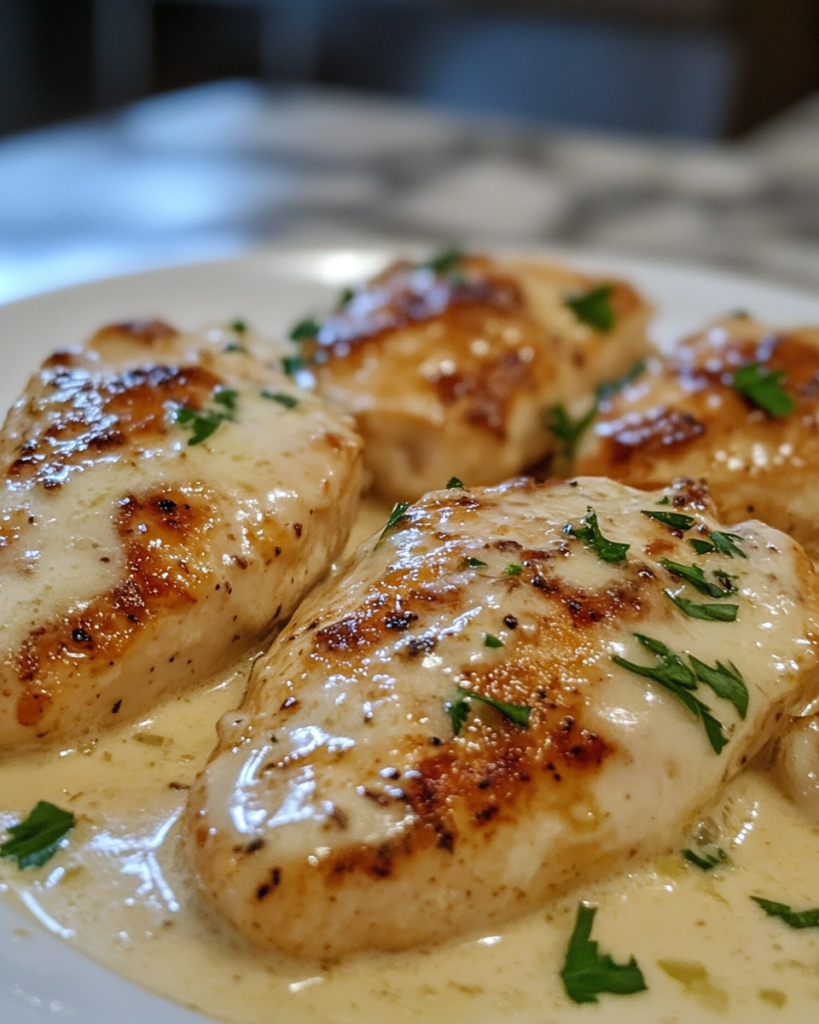
Creamy Garlic Parmesan Chicken is the kind of dinner that fills the kitchen with rich aromas and brings everyone to the table quickly. Tender chicken breasts simmer in a silky parmesan cream sauce packed with garlic, butter, and herbs. The sauce coats every bite with savory flavor while staying smooth and balanced instead of overly heavy.
This dish works beautifully for weeknight dinners, family gatherings, or a relaxed weekend meal. It pairs well with pasta, mashed potatoes, rice, or roasted vegetables, making it one of those dependable recipes that fits almost any occasion. The combination of garlic and parmesan creates deep flavor with simple pantry ingredients, while the cream adds a velvety texture that feels comforting and satisfying.
The chicken stays juicy by cooking gently in the sauce instead of drying out in the pan. A short simmer helps the flavors blend together naturally, creating a rich finish without complicated cooking steps. Even beginner cooks can prepare this recipe successfully with careful timing and steady heat.
Ingredients Overview
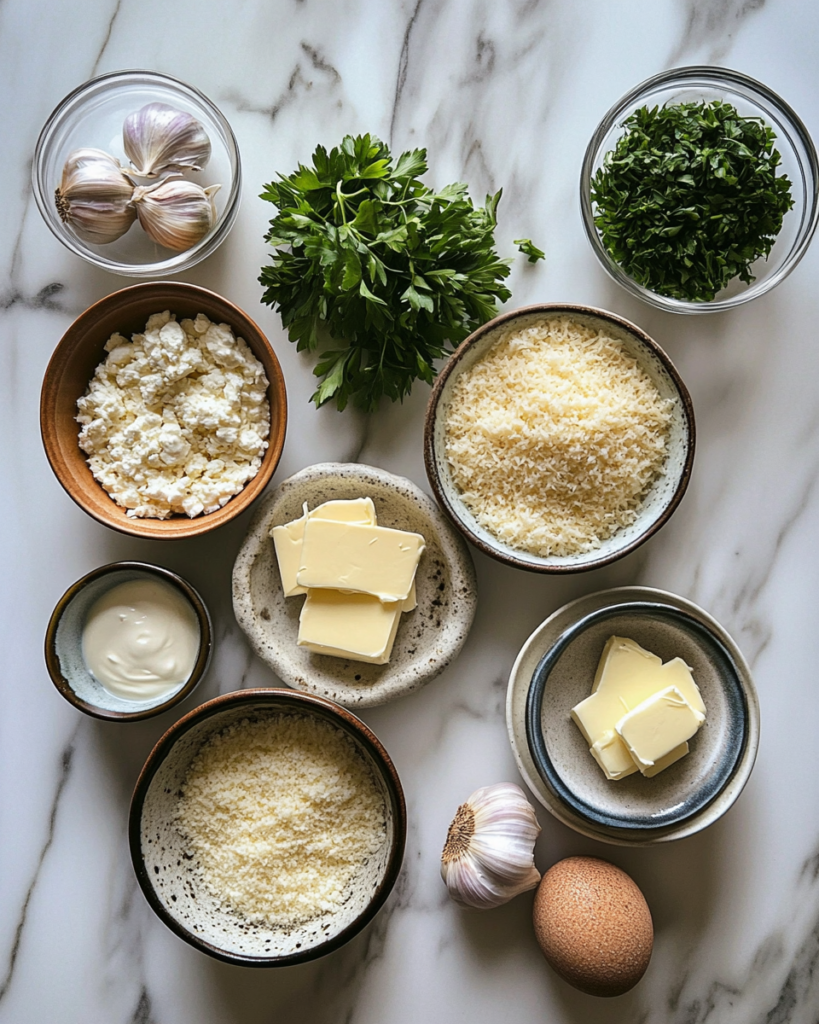
The foundation of Creamy Garlic Parmesan Chicken starts with boneless skinless chicken breasts. They cook quickly and absorb the flavors of the sauce beautifully. Pounding the chicken to an even thickness helps each piece cook evenly while staying tender and moist.
Garlic plays a major role in the flavor of the dish. Fresh garlic delivers the richest taste and blends smoothly into the cream sauce. Pre-minced garlic may work in a pinch, though fresh cloves provide a fuller aroma during cooking.
Heavy cream creates the rich texture that gives this dish its signature character. The fat in the cream keeps the sauce smooth and prevents curdling during simmering. Half-and-half can replace heavy cream for a lighter version, though the sauce will be thinner.
Freshly grated parmesan cheese melts better than packaged shredded cheese. It thickens the sauce naturally while adding a salty nutty flavor. Parmesan also balances the richness of the cream and butter without overpowering the chicken.
Chicken broth adds savory depth and prevents the sauce from becoming overly thick. Italian seasoning brings gentle herb flavor while parsley adds freshness at the end. Butter and olive oil work together for cooking because butter adds flavor while olive oil helps prevent burning.
The overall balance of creamy sauce, savory garlic, and tender chicken creates a meal that tastes rich without becoming too heavy.
Ingredients
4 boneless skinless chicken breasts
1 teaspoon salt
1/2 teaspoon black pepper
1 teaspoon Italian seasoning
1/2 teaspoon paprika
2 tablespoons olive oil
2 tablespoons unsalted butter
6 cloves garlic, minced
1 1/2 cups chicken broth
1 1/2 cups heavy cream
1 cup freshly grated parmesan cheese
1 tablespoon chopped fresh parsley
1/2 teaspoon onion powder
1/4 teaspoon red pepper flakes
8 ounces pasta, mashed potatoes, or rice for serving
Step-by-Step Instructions
Pat the chicken breasts dry with paper towels. If the chicken pieces are thick, gently pound them to an even thickness using a meat mallet or rolling pin. This helps the chicken cook evenly and stay juicy.
Season both sides of the chicken with salt, pepper, paprika, Italian seasoning, and onion powder. Let the chicken rest at room temperature for about 10 minutes before cooking. This helps it cook more evenly in the pan.
Heat a large skillet over medium heat. Add the olive oil and 1 tablespoon of butter. Once the butter melts, place the chicken in the skillet without overcrowding the pan. Cook for about 5 to 6 minutes per side until golden brown and fully cooked. The internal temperature should reach 165 degrees Fahrenheit.
Transfer the cooked chicken to a plate and loosely cover with foil to keep warm. Lower the heat slightly before preparing the sauce so the garlic does not burn.
Add the remaining tablespoon of butter to the skillet. Stir in the minced garlic and cook for about 30 seconds until fragrant. Keep the garlic moving in the pan to avoid bitterness.
Pour in the chicken broth and scrape the browned bits from the bottom of the skillet. These browned pieces contain rich flavor that deepens the sauce. Let the broth simmer for about 3 minutes so it reduces slightly.
Slowly stir in the heavy cream while keeping the heat at medium-low. Avoid boiling the sauce because high heat may cause the dairy to separate. Once the cream is warm, gradually stir in the parmesan cheese until fully melted.
Add the red pepper flakes if using. Simmer the sauce gently for 4 to 5 minutes until slightly thickened. The sauce should coat the back of a spoon without becoming overly thick.
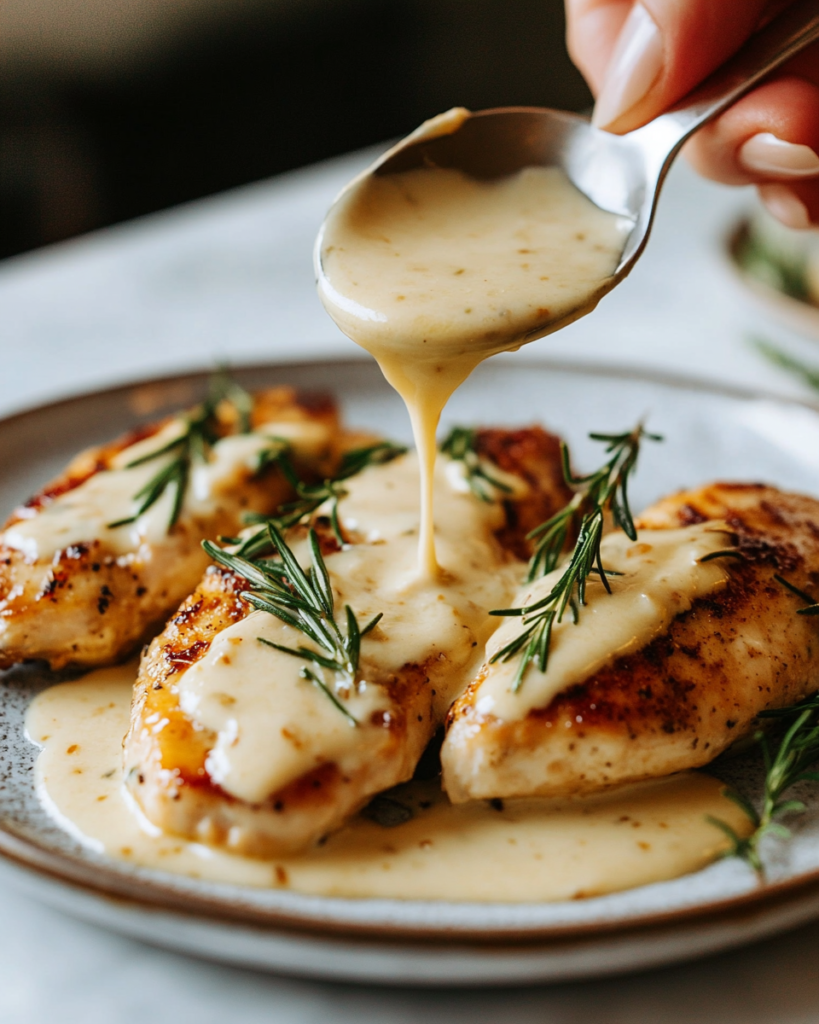
Return the chicken to the skillet and spoon the sauce over the top. Simmer for another 3 to 4 minutes so the chicken absorbs some of the sauce flavor. Sprinkle chopped parsley over the dish before serving.
Serve the chicken with pasta, rice, or mashed potatoes to soak up the creamy garlic parmesan sauce.
One common mistake is using heat that is too high during the sauce stage. Gentle simmering keeps the sauce smooth and creamy. Another mistake is adding parmesan too quickly. Slow stirring helps it melt evenly into the sauce instead of clumping.
Tips, Variations & Substitutions
For extra flavor, add sliced mushrooms or spinach to the skillet before pouring in the cream. Mushrooms bring earthy depth while spinach adds color and freshness.
Chicken thighs can replace chicken breasts if you prefer darker meat. Boneless thighs stay tender and work especially well with creamy sauces. Cooking time may increase slightly depending on thickness.
A lighter version can be prepared with half-and-half instead of heavy cream. The sauce will not be quite as rich, though it still tastes delicious. Some cooks also stir in a spoonful of cream cheese for additional thickness.
Fresh parmesan is strongly recommended because it melts smoothly. Pre-shredded cheese often contains anti-caking ingredients that may create a grainy sauce.
For added texture, crispy bacon pieces can be sprinkled over the finished dish. Sun-dried tomatoes also pair nicely with the garlic parmesan flavor profile.
If serving with pasta, reserve a small amount of pasta water. A splash of pasta water helps loosen the sauce if it thickens too much while sitting.
Leftovers should be stored in an airtight container in the refrigerator for up to three days. Reheat gently over low heat to keep the sauce creamy.
Serving Ideas & Occasions
Creamy Garlic Parmesan Chicken pairs beautifully with buttery mashed potatoes, fettuccine, roasted broccoli, or garlic bread. The creamy sauce complements mild side dishes that can absorb the savory flavor.
For a lighter plate, serve the chicken with steamed green beans, asparagus, or a crisp green salad with lemon dressing. The fresh vegetables balance the richness of the sauce nicely.
This recipe works wonderfully for family dinners because it feels comforting while remaining simple to prepare. It is also a strong choice for casual dinner parties since the creamy sauce feels elegant without requiring complicated preparation.
Warm dinner rolls and sparkling water with lemon make simple additions that complete the meal. During colder months, this dish feels especially comforting thanks to its creamy texture and rich garlic aroma.
Nutritional & Health Notes
Creamy Garlic Parmesan Chicken contains a balanced combination of protein, fats, and carbohydrates when paired with pasta, rice, or vegetables. Chicken breast provides lean protein that helps make the dish filling and satisfying.
The parmesan cheese contributes calcium and savory depth while heavy cream creates the rich texture associated with classic comfort food. Because the sauce is rich, moderate portion sizes help keep the meal balanced.
Adding vegetables like spinach, broccoli, or asparagus increases fiber and freshness while complementing the creamy sauce naturally. Using lower-sodium chicken broth can help reduce overall salt content.
This dish is naturally low in sugar and can fit into several meal styles depending on the side dishes served alongside it. Serving with roasted vegetables instead of pasta creates a lighter overall meal while still keeping the dish hearty and flavorful.
FAQs
Can I prepare Creamy Garlic Parmesan Chicken ahead of time?
Yes, this dish can be prepared ahead for easier meal planning. Cook the chicken and sauce fully, then allow everything to cool before storing in an airtight container in the refrigerator. When reheating, place the chicken and sauce in a skillet over low heat. Stir occasionally and add a splash of broth or cream if the sauce thickens too much during storage.
Avoid reheating over high heat because cream sauces may separate when overheated. The flavor often becomes even richer after resting overnight since the garlic and parmesan continue blending together. This recipe stays freshest within three days.
What type of parmesan cheese works best?
Freshly grated parmesan cheese is the strongest choice for this recipe because it melts smoothly into the sauce. Block parmesan grated at home produces a creamier texture and fuller flavor than packaged shredded cheese.
Pre-shredded cheese often contains additives that may create a grainy texture in hot sauces. Finely grating the cheese also helps it melt more evenly and quickly. Parmesan brings both saltiness and thickness to the sauce, so taste before adding additional salt.
If parmesan is unavailable, pecorino romano may work as a substitute, though it has a sharper and saltier flavor profile.
Can I freeze Creamy Garlic Parmesan Chicken?
Freezing is possible, though cream-based sauces sometimes change texture after thawing. For stronger results, freeze the cooked chicken separately from the sauce whenever possible. Store everything in freezer-safe containers for up to two months.
Thaw overnight in the refrigerator before reheating slowly on the stovetop. Stirring gently while warming helps bring the sauce back together. A small splash of cream or broth may improve consistency after thawing.
Although the flavor remains delicious, freshly prepared sauce will usually have the smoothest texture compared to frozen and reheated versions.
How can I keep the chicken tender?
Cooking the chicken evenly is the main key to tenderness. Pounding thick chicken breasts to an even thickness helps prevent dry edges while the center finishes cooking. Medium heat also works better than very high heat because it allows steady cooking without burning the outside.
Using a meat thermometer helps avoid overcooking. Remove the chicken once it reaches 165 degrees Fahrenheit. Letting the chicken simmer briefly in the sauce afterward also keeps it moist and flavorful.
Resting the cooked chicken for a few minutes before serving helps the juices stay inside instead of running onto the plate.
Can I add vegetables to the dish?
Yes, several vegetables pair nicely with the creamy garlic parmesan sauce. Spinach, mushrooms, broccoli, peas, and sun-dried tomatoes are especially popular additions. Mushrooms should be sautéed before adding liquid so they develop richer flavor.
Spinach can be stirred into the sauce near the end of cooking because it wilts quickly. Broccoli or asparagus may be steamed separately and served alongside the chicken.
Vegetables add texture and freshness that balance the richness of the cream sauce while also making the meal more filling and colorful.
What pasta pairs best with this recipe?
Fettuccine is a classic pairing because the broad noodles hold creamy sauces beautifully. Linguine, penne, and spaghetti also work well. Short pasta shapes like penne catch bits of garlic and parmesan inside each piece.
Cook the pasta until just tender and reserve a little pasta water before draining. Mixing the pasta directly into the sauce helps coat every piece evenly. A splash of pasta water can loosen the sauce if it becomes too thick.
Rice and mashed potatoes are also delicious alternatives if you prefer something other than pasta.
Why did my sauce become grainy?
A grainy sauce usually happens when the heat is too high or the cheese is added too quickly. Parmesan melts best over gentle heat with slow stirring. Boiling the cream can also cause separation.
For smoother sauce, lower the heat before adding cheese and stir gradually until fully melted. Freshly grated parmesan also creates a silkier consistency than packaged shredded cheese.
If the sauce thickens too much, stirring in a small splash of warm broth or cream may help smooth the texture. Careful heat control throughout cooking produces the richest and creamiest results.