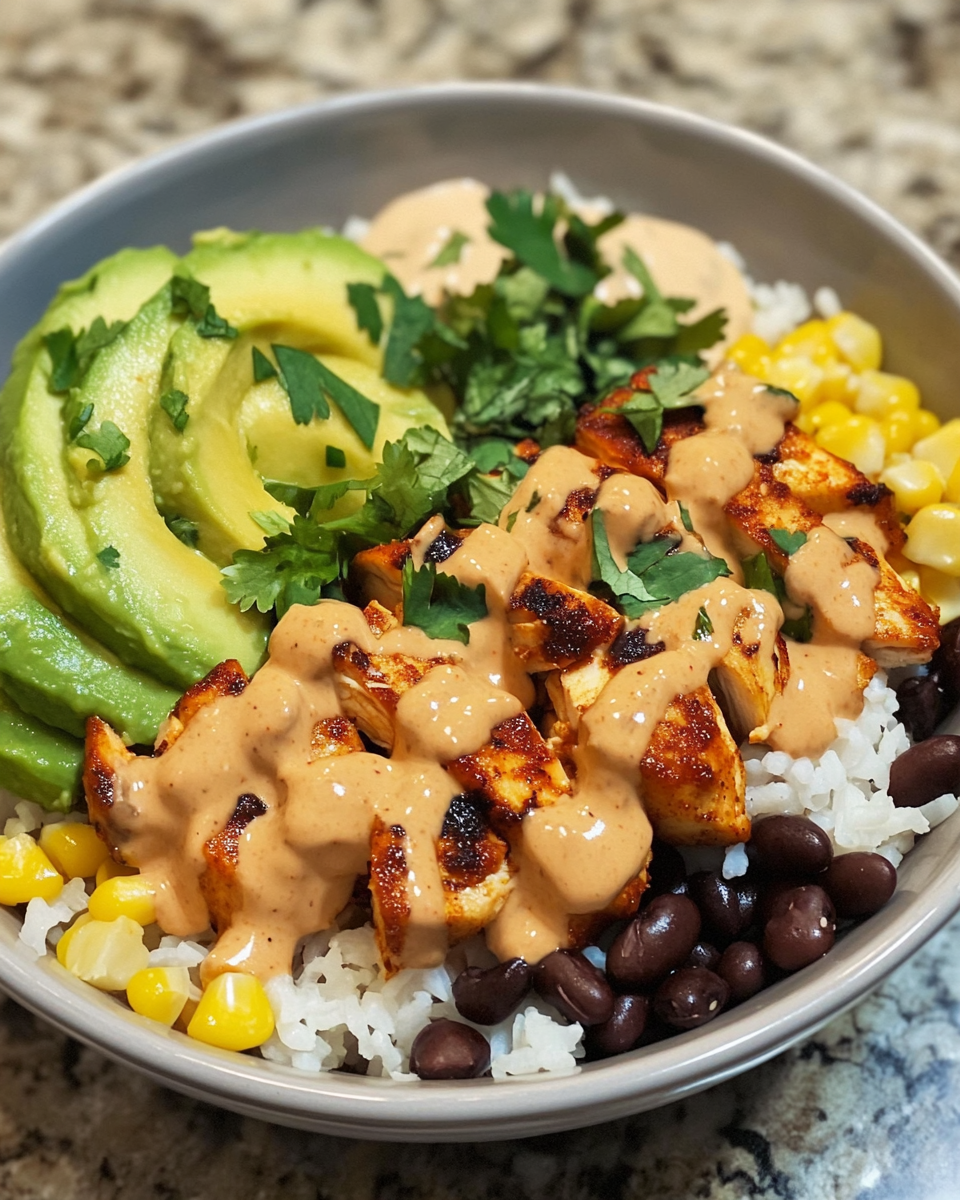
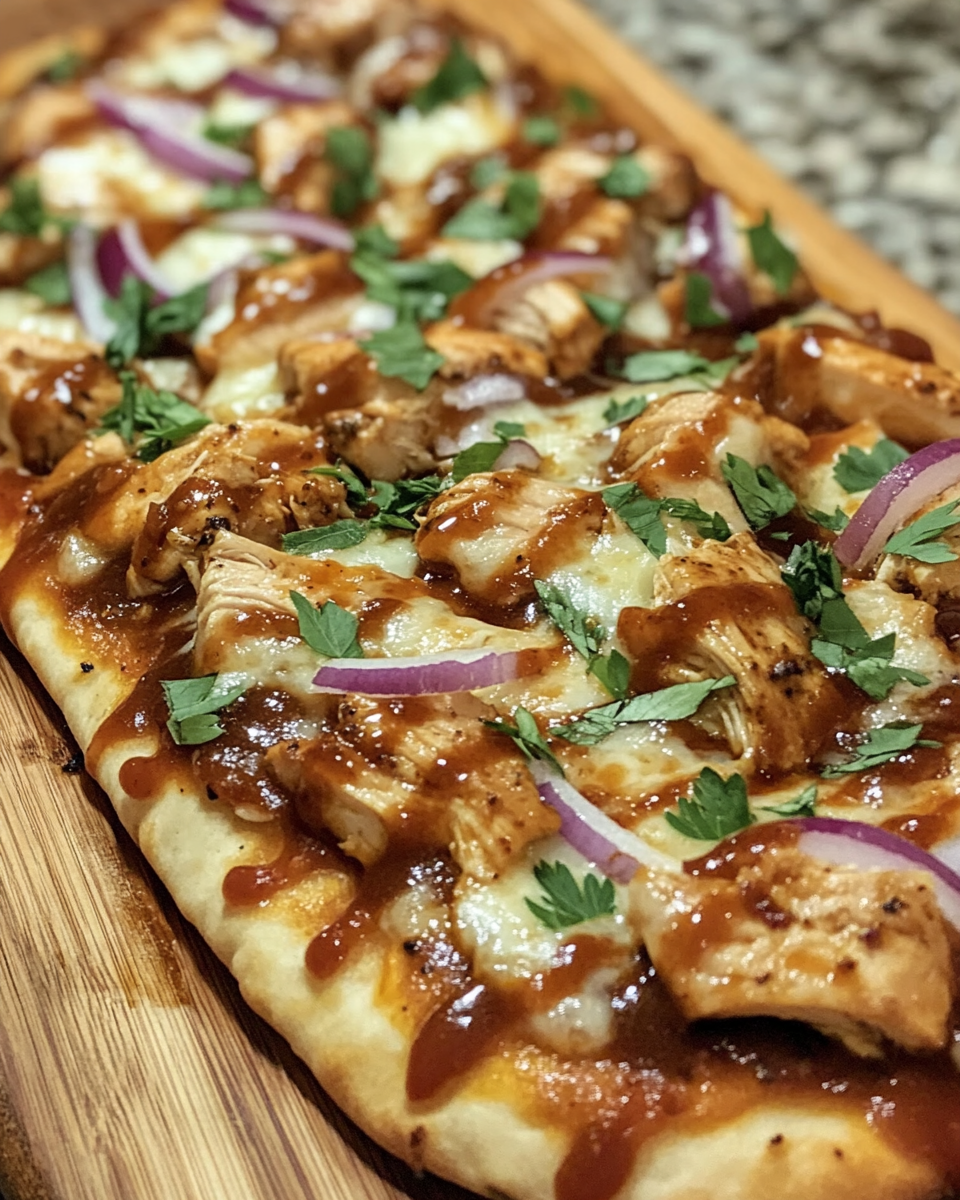
A Chicken Veggie Sheet Pan Dinner is the kind of recipe that brings comfort and ease together in a single pan. Juicy chicken roasts alongside colorful vegetables, creating a balanced meal with minimal effort and maximum flavor. The oven does most of the work, leaving you with tender protein, caramelized edges, and a wholesome dinner ready to serve.
This dish fits busy weeknights, relaxed weekends, and meal prep routines. Everything cooks together, which means fewer dishes and consistent flavor in every bite. The combination of seasoning, roasting heat, and natural vegetable sweetness creates a satisfying result without complicated steps.
Ingredients Overview

The foundation of a Chicken Veggie Sheet Pan Dinner starts with boneless chicken pieces. Chicken thighs or breasts both work well, though thighs tend to stay juicier during roasting. The seasoning blend typically includes olive oil, garlic, paprika, salt, pepper, and herbs such as thyme or oregano. These ingredients build savory depth while allowing the natural flavor of the chicken to stand out.
Vegetables play a major role in texture and balance. Bell peppers add sweetness and color, zucchini brings softness, and red onion contributes a mild sharpness that mellows as it roasts. Carrots or baby potatoes can be added for extra heartiness and help turn the dish into a full meal.
Olive oil helps everything roast evenly and encourages browning. A touch of lemon juice or vinegar can brighten the flavor at the end. Some versions include a light sprinkle of Parmesan or a drizzle of balsamic glaze for added depth.
Ingredient flexibility is one of the strengths of this dish. Broccoli can replace zucchini, sweet potatoes can stand in for regular potatoes, and green beans can be used for a lighter texture. The seasoning can also shift based on preference, from smoky spice blends to herb-forward mixes.
When combined, the chicken absorbs seasoning while the vegetables release natural juices. This creates a unified flavor profile across the entire sheet pan without needing separate cooking methods.
Ingredients
1 ½ pounds boneless skinless chicken thighs or breasts, cut into chunks
2 tablespoons olive oil
3 cloves garlic, minced
1 teaspoon paprika
1 teaspoon dried oregano
1 teaspoon salt
½ teaspoon black pepper
1 tablespoon lemon juice
1 red bell pepper, sliced
1 yellow bell pepper, sliced
1 medium zucchini, sliced into half-moons
1 red onion, cut into wedges
2 medium carrots, sliced
1 cup baby potatoes, halved
1 tablespoon olive oil (for vegetables)
½ teaspoon salt (for vegetables)
¼ teaspoon black pepper (for vegetables)
1 teaspoon dried thyme
Step-by-Step Instructions

Start by heating the oven to 425°F. A hot oven helps create browning on both the chicken and vegetables while keeping the inside tender. Line a large sheet pan with parchment paper or lightly coat it with oil to prevent sticking.
Place the chicken pieces in a large bowl. Add olive oil, garlic, paprika, oregano, salt, black pepper, and lemon juice. Mix thoroughly so each piece is evenly coated. Let it rest for a few minutes while you prepare the vegetables. This short marinating time allows the seasoning to begin absorbing into the chicken.
Prepare the vegetables by slicing them into even-sized pieces. Consistent sizing helps everything cook at the same rate. Place bell peppers, zucchini, onion, carrots, and baby potatoes into another bowl. Drizzle with olive oil, salt, black pepper, and thyme. Toss until evenly coated.
Spread the vegetables across the sheet pan in a single layer. Leave space between pieces so they roast instead of steaming. Add the seasoned chicken pieces on top and around the vegetables, distributing them evenly across the pan.
Place the sheet pan in the oven and roast for 25 to 30 minutes. Halfway through cooking, gently stir the vegetables and turn the chicken pieces for even browning. The chicken is ready when it reaches a firm texture and juices run clear, while the vegetables are tender with lightly browned edges.
If additional browning is desired, switch the oven to broil for the final 2 to 3 minutes. Watch closely to avoid overcooking.
Remove the pan from the oven and let it rest for a few minutes. This helps the juices settle into the chicken and keeps everything moist. Serve directly from the pan for a casual meal or transfer to a serving platter for a more polished presentation.
Tips, Variations & Substitutions
Cutting vegetables into similar sizes is one of the most important steps for even cooking. Larger pieces should go on the outer edges of the pan since they take slightly longer to roast, while smaller pieces can stay closer to the center.
For added flavor variety, try different seasoning blends. A smoky spice mix works well for a deeper flavor profile, while Italian seasoning creates a more herb-forward taste. A light honey glaze can also be added near the end of cooking for mild sweetness.
Protein swaps work well in this recipe. Turkey breast, sausage slices, or tofu can replace chicken while still pairing well with roasted vegetables. Cooking times may vary slightly depending on the protein used.
For extra crisp edges, avoid overcrowding the pan. If needed, use two sheet pans instead of one. This allows hot air to circulate properly and improves browning.
Fresh herbs such as parsley or basil can be sprinkled on after cooking for a bright finish. A squeeze of lemon right before serving also helps lift the overall flavor.
Serving Ideas & Occasions
This dish works well as a complete meal on its own, but it also pairs nicely with simple sides. Rice, quinoa, or couscous can be served underneath the chicken and vegetables to soak up the pan juices. Crusty bread is another option for a more filling plate.
A light salad with greens and vinaigrette complements the roasted flavors without overpowering them. For beverages, iced tea, sparkling water with citrus, or a light white wine pairs well.
Chicken Veggie Sheet Pan Dinner is ideal for weeknight meals, family dinners, or meal prep for the week ahead. It stores well and reheats easily, making it practical for busy schedules.
Nutritional & Health Notes
This meal provides a balanced combination of protein, fiber, and healthy fats. Chicken supplies lean protein, while vegetables contribute vitamins, minerals, and natural fiber. Olive oil adds healthy fats that support satiety and flavor.
Because the dish relies on roasting rather than frying, it keeps added fat relatively moderate. The variety of vegetables also supports a nutrient-dense plate with a wide range of colors and textures.
Portion sizes can be adjusted depending on dietary needs. Increasing vegetables while slightly reducing chicken creates a lighter meal, while adding potatoes or grains increases energy density.
FAQs
Can I use chicken breast instead of thighs?
Yes, chicken breast works well in this recipe. It is leaner than thighs, so it may cook slightly faster. To avoid dryness, cut the pieces into even sizes and avoid overcooking. Keeping an eye on the texture near the end of roasting helps maintain tenderness. A short resting period after baking also helps retain juices inside the meat.
What vegetables work best in this sheet pan meal?
Bell peppers, zucchini, carrots, onions, and potatoes are commonly used because they roast well together. However, broccoli, green beans, and sweet potatoes are also strong options. The key is choosing vegetables with similar cooking times or cutting them into sizes that allow even roasting. Softer vegetables should be added in larger chunks.
Can I prepare this meal ahead of time?
Yes, you can prepare the chicken and vegetables a few hours ahead and store them separately in the refrigerator. When ready to cook, simply arrange everything on the sheet pan and roast. This makes the recipe practical for busy evenings while still delivering fresh flavor and texture.
How do I keep vegetables from turning soggy?
Spacing is important. Vegetables should be placed in a single layer without overlapping. Using a hot oven also helps moisture evaporate quickly, encouraging browning instead of steaming. Drying vegetables after washing and avoiding excess oil can further improve texture.
Can I add sauce to this dish?
Yes, light sauces work well. A drizzle of balsamic glaze, garlic butter, or lemon herb dressing can be added after roasting. It is best to apply sauces at the end so the vegetables and chicken maintain their roasted texture during cooking.
How long does leftovers last?
Leftovers can be stored in an airtight container in the refrigerator for up to three days. Reheating in an oven or skillet helps maintain texture better than a microwave. Adding a small splash of water or broth during reheating can prevent dryness.
Can I make this dish spicy?
Yes, spice can be added easily. Red pepper flakes, cayenne pepper, or a spicy seasoning blend can be mixed into the chicken marinade or sprinkled over the vegetables. Adjust the heat level based on personal preference while keeping balance with the roasted flavors.