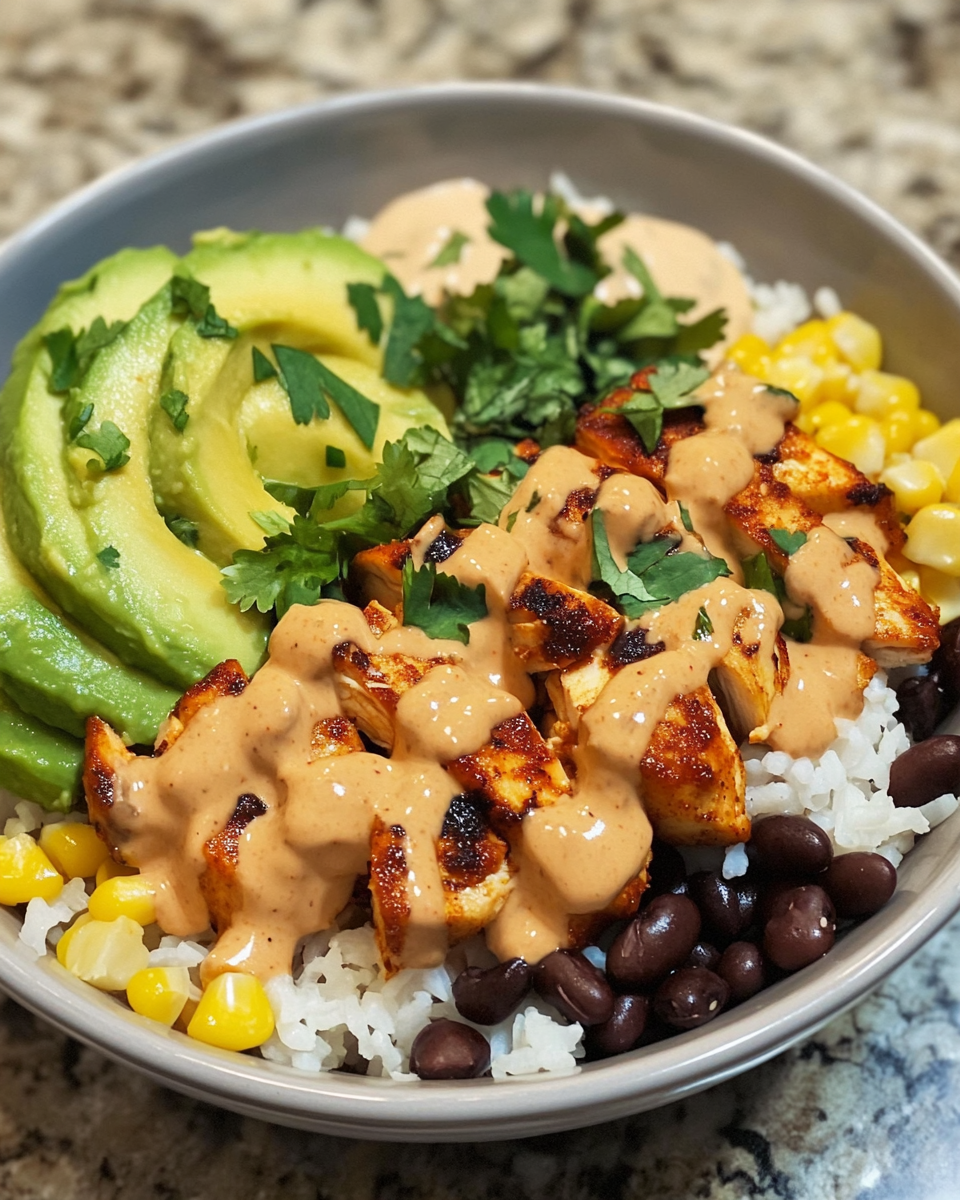
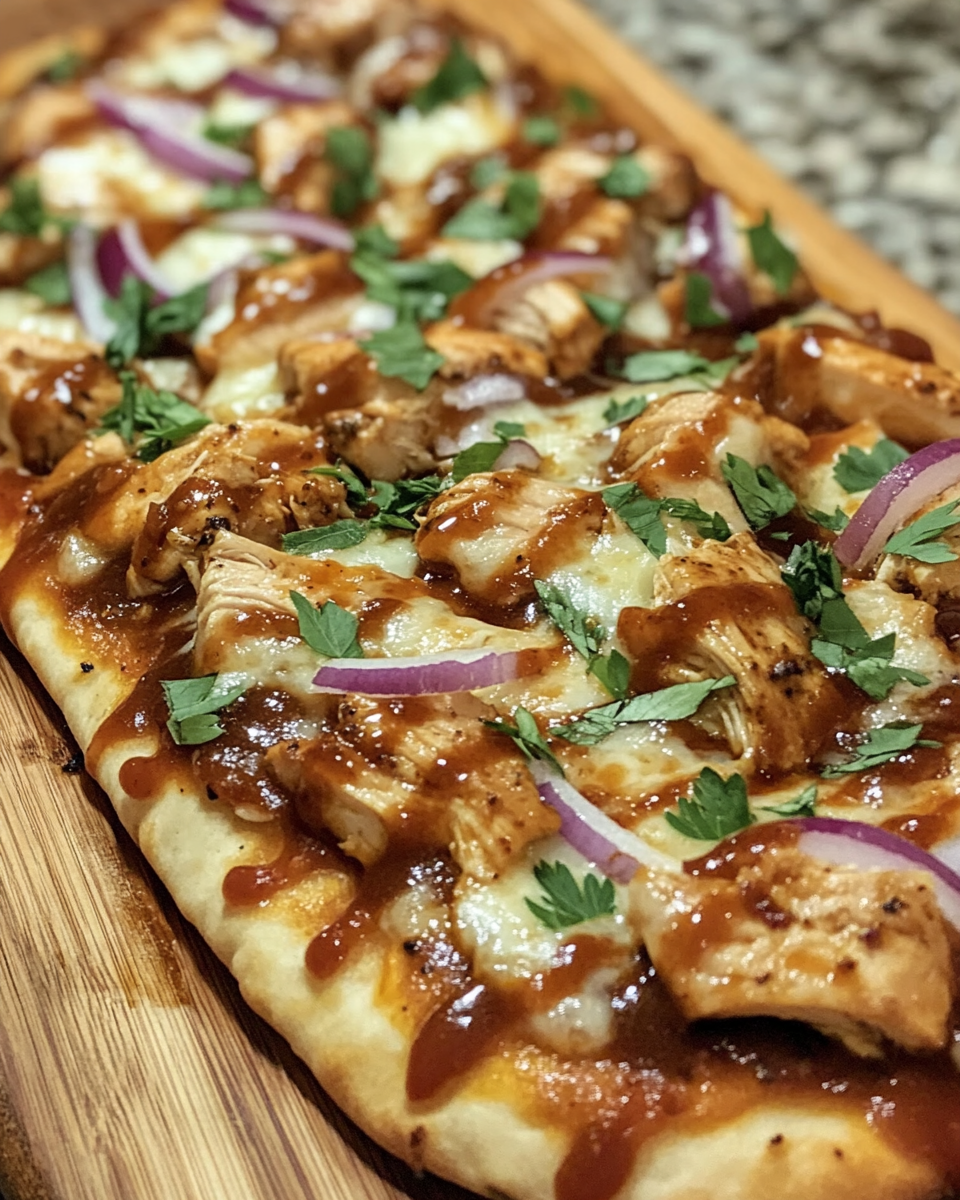
One-pan meals often become kitchen staples because they bring together convenience and deep flavor in a single dish. Garlic Butter Chicken Rice Skillet is one of those recipes that turns basic pantry ingredients into a rich, comforting dinner with minimal cleanup. Tender chicken, fragrant garlic, buttery rice, and a lightly seasoned broth all cook together in one skillet, allowing every element to absorb flavor from the others.
This dish is built for busy evenings when time is short but a satisfying meal still matters. The rice cooks directly in the skillet with the chicken, soaking up savory juices and butter as it simmers. The garlic infuses the entire dish, while the chicken stays juicy and well-seasoned. It’s a balanced combination of protein, carbs, and richness that feels complete on its own but also pairs well with simple sides.
Unlike separate cooking methods that keep ingredients isolated, this approach layers flavor step by step in a single pan. The result is a cohesive dish where every bite carries a mix of buttery rice and well-seasoned chicken.
Ingredients Overview

The foundation of this recipe is boneless chicken, which provides a tender, protein-rich base. Chicken thighs are often preferred because they stay juicy during cooking, but chicken breast also works well if monitored closely to prevent drying out. Seasoning the chicken early allows salt, pepper, and spices to penetrate the surface, building flavor from the start.
Garlic plays a central role, offering aroma and depth. Fresh minced garlic is best because it releases oils that blend into the butter and broth. Cooking it briefly in butter softens its sharpness and creates a warm base for the rice.
Butter adds richness and helps carry the garlic flavor throughout the skillet. It also gives the rice a silky finish as it absorbs the cooking liquid. Using unsalted butter gives more control over seasoning.
Rice acts as the heart of the dish. Long-grain white rice is ideal because it cooks evenly and stays separate rather than turning sticky. As it simmers in broth, it absorbs chicken juices and butter, creating a flavorful base.
Chicken broth provides moisture and depth. It replaces plain water to give the rice more savory character. Low-sodium broth is often preferred so seasoning can be adjusted gradually.
Aromatics like onion add mild sweetness and structure, balancing the richness of butter. Optional additions such as parsley or lemon juice can brighten the final dish, cutting through the richness and adding freshness.
Together, these ingredients create a layered skillet meal where each component supports the next without overpowering it.
Ingredients
2 boneless, skinless chicken breasts, cut into bite-sized pieces
1 1/2 cups long-grain white rice
3 cups chicken broth
4 tablespoons unsalted butter
5 cloves garlic, minced
1 small onion, finely chopped
1 teaspoon salt
1/2 teaspoon black pepper
1 teaspoon paprika
1/2 teaspoon dried thyme
2 tablespoons olive oil
1/2 cup frozen peas (optional)
2 tablespoons chopped fresh parsley
1 tablespoon lemon juice (optional)
Step-by-Step Instructions

Start by preparing all ingredients before cooking begins. Cut the chicken into even pieces so they cook at the same rate. Rinse the rice under cold water until the water runs clearer, which helps remove excess starch and improves texture.
Place a large skillet over medium heat and add olive oil. Once the oil warms, add the chicken pieces in a single layer. Let them cook without frequent stirring so they develop a light golden surface. This step builds flavor at the base of the dish. Cook until the chicken is mostly done but not fully cooked through, then transfer it to a plate.
In the same skillet, reduce the heat slightly and add butter. Once melted, add chopped onion and cook until softened. Stir in minced garlic and cook briefly until fragrant. Avoid letting the garlic brown too much, as it can turn bitter.
Add the rinsed rice directly into the skillet. Stir well so each grain is coated in butter and garlic. This step helps the rice absorb flavor during cooking. Sprinkle in paprika, thyme, salt, and pepper, stirring to distribute evenly.
Pour in the chicken broth and bring the mixture to a gentle simmer. Stir once, then return the chicken to the skillet, placing it evenly over the rice. Cover the skillet with a lid and reduce the heat to low.
Let the mixture cook slowly so the rice absorbs the liquid. This usually takes around 15 to 18 minutes. Avoid lifting the lid too often, as steam helps cook the rice properly. When the liquid is mostly absorbed and the rice is tender, check for doneness.
If using peas, add them during the last few minutes of cooking so they warm through without overcooking. Once done, turn off the heat and let the skillet rest covered for a few minutes. This helps the rice settle and absorb any remaining moisture.
Finish by gently fluffing the rice with a fork. Stir in chopped parsley and a small splash of lemon juice if desired. The final dish should be creamy, aromatic, and evenly blended.
Tips, Variations & Substitutions
Chicken thighs can be used instead of chicken breast for a richer texture and slightly deeper flavor. If using thighs, cooking time may need slight adjustment to allow full doneness.
Brown rice can replace white rice, but it requires additional broth and a longer cooking time. Keep the skillet covered and monitor liquid levels during simmering.
For added vegetables, diced carrots, bell peppers, or spinach can be added along with the rice or near the end of cooking depending on desired texture.
Smoked paprika can replace regular paprika for a deeper flavor profile. A small pinch of chili flakes can add gentle heat without overpowering the dish.
If butter is reduced, a little extra olive oil can help maintain moisture and prevent the rice from drying out.
Serving Ideas & Occasions
This skillet dish works well as a complete dinner on its own, but it can also be paired with light sides such as a simple green salad or steamed vegetables. The richness of the rice and chicken pairs nicely with crisp textures.
It is commonly served as a weeknight dinner because it requires minimal preparation and cooks in one pan. It also works well for casual family meals or meal prep, since the flavors hold up well when reheated.
For gatherings, it can be placed directly in the center of the table in the skillet, making it easy to serve and share.
Nutritional & Health Notes
This dish provides a balanced mix of protein from chicken and carbohydrates from rice, making it a filling meal. Butter contributes richness and calories, while also enhancing flavor.
Using chicken breast keeps the dish leaner, while chicken thighs add more fat content and a softer texture. The addition of peas or other vegetables increases fiber and micronutrient content.
Portion control can help balance calorie intake, especially when serving alongside additional sides. Using low-sodium broth allows better control over salt levels.
Overall, it is a satisfying meal that can fit into a variety of eating patterns depending on ingredient choices.
FAQs
Can I use brown rice instead of white rice?
Brown rice can be used in place of white rice, but it requires more liquid and a longer cooking time. It typically takes around 35 to 45 minutes to cook fully. You may need to add extra broth during cooking to keep the skillet from drying out. The texture will be slightly firmer and nuttier compared to white rice, but it still absorbs the garlic butter flavors well. Keeping the skillet covered during cooking is important to allow steady steaming and even softening of the grains.
What type of chicken works best for this recipe?
Both chicken breast and chicken thighs work well in this dish. Chicken breast offers a leaner option and cooks quickly, but it should be monitored closely to avoid dryness. Chicken thighs provide more moisture and a richer flavor due to higher fat content. They also remain tender even if slightly overcooked. Cutting the chicken into even pieces helps ensure uniform cooking regardless of the cut chosen. Either option blends well with the garlic butter rice base.
Can I make this dish ahead of time?
This skillet meal can be prepared ahead and stored in the refrigerator for a few days. The flavors often deepen after resting, making leftovers enjoyable. When reheating, adding a small splash of broth or water helps restore moisture in the rice. Heating gently on the stovetop or microwave works well. Stirring occasionally during reheating helps distribute heat evenly. It is best stored in an airtight container to maintain freshness and prevent drying out.
How do I prevent the rice from turning mushy?
Rinsing the rice before cooking is important because it removes excess starch that can cause stickiness. Using the correct ratio of liquid to rice also helps maintain proper texture. Avoid stirring the rice too often once it begins simmering, as this can break the grains. Keeping the lid on during cooking allows steady steam absorption. Once the liquid is absorbed, letting the dish rest off heat for a few minutes helps the rice firm up slightly.
Can I add more vegetables to this dish?
Yes, additional vegetables can be included based on preference. Diced carrots, bell peppers, zucchini, or spinach work well. Firmer vegetables like carrots should be added earlier in the cooking process, while softer greens like spinach should be added near the end. Frozen peas are a convenient option and can be stirred in during the final minutes of cooking. Adding vegetables increases color, texture, and nutritional value without changing the core structure of the dish.
What can I use instead of butter?
If butter is not available, olive oil is a suitable replacement. It provides moisture and helps carry the garlic flavor, though the dish will have a slightly lighter taste. A combination of olive oil and a small amount of margarine can also be used. While butter adds richness, olive oil keeps the dish closer to a lighter profile. Adjust seasoning slightly when making substitutions to maintain balance in flavor.
Why is my rice undercooked even after cooking time?
If the rice remains firm after the suggested cooking time, it usually means there is not enough liquid or the heat was too high during cooking. Adding a small amount of warm broth and covering the skillet again allows the rice to continue steaming. Cooking on low heat is important so the rice absorbs liquid gradually. Different brands of rice may also vary slightly in cooking time, so adjustments may be needed depending on the type used.