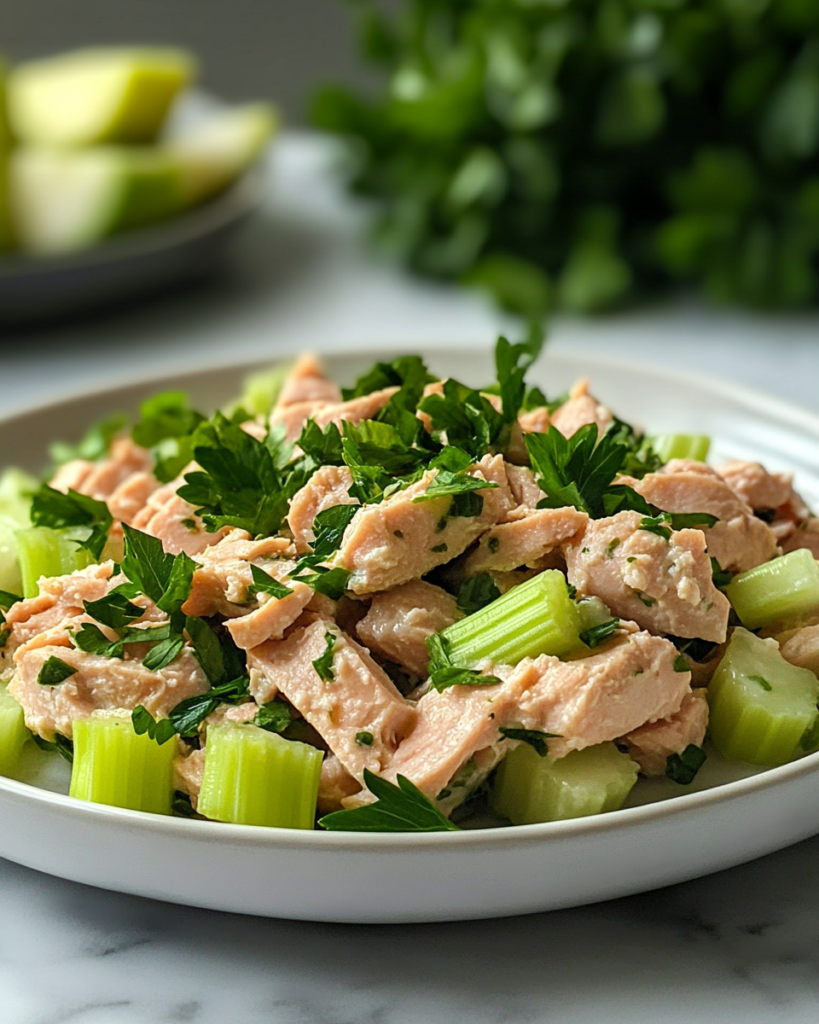
A bowl of tuna salad with Greek yogurt brings together clean flavor, creamy texture, and steady protein in a way that fits into quick lunches, meal prep boxes, and light dinners. The tuna salad with Greek yogurt keeps things smooth and satisfying without heavy mayonnaise, letting the natural taste of tuna stand out while still feeling rich and filling.
This tuna salad with Greek yogurt works well for sandwiches, lettuce wraps, or straight from a bowl with crunchy vegetables on the side. It comes together in minutes, making it a dependable option when time is short but a balanced meal is still the goal.
The combination of flaky tuna, thick Greek yogurt, and crisp add-ins creates contrast in every bite. Fresh herbs, a touch of acidity, and a bit of crunch round out the mix, turning basic pantry ingredients into something practical and enjoyable any day of the week.
Ingredients Overview
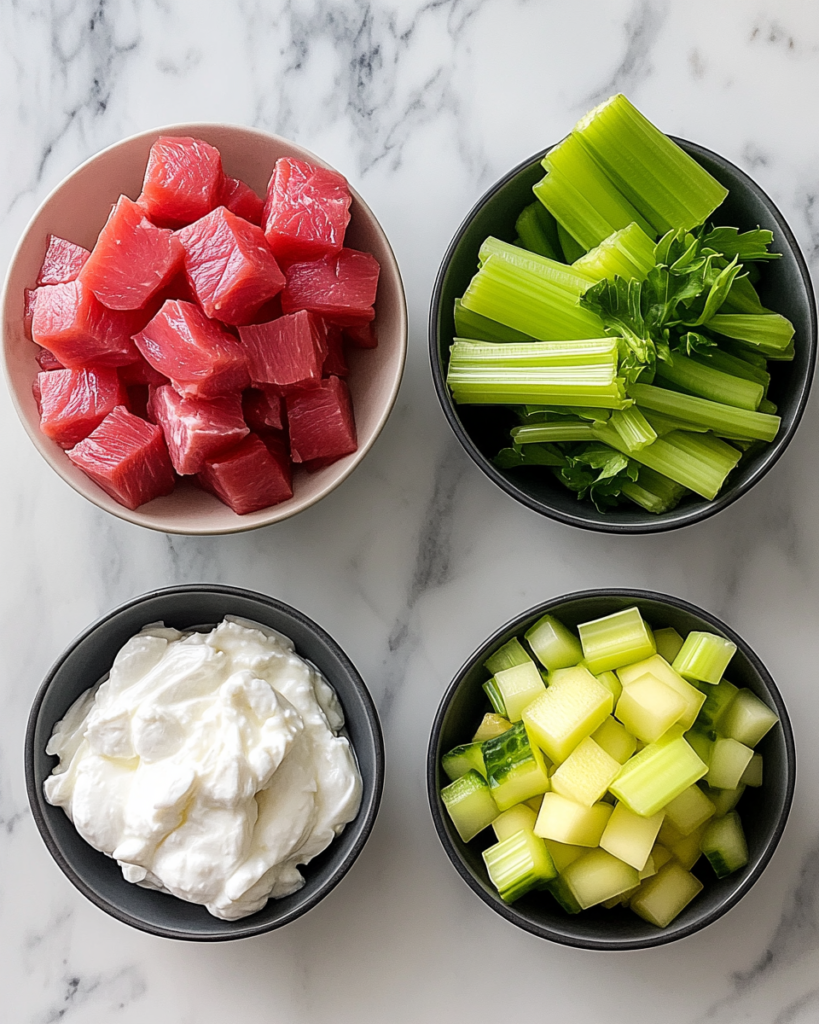
Tuna is the foundation of this recipe. Canned tuna packed in water is commonly used because it has a lighter texture and blends well with creamy ingredients. Tuna packed in oil can also be used for a richer result, though it slightly changes the overall balance of the salad.
Greek yogurt replaces mayonnaise and gives the mixture a thick, creamy consistency with a mild tang. Full-fat Greek yogurt creates a smoother texture, while low-fat versions make the mixture lighter. Both work well depending on personal preference.
Crunch comes from celery, red onion, and optional pickles. These ingredients bring structure to the soft tuna base and prevent the salad from feeling one-dimensional. Finely chopping them helps distribute flavor evenly throughout the bowl.
Lemon juice adds brightness and helps balance the creaminess of the yogurt. A small amount of Dijon mustard can be included for depth, though it is optional. Salt and black pepper are essential for seasoning and bringing all components together.
Fresh herbs like parsley or dill introduce a green, aromatic note that lifts the overall flavor. These herbs are flexible and can be adjusted based on what is available.
Optional add-ins such as chopped cucumber, shredded carrots, or even cooked chickpeas can extend the salad or adjust texture. Each variation keeps the base structure intact while offering different bite experiences.
Ingredients
2 cans tuna in water, drained (5 ounces each)
1/2 cup plain Greek yogurt
1 tablespoon lemon juice
1 teaspoon Dijon mustard
1/3 cup celery, finely chopped
1/4 cup red onion, finely chopped
2 tablespoons fresh parsley, chopped
1 tablespoon dill, chopped
1/4 teaspoon salt
1/4 teaspoon black pepper
1 tablespoon pickle, finely chopped (optional)
1/2 cucumber, diced (optional for serving)
Lettuce leaves or bread for serving
Step-by-Step Instructions
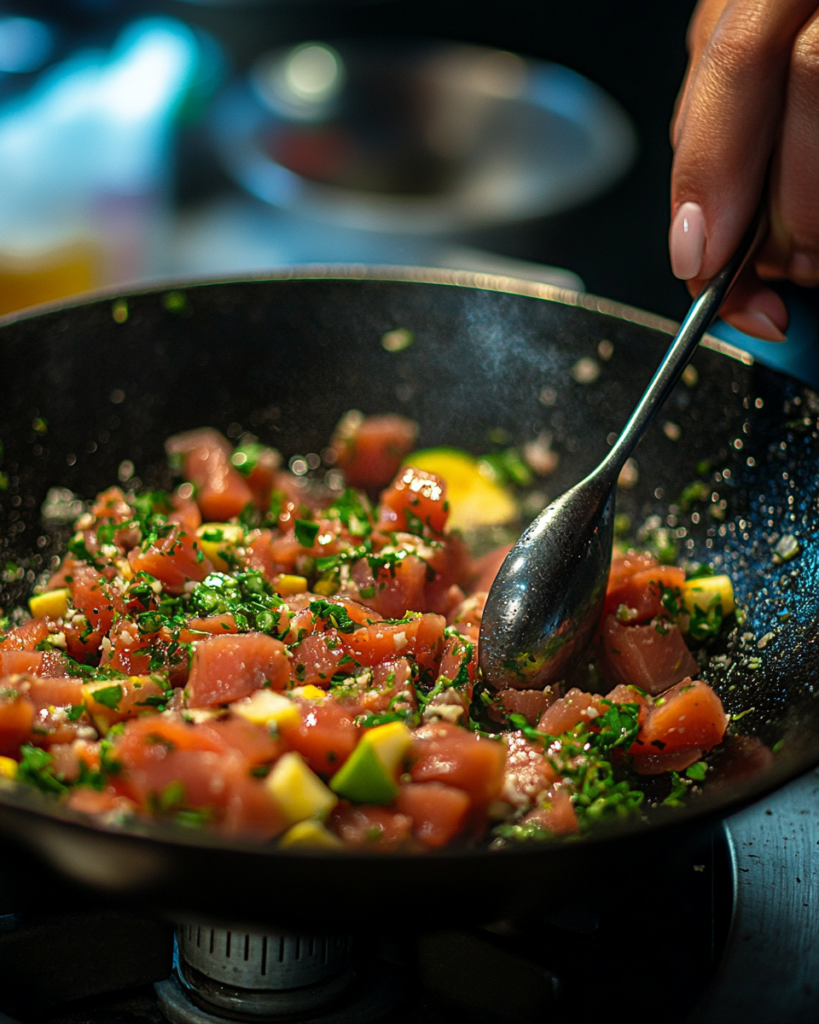
Start by draining the canned tuna thoroughly. Place it in a medium mixing bowl and break it apart with a fork until the texture becomes flaky and even. This step helps the tuna mix more smoothly with the creamy base and prevents large clumps.
Add the Greek yogurt to the bowl. Stir gently to coat the tuna evenly. The mixture should start to take on a creamy consistency without becoming too loose. If the tuna seems dry, add a small spoon of yogurt at a time until the texture feels balanced.
Pour in the lemon juice and Dijon mustard if using. Stir again to distribute the acidity and subtle sharpness throughout the mixture. These ingredients help balance the richness of the yogurt and bring structure to the overall flavor.
Add the chopped celery, red onion, parsley, dill, and optional pickles. Mix until the vegetables are evenly spread through the tuna mixture. The goal is to create consistent texture in every bite, so take time to fold the ingredients gently rather than stirring too vigorously.
Season with salt and black pepper. Taste the mixture and adjust seasoning if needed. Small adjustments at this stage make a noticeable difference in the final result, especially since tuna can vary in saltiness depending on the brand.
Let the mixture rest for a few minutes before serving. This short resting time allows the flavors to settle and blend together. The texture will also thicken slightly as the yogurt absorbs some of the moisture from the tuna and vegetables.
Serve the tuna salad with Greek yogurt in lettuce cups, on toasted bread, or over a bed of chopped vegetables. It also works well in wraps or as a protein topping for grain bowls. Keep it chilled if not serving immediately.
Tips, Variations & Substitutions
For a creamier texture, full-fat Greek yogurt works best, while low-fat versions create a lighter consistency. If the mixture becomes too thick, a small splash of lemon juice can loosen it without affecting flavor balance.
Adding chopped apples or grapes introduces a mild sweetness that contrasts with the savory base. For a more savory direction, extra pickles or capers can be included for sharper notes.
Fresh herbs can be adjusted based on availability. Dill gives a slightly grassy flavor, while parsley keeps the profile neutral and clean. A small amount of chives can also be added for mild onion notes.
For added protein and texture, chickpeas or white beans can be mixed in. This changes the density of the salad and makes it more filling without altering the core flavor profile.
This recipe can be made ahead and stored in the refrigerator for short-term meal prep. The texture may thicken slightly over time, so a quick stir before serving helps restore consistency.
Serving Ideas & Occasions
This tuna salad with Greek yogurt fits well into quick lunches, work meals, or light dinners. It pairs naturally with whole grain toast, pita bread, or crisp crackers for added crunch.
For a lower-carb option, serving it in lettuce cups or over sliced cucumbers creates a refreshing contrast. It also works well inside wraps with spinach or shredded carrots.
Side options such as fresh fruit, roasted vegetables, or a simple grain like quinoa complement the protein-rich salad. These combinations create a balanced plate without requiring much preparation.
Beverage pairings like iced tea, sparkling water with lemon, or light herbal drinks match the clean flavor profile of the dish. The salad also travels well for picnics or packed meals.
Nutritional & Health Notes
Tuna provides a strong source of protein and essential nutrients like selenium and vitamin B12. It supports steady energy and helps keep the meal filling without relying on heavy ingredients.
Greek yogurt adds protein and calcium while replacing traditional mayonnaise. It also contributes a creamy texture with less fat, depending on the type used.
Vegetables such as celery, onion, and herbs contribute fiber and small amounts of vitamins while keeping the calorie level moderate. These ingredients also improve texture and freshness.
This dish fits into many eating styles due to its balanced composition. Portion size and serving method can be adjusted depending on dietary needs, making it flexible for different routines.
FAQs
Can canned tuna be used directly from the can?
Yes, canned tuna is ready to use once drained. It should be flaked with a fork before mixing so it blends evenly with the yogurt and vegetables. Both chunk and solid varieties work, though chunk tuna tends to mix more easily. Draining well is important to prevent excess liquid from thinning the mixture.
What type of Greek yogurt works best?
Plain Greek yogurt is ideal for this recipe. Full-fat versions create a thicker, creamier texture, while low-fat options result in a lighter consistency. Both types hold the mixture together well. Flavored yogurts are not recommended since they change the savory balance of the salad.
Can mayonnaise be added instead of yogurt?
Mayonnaise can be used, but it will change the flavor and texture. Greek yogurt gives a tangy, protein-rich base, while mayonnaise creates a richer and heavier result. A half-and-half mix can also be used for a middle ground if a creamier texture is preferred.
How long can tuna salad with Greek yogurt be stored?
This salad can be stored in a sealed container in the refrigerator for up to three days. The texture may thicken slightly over time, so stirring before serving helps restore consistency. Keeping it chilled is important for freshness and food safety.
What vegetables work well in this recipe?
Celery and red onion are standard choices for crunch and flavor. Cucumber, shredded carrots, or bell peppers can also be added. Each vegetable brings a different texture, allowing small adjustments based on preference or what is available.
Can this recipe be made ahead of time?
Yes, it is well suited for preparation in advance. Making it a few hours before serving allows the flavors to blend. It is best stored in a sealed container in the refrigerator. A quick stir before serving helps maintain even texture.
What are the best ways to serve it?
It can be served in lettuce wraps, on whole grain bread, inside pita pockets, or over fresh greens. It also works well as a topping for crackers or as part of a grain bowl. Each option changes the texture experience while keeping the base flavor consistent.